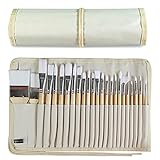
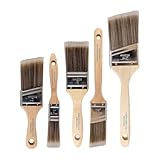
I remember staring at rows and rows of brushes in the art store, feeling completely overwhelmed. Oil painting felt like this mysterious, old-world craft, and the tools seemed just as intimidating. Back then, everyone swore by hog bristle. Natural hair, they’d say, was the only way to go for oils. It’s the advice I got, and it’s the advice I followed, until I finally got fed up with the expense and the mess.
So, are synthetic brushes good for oil painting? It’s a question that gets a lot of conflicting answers, and honestly, most of it is fluff. I’ve spent a good chunk of change and a fair bit of time experimenting with different types of brushes over the years, and I’ve learned a few things the hard way. Forget the dogma; let’s talk about what actually works.
Why I Ditched Hog Bristle for Synthetics
Look, hog bristle brushes have their place. They’re stiff, they have that ‘spring’ that’s great for pushing thick paint around, and they can create some fantastic texture. For years, that was the gospel truth for oil painters. If you weren’t using a natural bristle, you were basically a poser. I bought into it, hook, line, and sinker. I’d spend $30, $40, sometimes even $60 on a single large brush, convinced it was an investment. And yeah, some of them were beautiful. They felt substantial in my hand, and when they were new, they performed like a dream.
But here’s the rub: they wear out. And they wear out fast, especially if you’re not meticulously cleaning them after every single session.
Oil paint, with its solvents and mediums, is brutal on natural fibers. I’d find myself spending more time and money replacing worn-out brushes than I did on the actual paint. It was a constant cycle of buying, using until they became frayed and useless, and then buying more. I remember one particular instance, I’d just finished a large canvas, and my favorite large filbert brush, the one I’d used for the sky, looked like a sad, splayed-out mop.
It had cost me a small fortune, and it was barely six months old. That’s when I started thinking, “There has to be a better way.” The maintenance alone was a nightmare. Soaking, washing, conditioning – it felt like caring for a prize-winning poodle instead of painting.
The common advice was always about tradition, about the ‘feel’ of natural hair. And while there is a certain je ne sais quoi to it, is it worth the constant expense and hassle? For me, the answer became a resounding no. I wanted brushes that could handle the abuse of oil paint, that held their shape, and that didn’t require a second mortgage to replenish. That’s when I started looking seriously at synthetics, with a healthy dose of skepticism, I’ll admit.
The Real Deal with Synthetic Bristles
Synthetic brushes are basically made from nylon or polyester filaments. They’re engineered to mimic the properties of natural hair, but with some key differences that, in my opinion, make them superior for a lot of oil painting tasks. The biggest advantage, hands down, is their durability and resilience. These things can take a beating. They don’t get as damaged by solvents, they hold their shape much better, and they’re a lot easier to clean. You can scrub them, you can soak them (within reason, of course), and they’ll bounce back. This means they last longer, which translates to saving a significant amount of money over time.
For oil painting, the key is finding synthetics that have the right kind of stiffness and spring. Early synthetic brushes were often too soft and floppy, making them feel like cheap makeup brushes. But modern synthetics? They’ve come a long way.
Manufacturers now produce filaments that have varying degrees of stiffness, some designed to mimic hog bristle, others to replicate the softness of sable. The trick is understanding what you need the brush to do. Do you want to lay down thick, impasto strokes? (See Also: Can Acrylic Paint Go In An Air Brush )
You’ll need a stiffer synthetic. Are you doing fine detail work? A softer, more flexible synthetic will be your friend.
I’ve found that the synthetics with a bit of a ‘snap’ or ‘spring’ are particularly good for oil paint because they allow you to control the paint flow without the brush splaying out completely.
One thing people often worry about is paint load. Will synthetic brushes hold enough paint? Generally, yes. The way the filaments are manufactured often creates a slightly rougher texture compared to super-smooth natural hair, which can actually help hold more paint. You might notice a slight difference in how the paint feels coming off the brush, but it’s usually a difference you can adapt to very quickly. I was surprised at how well they could load up with oil paint, even thicker oils. It’s not always the same ‘feel’ as hog bristle, but it’s a reliable feel, and that’s what counts when you’re in the zone.
What to Look for in Synthetic Oil Brushes
When you’re shopping for synthetic brushes for oil painting, don’t just grab the first pack you see. There are a few things to keep in mind to make sure you’re getting brushes that will actually serve you well. The filament type is important, as I mentioned. Look for descriptions that mention stiffness or ‘snap’. Brushes labeled as ‘for oils’ or ‘heavy body acrylic’ are often good candidates, as they’re designed to handle thicker paint.
Consider the shape and size. Just like with natural brushes, you’ll want a variety: flats, filberts, rounds, and fans. A good starting point for oils is a range of medium-sized flats and filberts, maybe a couple of smaller rounds for details. The ferrule – that’s the metal part holding the bristles to the handle – should be strong and well-crimped. You don’t want it coming loose and leaving you with a brush head in your paint. Smooth nickel or brass ferrules are generally a good sign of quality.
The handle length can also make a difference. Longer handles are typically for easel painting, giving you more distance and control, while shorter handles are often preferred for smaller works or when working at a tabletop. And don’t be afraid to buy a few cheaper ones to test out. You might spend $20 on a pack of five synthetics and find that two of them are fantastic, while the others are just okay. That’s still a win compared to spending $100 on a few natural brushes that might not perform as well.
My Personal Experience: The Good, the Bad, and the Ugly
I’ve had my share of synthetic brushes that were utter garbage. I once bought a cheap multipack online that promised the world. They looked okay in the photos, but when they arrived, they were so floppy they felt like they’d dissolve if I looked at them too hard. Painting with them was a joke; the bristles bent and splayed with the slightest pressure, and I couldn’t get any kind of control. That was a hard $30 lesson learned. You really do get what you pay for, to an extent. But it’s not just about price; it’s about finding brands that actually understand what oil painters need.
On the flip side, I discovered a brand – I won’t name names, but they’re a well-known manufacturer of artist supplies – that makes a line of synthetic brushes specifically for oils. They have this amazing stiffness, a beautiful spring, and they hold paint like a dream. I bought a few to try out, and I was blown away.
They could handle thick, buttery oils, create sharp edges, and blend smoothly. They were also incredibly easy to clean. (See Also: Can Acrylic Paints Be Used In An Aqua Brush )
After a session, a quick wipe with a solvent-soaked rag and a bit of soap and water, and they were like new. I’ve had some of these brushes for over three years, and they’re still in fantastic shape. I’ve since replaced most of my hog bristle brushes with these synthetics, and my wallet is happier for it.
The ‘ugly’ part? Sometimes, the initial feel is different. If you’re used to the very specific drag and flex of natural hair, there’s an adjustment period. You might find you’re pressing too hard, or not hard enough. It’s about retraining your muscle memory a bit. Also, some very fine, soft synthetic rounds can still struggle with holding a lot of paint for super-long, smooth strokes compared to the finest natural sables, but for most general oil painting, this isn’t a dealbreaker. The vast majority of my everyday painting is now done with synthetics, and I honestly don’t miss the natural bristles nearly as much as I thought I would.
Common Mistakes When Choosing Synthetic Brushes
One of the biggest mistakes people make is assuming all synthetic brushes are created equal. They’re not. Just like there are cheap, flimsy natural brushes, there are also cheap, flimsy synthetic brushes. If you buy the absolute cheapest multipack you can find, you’re likely setting yourself up for disappointment. You need to look for brushes that are specifically designed for oil paint or heavy body acrylics. These are usually made with more durable filaments and better construction.
Another common error is sticking with only one type of synthetic brush. The world of synthetics is diverse. Some are designed to be stiff and stiff like hog bristle, ideal for impasto work and creating texture. Others are softer and more flexible, mimicking sable, and are perfect for delicate glazes and fine detail. If you only have stiff brushes, you might find yourself struggling to achieve smooth blends or fine lines. Conversely, if you only have soft brushes, you’ll have a hard time pushing thicker paint around.
People also often neglect the ferrule and handle. A loose or poorly constructed ferrule is a recipe for disaster, as bristles can fall out into your paint, ruining your work.
Always check that the ferrule is securely attached and that the handle feels balanced and comfortable in your hand. A brush might have great bristles, but if it’s uncomfortable to hold, it will hinder your painting process. Think of it like driving a car – you want comfortable seats and good steering, not just a powerful engine. Lastly, I see a lot of artists trying to use the same synthetic brush for everything.
You wouldn’t use a teaspoon to stir a giant pot of soup, and you shouldn’t use a tiny detail brush for broad strokes.
A Quick Brush Comparison Table
| Brush Type | Filaments | Best For (Oil Painting) | Pros | Cons | My Verdict |
|---|---|---|---|---|---|
| Hog Bristle | Natural | Thick paint, texture, expressive strokes | Stiff, good spring, creates texture | Wears out faster, harder to clean, can be uneven | Good for specific textures, but high maintenance and cost |
| Synthetic (Stiff) | Nylon/Polyester | Impasto, bold strokes, underpainting | Durable, holds shape, easy to clean, good value | Can feel less ‘lively’ than hog bristle, may require more paint for some effects | Excellent all-rounder for texture and strong application |
| Synthetic (Soft) | Nylon/Polyester | Glazing, smooth blending, fine detail | Flexible, smooth application, good for subtle effects, affordable | Can be too soft for thick paint, may splay if overworked | Great for delicate work and achieving smooth finishes |
| Sable (Natural) | Natural (Kolinsky) | Fine detail, miniature work, watercolor | Extremely soft, excellent point, holds fine line | Very expensive, fragile, not ideal for thick oil paint | Overkill and impractical for most oil painting needs |
Real-World Use: Putting Synthetics to the Test
So, where do synthetic brushes really shine in the oil painting process? Everywhere, in my book. For underpainting, a stiffer synthetic flat or filbert is fantastic. It can handle the initial layers of thinned oil paint, laying down a foundation without getting overworked or splayed. I’ve used them to scrub in large areas of color, and they’ve held up beautifully, far better than any hog bristle I’ve owned. The ability to clean them easily means I can switch colors rapidly without worrying about lingering pigments gumming up the works for the next layer.
When it comes to blocking in larger areas, especially with thicker paint, a good stiff synthetic brush is a revelation. You can really dig into the paint and lay it down with confidence. They don’t feel as ‘resistant’ as some natural brushes can, which allows for a more fluid application. For blending, a softer synthetic, like a filbert or a fan brush, can be incredibly effective. They can create those smooth transitions that artists often strive for without dragging the paint too much. I’ve actually found that I can achieve softer blends with some of my synthetic fan brushes than I ever could with my old natural ones. (See Also: A Brushes Digital Painting )
Fine detail work is where I was initially most hesitant. I always thought only the finest sable brushes could handle those tiny highlights or intricate lines.
But I’ve found that good quality, smaller synthetic rounds and liners can do an admirable job. They hold a good point, and with a bit of practice, you can achieve very precise marks. The key is to find synthetics that are specifically designed for detail, with tightly packed filaments that retain their shape. For glazes, a softer synthetic brush allows for a thin, even application of transparent color without disturbing the paint layers beneath.
It’s about choosing the right tool for the specific job at hand, and synthetics offer a wide enough spectrum to cover almost every need in oil painting.
Faq: Your Burning Questions Answered
Can I Use Synthetic Brushes for Oil Painting?
Yes, absolutely. Modern synthetic brushes are excellent for oil painting and are often preferred by many artists due to their durability, ease of cleaning, and consistent performance. They come in various stiffness levels, mimicking natural hair, making them versatile for different techniques.
Are Synthetic Brushes Better Than Natural Brushes for Oil Painting?
It depends on your needs and preferences. Synthetic brushes are generally more durable, cheaper, and easier to maintain than natural brushes. Natural brushes like hog bristle offer a unique stiffness and texture that some artists prefer for impasto work. For many, synthetics offer a better balance of performance, cost, and longevity.
How Do I Clean Synthetic Brushes for Oil Painting?
Cleaning is simple: wipe off excess paint with a rag, then wash the brush with artist-grade soap (like The Masters Brush Cleaner) and lukewarm water. You can also use artist’s odorless mineral spirits or turpentine to remove paint residue, but follow up with soap and water to remove all solvent traces and condition the bristles.
Will Synthetic Brushes Damage My Oil Paint?
No, good quality synthetic brushes will not damage your oil paint. They are designed to withstand the solvents and mediums used in oil painting without degrading. Make sure you are using brushes intended for oil or heavy body acrylics, as very cheap, low-quality synthetics might shed or break down prematurely.
Do Synthetic Brushes Hold Paint Well for Oils?
Yes, most synthetic brushes designed for oil painting hold paint very well. The filament structure often creates a texture that allows for good paint retention, enabling you to apply paint smoothly and effectively, whether you’re working with thick or thin consistencies.
Verdict
So, to circle back to the original question: are synthetic brushes good for oil painting? My honest answer is a resounding yes. They’ve replaced a significant portion of my brush collection, and I haven’t looked back. They offer a fantastic blend of performance, durability, and affordability that natural bristles simply can’t match for everyday use. You might still want a hog bristle for that specific texture, but for the bulk of your work, synthetics are more than capable.
Don’t let outdated advice or the allure of expensive natural hairs hold you back. Experiment with different types of synthetic brushes – look for those with good spring and stiffness if you’re working with thicker paint. You might be surprised at how much you like them. My journey with them has been a money-saver and a performance-booster. Give them a fair shot, and I think you’ll find they are more than good enough; they’re great.