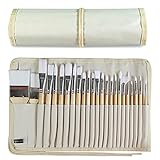
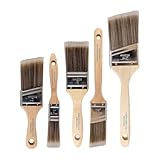
I remember my first real set of artist brushes. They cost me a small fortune, probably $180 across four versions, and I swear I expected them to paint masterpieces by themselves. But half of them were those stiff, scratchy synthetic things that felt like painting with a plastic broom. The other half? They were labeled ‘natural bristle’ and felt… different. This whole question of are paint brushes made of horsehair popped into my head because I’d heard whispers, seen the fancy calligraphy brushes, and wondered if I’d been ripped off, or if there was something genuinely special about those hairy critters.
Let me tell you, the world of art supplies can be a minefield of hype. I’ve wasted more money than I care to admit on products that promised the moon and delivered a cloudy day. So, when it comes to something as seemingly simple as brush material, it’s worth digging into what’s actually going on.
The Truth About Animal Hair in Your Brushes
So, are paint brushes made of horsehair? Yes, some of them absolutely are, and have been for centuries. It’s not some ancient myth or a newfangled trend. Horsehair, along with other animal hairs like hog bristle, badger, sable, and squirrel, has been the go-to material for brush makers because of its unique properties.
Think about it: these hairs are naturally tapered, meaning they get finer towards the tip. This gives them a natural springiness and the ability to hold a good amount of paint, which is exactly what you want when you’re trying to lay down a smooth stroke or create fine detail. I remember a specific time I was working on a portrait, and my synthetic brushes just weren’t cutting it for the subtle shading around the eyes.
I switched to an older, well-loved hog bristle brush, and suddenly, I had control. The paint flowed, the edges were soft, and I could finally achieve that translucent skin tone I was aiming for.
The common advice you’ll hear is that synthetics are just as good, or even better, these days. And for some applications, sure, they’re fine. They’re cheaper, they don’t get damaged by certain solvents as easily, and they can be very stiff. But for the nuances of oil painting, watercolors, or even some acrylic techniques where you need that delicate control and paint loading capacity, natural hair still reigns supreme in my book. It’s not just about stiffness; it’s about how the hair grabs and releases pigment, and how it behaves when wet versus dry. Horsehair, in particular, is known for its softness and flexibility, making it ideal for softer applications and blending.
When I first started seriously painting, I was told to avoid anything ‘natural’ because it was ‘hard to care for.’ That was a bunch of baloney. Yes, you need to clean them properly, but that’s true for any brush worth its salt. The real reason many artists still seek out horsehair brushes is the unique feel and the way they interact with the paint. It’s a tactile experience that synthetics just can’t replicate. I’ve seen beginners get frustrated with cheap, stiff synthetics and think they’re bad at painting, when really, they just haven’t experienced the joy of a brush that truly works with them, not against them.
Hog Bristle vs. Horsehair: What’s the Difference?
Okay, so we’ve established that horsehair is a thing in brushes. But it’s not the only animal hair out there, and even within ‘natural’ bristles, there’s a hierarchy. The most common natural bristle you’ll find in artist-grade brushes, especially for oils and acrylics, is hog bristle. Hog bristle is tougher, stiffer, and has these little ‘flagged’ tips – think of them like tiny split ends. These flags are amazing for holding paint and creating textured strokes. They’re like miniature paint tanks. For years, I thought hog bristle was the king of natural brushes. They have a fantastic snap and can really push thick paint around, which is great for impasto techniques or getting those bold, visible brush marks.
Horsehair, on the other hand, is generally softer and more flexible than hog bristle. It doesn’t have the same pronounced flagging. Think of it more like fine hair than stiff brush. Because of this, horsehair brushes are often favored for more delicate work, like watercolors, gouache, or when you need to achieve very smooth blends and subtle gradations in oil or acrylic.
I once bought a set of watercolor brushes that were supposedly pure sable, but one of them had a distinctly softer, silkier feel. Turns out, it was a blend, with a good chunk of horsehair in it. (See Also: Can Acrylic Paint Go In An Air Brush )
It was phenomenal for washes and lifting color. It made me realize that the ‘prestige’ of sable, while deserved, sometimes overshadows the excellent qualities of other natural hairs like horsehair, which can be a fantastic, more affordable alternative for similar effects.
There’s a common misconception that all natural brushes are expensive. While high-end sable can cost a fortune, good quality hog bristle and horsehair brushes are often much more accessible. The key is understanding what each hair type is best suited for. If you’re looking for brushes for heavy body acrylics or thick oil paint, hog bristle is probably your best bet for aggressive application. If you’re doing delicate washes, smooth blending, or need brushes for watercolors, horsehair (or a blend with it) can be absolutely brilliant. It’s about matching the tool to the job, not just blindly following what sounds fancy.
The ‘why’ Behind Natural Bristle Brushes
So, why do people still bother with animal hair when we have all these fancy synthetics? It boils down to performance and feel. Natural hairs, like horsehair, have microscopic scales and a structure that allows them to absorb and hold more paint than synthetic fibers. This means you can load your brush with more pigment, and it releases that pigment more evenly and controllably onto the canvas or paper. This is especially important for techniques that require a lot of paint, like glazing or scumbling. With synthetics, you often have to dip back into your paint palette more frequently, which can interrupt your flow and lead to uneven application.
Another factor is the natural taper of animal hairs. They are wider at the base where they are attached to the ferrule and get progressively finer towards the tip. This taper allows the brush to form a fine point when needed, but also to fan out slightly to cover more area. This creates a natural spring and resilience, meaning the brush springs back to its shape after being bent.
Horsehair, while softer, still possesses this quality to a degree, offering a gentle spring that’s perfect for delicate strokes. I remember struggling with a very fine detail on a piece, and my synthetic brush just wouldn’t hold the fine line. It kept splaying out. Switching to a horsehair brush, even one I’d picked up for cheap at a flea market, made all the difference.
It held that thin line beautifully. That was a real eye-opener for me.
My contrarian take? Everyone crows about sable brushes for watercolors, and they are amazing, but a good horsehair brush can do 80% of what a sable can do for a fraction of the price. If you’re just starting out with watercolors or don’t want to remortgage your house for brushes, a quality horsehair brush is a seriously underrated option. Don’t let the marketing hype for the super-expensive options make you think you need them to achieve good results. The natural structure of the hair inherently makes it better at holding and releasing paint than most synthetics, and that’s a fact.
Caring for Your Horsehair Brushes
Okay, so you’ve decided to embrace the animal hair life, or you’ve inherited some old brushes that might be horsehair. How do you keep them in tip-top shape? It’s not rocket science, but it does require a bit more attention than just rinsing your synthetics under the tap.
The biggest enemy of natural hair brushes is harsh cleaning chemicals and leaving them to soak. You absolutely must clean them as soon as possible after use, especially if you’re using oil paints or acrylics. (See Also: Can Acrylic Paints Be Used In An Aqua Brush )
For oil paints, I use a brush cleaner or odorless mineral spirits to get the bulk of the paint out. Then, I follow up with a gentle soap and water wash. For acrylics, warm water and soap are usually sufficient, but you need to get the paint out before it dries – dried acrylic paint in bristles is a nightmare and often unrecoverable.
Here’s a little process I follow religiously:
- Wipe Excess Paint: Gently wipe as much paint as you can off the brush with a soft cloth or paper towel.
- Rinse (if applicable): For oils, swish the brush in your solvent. For acrylics, rinse thoroughly under running water.
- Lather and Wash: Apply a small amount of mild soap (like baby shampoo or a dedicated brush soap) and lather it into the bristles, working it from the ferrule to the tip. Don’t scrub too hard; be gentle.
- Rinse Again: Rinse thoroughly with clean water until all the soap and pigment are gone. You should see clear water coming out.
- Reshape and Dry: Gently reshape the bristles with your fingers to their original form. Then, lay the brushes flat on a clean cloth or paper towel to dry. Avoid standing them upright in a jar to dry, as this can cause water to seep into the ferrule and damage the glue, loosening the bristles over time.
This process might sound like a lot, but honestly, it takes maybe an extra two minutes per brush. And the payoff in brush longevity and performance is huge. I have a few hog bristle brushes that are over 15 years old, and they still paint like new because I’ve treated them right. Horsehair brushes, being a bit softer, can be even more susceptible to damage if you’re rough with them, so always err on the side of gentleness.
Natural vs. Synthetic: A Direct Comparison
When you’re standing in the art supply store, trying to decide, the comparison chart below might help. It’s not about which is ‘better’ overall, but which is better for you and your specific needs. I’ve tried to give my honest verdict based on years of using both.
| Feature | Natural Bristle (e.g., Horsehair, Hog) | Synthetic Bristle | My Verdict |
|---|---|---|---|
| Paint Loading Capacity | Excellent. Microscopic scales hold more paint. | Good, but generally less than natural. | Natural wins for rich, sustained application. |
| Paint Release | Smooth, controlled, and even. | Can be less consistent, sometimes ‘gummy’. | Natural offers superior control for blending. |
| Durability with Solvents | Can be damaged by harsh solvents. | Generally more resistant to solvents and water. | Synthetics are easier for rough solvent use. |
| Spring & Resilience | Natural spring, returns to shape well. | Can vary wildly; some are very stiff, some limp. | Natural has a more organic, responsive feel. |
| Cost | Can range from affordable (hog, horse) to very expensive (sable). | Generally more affordable and consistent pricing. | Horsehair is a great value for quality. |
| Texture/Feel | Softer, more organic feel. | Can feel plasticky or overly stiff. | Natural feels more like an extension of your hand. |
| Best For | Oils, acrylics (hog), watercolors, gouache, blending (horsehair). | Acrylics, heavy body paints, crafts, primers. | Depends on medium and technique. |
I used to be a staunch advocate for natural brushes across the board, but I’ve come to appreciate the utility of synthetics for certain jobs. For priming large canvases or applying heavy body acrylics with thick, textural strokes, a stiff synthetic brush is fantastic and won’t break the bank. However, for anything requiring subtlety, blending, or a delicate touch, especially in watercolors or oils, I’m reaching for my natural bristle brushes. The way they handle paint is just… more intuitive. It feels less like wrestling with a tool and more like a partnership. When I see beginners struggling with cheap, scratchy synthetic brushes that splay out after a few uses, it makes me sad. They’re being set up for frustration.
Common Mistakes When Choosing Brushes
Alright, let’s talk about the absolute blunders I’ve seen people make, and honestly, that I’ve made myself. The biggest mistake? Buying based on price alone. You see a giant pack of brushes for $10 and think, “Great, I’ll have plenty!” Wrong. Those are usually the cheapest synthetics that will fall apart, shed bristles into your paint (which is a nightmare to remove), and provide zero control. They’re basically disposable art supplies, not tools. I learned this the hard way when I bought a cheap set for a craft project and ended up with bristles stuck in my varnish. Never again.
Another huge mistake is thinking all natural brushes are the same. As we’ve discussed, hog bristle is different from horsehair, which is different from badger or sable.
If you buy a stiff hog bristle brush expecting it to do delicate watercolor washes, you’re going to be disappointed. Conversely, trying to push thick oil paint with a super-soft squirrel brush designed for ink washes will just result in frustration.
You need to match the brush hair type, shape, and size to your medium and intended technique. For example, if you’re a watercolorist who loves soft, juicy washes, you might look for a round brush with a fine point made of sable, badger, or a good quality horsehair blend. If you’re an oil painter who loves texture and impasto, a flat or filbert brush made of stiff hog bristle will likely serve you much better. (See Also: A Brushes Digital Painting )
The common advice to “just buy what feels good” is only partly true; it needs to be guided by an understanding of what the materials can actually do.
Finally, people often forget about brush shape and size. They’ll get a brush that’s too big for the detail they need, or a shape that’s all wrong for the stroke they want to make. A flat brush is great for broad strokes and sharp edges, while a round brush is better for lines and filling in small areas.
A fan brush is for blending and creating soft textures. Don’t just grab the first brush you see. Think about the specific marks you want to make. I once spent weeks trying to get a smooth gradient with a chunky flat brush before realizing I needed a smaller round or a soft blending brush.
It sounds obvious, but it’s a trap many fall into. Learning the basic shapes and what they’re good for is a surprisingly quick way to improve your painting results.
Are Horsehair Brushes Good for Watercolor?
Yes, horsehair brushes are generally very good for watercolor. They are softer and more flexible than hog bristle, which allows them to hold a good amount of water and pigment and release it smoothly for washes and blending. Horsehair offers a gentler spring and a softer feel, making it excellent for delicate watercolor techniques where control and a fluid application are key. Many artists find them to be an excellent and more affordable alternative to sable brushes for watercolor work.
Do Expensive Paint Brushes Have Horsehair?
Some expensive paint brushes do contain horsehair, but it’s not the sole determinant of price. High-end brushes, particularly for watercolor and finer art applications, often use premium materials like Siberian sable, which is significantly more expensive due to its rarity and superior qualities. However, good quality horsehair brushes, often found in blends or as a primary component, can also be quite expensive depending on the craftsmanship, brand, and specific type of horsehair used. It’s the combination of hair type, ferrule material, handle quality, and construction that dictates the overall cost.
What Is the Difference Between Hog Bristle and Horsehair Paint Brushes?
The primary difference lies in stiffness and texture. Hog bristle is much stiffer, coarser, and has natural ‘flagging’ (tiny split ends) which makes it excellent for holding and applying thicker paints like oils and acrylics, creating textured marks. Horsehair, on the other hand, is generally softer, finer, and more flexible, with less pronounced flagging. This makes horsehair brushes ideal for softer applications, blending, and mediums like watercolor and gouache, where a smoother, more controlled release of paint is desired. Hog bristle offers more ‘snap’ and is solid, while horsehair provides a gentler touch and greater fluidity.
Can You Use Horsehair Brushes with Acrylic Paint?
Yes, you can use horsehair brushes with acrylic paint, especially if you are aiming for softer applications, smooth blending, or washes. While stiff hog bristle or synthetic brushes are often preferred for pushing thick acrylics or creating heavy texture, horsehair brushes can be excellent for more delicate acrylic techniques. Their ability to hold pigment and water allows for fluid strokes and subtle color transitions. Just be sure to clean them thoroughly with water and soap immediately after use, as dried acrylic paint can be very difficult to remove from natural bristles.
Conclusion
So, to circle back to our original question: are paint brushes made of horsehair? Yes, they absolutely can be, and for good reason. They offer a unique blend of softness, flexibility, and paint-holding capacity that’s hard to beat for certain applications. While synthetics have their place, and expensive sable gets all the glory, don’t underestimate the humble horsehair brush. It’s a workhorse (pun intended) that can deliver fantastic results without emptying your wallet.
My advice? Don’t be afraid to experiment. Pick up a few different types of brushes – maybe a medium-priced hog bristle for oils and a decent horsehair watercolor brush. See how they feel in your hand and how they interact with your chosen medium. You might be surprised at what you discover. Ultimately, the best brush is the one that feels right to you and helps you create the art you envision.
Think about your next painting project. What kind of marks are you trying to make? Smooth blends? Bold textures? Delicate washes? That will guide you to the right kind of brush, whether it’s horsehair, hog bristle, or a modern synthetic.