I remember staring at a wall of paint brushes in the hardware store, feeling utterly overwhelmed. So many brands, so many promises of perfect lines and effortless application. Honestly, I’d wasted enough cash on cheap brushes that shed bristles like a moulting dog or left streaks that made me want to repaint the entire room. That’s when I started digging, asking around, and yeah, trying a few things myself. So, are Purdy paint brushes the best? Let’s cut to the chase.
It’s a question I get a lot from friends embarking on their own DIY adventures. They’ve heard the name, seen the price tag, and want to know if it’s worth emptying their pockets.
The Hype vs. The Reality: Are Purdy Paint Brushes the Best?
Let’s get this straight: Purdy is a name that comes up whenever serious painters, amateur or pro, talk shop. You’ll see them in the hands of folks who actually make a living with a paintbrush, and that’s usually a good sign. But is that enough to crown them the undisputed champions? I’ve spent more time than I care to admit with various brushes, from the bargain bin specials to the ones that cost more than a decent dinner out. My experience tells me that while Purdy brushes are undeniably good, the question of ‘best’ is a bit more nuanced than a simple yes or no.
When you pick up a Purdy brush, you can feel the difference. The ferrules are typically thicker, the wooden handles feel balanced, and the bristles, well, they just feel right.
They’re designed with specific tasks in mind, and that’s where their strength lies. I once spent an entire weekend cutting in edges in a tricky Victorian house with ridiculously high ceilings. I was using some generic angled brush I’d grabbed in a pinch, and by hour five, my wrist felt like it was going to detach, and the lines were… let’s just say ‘organic’. The next day, I invested in a Purdy angled sash brush.
The difference was night and day. The precision was incredible, the paint loaded beautifully, and I finished the job in half the time with a clean, crisp line.
That’s not just marketing; that’s a tool that does what it’s supposed to do, and does it well.
The common advice is often to just buy the most expensive brush you can find, assuming price equals quality. I disagree with that blanket statement. Price is a factor, sure, but it’s also about understanding what you’re buying. A $50 brush might be wasted on a beginner who’s just slapping paint on a shed. But for someone meticulously working on trim or furniture, that investment can pay dividends in time saved and finish quality. Purdy sits in that sweet spot for many professionals and serious DIYers because they offer excellent performance without going into stratospheric pricing territory like some ultra-specialized, boutique brands.
I’ve also encountered people who swear by cheap brushes, arguing you can just replace them. And yeah, for certain tasks, that’s fine. If you’re painting a fence post or doing a quick touch-up, a cheap pack will do. But if you’re aiming for a smooth, professional finish on walls, doors, or anything where the finish matters, you’re just setting yourself up for frustration. You end up fighting the tool instead of letting it help you. That’s the real cost – the extra time, the frustration, and the potentially subpar results that make you question your sanity, not to mention your aesthetic choices.
What Makes a Purdy Brush Tick (and Why It Matters)
So, what’s the magic ingredient in a Purdy brush that makes people rave? It’s a combination of materials, design, and manufacturing. They use a variety of bristle types – natural China bristles, synthetic nylon/polyester blends, and combinations of both. The specific blend and length of the bristles are custom for different types of paint and applications. For example, their Chinex® or Tuf-Tex™ bristles are designed for high-solids paints and enamels, offering excellent durability and consistent paint release. Natural bristles, on the other hand, excel with oil-based paints and varnishes, holding more material and providing a smoother finish.
The way they construct the brush head is also a big deal. You’ll notice Purdy brushes are often ‘flagged’ – meaning the tips of the bristles are split into finer filaments. This increases the surface area, allowing the brush to hold more paint and lay it down more smoothly, reducing brush marks.
It’s like having thousands of tiny little sponges working together. I remember a friend who was convinced he could get the same finish with a synthetic brush as I could with my Purdy. He was using a latex paint on a cabinet. His finish looked okay, but mine had that almost glassy smoothness. (See Also: Can Acrylic Paint Go In An Air Brush )
When I looked at his brush, the bristles were all stiff and clumped. Mine were still supple, fanning out perfectly. That’s the flagging and bristle quality in action.
The ferrule – that metal band holding the bristles to the handle – is also important. Purdy uses high-quality stainless steel or copper-plated steel. These are thicker and more durable than the flimsy aluminum ferrules you find on cheaper brushes. This prevents the ferrule from bending or deforming, which could lead to bristles loosening and falling out.
I once had a cheap brush where the ferrule just crumpled under a bit of pressure. It was useless. The solid construction of a Purdy ferrule means the brush maintains its integrity, even under tough use. For homeowners tackling a big project, this durability translates to a tool that will last through multiple coats or even future projects, saving you money in the long run.
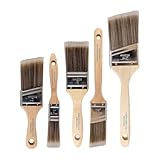
When you’re looking at Purdy brushes, you’ll see designations like ‘Angular Sash’ for cutting in corners and edges, ‘Flat’ for broader surfaces, and ‘Round’ for detail work. Each is designed with specific stroke patterns and paint types in mind. Understanding these designations helps you choose the right tool for the job, which is key to achieving that professional look everyone desires. It’s not just about brand name; it’s about selecting the right Purdy for the task at hand.
Choosing Your Weapon: Which Purdy Is Right for You?
This is where things can get a little overwhelming if you don’t know what you’re looking for. Purdy offers a massive range, and they’re not all created equal for every job. For general interior walls with latex paint, I find their Pro-Adjustable™ series or the Monarch® line to be fantastic. The Monarchs are made with a blend of beaver and chinex bristles, offering a great balance of softness and stiffness for smooth application and easy cleanup. I’ve used these for countless interior jobs, and they always deliver clean lines and minimal shedding. They feel good in the hand, too – not too heavy, not too light.
If you’re tackling exterior projects or working with oil-based paints and enamels, you’ll want to look at their brushes with Chinex or Tuf-Tex bristles. These are stiffer and more durable, designed to handle tougher paints and more rigorous use. The Purdy White Dove®, for instance, is a classic for a reason. It’s a premium synthetic brush that’s fantastic for both latex and oil-based paints, offering excellent precision and a very smooth finish. It’s a bit pricier, but for doors, trim, or cabinets where a flawless finish is most important, it’s worth every penny. I once refinished an old oak dresser using a White Dove, and the sheen the paint achieved was incredible. It looked like factory-finished furniture.
For cutting in intricate areas or working on trim, an angled sash brush is your best friend. Purdy’s Dale®, Cub®, or Pro-Trim™ lines are excellent options. The angle allows you to get into tight corners and maintain precise control. When I’m painting window frames or detailed molding, I’ll always reach for a good angled sash brush. It’s the difference between a job that looks like you did it yourself and one that looks professionally done. You can’t get that crisp edge with a flat brush, no matter how steady your hand.
Here’s a quick rundown of some popular Purdy lines and their general use cases:
| Purdy Line | Bristle Type | Best For | My Verdict |
|---|---|---|---|
| Monarch® | Chinex/Natural Blend | Interior walls, trim (latex) | Workhorse brush. Great all-around performer for most DIY tasks. |
| White Dove® | Premium Synthetic | Fine finishes, trim, cabinets, all paint types | The go-to for that ultra-smooth, professional finish. Worth the splurge. |
| Dale® | Chinex/Polyester Blend | Cutting in, trim, detailed work (latex/oil) | Excellent precision for tricky edges. A must-have for trim. |
| Colossus™ | Tuf-Tex™ Synthetic | Exterior, rough surfaces, heavy-bodied paints | Built tough for the grittier jobs. Handles thick paints well. |
Don’t just grab the first Purdy you see. Think about what you’re painting, what type of paint you’re using, and what kind of finish you’re aiming for. That thoughtful selection will make a much bigger difference than you might think.
Common Mistakes and How to Avoid Them
Even with a great brush like a Purdy, you can mess things up. The most common mistake I see people make is not cleaning their brushes properly and promptly. If you’re using latex paint, a quick rinse with soap and water after each use is usually enough. For oil-based paints, you’ll need mineral spirits or paint thinner.
Leaving paint to dry in the bristles is like throwing your brush in the trash. I’ve salvaged brushes that were left to harden like concrete, but it’s a real chore, and they rarely perform as well afterwards. You want the bristles to stay soft and flexible, like they were when new. So, get a good brush comb and a brush cleaner, and make it part of your routine. (See Also: Can Acrylic Paints Be Used In An Aqua Brush )
Another biggie is using the wrong brush for the job. Like I said, an angular sash brush isn’t ideal for painting a large wall. You’ll end up with streaks and it’ll take forever. Conversely, a big flat brush won’t give you the precision needed for fine trim work. Purdy makes brushes for specific purposes, so don’t be afraid to invest in a few different types. It’s better to have the right tool and use it once than to struggle with the wrong one for an entire project.
People also tend to over-soak their brushes, especially when using water-based paints. If you dip the brush too deep, the paint can get up into the ferrule, making it hard to clean and potentially loosening the bristles over time. Aim to load the brush about one-third to one-half of the way up the bristles. And when you’re cutting in, use a light touch. Let the brush do the work. Forcing the brush can lead to drips, uneven coverage, and a less polished look. It’s a gentle dance, not a wrestling match.
Finally, and this is a contrarian take: don’t be afraid to break in a new brush slightly before tackling your most important job. While Purdy brushes are great out of the box, a quick pass or two on scrap material or even just rubbing it lightly between your hands can help remove any loose bristles and make the brush even softer. Some people even wash them with a bit of fabric softener and rinse thoroughly. It’s a small step, but it can prevent those one or two rogue bristles from ending up in your perfect coat of paint. It feels a bit fussy, but I’ve learned that sometimes these little habits make a huge difference in the final outcome.
Real-World Use: My Experience with Purdy
I’ve been using Purdy brushes for probably ten years now, ever since a painting contractor friend rolled his eyes at my budget brushes and handed me a Purdy Dale. He just said, “Try this for the trim.” It was a revelation. The control was insane. I was able to get those super-sharp lines around the door frames that I’d only ever dreamed of. Since then, I’ve slowly built up my collection.
My go-to for interior walls is usually a Purdy Monarch or a Pro-Adjustable. They load paint well, lay it down smoothly, and clean up easily. For kitchen cabinets, I swear by the White Dove. It’s probably the most expensive brush I own, but the finish I get is unparalleled. I’ve also used their exterior brushes like the Colossus on fences and decks, and they hold up surprisingly well to rougher surfaces and heavier paints. My biggest mistake early on was thinking I could get away with using the same brush for everything. I’d try to cut in with a flat brush, or paint a large surface with a tiny detail brush. It was a recipe for disaster.
One time, I was painting a dark accent wall in my living room. I was using a new, cheaper brand of brush, and it kept leaving fuzzy bits of bristle in the paint. I’d stop, pick them out, repaint, and still find more. It was maddening. I ended up throwing it away in frustration and driving to the store specifically for a Purdy. The moment I started painting with the Purdy, the problem vanished. The paint laid down beautifully, with no shedding whatsoever. That experience cemented my loyalty. It wasn’t just about a slightly better finish; it was about saving myself hours of frustration and rework.
If you’re buying just one brush, make it a good quality angled sash brush from Purdy. You can tackle a surprising amount with it, from cutting in edges to painting trim and even smaller furniture pieces. It’s the most versatile tool in their lineup for the average DIYer. I know people who have had the same Purdy brushes for years, just by taking good care of them. That’s the kind of value that makes the initial investment worthwhile. It’s not just buying a tool; it’s investing in your ability to do a better job, faster and with less stress.
People Also Ask:
Are Purdy Brushes Worth the Money?
For most people who care about the quality of their paint finish and want tools that make the job easier and more efficient, yes, Purdy brushes are absolutely worth the money. While they are more expensive than budget options, their superior performance, durability, and the professional-looking results they help achieve justify the cost for many. If you’re a casual painter tackling a small touch-up, they might be overkill, but for any significant painting project where finish quality matters, they are a solid investment.
What Is the Best Purdy Brush for Trim?
The best Purdy brush for trim is generally an angled sash brush. Popular and highly recommended options include the Purdy Dale®, Purdy Cub®, and Purdy Pro-Trim™ lines. These brushes offer excellent precision, control, and sharp edge capabilities, making it easy to achieve clean, crisp lines along baseboards, window frames, and other detailed areas. The angle of the bristles allows for precise application in tight corners.
How Do You Clean Purdy Paint Brushes?
Cleaning Purdy brushes properly is important for their longevity and performance. For latex or water-based paints, rinse thoroughly with warm water and mild soap until the water runs clear, then comb the bristles and let them air dry. For oil-based paints, use mineral spirits or paint thinner to dissolve the paint, followed by a thorough rinse with soap and water. Always comb the bristles to remove excess paint and reshape the brush before drying. Proper cleaning prevents paint from hardening in the bristles and ferrule.
Do Professional Painters Use Purdy Brushes?
Yes, professional painters overwhelmingly use and recommend Purdy brushes. Their reputation in the professional painting community is exceptionally strong due to their consistent quality, durability, and superior performance. Professionals rely on Purdy brushes for their ability to lay down paint smoothly, create sharp lines, and withstand the rigors of daily use, contributing to efficient and high-quality job completion. (See Also: A Brushes Digital Painting )
Purdy vs. Other Brands: A Quick Comparison
It’s easy to get caught up in the Purdy hype, but it’s important to remember there are other good brands out there. Wooster is a solid competitor, offering a range of quality brushes that often come in at a slightly lower price point. I’ve used Wooster brushes, and they’re quite good, especially their Shortcut® line for detail work. They also offer good durability and paint loading. However, for that consistently flawless finish, especially on trim and fine details, I often find myself reaching for Purdy. It’s a subtle difference, but it’s there.
Then you have brands like Corona, which are also well-regarded in the professional world. They offer a good balance of quality and price, and some of their specialized brushes are excellent. My personal take is that while these brands are perfectly capable, Purdy just seems to have a slight edge in refinement and consistency across their entire range. It’s like comparing a really good sports car to a slightly more refined supercar – both are excellent, but one just feels a touch more precise and luxurious in its performance.
I’ve also experimented with some of the more budget-friendly options available from big box stores. Frankly, most of them are a waste of money if you’re serious about your finish. They shed bristles, they don’t hold paint well, and they’re difficult to clean. The amount of time you spend picking out shed bristles or trying to fix streaks far outweighs any money you might save upfront. The key takeaway here is that while Purdy might not be the only good brush brand, they consistently deliver a high level of quality that’s hard to beat, especially when you factor in how long they last.
Can You Use Purdy Brushes with All Types of Paint?
Yes, Purdy brushes are designed to be used with a wide variety of paint types, including latex, acrylic, oil-based, enamels, and stains. The specific type of Purdy brush you choose will determine its optimal performance with different paint formulations. For example, synthetic bristle brushes are generally best for water-based paints like latex and acrylics, while natural bristle brushes or specific synthetic blends are ideal for oil-based paints and varnishes. Purdy provides clear recommendations for each brush line regarding paint compatibility.
How Long Do Purdy Paint Brushes Typically Last?
With proper care and regular cleaning, Purdy paint brushes can last for many years. Professional painters who use their brushes daily often have brushes that have been in service for 5-10 years or even longer. The durable construction, high-quality bristles, and solid ferrules allow them to withstand repeated use and cleaning cycles. Neglecting to clean them properly, however, can significantly shorten their lifespan and degrade their performance.
Is There a Difference Between Purdy Brushes for Professionals and Diyers?
While Purdy offers brushes that are favored by professionals for their performance and durability, they don’t typically have separate lines that are exclusively for professionals versus DIYers. The main difference lies in the range of specialized brushes available and the quantity purchased. Professionals might invest in a wider array of specialized brushes for different tasks and high-volume use. However, the quality and design principles of Purdy brushes are consistent across their product offerings, meaning DIYers can achieve professional-quality results with the right choices from their standard lines.
What Are Chinex Bristles Used for?
Chinex bristles are a type of synthetic filament that Purdy uses in many of their brushes, particularly for heavier-duty applications. They are known for their stiffness, durability, and excellent performance with high-solids coatings, enamels, and stains. Chinex bristles are highly resistant to abrasion and can hold and release thicker paints effectively, making them ideal for exterior painting, cabinets, and surfaces that require a tougher brush. They are also easy to clean and maintain their shape well.
Conclusion
So, are Purdy paint brushes the best? For my money and my sanity, they are consistently among the best. They’re not cheap, but they’re not outrageously priced either, and the performance boost they give you is undeniable. They’re the kind of tool that makes you feel more confident when you pick it up, and that confidence translates directly into a better job.
If you’re just dabbling in painting or doing a quick touch-up, a budget brush might suffice. But for anyone who takes pride in their work or has a significant painting project ahead, investing in a few good Purdy brushes will pay off. It’s about reducing frustration, improving your finish, and actually enjoying the process a bit more.
My advice? Start with one good angled sash brush from Purdy. See how it feels, how it performs. Then, as you tackle more projects, build up your collection based on your needs. You won’t regret it.