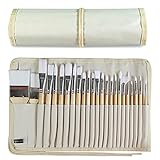
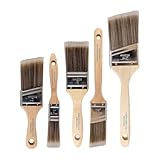
I remember the first time I saw those fancy miniature painting brushes advertised, promising unparalleled control and smoothness. I probably spent a good $50 on a set that looked suspiciously like something I could have grabbed at the craft store. Then, the real questions started: Are Privateer Press paint brushes sable? And more importantly, are they actually worth the coin?
For years, the talk among painters has been about sable bristles – the gold standard for holding paint and making fine lines. So when a company like Privateer Press, deeply embedded in the wargaming world, puts out their own brushes, you naturally wonder if they’re using the good stuff. Let’s cut through the marketing fluff and get down to brass tacks.
The Sable Myth and What’s Actually on the Brush
Alright, let’s get this out of the way: when people ask ‘are Privateer Press paint brushes sable?’, they’re usually asking if they’re made from genuine kolinsky sable hair. This is the stuff that’s supposed to be the holy grail for miniature painters. It’s known for its incredible spring, fine tip, and ability to hold a decent amount of paint without becoming a sloppy mess. I’ve definitely fallen for the hype myself, shelling out a frankly obscene amount of money for brushes labeled ‘100% Kolinsky Sable’ that, frankly, felt no better than synthetic alternatives I’d picked up for a fraction of the price.
The reality is, ‘sable’ is a broad term. Not all sable is created equal. Kolinsky sable, specifically from the Siberian species of weasel, is the most prized because of the structure of its hair – it’s hollow, which helps with paint retention, and has microscopic scales that allow it to wick paint up and release it smoothly. Lesser grades of sable, or even mixes, just don’t have those same properties. So, when a brand claims ‘sable,’ it’s worth digging a little deeper, or at least managing your expectations.
Privateer Press, bless their hearts, aren’t exactly transparent about the specific type of hair they use in all their brush lines. Their higher-end brushes are often marketed with terms like ‘artist-grade’ or ‘high-quality synthetic,’ which, while good, doesn’t explicitly state kolinsky sable. I’ve used their brushes, particularly the ones designed for their own miniatures, and my experience has been… mixed, to say the least. Some of them are perfectly serviceable, holding a decent point and handling paint well enough for general layering and drybrushing. Others? They feel a bit stiff, lose their tip quickly, or the ferrule (the metal bit holding the bristles) feels a little cheap and prone to separating.
I once bought a set of their ‘detail’ brushes, hoping for that ultra-fine control I craved. The smallest one looked great out of the pack, but after about three painting sessions, the tip started splaying.
It wasn’t a catastrophic failure, but it was enough to make me go back to my trusted, albeit worn, synthetic liners. It’s frustrating because you’re paying for a product that’s supposed to make your life easier, not add another little annoyance to your hobby time. The question of ‘are Privateer Press paint brushes sable?’ becomes less about the material and more about the performance and value for money.
My gut feeling, after years of testing various brands, is that while they might use some sable in certain lines, it’s likely not the premium Kolinsky grade that justifies the top-tier prices you might associate with that label. They’re often a good mid-range option, but I wouldn’t equate them with the absolute best sable brushes on the market.
Why the Hype Around Sable Brushes (and When It’s Overblown)
The obsession with sable bristles in miniature painting isn’t entirely unfounded. There’s a tactile difference. When you’re trying to lay down a smooth, thin glaze or pick out the absolute finest detail on a tiny eye or the edge of a buckle, the way a good sable brush behaves is noticeably superior. It has a natural ‘snap’ or ‘spring’ – meaning it bounces back to its original shape after being bent – that synthetic fibers often struggle to replicate consistently. This snap allows for precise control; you can flick the brush, and it springs back, maintaining that needle-sharp tip.
Think about trying to paint a tiny highlight on a sword edge. With a good sable brush, you can load a tiny amount of paint, touch the very tip to the edge, and pull it along, leaving a clean, consistent line. A poor-quality brush, whether synthetic or low-grade sable, might splay out, leaving a jagged, uneven mess. It can feel like trying to draw with a frayed pencil. This is why, for many years, the unquestioned advice was ‘buy sable or cry later.’ And honestly, for serious painters pushing their skills, especially those who dabble in techniques like edge highlighting or object source lighting, a high-quality sable brush is still a fantastic tool.
However, the hype can get out of hand. ‘Sable’ has become a buzzword, and companies know that slapping that label on a brush, even if it’s only a small percentage of actual kolinsky, can increase its perceived value. I’ve seen brushes advertised as ‘sable blend’ that perform worse than some of the best synthetic brushes I own.
The common advice is often to just buy sable, but the reality is more nuanced. Sometimes, a well-designed synthetic brush, especially those engineered with specific shapes and materials, can outperform a mediocre sable brush. For instance, some synthetic brushes are fantastic for drybrushing because they’re tough and don’t get damaged by the abrasive action of dragging paint across a textured surface. Sable, being a natural hair, can be more delicate and prone to wear from aggressive techniques. (See Also: Can Acrylic Paint Go In An Air Brush )
My own journey involved a lot of ‘sable’ purchases that didn’t live up to the promise. I remember one set where the bristles felt like straw after just a couple of uses, despite being labeled as ‘pure sable.’
It made me question everything. Was I doing something wrong? Was the brush just defective?
It led me down a rabbit hole of researching brush construction, fiber types, and the economics of brush making. The truth is, a truly exceptional kolinsky sable brush is an investment, often costing $20-$40 or even more for a single brush. When brands like Privateer Press offer brushes in multi-packs for a similar price, it’s highly improbable they’re packed with the absolute best grade of kolinsky sable.
They are likely using good synthetic fibers, or possibly a lower grade of sable, or a blend. This doesn’t mean they’re bad, but it does mean the blanket advice to ‘just get sable’ needs a caveat: understand what you’re paying for.
Privateer Press Brush Lines: What to Actually Expect
So, let’s talk specifics about Privateer Press’s brush offerings, because they do have a few different lines, and lumping them all together is doing a disservice. When you look at their catalog, you’ll often see brushes that are explicitly designed for their own game systems, like the P3 line. These are generally marketed as good quality brushes for the wargamer. Are Privateer Press paint brushes sable? In some of their higher-end offerings, there might be a blend or a specific type of sable hair included, but it’s rarely the star of the show in terms of explicit, premium quality branding.
I’ve found their standard P3 brushes to be a solid middle-ground. They’re often made with a good quality synthetic fiber, sometimes blended with natural hair, designed to hold a decent point and handle acrylic paints well. For general base coating, layering, and even some finer detail work, they can be perfectly adequate. I’ve used their medium-sized brushes for everything from washing armor plates to picking out details on terrain, and they’ve held up reasonably well. The key here is ‘reasonably well.’ They’re not going to be the brushes that make you weep with joy over their exquisite performance, but they also won’t send you running for the hills in frustration.
Where things can get a bit murky is when you start looking at their more specialized or older brush lines. Sometimes, a company will release a premium brush that is intended to compete with the best, and it might feature higher-quality sable. However, Privateer Press’s core identity is tied to making their own games accessible and providing tools that work well for that audience. This often translates to a focus on durability and consistent performance across a range of tasks, rather than purely on the absolute finest tip retention or paint load of a hyper-specialized, expensive sable brush.
One thing to watch out for with any brush, including Privateer Press’s, is the ferrule. This is the metal collar that holds the bristles to the handle.
Cheaper brushes often have ferrules that aren’t crimped tightly enough, or the metal is too thin. This can lead to bristles splaying out unnaturally, or the ferrule loosening over time.
I’ve had a few brushes from various brands where the ferrule split, creating a gap that just traps paint and makes precision impossible. Privateer Press’s P3 brushes generally have decent ferrules for their price point, but they aren’t always as solid as those found on brushes from companies that only make brushes. For example, I once bought a single brush from a dedicated brush manufacturer for about $25, and the heft and precision of the ferrule alone told me it was a different class of tool.
When considering ‘are Privateer Press paint brushes sable?’ and their overall quality, it’s about managing expectations for the price point. They offer good value for general use, but if you’re a purist seeking the absolute pinnacle of sable performance, you might need to look elsewhere and spend accordingly. (See Also: Can Acrylic Paints Be Used In An Aqua Brush )
Contrarian Take: When Synthetics Rule the Roost
Here’s a hot take for you: I think the obsession with sable bristles for miniature painting is, in many cases, completely overblown. Everyone says ‘sable is king,’ and they aren’t entirely wrong for certain applications, but they often forget that modern synthetics are incredibly good and, in some situations, flat-out better. My contrarian opinion is that for 80% of what most painters do on a tabletop miniature, a high-quality synthetic brush will perform just as well, if not better, and last longer for a fraction of the cost.
Think about it. How often are you painting a giant, smooth canvas where every single stroke needs to be a work of art? For most of us, we’re painting plastic miniatures. We’re base coating, washing, drybrushing, and doing basic layering. For these tasks, a durable synthetic brush is a godsend. Drybrushing, in particular, can absolutely shred natural hair bristles. I’ve seen perfectly good sable brushes turn into fluffy messes after just a few sessions of aggressive drybrushing. A good synthetic brush, on the other hand, laughs in the face of drybrushing. It’s designed to be tougher.
Furthermore, the ‘snap’ of sable is often touted as its key advantage. But many synthetic brushes are engineered to have excellent snap and resilience now. I have a set of synthetic liner brushes that hold a needle-fine point for an astonishingly long time, and they’re incredibly forgiving. If I accidentally bend one too far, I don’t have that sinking feeling of ‘oh no, I just ruined a $30 brush.’ It’s just a $5 brush that’s still going strong. This mental freedom is huge. When you’re not constantly worrying about babying your tools, you’re more likely to experiment and push your painting further.
My first major painting project after I started taking things more seriously involved a lot of layering and blending on larger models. I was using some mid-grade sable brushes and constantly felt like I was fighting them. They’d hold too much paint, or the tip would get fuzzy.
Then, on a whim, I picked up a set of synthetic brushes that were specifically designed for acrylics. The difference was night and day. The paint flowed smoothly, the tips stayed sharp, and I could actually achieve those smooth transitions I was aiming for.
I still use sable brushes, mind you, but only for specific tasks where I feel the absolute best performance is needed – like very fine edge highlights or specific glazing techniques on a hero figure. For the bulk of my painting, and certainly for anyone asking ‘are Privateer Press paint brushes sable?’ and wondering if they need to commit to the highest tier, I’d say explore the good synthetics first.
You might be surprised at how good they are, and your wallet will thank you.
Practical Tips for Brush Care and Selection
Regardless of whether you’re using sable, synthetic, or a blend, taking care of your brushes is a must if you want them to last. This is where a lot of people go wrong, and it’s not rocket science.
The most important thing is to clean them properly after every single painting session. Don’t just rinse them under water and call it a day. You need to get all the paint out of the bristles.
I use a dedicated brush soap – little pucks of cleaner that lather up and really get into the base of the bristles where paint likes to hide. After working up a lather, I rinse thoroughly, usually holding the brush bristles-up under a gentle stream of water to help flush the paint downwards.
Once cleaned, shaping the bristles back to a point is important. I gently run my fingers through the damp bristles, coaxing them back into their original shape. Then, I let them air dry bristles-up, never bristles-down in a cup, as this will cause them to splay. If I need them to dry faster or want to store them long-term, I might use a brush guard or a plastic tube that fits over the bristles to help them maintain their shape. (See Also: A Brushes Digital Painting )
When you’re looking to buy, whether it’s Privateer Press brushes or any other brand, here’s what I look for:
- The Bristle Tip: Does it come to a sharp, fine point? When you gently bend it and let it go, does it snap back cleanly or stay splayed?
- The Ferrule: Is it securely attached to the handle? Does it feel solid and well-crimped, with no gaps or rough edges?
- The Feel: How does the brush feel in your hand? Does it have a comfortable weight and balance? Some brushes feel flimsy, others feel like an extension of your arm.
- The Price vs. Promise: If a brush is being sold as ‘premium sable’ for $5, your expectations should be appropriately managed. Conversely, if a high-end synthetic is $20, make sure it’s delivering on performance.
I’ve learned the hard way that buying cheap, poorly made brushes is a false economy. They splay, they shed bristles, and they make painting frustrating. Conversely, I’ve also learned that you don’t always need the most expensive brush. A mid-range synthetic that’s well-constructed can be a workhorse. So, when asking ‘are Privateer Press paint brushes sable?’ it’s also worth asking ‘are they well-made and do they suit my painting style and budget?’ My advice is to start with a few good quality synthetic brushes for general tasks and maybe one or two finer brushes for detail work, and see how you get on before investing heavily in expensive sable.
When ‘sable’ Isn’t the Magic Bullet: Comparing Options
Let’s put some common brush types side-by-side. It’s easy to get caught up in the ‘sable’ label, but the reality is more complex. A lot of brands, including Privateer Press, offer a spectrum of brushes, and understanding what each type is generally good for can save you a lot of money and frustration. I’ve been through enough brushes to form some strong opinions, and I’ve put together a little comparison table to illustrate my thinking. This is based on my personal experience and general observations in the miniature painting community.
| Brush Type/Material | Common Characteristics | Pros | Cons | Verdict (My Honest Opinion) |
|---|---|---|---|---|
| High-Quality Kolinsky Sable | Extremely fine tip, excellent spring, holds a lot of paint, soft feel. Often expensive. | Unmatched precision for fine details, smooth glazes, great paint retention. | Delicate, can be damaged by aggressive techniques or improper cleaning, very expensive. | The gold standard for precision work, but overkill for many tasks and requires meticulous care. Invest in one or two if you do serious detail work. |
| Mid-Grade Sable/Sable Blend | Decent tip, good spring, can hold a reasonable amount of paint. Price varies significantly. | Better than synthetics for general layering and blending, more affordable than pure Kolinsky. | Tip can splay over time, performance can be inconsistent, still requires careful cleaning. | A decent compromise if you want some natural hair benefits without the extreme cost. Still, be discerning about the specific blend. |
| High-Quality Synthetic | Engineered for resilience, good tip retention, consistent performance. Very durable. | Excellent for drybrushing, layering, and general use. Holds its shape well, very durable, much cheaper than sable. | May not hold as much paint as sable, can feel slightly stiffer, the finest details might require more passes. | My go-to for most tasks. Excellent value and performance for the vast majority of miniature painting. Don’t underestimate them. |
| Privateer Press P3 Brushes (General) | Often good quality synthetics, sometimes with blends. Designed for wargaming. | Good value for multi-packs, decent for general application, reasonably durable. | Not usually advertised as premium sable, tip retention can vary by specific brush, might not match the absolute best dedicated brush brands. | A solid choice for beginners and intermediate painters looking for reliable tools without breaking the bank. Good for learning the ropes. |
So, when you see Privateer Press brushes, it’s important to look beyond just the brand. Are Privateer Press paint brushes sable? Some might have a component of sable, but they are generally positioned as good, reliable tools for the wargaming hobbyist. They often lean heavily on high-quality synthetics which, as I’ve said, can be fantastic. Don’t dismiss them just because they aren’t screaming ‘100% Kolinsky Sable!’ Instead, consider what you need the brush for. If you’re doing heavy drybrushing or just starting out, a P3 synthetic might be exactly what you need. If you’re aiming for hyper-realistic highlights on a centerpiece model, you might still want to invest in a dedicated, high-end sable brush from a specialist maker.
Frequently Asked Questions About Privateer Press Brushes
Are Privateer Press Brushes Good for Beginners?
Yes, for the most part, Privateer Press brushes, particularly their P3 line, are quite good for beginners. They offer a decent balance of performance and affordability. Their synthetic brushes are durable and hold a usable point, making them forgiving for those still developing their fine motor control. They won’t be as delicate or precise as top-tier sable brushes, but that’s often a good thing when you’re learning, as they can withstand a bit more wear and tear.
Do Privateer Press Brushes Shed Bristles?
Like any brush, especially those that aren’t the absolute highest quality, there’s a possibility of shedding. However, Privateer Press generally produces brushes with decent quality control. Shedding is more likely to occur if the ferrule is poorly constructed, or if the bristles themselves are of lower quality and not properly secured. If you experience excessive shedding early on, it might indicate a defective brush, and it’s worth contacting the retailer or manufacturer.
How Do Privateer Press Brushes Compare to Citadel Brushes?
The comparison between Privateer Press (P3) and Citadel brushes often comes down to personal preference and specific brush types. Both companies offer brushes aimed at the wargaming market. P3 brushes are often praised for their durability and good synthetic fibers, while Citadel brushes are known for having some very fine detail options. Many painters find that certain P3 brushes excel in areas where certain Citadel brushes fall short, and vice versa. It’s less about one being definitively ‘better’ and more about which specific brush within their ranges best suits your technique and needs.
Are Privateer Press Brushes Expensive?
Compared to the absolute highest-end, specialist sable brushes from brands like Raphael or Winsor & Newton, Privateer Press brushes are generally not considered expensive. They fall into a mid-range price bracket, offering good value for hobbyists. While a single top-tier kolinsky sable brush can cost $20-$40 or more, you can often get a multi-pack of P3 brushes for a similar or slightly higher price. This makes them accessible for a wide range of painters looking for reliable tools without a significant investment.
Verdict
So, to circle back to the initial question: are Privateer Press paint brushes sable? The honest answer is that it’s complicated, and generally, they are not primarily made of premium kolinsky sable. While some lines might incorporate sable, their strength lies in well-made synthetic fibers and good general construction, offering reliable performance for the everyday wargamer. I’ve found them to be perfectly capable tools for getting the job done, especially if you’re not looking to spend top dollar on the absolute finest natural hairs.
My personal experience has taught me that the material is only one piece of the puzzle. A well-designed synthetic brush can often outperform a mediocre sable blend, and good brush care can extend the life of any brush, regardless of its composition. If you’re on the fence about Privateer Press brushes, consider your budget and your primary painting needs. For general use and learning, they’re a solid bet. If you’re chasing hyper-fine details or specific glazing effects, you might still want to explore dedicated brush manufacturers.
Ultimately, don’t get too hung up on the ‘sable’ label alone. Look at the specific brush, read reviews if you can, and consider if it feels right for your hand and your style. The best brush for you is the one that helps you achieve your vision on the tabletop.