Remember that feeling? The one where you stood, maybe as a kid, maybe just yesterday, staring at a blank canvas or a piece of wood, a vibrant red paint brush clutched in your hand, a silent promise made? That moment, that commitment to create, to transform, to make something happen – that’s the essence of what it means for a boy and a red paint brush to be underoath. It’s not just about applying pigment; it’s about the intent, the focus, the sheer will to bring an idea to life. Forget the fancy art schools and the endless tutorials for a second. This is about the raw, unadulterated drive to just do.
Too many people get bogged down in the ‘how’ and forget the ‘why’. They overthink, they second-guess, they let fear of a bad outcome paralyze them. But when that brush meets the surface, and that red starts to bloom, something shifts. It’s a binding. It’s a personal decree. It’s the quiet, yet powerful, understanding that you’re accountable to yourself and your vision.
Why That Red Brush Matters More Than You Think
Let’s cut to the chase. When I talk about a boy and a red paint brush underoath, I’m not necessarily talking about a literal child swearing an oath.
I’m talking about that internal commitment, that moment you decide, ‘This is it. I’m going to make this happen.’ For me, it often started with a cheap, plastic-handled red brush I grabbed from a discount store when I was maybe ten.
It wasn’t special. It shed bristles like a wet dog.
But it was mine, and it represented the possibility of turning a boring old shoebox into a pirate’s treasure chest or a plain piece of paper into a superhero’s lair. That commitment, that little spark of intent, is often what separates actually finishing something from just thinking about finishing something.
People get hung up on having the ‘perfect’ tool. They’ll spend hours researching the best synthetic bristles, the ideal ferrule material, the ergonomically designed handle. And yeah, good tools matter eventually.
But that initial spark, that oath to create, can happen with literally anything. I’ve seen artists create absolute magic with nothing more than twigs and mud.
The commitment is the real tool. That red brush becomes a symbol of that commitment. It’s the physical manifestation of your promise to yourself to see a project through, to add that splash of color, to make your mark. It’s about the intent behind the action.
When that red paint starts to flow, it’s like a silent vow being kept. You’re not just painting; you’re proving something to yourself.
The psychological aspect is huge here. Making an oath, even a silent one to yourself and a tool, creates accountability. You’ve mentally tied yourself to the outcome. It’s like standing up in front of a crowd and declaring you’ll do something – much harder to back out then. This is especially true when you’re staring down a project that feels a bit daunting. That red brush in your hand can feel like an anchor, a reminder of the promise you made to yourself. It’s a surprisingly powerful motivator when you’re feeling tired, uninspired, or just plain lazy. It’s the little voice saying, ‘Remember what you said you’d do?’
My Own Brush with Overzealous Expectations
I’ll admit, I’ve been on both sides of this. Years ago, I decided I was going to learn to paint miniatures properly. I watched all these YouTube videos, saw these incredibly detailed, hyper-realistic figures, and thought, ‘Right, I’m doing that.’
I went out and bought the most expensive brushes I could find – tiny little things with sable bristles that cost more than my lunch. I had a whole setup. And for a while, it was exciting.
I lined them all up, a veritable arsenal of tiny brushes, each promising precision. I felt like a surgeon ready for a delicate operation. But you know what? (See Also: Can Acrylic Paint Go In An Air Brush )
Most of those fancy brushes sat in their case, gathering dust. Why? Because I hadn’t made the oath yet. I hadn’t truly committed to the process, the mess, the inevitable mistakes.
My real breakthrough came when I was helping my niece with a school project. It involved painting a diorama.
She grabbed a cheap, chunky red brush from a kids’ art kit. It was probably meant for finger painting. She was so focused, so determined to get the ‘lava’ just right, that it was inspiring.
She wasn’t worried about the perfect gradient or the flawless blend. She was just painting. And she finished it. It wasn’t gallery-worthy, but it was done, and she was beaming.
I watched her, and it hit me: the tool is secondary to the intent. That red brush, in her small hands, was under oath to help her finish her project. Seeing her pure, unadulterated commitment made me realize I’d been overthinking it all.
I went home, dug out an old, cheap brush – it was red, fittingly – and started experimenting. And you know what? I actually enjoyed it. I made mistakes, I got paint everywhere, but I was doing it.
The cheap brush didn’t hold me back; it liberated me because my oath was to the act of creation, not to some unattainable standard of perfection.
It’s easy to fall into the trap of thinking you need the best gear to achieve the best results. That’s what the marketing tells you, right? But for many things, especially when you’re starting out or just looking to get a job done, the most expensive tools are often just that: expensive. They can even be intimidating. A cheap brush, especially one that feels good in your hand and is a satisfying color like red, can be more inviting. It lowers the barrier to entry. It says, ‘Just use me. Don’t worry about damaging me. Just get the job done.’
What to Look for When Your Oath Demands a Red Brush
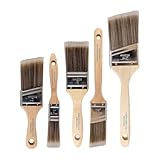
So, if you’re feeling that call to create, that urge to make something happen with a brush, what should you actually look for? Forget the marketing hype. Think about what feels right for you and the task at hand. For general-purpose painting, whether it’s a wall, a piece of furniture, or a canvas, I lean towards synthetic bristles. They’re durable, easy to clean, and don’t cost a fortune. A medium-sized brush, maybe a 2-inch flat brush, is incredibly versatile. And yeah, if you can find one in a good, solid red, that’s just a bonus morale boost.
What Kind of Red Paint Brush Is Best for Beginners?
For beginners, the best red paint brush is one that feels comfortable in your hand and is versatile enough for a few different tasks. Don’t overspend. A medium-sized synthetic brush (around 2 inches wide) is a solid starting point. Look for one with bristles that feel firm but flexible, and make sure the handle is easy to grip. The color red is purely aesthetic here, but it can be a fun reminder of your commitment.
How Do I Choose a Paint Brush for Furniture?
When painting furniture, you’ll want a brush that can lay down a smooth, even coat without leaving too many brush marks. For larger, flat surfaces, a 2-3 inch angled or flat synthetic brush is a good bet. For detail work or tricky corners, a smaller round or angled brush will be more helpful. Always opt for brushes that are easy to clean thoroughly after use to maintain their quality.
Are Natural or Synthetic Bristles Better for Acrylics?
Synthetic bristles are generally better for acrylic paints. They are more durable, hold their shape well, and are easier to clean than natural bristles, which can be damaged by acrylic mediums. Natural bristles tend to be softer and are often preferred for oils or watercolors, but synthetics offer a good balance of stiffness and responsiveness for acrylics.
The ferrule – that metal part holding the bristles – should be securely attached to the handle. You don’t want it coming loose halfway through. For smaller projects or more detailed work, a round brush with a fine tip can be excellent. Again, the key is how it feels in your hand and how it responds to your stroke. If you’re painting on a large scale, you might want a thicker handle for better grip and control. If it’s for delicate work, a thinner handle might feel more precise. The ‘oath’ is personal, so the tool should feel like an extension of your intent, not a burden. (See Also: Can Acrylic Paints Be Used In An Aqua Brush )
Here’s a quick rundown of what I’ve found works in practice:
| Brush Type | Best For | My Verdict |
|---|---|---|
| 2-inch Flat Synthetic | Walls, furniture, general coverage | My go-to workhorse. Reliable, cleans up easy. Gets the job done without fuss. |
| 1-inch Angled Synthetic | Trim, edges, smaller furniture pieces | Great for cutting in lines and getting into corners. A bit more control than a flat. |
| Small Round Synthetic (Size 0-4) | Fine detail, touch-ups, miniature painting | Necessary for precise work, but can be fiddly. Keep it clean or it’s useless. |
| Natural Bristle Brush | Oil paints, some varnishes | Not my first choice for most projects, but has its place for specific finishes. Can be harder to clean. |
The color red? Honestly, it’s a psychological thing. It’s a bold color, a color of energy and action. If holding a red brush makes you feel more committed, more ready to tackle that project, then it’s the perfect brush for your oath. Don’t let anyone tell you that you need a $50 brush to make a mark. You need the commitment, and a brush that helps you feel that commitment.
Common Mistakes When Your Oath Feels Like a Burden
The biggest mistake I see people make, myself included in the past, is letting the ‘oath’ become a burden instead of a motivator. This happens when you set unrealistic expectations. You see a perfectly finished product online and think, ‘I’ll have that done by Tuesday.’ Then Tuesday rolls around, and it looks nothing like the picture. Suddenly, that red brush, which was supposed to be your ally, feels like an accusation. You start to resent it, and the whole project feels like a chore.
Another common pitfall is neglecting the prep work. You’ve got your brush, you’re ready to go, but you haven’t properly cleaned the surface you’re painting, or you haven’t masked off areas you don’t want painted. This leads to messy results, and then you’re spending more time fixing mistakes than enjoying the process. It’s like swearing to run a marathon and then showing up in flip-flops without stretching. The oath is to finish, yes, but it’s also to do it with a reasonable degree of competence and care. A little bit of foresight goes a long way.
And then there’s the cleanup. Oh, the cleanup. People often think the job is done once the last stroke is applied. Wrong.
If you don’t clean your brushes properly, especially your trusty red one, you’re basically breaking your oath to future projects. Dried paint in the bristles ruins their shape and makes them unusable. I once found a brush I’d neglected to clean properly.
It was stiff as a board, completely useless. That felt like a betrayal of the tool and the effort I’d put in. So, cleaning your brushes thoroughly – with soap and water for water-based paints, or the appropriate solvent for oils – is part of the oath. It’s respecting the tool that helped you fulfill your promise.
How Do I Avoid Brush Strokes When Painting?
To avoid noticeable brush strokes, apply paint in thin, even coats. Use long, consistent strokes in the same direction. For water-based paints like latex or acrylics, a synthetic brush with good flexibility can help lay down a smoother finish. For oil-based paints, natural bristles might be more forgiving. Always work with the grain of the material you are painting, and consider using a high-quality paint that levels well. A light sanding between coats can also help achieve a smoother surface.
What Is the Best Way to Clean Paint Brushes?
For water-based paints (acrylics, latex, watercolors), rinse the brush thoroughly under running water to remove as much paint as possible. Then, use a small amount of mild soap or brush cleaner and work it into the bristles with your fingers until a lather forms. Rinse again until the water runs clear. For oil-based paints, you’ll need a solvent like mineral spirits or turpentine. Swirl the brush in the solvent, wipe it on a rag, and repeat until clean. Afterward, wash the brush with soap and water to remove any residual solvent.
How Often Should I Replace Paint Brushes?
The lifespan of a paint brush depends heavily on its quality, how often you use it, and how well you clean and maintain it. High-quality brushes, especially natural bristle ones for oils, can last for years if properly cared for. Cheaper synthetic brushes might need replacing more frequently, perhaps after a few significant projects or if the bristles start to splay or fall out. Regular cleaning and proper storage (bristles up or flat, not crammed) will significantly extend their life.
Real-World Use: More Than Just Canvas
The ‘a boy and a red paint brush underoath’ scenario isn’t limited to fine art. Think about DIY projects. You decide to repaint that old dresser. You grab a brush – maybe it’s red, maybe it’s blue, but the principle is the same. You’ve taken on the task. You’ve sworn, in your own way, to transform it. This is where the practical tips really come into play. Don’t just slap paint on. Make sure the surface is clean and dry. Lightly sand any glossy surfaces to give the new paint something to adhere to. Use painter’s tape to get clean lines if you’re painting trim or different sections.
If you’re painting a large area like a wall, a good quality roller is often more efficient than a brush for the main coverage. But you’ll still need brushes for cutting in the edges, corners, and around fixtures. That’s where your trusty angled brush comes in. Don’t be afraid to switch tools as needed. The oath is to complete the project effectively, not to stubbornly use only one tool.
I remember deciding to repaint my shed. It was a weekend job, or so I thought. (See Also: A Brushes Digital Painting )
I had a big, cheap red brush and a can of exterior paint. I figured I’d just get it done.
Within an hour, I realized the wood was really porous, and the paint was soaking in like crazy. I needed more paint, and I needed to apply it faster. The initial oath was to paint it, but the reality demanded adaptation.
I ended up buying a second, larger brush and a bigger can of paint, and I worked from top to bottom, making sure to get good coverage in the grain. It took longer than I expected, but the shed looked a million times better. The oath was fulfilled, but it required more than just picking up a brush; it required problem-solving.
When Should I Use a Brush Versus a Roller?
Brushes are best for detailed work, cutting in edges, corners, trim, and intricate surfaces where a roller can’t reach or would create an uneven finish. Rollers are far more efficient for covering large, flat areas like walls and ceilings quickly and evenly. For projects involving both, you’ll typically use a roller for the main surface and a brush to do the edges and details.
How Do I Get a Smooth Finish on Furniture?
Achieving a smooth finish on furniture involves several steps. First, proper preparation is key: clean, sand, and prime the surface. Use high-quality paint, applying it in thin, even coats with a good brush or roller. Allow each coat to dry completely, and lightly sand between coats with fine-grit sandpaper (220-grit or higher). Remove all dust before applying the next coat. For extra smoothness, consider a final clear coat or varnish.
Can I Use Interior Paint Outdoors?
It’s generally not recommended to use interior paint outdoors. Interior paints are not formulated to withstand the harsh conditions of the outdoors, such as UV radiation, moisture, temperature fluctuations, and mildew. Exterior paints contain additives that provide durability, fade resistance, and protection against the elements, making sure a longer-lasting and better-looking finish.
A Few Practical Tips for Keeping Your Oath
So, you’ve got your red brush, you’ve made your promise. How do you actually see it through without burning out or getting frustrated? First, break down your project into smaller, manageable steps. Instead of ‘paint the whole house,’ think ‘paint the front door today’ or ‘prep and prime the bookshelf this afternoon.’ Checking off these smaller tasks provides momentum and makes the overall goal feel less overwhelming.
Second, embrace the imperfections. Nobody’s first attempt at anything is perfect. That little drip, that slightly uneven patch? It’s part of the process. It’s what you learn from. The goal is progress, not unattainable perfection. The oath is about completion, and learning along the way. If you’re aiming for a showroom finish on your first try, you’re setting yourself up for disappointment. Be kind to yourself.
Third, and this ties back to cleanup, respect your tools. Clean your brushes immediately after use. Store them properly. A well-maintained brush will perform better and last longer. Think of it as respecting the partner that helped you keep your promise. If you’re using water-based paints, a simple rinse with water and a bit of soap, followed by reshaping the bristles and letting it dry flat or bristles-up, is usually sufficient. For oil-based paints, use the appropriate solvent, followed by a soap and water wash. This simple act of care can make a huge difference.
Finally, don’t be afraid to ask for help or advice. If you’re truly stuck, there’s no shame in looking up a tutorial, asking a friend who’s done it before, or even consulting a professional. The oath is to complete the task, and sometimes, that means using external knowledge. It’s not about knowing everything; it’s about finding a way to get it done. And remember, sometimes the most rewarding projects are the ones where you learned the most through trial and error.
Final Thoughts
That red brush, whether it’s in the hand of a child or an adult facing a new challenge, represents more than just a tool. It’s a symbol of commitment, a tangible reminder of the oath you’ve taken to create, to transform, to see something through. It’s about showing up, doing the work, and accepting the outcome, whatever it may be.
Don’t let the pursuit of perfection paralyze you. The real victory lies in the act of doing, in the lessons learned, and in the satisfaction of bringing your vision to life, one stroke at a time. So, next time you pick up that brush, remember the promise you’re making to yourself, and go make something happen.
The journey of a boy and a red paint brush underoath is a continuous one, often leading to unexpected, yet rewarding, destinations.