Wallpaper glue. The bane of every DIYer who’s ever dared to change a room’s look. You’ve peeled off the paper, celebrated that victory, and then BAM! You’re staring at a sticky, uneven mess that feels like it’s cemented to the drywall. Naturally, your mind drifts to that orbital sander sitting in your garage, the one that eats through wood like a hungry beaver. The question pops into your head: can I use an electric sander to remove wallpaper glue? I’ve been there, hunched over a wall with a scraper, wondering if there’s a faster, less soul-crushing way.
Is an Electric Sander Your Glue-Removal Secret Weapon?
Look, I get the appeal. You’ve got this powerful tool, designed to grind down surfaces. Wallpaper glue, especially the old, stubborn kind, feels like it’s practically begging for some aggressive sanding. When I first tackled a particularly tenacious wallpaper job in my old rental, I definitely eyed my trusty Dewalt orbital sander with a glint in my eye.
It had made short work of old paint and gunk on furniture, so surely it could handle a bit of dried adhesive, right? The instinct is strong: more power equals faster results. And in some very specific, limited scenarios, an electric sander can make a dent.
But let’s be crystal clear: this is rarely the straightforward, easy win you might be hoping for. It’s more like a last resort, a tool you pull out when all else has failed and you’re prepared for some potential collateral damage.
The real issue with using an electric sander on wallpaper glue isn’t just about its power; it’s about the type of power and the surface you’re working on. Most electric sanders, especially orbital or random orbital sanders, are designed for wood, metal, or hard finishes. They spin or oscillate sandpaper at high speeds, creating friction and abrasion to remove material. Wallpaper glue, on the other hand, is often a soft, gummy substance that can get hot and melt under that kind of friction.
This melting can cause the sandpaper to gum up almost instantly, rendering the sander ineffective and turning the glue into a sticky, smeary nightmare. It’s not like sanding wood where you’re removing fine particles; you’re basically trying to turn sticky goo into a fine powder, which doesn’t happen. The heat generated can also potentially damage the drywall paper underneath, leading to gouges and a much bigger problem than you started with.
So, while the answer to ‘can i use an electric sander to remove wallpaper glue’ is technically ‘yes, in a way,’ it’s usually a ‘hell no’ from my experience.
The Gum-Up Factor: Why Sanders Hate Sticky Glue
This is where most people get it wrong. They think, ‘Sander = removes stuff, glue = stuff, therefore sander removes glue.’ Simple, right? Wrong.
Imagine trying to sand a glob of peanut butter. That’s what happens when you try to sand wet or even slightly softened wallpaper glue with an electric sander.
The abrasive grit on the sandpaper, instead of catching and removing the glue, just smears it around, clogs the sandpaper pores, and makes the whole operation pointless. You’ll spend more time trying to clean the sandpaper – which is a losing battle – than actually removing any glue.
I once tried this on a small patch of stubborn adhesive, thinking I could just use a lower grit and power through. Within about thirty seconds, my sandpaper was a solid, sticky disc, and the glue looked like it had been varnished on. It was a mess.
I had to stop, peel the gummy paper off the sander’s pad, and start again with a different grit. It was frustrating, time-consuming, and frankly, a bit embarrassing to admit I’d fallen for such a basic material mismatch. (See Also: Does Judarn Wallpaper Remove Easily )
The heat generated by the sander is another massive problem. That high-speed friction warms up the glue. Instead of becoming brittle and easy to sand, it becomes more pliable and sticky. It’s like trying to sculpt with warm wax; it just wants to deform and smear.
This means you’re not really removing the glue; you’re just redistributing it into a thinner, more pervasive layer that’s even harder to get off. And all that heat?
It can also be bad news for your drywall. If you’re not careful, you can easily burn through the paper facing of the drywall, creating divots and gouges that will require significant patching and sanding later. You’re trading a sticky glue problem for a damaged wall problem, which is never a good deal. So, when someone asks ‘can i use an electric sander to remove wallpaper glue,’ my immediate thought is about the sandpaper clogging and the potential for wall damage.
It’s a recipe for frustration.
When It might Actually Work (the Tiny Caveats)
Okay, so I’ve trashed the idea of using an electric sander for wallpaper glue pretty thoroughly, and for good reason. But are there any situations where it’s not a total disaster?
Maybe, but they’re few and far between. If you’re dealing with a very specific type of wallpaper glue residue – one that has dried out to an almost brittle, powdery state, and it’s very thin – an electric sander might be able to knock it down. This is rare, though.
Most wallpaper glue, even when old, retains some level of stickiness or chewiness. Think of it like this: if the glue is so dry it crumbles like chalk, a sander could theoretically work. But if it’s still gummy or has any elasticity, you’re going to have the gum-up problem.
Another scenario where it might be less of a catastrophe is if you’re using a very coarse grit sandpaper (say, 60 or 80 grit) on a low setting with an orbital sander, and you’re being incredibly light-handed. The goal here isn’t to aggressively grind, but to lightly abrade the surface.
You’d be feathering the sander, moving it constantly, and hoping to knock down the high spots of the glue without melting or clogging. This is a delicate dance, and most people, myself included, aren’t patient enough for this kind of finesse when we’re just trying to get a job done. It’s much more likely you’ll end up with clogged paper and a smeary mess.
So, while technically possible under very specific, almost ideal conditions, I wouldn’t recommend it as your primary approach. The risk of making things worse usually outweighs the potential benefit.
My Own Dumb Mistake: The Time I Tried the ‘dry Scraping’ Sander Method
I’ve got a confession. Years ago, before I learned my lesson, I was faced with a wall that had been wallpapered three times. (See Also: Does Peel And Stick Wallpaper Damage Walls When Removed )
The last layer came off okay, but the glue residue was INSANE. It was thick, uneven, and felt like old, dried-out tar.
I was exhausted from scraping and decided my orbital sander had to be the answer. I figured if I used a really coarse grit, it would just chew through the dried gunk.
I even tried using the sander without plugging it in first, just to see how the sandpaper would interact with the glue. This was a stupid idea. Even without power, the drag of the sandpaper just smeared the stuff around. Then I plugged it in.
Big mistake. The heat and vibration turned the dried-out glue into a warm, sticky goo that instantly coated my 80-grit pad. It was like trying to sand with a hot glue gun.
I ruined two pieces of sandpaper in under a minute. The glue didn’t come off; it just got smeared into the drywall paper, making it even harder to scrape. I eventually gave up on the sander and went back to my trusty putty knife and a spray bottle of hot water and vinegar, which, while slow, actually worked. It was a humbling experience that taught me a valuable lesson about respecting the material.
So, to answer ‘can i use an electric sander to remove wallpaper glue’ from personal experience? Yeah, you can, but you’ll probably regret it.
The Right Way to Tackle Wallpaper Glue (spoiler: It’s Not Sanding)
Alright, let’s talk about what actually works. Because if you’re asking ‘can i use an electric sander to remove wallpaper glue,’ chances are you’re in the thick of it and need a solution. The best approach is almost always mechanical removal followed by a cleaning solution. Start with a good quality wallpaper scraper.
One with a replaceable blade is key. Hold it at a shallow angle to the wall – about 30 degrees – and try to get under the glue residue. Don’t just hack at it. For stubborn spots, a spray bottle filled with a 50/50 mix of hot water and white vinegar is your friend.
Let it soak for a few minutes (don’t drench the drywall paper, just the glue) and then scrape again. This loosens the adhesive significantly.
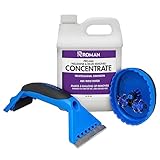
After you’ve scraped off as much as you can, you’ll likely have a thin film or splotches of glue left. This is where dedicated wallpaper glue removers come in handy. They are specifically formulated to break down the adhesive without damaging the drywall. Follow the product instructions, usually involving applying it, letting it sit, and then wiping or sponging it off.
Some people swear by Simple Green or TSP (trisodium phosphate – use with caution and proper PPE, it’s strong stuff) for this stage too. The key is patience and the right tools. (See Also: Can You Use Removable Wallpaper On Desk )
You’re looking for a solution that breaks down the adhesive, not one that grinds it into oblivion. Trying to sand it off is like trying to un-bake a cake; you’re just making a mess.
Tools That Actually Make Glue Removal Easier
Forget the sander for glue. Seriously. Let’s talk about what you should have in your arsenal. First up, a good wallpaper scoring tool. This little gadget has tiny, sharp wheels that create micro-perforations in the wallpaper (and the glue underneath). This allows your water/vinegar solution or wallpaper stripper to penetrate much more effectively. It’s a big deal, especially for vinyl or heavily coated papers. Then, you need a sturdy wallpaper scraper. I prefer ones with a long handle so I don’t have to bend over so much, and definitely one where you can easily swap out the blades. A sharp blade is important; a dull one will just tear the drywall paper.
For the actual glue residue, a dedicated wallpaper remover solution is your best bet. They’re designed to break down the adhesive. You apply it with a sponge or roller, let it dwell according to the instructions, and then wipe it away. I’ve found that a good quality sponge mop can also be useful for applying the solution and then wiping the wall clean afterwards. If you’ve got a really big job, renting a wallpaper steamer is also an option. The steam softens the glue and paper, making removal much easier. You’ll still need to scrape, but it’s a much gentler process. Here’s a quick rundown of what’s actually effective:
| Tool/Method | Verdict | Notes |
|---|---|---|
| Electric Sander | Avoid | Clogs sandpaper, smears glue, can damage drywall. |
| Wallpaper Scraper | Key | Use a sharp blade at a shallow angle. |
| Scoring Tool | Highly Recommended | Helps solutions penetrate stubborn glue. |
| Hot Water & Vinegar | Good Starter | Effective for loosening many adhesives. |
| Dedicated Wallpaper Remover | Best Option | Formulated to break down adhesive without wall damage. |
| Wallpaper Steamer | Good for Large Areas | Softens glue and paper for easier scraping. |
People Also Ask: Can You Use an Electric Sander to Remove Wallpaper Glue?
So, to directly answer the question: can I use an electric sander to remove wallpaper glue? Generally, no, it’s not a good idea. While it might seem like a powerful solution, electric sanders tend to clog up with the sticky residue, smear the glue, and can easily damage the underlying drywall paper due to heat and abrasion. It’s a method that often creates more problems than it solves, leading to frustration and a messier job.
What Is the Best Way to Remove Wallpaper Glue?
The best way to remove wallpaper glue involves a multi-step process focused on mechanical removal and softening the adhesive. Start by scraping off as much bulk glue as possible with a sharp wallpaper scraper. For stubborn residue, a solution of hot water and white vinegar or a dedicated wallpaper remover product applied with a sponge can help loosen it. After letting the solution soak, scrape again. Finally, wipe down the walls with a clean sponge and water to remove any remaining traces.
Does Hot Water and Vinegar Remove Wallpaper Glue?
Yes, hot water and white vinegar is a common and effective method for loosening wallpaper glue. The heat helps to soften the adhesive, and the vinegar acts as a mild solvent. Apply the mixture with a spray bottle or sponge, let it sit for a few minutes to penetrate the glue, and then proceed with scraping. It’s a safer and often more effective alternative to harsh chemicals for many types of wallpaper adhesive.
Can Tsp Remove Wallpaper Glue?
Trisodium phosphate (TSP) can be effective at removing stubborn wallpaper glue, but it should be used with caution. TSP is a strong cleaning agent that can strip finishes and is a skin and eye irritant, so always wear appropriate personal protective equipment (gloves, eye protection) and make sure good ventilation. Mix TSP with water according to the product’s instructions, apply it to the glue residue, let it sit, and then scrub or scrape it off. Always rinse the wall thoroughly afterward to remove all TSP residue.
How Do You Get Sticky Residue Off Walls After Wallpaper Removal?
Getting sticky residue off walls after wallpaper removal usually requires a specialized approach. You can try commercial wallpaper glue removers, which are designed to break down the adhesive without damaging the wall. Alternatively, a solution of warm water with a degreaser like Simple Green, or the hot water and vinegar mix mentioned earlier, can also help. Apply the chosen cleaner, let it dwell for a bit to soften the residue, and then gently wipe or scrub it away with a clean cloth or sponge. For very persistent residue, a light sanding with very fine-grit sandpaper after the wall is completely dry might be necessary, but be very careful not to damage the drywall paper.
Final Thoughts
So, can I use an electric sander to remove wallpaper glue? The short, blunt answer is: don’t. You’ll likely end up with a clogged sander, a gummy mess smeared all over your wall, and potentially damaged drywall. It’s a tempting shortcut, but it’s almost always the wrong path.
Stick to the proven methods: scraping, softening solutions like vinegar and water, and dedicated removers. It might take a bit more time and elbow grease, but you’ll end up with a smooth, clean surface ready for paint or new wallpaper, without the headache of trying to salvage a sanding job gone wrong.
Next time you’re facing that sticky aftermath, resist the urge to grab the power sander. Your sandpaper, your sanity, and your walls will thank you.