I remember the first time my basement flooded. It was less a gentle tide and more a full-blown invasion of murky water, smelling faintly of despair and old gym socks. My dad, bless his heart, had installed a sump pump years ago, and I just assumed it was… well, a sump pump. What else could it be?
Turns out, a whole lot. The idea that are all sump pumps the same is a myth I learned to despise the hard way. It’s like saying all cars are the same because they have four wheels and an engine. Spoiler alert: they are not, and neither are the machines designed to keep your basement dry.
This isn’t a corporate brochure; it’s the real deal, from someone who’s wrestled with these water-sucking gizmos.
How This Whole Gutter-to-Drain Thing Actually Works
At its core, a sump pump is a pretty simple device. It sits in a hole in your basement floor, called a sump pit, which is basically a fancy drain.
Water from your basement floor, or sometimes from a weeping tile system (those perforated pipes around your foundation), flows into this pit. When the water level in the pit gets high enough, it trips a float switch – think of it like the ball in your toilet tank, but for floodwater. This switch kicks on the pump motor, which then sucks the water out of the pit and pumps it away from your house through a discharge pipe.
Once the water level drops, the switch turns the pump off. Easy, right? Well, sometimes. The devil, as always, is in the details, and those details are where pumps start to differ wildly.
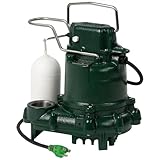
The type of pump matters. You’ve got submersible pumps, which are quieter and generally last longer because they’re cooled by the water they’re submerged in. Then there are pedestal pumps, where the motor sits above the pit on a long shaft. They’re usually cheaper and easier to access for maintenance, but they can be noisier and the motor can burn out faster if it overheats. I’ve had both. The submersible ones feel more solid, like they mean business, while the pedestal ones always made me a bit nervous, like a weak link waiting to snap.
The materials are another huge factor. Cheaper pumps often use plastic housings and impellers. While they might work fine for a while, if you’ve got heavy sediment in your water or it’s just a really demanding job, those plastic bits can wear down or crack. Metal, especially cast iron or stainless steel, is generally more durable. I once bought a super cheap plastic pump because I was being stingy, and it lasted exactly one heavy rainstorm before the impeller gave up the ghost. Felt like I threw $80 into a black hole. Then I spent $180 on a cast-iron model that’s been chugging along for three years, no complaints.
The pump’s horsepower (HP) is also a big deal. More HP means it can move more water, faster. For a small, dry basement that just needs a little backup, a 1/4 HP might be fine. But if you’ve got a real water problem, or a larger basement, you’ll want at least a 1/3 HP, and maybe even a 1/2 HP. Trying to save a few bucks by getting a weaker pump for a serious issue is like bringing a butter knife to a sword fight. You’ll get soaked, literally and figuratively.
What to Actually Look for (beyond the Shiny Box)
So, if they’re not all the same, what should you actually be looking for when you’re staring down a wall of sump pumps at the hardware store, or scrolling through a thousand options online? First off, forget the price tag alone. The cheapest option is rarely the best, and the most expensive isn’t always necessary. You need to match the pump to your specific situation. This means considering the size of your basement, how much water you typically get, and the quality of the construction.
Pay attention to the discharge outlet size. Most common are 1-1/4 inch or 1-1/2 inch. If your existing plumbing is set up for one size, you’ll want to match it, or be prepared to buy adapters.
A mismatch can restrict flow or cause leaks. Also, look at the maximum head height – that’s how high the pump can push water vertically. (See Also: Are All Big Pumpkin Seeds Edible )
If your discharge pipe has to go up a long way to reach outside, you need a pump with a sufficient head height rating. I learned this when my first replacement pump, a nice submersible one, struggled to push water up the extra few feet I’d added to my discharge line after a landscaping project.
It wasn’t faulty; it just wasn’t rated for that kind of lift.
The float switch is another point of contention. You’ve got tethered floats, which swing up and down, and vertical floats, which move up and down a rod. Vertical floats generally need less space in the pit and can be more reliable in tight spots, but tethered ones are pretty darn common and work fine in most situations. Some high-end pumps have electronic sensors instead of mechanical floats. These can be very accurate but add another layer of complexity – and potential failure points. I’ve always stuck with mechanical floats. If it ain’t broke, don’t fix it, right? Though I have heard horror stories about electronic sensors failing.
Here’s a little table I put together based on my own trial and error. It’s not exhaustive, but it covers the basics of what I look for:
| Feature | What to Look For | My Verdict |
|---|---|---|
| Material | Cast Iron or Stainless Steel (for motor housing and impeller) | Plastic is a gamble. Metal feels like it’ll last. |
| Horsepower (HP) | 1/3 HP minimum for most homes; 1/2 HP for larger areas or higher water tables. | Don’t skimp here if you have real water issues. |
| Float Switch Type | Vertical or tethered mechanical float (simpler is better for me). | Electronic sensors are fancy, but I trust a good old-fashioned float. |
| Discharge Outlet | Match your existing plumbing (usually 1-1/4″ or 1-1/2″). | Always double-check before buying. |
| Warranty | At least 1-3 years. | Shows the manufacturer has some faith in their product. |
Common Sump Pump Mistakes That Cost You Money
You’d think buying a sump pump is straightforward, but so many people mess it up. It’s usually because they don’t understand the basics or they’re just trying to grab the cheapest thing available. The biggest mistake? Buying a pump that’s too small for the job. I’ve seen people install tiny 1/4 HP pumps in basements that are basically swimming pools after a heavy rain. It’s a recipe for disaster. The pump runs constantly, overheats, and dies a premature death. Then they have to buy another one, and another. That cheap pump ends up costing more in the long run.
Another common blunder is improper installation. I’m not talking about needing a plumber for every single one, but a few things are vital. The sump pit itself needs to be the right size and depth. If it’s too small, the float switch can get stuck, or the pump can cycle on and off too rapidly, which is called ‘short-cycling’ and it’s terrible for the motor. The discharge pipe needs to be routed correctly, with a proper check valve to prevent water from flowing back into the pit when the pump shuts off. A check valve is a must, folks. Without it, you’re just pumping water in circles.
I once saw a guy who just routed his discharge pipe straight out his basement window. Looked like a garden hose stuck out there. First off, it’s ugly. Second, it’s lazy. Third, in freezing weather, that hose is going to freeze solid, and then your pump has nowhere to go. Backup water will fill the pit, and guess what? Your pump will try to pump against a frozen pipe, burn out, and your basement will flood. It’s a domino effect of poor planning. Always make sure your discharge line is properly installed and has a way to drain away from your foundation, ideally below the frost line if you live in a cold climate.
People also forget about maintenance. They install it and then completely forget it exists until the water starts rising.
These things need to be checked on periodically. You should at least pull the float switch up to make sure the pump turns on, and then let it run for a bit to make sure it’s pumping water out. Clear out any debris that might have fallen into the pit.
It takes maybe five minutes. Skipping this basic check is how you end up with a useless pump when you need it most. I’ve heard plenty of people say, “My sump pump failed!”
when in reality, it just got clogged with leaves or the float switch got wedged by some junk. It’s not the pump’s fault; it’s neglect. (See Also: Am I Legally Required To Install A Sump Pump )
People Also Ask:
Do I Need a Battery Backup for My Sump Pump?
Yes, absolutely. Power outages happen, and they often happen during storms when your sump pump is working overtime. A battery backup system (or a water-powered one) is a lifesaver. It means your pump can keep running even when the power is out, preventing basement flooding. It’s a relatively small investment compared to the cost of water damage. I’ve seen power go out right when the rain is heaviest, and without the backup, my basement would have been toast.
Can Sump Pump Noise Be Reduced?
Yes, there are a few ways. Submersible pumps are generally quieter than pedestal pumps. Installing a rubber mat under the pump can help absorb vibrations. Make sure the pump itself isn’t rattling against the sides of the pit – sometimes a bit of foam insulation or a strategically placed block can help. Also, check that the discharge pipe isn’t vibrating against anything. A well-maintained pump in a properly sized pit is usually not excessively loud, but some background hum is normal.
My Real-World Sump Pump Experiences
I’ve had my share of sump pump woes. The first time I bought a replacement, I went for the absolute cheapest one I could find. It looked decent enough, about 1/3 HP, cast iron body. I installed it, felt smug about saving money, and promptly forgot about it.
Fast forward about six months, we had a freak thunderstorm. The power went out. Within an hour, I had about two inches of water in the basement. The cheap pump, it turned out, had a float switch that was way too sensitive.
It would get knocked by the slightest ripple in the water and shut off, then come back on seconds later. It was short-cycling itself to death, and when the power finally flickered back on, it was a burnt-out husk. Lesson learned: not all cast iron is created equal, and sensitivity can be a killer.
My next adventure involved a pump that was too powerful for its pit. It was a beast, 1/2 HP, and it could empty the pit in about 10 seconds flat.
The problem? It would empty it so fast that the float switch wouldn’t have enough time to drop before the pump was sucking air. This, again, leads to short-cycling. So, I had to get a bigger pit dug, or install a slightly less powerful pump.
I opted for a good quality 1/3 HP submersible with a vertical float, which takes longer to empty the pit, allowing the float ample time to reset. It’s a much smoother, more reliable operation. It just goes to show that ‘more power’ isn’t always the answer; it’s about the right balance.
One of the most annoying things I’ve encountered is a pump that seems to work fine, but then you discover the discharge pipe is clogged somewhere in the wall. Water backs up, the pump runs constantly, and you’re left scratching your head. This is why regular checks and clear discharge paths are so important. I once spent an entire afternoon tracing a pipe, convinced the pump had failed, only to find a bird’s nest blocking the exit outside. A silly problem, but a costly one if I hadn’t found it.
It’s also worth mentioning that some pumps come with built-in alarms, which can be a godsend. If the water level gets too high and the pump isn’t keeping up, or if the pump itself fails, the alarm will sound. I’ve seen these in higher-end models, and while they add to the cost, the peace of mind is undeniable. If you’re frequently worried about water, it might be worth the extra dough. I’ve been tempted to rig up my own alarm system, but haven’t gotten around to it.
Practical Tips for Sump Pump Longevity
So, you’ve bought a decent pump, installed it properly, and you want it to last. What else can you do? Regular testing is number one. I do a quick test every few months, and a more thorough one at the start of the rainy season. Just lift the float switch and let it run for a minute. Listen to it. Does it sound normal? Is water coming out of the discharge pipe with good force? If anything sounds off, get it checked out. Don’t wait until you see water pooling in the basement. (See Also: Are Big Mac Pumpkins Hybrids )
Keep the sump pit clean. This is important. Debris like dirt, sand, small rocks, and bits of leaves can wash into the pit. Over time, this can clog the pump’s intake screen or even damage the impeller. If you have a basement that tends to get dusty or collect debris, you might want to invest in a sump pit cover. These keep junk out and also reduce odors and noise. Make sure the cover allows easy access to the pump and float switch, and that it’s properly sealed to prevent water vapor from escaping into your basement air.
Consider a backup system. I cannot stress this enough. Whether it’s a battery backup, a water-powered backup, or even a generator that can power your primary pump, having a backup is key. Power outages are common during storms, which is exactly when your sump pump is working the hardest. A dead pump during a flood is a homeowner’s nightmare. Battery backups are relatively easy to install and maintain. You just need to check the battery’s water level (if it’s a flooded battery) or the charge level periodically. A water-powered backup uses your home’s water pressure to run a secondary pump, but they can use a lot of water and might not be suitable for areas with low water pressure.
Finally, educate yourself on your specific pump model. Read the manual. Understand its limitations. If it’s rated for intermittent duty, don’t expect it to run 24/7 for days on end without issue. Know the warranty details. If something goes wrong, you want to know if you’re covered. I’ve seen people get frustrated with pumps because they were using them outside their intended parameters, not realizing the manual clearly stated what it was designed for. It’s not about blaming the pump; it’s about understanding its capabilities.
Faq: Your Sump Pump Questions Answered
Are All Sump Pumps the Same?
No, absolutely not. Sump pumps vary significantly in their construction materials (plastic vs. metal), horsepower (HP), float switch mechanisms (tethered, vertical, electronic), discharge sizes, and maximum head height. These differences impact their performance, durability, noise level, and suitability for different basement conditions and water flow rates. Choosing the right pump involves matching its specifications to your specific needs.
What Size Sump Pump Do I Need?
The size, or horsepower (HP), you need depends on the volume of water you expect and the lift required to discharge it. For most average-sized homes with moderate water issues, a 1/3 HP pump is often sufficient. However, if you have a larger basement, a higher water table, or need to pump water a significant vertical distance, a 1/2 HP or even a larger industrial pump might be necessary. It’s better to slightly oversize than undersize.
How Often Should a Sump Pump Run?
A properly sized and functioning sump pump should run intermittently, cycling on only when the water level in the sump pit rises to a certain point and off when it’s pumped out. If your pump is running constantly, it might be too small for the amount of water entering the pit, the pit is too small, or there’s an issue with the discharge line or check valve. Constant running can lead to premature wear and motor failure.
What Is the Average Lifespan of a Sump Pump?
The lifespan of a sump pump can range from 5 to 15 years, but this is highly dependent on the quality of the pump, how often it runs, and maintenance. Higher-quality pumps made from durable materials like cast iron and those that run less frequently (due to proper sizing and a well-maintained pit) tend to last longer. Regular maintenance, such as keeping the pit clean and testing the pump, can also extend its life.
Should My Sump Pump Be Submersible or Pedestal?
Submersible pumps are generally preferred for their quieter operation, longer lifespan (as the motor is cooled by water), and protection from basement dust and moisture. Pedestal pumps, where the motor is mounted on a shaft above the pit, are often cheaper and easier to access for maintenance but can be noisier and more prone to overheating or damage from ambient basement conditions. For most homeowners, a submersible pump is the better choice for reliability and longevity.
Conclusion
So, are all sump pumps the same? Absolutely not. They are as different as a bicycle and a dump truck, and choosing the wrong one can lead to a world of soggy, expensive misery. Don’t let the sticker price be your only guide. Think about your basement, your water problem, and your peace of mind.
My biggest takeaway from years of dealing with basement water is that a little upfront research and investment in a quality, properly installed pump will save you a fortune and a lot of headaches down the line. Get the right one, take care of it, and it’ll take care of you.
If you’re staring at a flooded basement right now, take a breath. Then, go find a good quality submersible pump with a cast-iron body and a reliable float switch. And for goodness sake, get a battery backup.