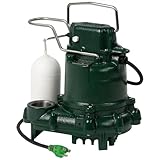
I remember the first time my basement flooded. It was a monsoon outside, and next thing I know, I’m ankle-deep in murky water. Panicked, I rushed to the hardware store, grabbed the first pump I saw, and shoved it in. Turns out, not all sump pumps are created equal, and definitely not all are submersible. This whole question, ‘are all sump pumps submersible,’ is something a lot of folks wrestle with when disaster strikes. It’s not as simple as you might think, and the wrong choice can cost you big time, both in money and in a soggy mess.
What Exactly is a Sump Pump?
Okay, let’s get down to brass tacks. A sump pump’s job is pretty straightforward: it’s a pump placed in a sump pit (a hole dug in your basement floor, usually lined with gravel) designed to remove water that accumulates there. Think of it as your basement’s little guardian against unwanted floods. The water that seeps into the ground around your foundation is directed by drain tiles into this pit. When the water level in the pit reaches a certain point, it triggers the pump, which then shoots the water away from your house through a discharge pipe. Without one, that water would just keep rising, turning your basement into an indoor swimming pool you definitely didn’t ask for.
Now, the big question everyone’s asking, and the reason you’re here: are all sump pumps submersible? The short, blunt answer is no. Not by a long shot. You’ve got two main types: submersible and pedestal (or ‘sump pump outside the pit’).
It’s not just a fancy name; it’s about how they’re designed to operate. The submersible ones are built like little underwater tanks. They have a sealed motor housing that’s designed to be fully submerged in the water. This means the entire pump unit sits down in the sump pit with the water.
Pedestal pumps, on the other hand, have their motor mounted on a long shaft that sticks up above the water level, with the pump itself (the part that actually moves water) submerged in the pit. The motor is up in the dry air, and the shaft connects it to the impeller down below.
I’ve seen people try to make do with the wrong type, and it’s always a headache. Once, a buddy of mine inherited an older house with a basement that had a dry pit, meaning the pump wasn’t sitting in water all the time. He figured he could just buy any old pump to replace it. He ended up with a non-submersible type that was meant to sit next to the pit.
It worked, sort of, but it was loud, vibrated like crazy, and died within a year. The lesson learned?
The design of the pump is tied to its environment. Submersible pumps are designed for continuous submersion and are generally quieter and more efficient because the water cools the motor. Pedestal pumps are often less expensive upfront, but they can be noisier and their motors are more exposed to dust and moisture over time, potentially shortening their lifespan.
Why Submersible Pumps Are Usually the Go-To
If you’re wondering whether you need a submersible pump, the answer is probably yes. For most homeowners dealing with potential basement flooding, a submersible sump pump is the superior choice, and here’s why.
First off, they’re built to last longer in their intended environment. When the motor is sealed and submerged, it’s constantly cooled by the water. This prevents overheating, which is a common killer of pumps.
Think about it – if a motor is working hard, it generates heat. If it’s surrounded by water, that heat dissipates easily.
A pedestal pump’s motor is in the air, and while it’s not directly in the water, it doesn’t get that same cooling effect. Over long periods of operation, especially during heavy rain events, that motor can get pretty toasty.
Another big plus for submersible pumps is noise. Because the motor is sealed inside the pump housing and the whole unit is submerged, they are significantly quieter than pedestal pumps. You might hear a gentle hum or the sound of water being pushed, but that annoying grinding or loud buzzing you can get from a pedestal pump is usually absent. (See Also: Are Pumpkin Seed Husks Edible )
This is a big deal if your sump pit is in a living space or a frequently used area of the basement. I had a neighbor who installed a pedestal pump, and you could hear it kick on from upstairs every time it rained. It was enough to make you jump.
He eventually replaced it with a submersible, and the difference was night and day. Plus, submersible pumps are generally more efficient.
The impeller, the part that actually flings the water out, is often designed to work more effectively when fully submerged, leading to better water removal.
The design also makes them more reliable in tough conditions. The sealed housing protects the motor from dust, debris, and moisture that might accumulate around the pit. This is especially important in older homes or basements that aren’t perfectly clean. The pump is basically self-contained and operates in its own little water world.
When you’re trying to decide between the two, and if your budget allows, I’d always lean towards submersible. The initial cost might be a tad higher, but the long-term benefits in terms of quiet operation, durability, and peace of mind are well worth it. Plus, you don’t have to worry about the motor getting accidentally splashed or exposed to humidity, which can lead to electrical issues down the line. So, when asking are all sump pumps submersible, remember that for most homes, the submersible option is the one you’ll want to look at seriously.
Pedestal vs. Submersible: A Real-World Showdown
Let’s break down the differences in a way that actually matters when you’re standing there with water creeping up your leg. It’s not just about where the motor sits; it’s about performance, cost, and longevity. I’ve had both in my time, and my experience has definitely steered me towards one camp.
| Feature | Submersible Sump Pump | Pedestal Sump Pump | My Verdict |
|---|---|---|---|
| Motor Location | Sealed inside the pump, submerged in water. | Mounted on a shaft above the pit, in the air. | Submersible motor is better protected and cooled. |
| Noise Level | Generally much quieter. | Can be significantly noisier; motor whine is common. | Submersible wins for peace and quiet. |
| Cooling | Water cools the motor directly. | Relies on air cooling; motor can get hotter. | Submersible is more efficient at heat dissipation. |
| Durability | Often more durable due to sealed design and cooling. | Motor is exposed to more dust and humidity, potentially shorter lifespan. | Submersible likely lasts longer. |
| Maintenance/Access | Requires pulling the entire unit out for repairs. | Motor is easier to access, but pump end can be tricky. | Both have their quirks; submersible is a bit more hassle to inspect. |
| Cost | Typically higher initial cost. | Often less expensive upfront. | Pedestal is cheaper, but I’d pay extra for submersible. |
| Typical Lifespan | 5-15 years, depending on usage and quality. | 3-10 years, often shorter due to motor exposure. | I’ve seen submersible pumps go longer. |
I once bought a cheap pedestal pump because my budget was super tight after a different home repair. It was incredibly loud, and every time it kicked on, my dog would freak out. Within two years, the motor started making a terrible grinding noise, and I had to replace the whole thing.
That’s when I learned my lesson: spending a bit more upfront on a submersible pump saved me money and headaches in the long run. It was a painful, noisy lesson, but a valuable one.
The common advice to just get the cheapest option is often the worst advice you can follow for a important piece of equipment like this. You’re not just buying a pump; you’re buying insurance against a flooded home, and that’s not something to skimp on.
Common Mistakes People Make (and How to Avoid Them)
The biggest mistake I see people make, hands down, is assuming are all sump pumps submersible and then buying the wrong type for their setup, or worse, buying a pump that’s not powerful enough. It’s like buying a tiny garden hose to fight a wildfire.
You need the right tool for the job. This often happens when someone buys a house with an existing sump pump system and doesn’t fully understand it, or when they’re in a panic during a flood and grab whatever’s available. I made this mistake myself early on; I bought a pump that looked good on paper but had a low Gallons Per Hour (GPH) rating. When we had a really heavy downpour, it just couldn’t keep up.
The water level in the pit stayed high, and I was sweating bullets, half expecting it to breach the pit walls. I had to run out and get a bigger, more powerful one the next day. (See Also: Are Pumpkin Seed Acid Or Alkaline )
Another common error is improper installation. Even a great submersible pump can fail if it’s not installed correctly. This can mean the float switch gets hung up, preventing the pump from turning on, or the discharge pipe is kinked, stopping water flow.
I’ve seen folks just toss the pump into the pit without making sure it’s stable. If the pump is tilted, the intake can suck up more debris, and it won’t operate efficiently. You also need to make sure the discharge pipe directs water far enough away from your foundation. If the water just drains back towards the house, you haven’t solved anything.
Always make sure the discharge outlet is at least 20 feet from your home, and preferably directed downhill.
Don’t forget about power. Sump pumps need electricity, and if your power goes out during a storm (which is often when you need them most), you’re back to square one. Many people don’t consider a battery backup system.
It might seem like an extra expense, but it’s a lifesaver. I learned this the hard way too. During a lengthy power outage caused by a hurricane, my primary pump was useless.
Luckily, the water wasn’t too high, but it was a stark reminder. Investing in a battery backup or even a water-powered backup (though those can be complex) is often a wise move. Checking the pump regularly, at least a couple of times a year, is also key.
Just pour a bucket of water into the pit to test it. Listen for odd noises, check for vibration, and make sure it cycles on and off correctly. It takes five minutes and can save you thousands.
Key Features to Look for in a Submersible Pump
Alright, so you’ve decided you need a submersible pump – smart move. Now, what should you actually look for when you’re staring at a wall of them at the store or scrolling online? Don’t just grab the shiny one. First up is the Gallons Per Hour (GPH) rating.
This tells you how much water the pump can move in an hour at a specific ‘head height’ (how high it has to push the water). A common recommendation for a standard home is a pump with at least 3,000-4,000 GPH at a 10-foot head. If you have a larger home, a deeper basement, or experience frequent heavy rainfall, you might need 5,000 GPH or more. Always check the pump’s performance chart for different head heights; a pump rated for 5,000 GPH at 0 feet might only do 3,000 GPH at 10 feet.
Next, consider the material. Most good submersible pumps are made of cast iron or stainless steel. These are durable, corrosion-resistant, and can handle the harsh environment of a sump pit.
Avoid plastic pumps if you can, especially for your primary pump. They’re cheaper, sure, but they tend to crack, warp, or break much more easily, especially with temperature fluctuations. The motor horsepower is also important, but don’t automatically think bigger is always better. A 1/2 HP pump is usually sufficient for most homes.
Going too big can sometimes lead to the pump cycling on and off too quickly, which can shorten its lifespan. The switch type is another factor. Look for a vertical float switch, which generally has a longer lifespan and is less prone to getting stuck than a tethered float switch, especially in smaller pits. (See Also: Are Organic Pumpkin Seeds From China Bad )
Some advanced models have electronic sensors, which can be very reliable but are also more expensive.
Finally, think about the discharge outlet size. Most standard pumps have a 1.5-inch or 2-inch outlet. Make sure this matches the size of your discharge pipe to avoid restrictions.
Also, check for features like a built-in check valve, which prevents water from flowing back into the pit when the pump turns off. Some pumps come with one, others you buy separately. And of course, look at the warranty.
A longer warranty (3-5 years) often indicates the manufacturer has confidence in their product’s durability. Read reviews, but take them with a grain of salt.
Focus on reviews that mention longevity and reliability in situations similar to yours. Remember, the goal is a pump that’s powerful enough, durable, and reliable for your specific needs. So, to reiterate the core of our discussion, no, not all sump pumps are submersible, but for reliable basement protection, submersible is usually the way to go.
Faq: Your Sump Pump Questions Answered
What Happens If My Sump Pump Is Not Submersible?
If your sump pump is not submersible, it means its motor is designed to stay dry, usually mounted on a pedestal above the water level. This type of pump is generally less efficient in continuous operation and more susceptible to wear and tear from dust and humidity. If it’s not properly installed or maintained, or if the water level rises too high, it can fail, leaving your basement vulnerable to flooding.
Can I Use a Non-Submersible Pump in a Flooded Basement?
Technically, yes, you can use a non-submersible pump if it’s designed for that specific setup, but it’s not ideal for a deep flood. Non-submersible pumps are typically meant for shallower water or intermittent use. If your basement is significantly flooded, a submersible pump is far more suited to handle the volume and duration of water removal required.
How Often Should I Test My Submersible Sump Pump?
You should test your submersible sump pump at least twice a year, ideally in the spring and fall. A simple test involves pouring a bucket of water into the sump pit to raise the water level and trigger the pump. Listen to its operation, check for smooth activation and shut-off, and make sure water is being discharged effectively away from your home.
What Is the Average Lifespan of a Submersible Sump Pump?
The average lifespan of a submersible sump pump can range from 5 to 15 years. This varies greatly depending on the quality of the pump, how frequently it’s used, the presence of debris in the water, and how well it’s maintained. Proper installation and regular testing can help extend its life.
Do I Need a Battery Backup for My Sump Pump?
It’s highly recommended to have a battery backup system for your sump pump, especially if you live in an area prone to power outages during storms. Since floods often coincide with power loss, a backup system makes sure your pump continues to operate and protect your basement when you need it most.
Final Verdict
So, to circle back to the main point: are all sump pumps submersible? Absolutely not. You’ve got submersible and pedestal types, each with their own pros and cons. For most homeowners looking for reliable, long-term basement protection, the submersible pump is usually the way to go. They’re quieter, more durable, and better cooled. Don’t get caught out by a cheap, undersized, or wrong-type pump when disaster strikes. Take the time to understand your needs and choose wisely.
My advice? Do your homework before you need to. Check your existing setup, understand your basement’s water issues, and then invest in a quality submersible pump with adequate GPH for your situation. And for goodness sake, think about that battery backup. It’s like wearing a seatbelt; you hope you never need it, but you’re damn glad it’s there if you do.
If you’re due for an upgrade or installing a new system, make sure the pump you select is indeed submersible. It’s a small detail that makes a world of difference when the water starts rising.