
I’ve lost count of the times a tiny screw has popped out of my reading glasses, usually right when I need them most. Frustrating, right? It makes you wonder, are all glasses screws the same? I used to think so, grabbing whatever looked vaguely similar from my junk drawer. Big mistake. A really, really expensive mistake.
After fiddling with countless ill-fitting screws that stripped out, got lost, or just wouldn’t hold, I learned the hard way that this is one of those ‘simple’ DIY tasks where details matter. A lot.
Why You Can’t Just Grab Any Old Screw for Your Specs
Let’s get this out of the way upfront: no, absolutely not, are all glasses screws the same. Anyone who tells you otherwise has likely never actually tried to fix their own glasses, or they’ve been incredibly lucky.
The difference between a screw that works and one that’s just… there… is immense. I learned this the hard way with a pair of titanium frames that cost more than my first car.
One day, the hinge screw went missing. I figured, ‘No biggie, I’ve got a whole box of tiny screws from some old electronics.’ I found one that fit the hole.
Or so I thought. It went in, seemed snug, and I went about my day. Within 48 hours, the hinge was wobbly, the screw head was stripped to oblivion, and the lens was practically falling out. Turns out, that ‘universal’ screw was made of softer metal and had a slightly different thread pitch.
It chewed up the threading in the frame itself. I ended up having to pay a specialist $75 to fix the stripped hole, which involved re-tapping it and using a slightly larger, custom screw. $75 for something I thought would cost me a nickel.
Never again.
The common advice you’ll find online, often from people who clearly haven’t wrestled with this issue themselves, is that most eyeglass screws are pretty standard. They’ll tell you to look for things like ‘micro-screws’ or ‘precision screws.’ While that’s a starting point, it’s like saying all cars need ‘wheels.’ True, but not helpful when you’re trying to figure out which wheel fits your specific make and model. Eyeglass screws come in a surprising variety of lengths, diameters, thread types, and head styles, all designed to work with specific frame materials and hinge mechanisms.
The Material Matters, Too
Even the metal the screw is made from is a big deal. Cheaper screws, or those not designed for eyewear, might be made from softer alloys that can easily strip or even corrode over time, especially if they come into contact with sweat or moisture. High-quality eyeglass screws are typically made from stainless steel, brass, or sometimes titanium, chosen for their durability, resistance to corrosion, and ability to hold a tight fit without damaging the frame. The wrong material can also cause an allergic reaction on your skin if you have sensitive skin and the screw is in constant contact with it.
So, when you’re looking for a replacement, don’t just eyeball it. You need to consider the specifics of your frames. This isn’t a one-size-fits-all situation, and thinking it is will cost you time, money, and a whole lot of frustration.
Understanding the Anatomy of an Eyeglass Screw
Alright, let’s break down what actually makes up these tiny devils. It’s not rocket science, but understanding the parts will help you avoid buying the wrong ones. First, you’ve got the head. (See Also: How To Fix Eyeglasses Arm Without Screw )
This is the part you see on the outside of the hinge. They come in different shapes: Phillips (the cross shape), flathead (a single slot), or sometimes a Torx (star shape, less common on glasses but seen on some tech). The Phillips head is the most common for glasses because it offers better grip for small screwdrivers. The size and shape of the head are important; it needs to sit flush against the frame or temple arm without snagging on anything or looking out of place.
A head that’s too large won’t seat properly, and one that’s too small might not provide enough surface area for the screwdriver.
Then there’s the shank, which is the body of the screw. This is where the threading happens. The thread pitch – how far apart the threads are – is absolutely important. Eyeglass frames, especially metal ones, have finely machined threads. Using a screw with the wrong pitch will either not thread in at all, or worse, it will strip the threads in the frame. Think of it like trying to screw a wood screw into a metal nut; it just won’t work smoothly or securely. The diameter of the shank is also important. Too thick, and it won’t fit the hole; too thin, and it won’t engage the threads properly or will be too weak.
Finally, there’s the tip. Most eyeglass screws have a blunt or slightly rounded tip. This is because they’re usually screwing into a threaded insert or directly into a metal frame where the threads are pre-formed. You don’t want a sharp, self-tapping tip like you’d find on a drywall screw. The length of the screw is also a factor. It needs to be long enough to engage a good number of threads in the frame for a secure hold, but not so long that it protrudes unnecessarily or interferes with the movement of the hinge. A screw that’s too long can rub against the lens or the frame itself, causing damage or discomfort.
Different Frame Materials, Different Needs
The material of your frames plays a huge role in what kind of screw you need. For metal frames (like aluminum, titanium, or stainless steel), the screws often thread directly into the frame itself or into a small threaded barrel.
These require precise thread matching. For plastic frames, the screws usually thread into a tiny metal insert embedded within the plastic.
These inserts can be delicate. Using the wrong screw, or forcing it, can crack the plastic around the insert. I’ve seen it happen. My buddy Dave once tried to tighten a loose screw on his plastic Wayfarers with a screwdriver that was a hair too big.
He ended up cracking the plastic right around the hinge. Looked like a spiderweb. Cost him $150 for new arms.
When you’re trying to figure out what you need, the best bet is to look at the original screw if you still have it. If not, take your glasses to an optician. They have a magnifying visor and can tell you precisely what type of screw you need. It’s usually free advice, and it saves you the headache of guessing.
What to Look for: Identifying the Right Eyeglass Screw
So, you’ve got a loose screw. What’s the first thing you should do? Resist the urge to grab the nearest tiny screw from your toolbox. Instead, try to identify the type of screw you need. The easiest way, if you still have the original screw, is to compare it directly to a known standard. Many eyeglass repair kits come with a handy chart or a collection of different sizes and types of screws. These kits are usually your best bet for a DIY repair.
When choosing a screw, pay attention to these key features: (See Also: How Measure Metric Computer Screws )
- Diameter: This is the thickness of the screw’s shank. Eyeglass screws are typically very thin, often measured in millimeters (e.g., 1.0mm, 1.2mm, 1.4mm).
- Length: Measured from under the head to the tip. You want a screw that’s long enough to securely engage the threads but not so long that it pokes out.
- Thread Type: This is often the trickiest part. Eyeglass screws have very fine threads, often specific to eyewear. You can’t just swap a computer screw for a glasses screw, even if the diameter seems similar.
- Head Type: As mentioned, Phillips is most common. Make sure the screwdriver bit you have fits snugly into the head without slipping.
A good eyeglass repair kit will usually have a variety of sizes. My personal favorite kits come with a small sorting tray and a multi-headed precision screwdriver. These kits are relatively inexpensive, often under $20, and can save you a fortune in optician fees. I keep one in my desk drawer and another in my travel bag. It’s the kind of tool that you don’t think you need until the exact moment you do.
If you can’t get your hands on a kit, or you need a very specific type of screw for a high-end frame, your best bet is to visit an optical shop. They have specialized tools and a wide selection of genuine replacement parts. They can often identify the screw you need by sight and even install it for you while you wait. It might cost a few dollars, but it guarantees the right fit and avoids potential damage to your frames.
There are also online resources and specialized eyewear parts suppliers. These can be great if you know exactly what you’re looking for, but be cautious. Photos can be deceiving, and you might end up with a batch of screws that don’t quite fit. Always check reviews and return policies if you’re buying online.
Common Mistakes and How to Avoid Them
I’ve made my fair share of blunders when it comes to fixing my own glasses. The most common mistake, by far, is assuming that any tiny screw will do. I’ve already told you about the titanium frame incident. Another classic error is using the wrong size screwdriver. If the screwdriver isn’t a perfect fit for the screw head, you’ll strip the head. This makes it incredibly difficult, if not impossible, to remove the screw later or to get a new one in properly. It’s like trying to turn a stubborn bolt with a wrench that’s too big – you just round off the edges.
I remember one time I was trying to fix a pair of sunglasses that had a very small Phillips head screw. I only had a standard-sized Phillips screwdriver. I tried to force it, and sure enough, I mangled the screw head. My sunglasses were unusable for weeks until I finally found a tiny jeweler’s screwdriver that fit. That experience taught me the value of having the right tools. A good set of precision screwdrivers, often found in electronics repair kits or dedicated eyeglass repair kits, is a must-have.
Another mistake is overtightening. You might think that the tighter the screw, the more secure the hinge will be. Not true. Forcing a screw can strip the threads in the frame or the embedded insert, or it can even crack the plastic. You want the screw to be snug, not cranked down with all your might. The hinge should move freely but without wobble. If you feel significant resistance when tightening, stop. You’re likely cross-threading or damaging something.
The Table of Tiny Terrors (and Fixes)
Here’s a quick rundown of common screw issues and what to do:
| Problem | Cause | Solution | My Verdict |
|---|---|---|---|
| Screw Keeps Falling Out | Wrong thread pitch, screw too short, worn threads in frame | Try a screw with a slightly larger diameter or longer length. If frame threads are worn, consider a professional re-thread or glue (last resort). | Try a repair kit first. If that fails, go to an optician. Don’t mess with glue unless you’re desperate. |
| Stripped Screw Head | Wrong screwdriver size, overtightening, soft screw material | Use the correct size precision screwdriver. Try a rubber band trick (place it between screwdriver and screw head) for extra grip. If completely stripped, you might need specialized extractor tools or professional help. | That rubber band trick is surprisingly effective for mild stripping. For bad jobs, it’s time for the pros. |
| Screw Won’t Go In | Wrong diameter, wrong thread pitch, cross-threading | Double-check measurements and thread type. Make sure you’re starting the screw straight. If it’s a metal frame, make sure no debris is in the threaded hole. | Be patient. If it doesn’t thread in easily, stop. Forcing it will cause damage. |
| Cracked Plastic Frame | Overtightening, wrong screw size/type, forcing a screw | Professional repair is usually needed. Sometimes a very careful application of super glue can stabilize it, but it’s risky. | This is usually a DIY-fail territory. Take it to an optician before you make it worse. |
Real-World Use: Fixing My Go-to Reading Glasses
My daily drivers are a pair of fairly inexpensive but sturdy metal-framed reading glasses. They’re nothing fancy, but they work. About six months ago, the screw on the right hinge started loosening up. It was that familiar wobble, and I knew if I didn’t address it, it would get worse. I remembered my near-disaster with the titanium frames and decided to approach this properly. I pulled out one of those generic eyeglass repair kits I’d bought on a whim at the drugstore a year ago.
The kit had a small plastic case with compartments filled with tiny screws of various sizes and a little multi-tip screwdriver. I took out the loose screw from my glasses and compared it to the screws in the kit. It took a minute, but I found a screw that looked identical in length and diameter. The head was also a Phillips type. I chose a screwdriver tip from the kit that fit perfectly into the screw head. No wiggle room, no slop.
I carefully inserted the new screw into the hinge. It threaded in smoothly, which was a good sign. I tightened it until it felt snug. Not tight, but firm. I tested the hinge – it swung freely, and there was no wobble. I gave it a few more gentle turns, and it felt solid. I wore them for the rest of the day, and the hinge remained perfectly stable. It’s been six months since then, and that screw hasn’t loosened up once. It was a simple fix, but because I took the time to identify the right screw and use the correct screwdriver, it was a successful one.
This experience reinforced for me that while the concept of replacing a tiny screw seems trivial, the execution requires attention to detail. It’s not just about finding a screw; it’s about finding the screw. The ones in a good quality eyeglass repair kit are designed for this purpose, and that’s why they work. They use appropriate metals, thread pitches, and sizes that match the delicate construction of most eyewear. It’s the difference between a quick, effective fix and a temporary patch that will likely fail. (See Also: How To Adjust Eyeglass Screw )
The Practicality of Eyeglass Repair Kits
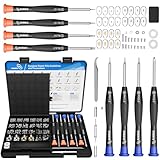
Let’s talk about eyeglass repair kits, because honestly, they are the unsung heroes of the DIY eyewear world. If you own a pair of glasses, reading glasses, or sunglasses, you should own one of these. Period. I’m not talking about some fancy, high-end kit; a basic, inexpensive one from a drugstore or online retailer is perfectly adequate for most people. These kits typically contain a selection of the most common screw sizes and types used in eyewear, along with a small, often interchangeable, precision screwdriver. Some even include tiny tweezers and nose pad adjustments.
The beauty of these kits lies in their convenience and the fact that they’ve done the hard work of figuring out what sizes are most commonly needed. While not every single screw ever made for glasses will be in there, the vast majority of common replacements are. This means you can usually find a match for a lost or broken screw without having to measure, guess, or go to an optician. For me, it’s about having that immediate solution when a screw pops out at the most inconvenient moment.
I’ve saved myself countless trips to the optometrist and the associated fees just by having one of these kits handy. I’ve had friends borrow mine and be eternally grateful, often admitting they’d have just bought new glasses if they hadn’t had my little kit.
When buying a kit, look for one that specifies it’s for ‘eyeglass’ or ‘spectacle’ repair. Avoid generic ‘mini screw’ kits unless they explicitly state they include eyeglass sizes. Check for stainless steel screws, as they’re less likely to rust or cause skin irritation. The screwdriver should have a comfortable grip and multiple small bits (Phillips, flathead). Some kits even come with a little magnifying glass, which is a nice touch for older eyes or really tiny screws.
My personal recommendation? Get a kit with a clear, compartmentalized case. This makes it easy to see what you have and to put things back where they belong. Losing tiny screws inside the case is just as frustrating as losing them from your glasses. For about $10-$20, you can get a kit that will likely pay for itself within the first year of owning glasses. It’s a small investment for a huge amount of peace of mind and convenience. Seriously, if you’re still reading this and don’t have one, go buy one. Now.
People Also Ask
What Size Are Eyeglass Screws?
Eyeglass screws are typically very small, with diameters ranging from about 1.0mm to 1.6mm. The length also varies, usually from 4mm to 10mm, depending on the frame design. The thread pitch is also specialized for eyewear, meaning standard hardware store screws won’t fit. It’s best to use a dedicated eyeglass repair kit that provides a variety of common sizes.
Can I Use Super Glue to Fix My Glasses Screw?
While tempting, super glue is generally a terrible idea for fixing eyeglass screws. It can permanently bond parts that need to move, like hinges, and it can permanently damage plastic frames or coatings. If a screw hole is stripped, super glue might hold for a short while, but it’s messy and risky. It’s far better to find the correct screw or have the frame professionally repaired.
How Do I Remove a Stripped Eyeglass Screw?
Removing a stripped eyeglass screw can be tricky. First, try using a rubber band between the screwdriver and the screw head for extra grip. If that doesn’t work, you might need a specialized screw extractor tool designed for tiny screws, or consider taking them to an optician. They have tools and experience to handle these situations without causing further damage to your frames.
What Is the Best Eyeglass Repair Kit?
The ‘best’ kit depends on your needs, but good kits generally include a variety of stainless steel screws (different sizes and types), a multi-tip precision screwdriver, and possibly tweezers. Look for kits with good reviews that specify they are for eyeglasses. Brands like FixẬ and iFixit offer reputable kits, but many generic ones from drugstores or online retailers are also quite effective for common repairs.
Final Verdict
So, to circle back to the big question: are all glasses screws the same? The answer is a resounding no. They vary in size, length, thread pitch, and material. Trying to use a generic screw is a gamble that often doesn’t pay off, leading to stripped heads, damaged frames, or wobbly hinges. I’ve learned firsthand that a little bit of knowledge and the right small tools can save you a lot of money and hassle.
My advice? Invest in a decent eyeglass repair kit. They’re inexpensive and contain the specialized screws and tools you need for most common fixes. If you’re dealing with a high-end pair of frames or a particularly tricky repair, don’t hesitate to take them to an optician. They have the expertise and the parts to do it right the first time.
Next time you feel that familiar looseness in your frames, you’ll know exactly what to do – or at least, what not to do. Keep that repair kit handy!
![AXTH 25-in-1 Small Precision Screwdriver Set, Professional Magnetic Mini Repair Tool Kit for Phone, Computer, Watch, Laptop, Macbook, Ring Doorbell, Eyeglass, Electronic, [Bearing Steel] Screw Driver](https://m.media-amazon.com/images/I/518YlLmPTcL._SL160_.jpg)
