
I’ve lost count of the number of times I’ve needed to tighten a loose screw on my glasses, usually at the most inconvenient moment. You know, like right before an important meeting or when you’re halfway through a DIY project that requires clear vision. It’s a minor annoyance, sure, but it always makes me wonder: are eyeglass screws universal? Can I just grab any tiny screw from my overflowing junk drawer and fix this?
My initial assumption, like many, was that they must be. How different can a screw for glasses be? Well, after years of fiddling with various tiny fasteners and a few embarrassing moments with wobbly frames, I can tell you the answer is a resounding ‘not really.’ It’s a bit more complicated than just grabbing the first thing that looks like a screw.
Why You Can’t Just Grab Any Tiny Screw
Look, nobody wants to spend $20 at the optician’s for a screw they’ll probably lose again in six months. So, the instinct to raid your miscellaneous screw collection is strong. I’ve definitely been there. My workbench is a graveyard of tiny screws from old electronics, disassembled toys, and who knows what else. They all look pretty similar when you’re squinting at them under a desk lamp, right?
The problem is, eyeglass screws are specialized for a reason. They need to be incredibly small, usually made of a material that won’t corrode or irritate your skin (especially where they touch your face), and they have very specific threading. Think about it: your glasses sit on your face all day. A poorly fitting, rough, or chemically reactive screw could cause a world of hurt. Plus, the tolerances on eyeglass frames are usually pretty tight. A screw that’s even a fraction of a millimeter too big or too small can strip the threads in the frame, making it impossible to fix without a whole new arm.
I remember one time, I stripped a tiny screw from an old portable CD player into a brand new pair of Ray-Bans. It looked like it fit, but as I tightened it, the plastic in the hinge just crumbled. It was a cheap fix that ended up costing me a lot more. That’s the risk you run when you go off-book with eyeglass screws. They’re not just small metal bits; they’re precision components designed for a delicate job.
The common advice you’ll find online is to use a ‘precision screwdriver set.’ That’s good advice, sure, but it doesn’t tell you which screw to use. It’s like telling someone to use a ‘hammer’ to build a house – true, but not particularly helpful if you don’t know if you need a finishing nail hammer or a sledgehammer. The real issue is the screw itself, not just the tool you’re using to turn it.
The Anatomy of an Eyeglass Screw: What to Actually Look For
So, if they aren’t universal, what makes an eyeglass screw an eyeglass screw? It boils down to a few key characteristics:
1. Size and Diameter: This is the most obvious one. Eyeglass screws are tiny. We’re talking diameters in the millimeter range, often 1mm to 2mm. The length also matters, as it needs to pass through the hinge mechanism without sticking out too far and poking you or snagging on things. You’ll often see them described with two numbers, like ‘1.4x4mm’ or ‘1.6x6mm’. The first number is the diameter of the screw head (or shank, depending on the type), and the second is the length of the shaft.
2. Thread Pitch and Type: This is where things get really granular. Eyeglass screws typically have very fine threads. This means there are many threads packed closely together. This fine threading is important for a secure fit in the delicate materials of eyeglass frames, often plastic or thin metal. A screw with coarse threads, like one you’d find in a piece of furniture, will likely just strip the hole in your glasses. (See Also: How To Fix Eyeglasses Arm Without Screw )
3. Material: Most eyeglass screws are made from stainless steel or a similar corrosion-resistant alloy. This is important because they are in constant contact with your skin, and sweat can cause cheaper metals to corrode, leading to discoloration and potential skin irritation. Some higher-end frames might use titanium or other specialized metals.
4. Head Type: While most are simple Phillips head or sometimes flathead, the exact shape and size of the head matter. It needs to sit flush with the frame or the hinge plate without being too large and bulky. You’ll find slotted, Phillips, and sometimes even tiny Torx heads, though Phillips is by far the most common.
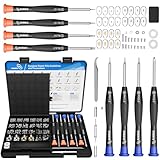
If you’re looking to buy replacements, you’ll often find them sold in assortments. These kits are usually the best bet because they cover a range of common sizes. I picked up a decent little kit for about $12 a few years back, and it’s saved me a trip to the optometrist more times than I can count. It came with about 10 different sizes, a tiny screwdriver, and even some small nose pads. Worth every penny.
Why Do Some Screws Seem to Fit Better Than Others?
It’s all about that fine thread pitch and precise diameter. Even if a screw physically goes into the hole, if the threads don’t match the internal threading of the frame’s hinge, it won’t grip properly. It might feel tight at first, but it will likely loosen up quickly or, worse, damage the frame’s threading. Think of it like trying to screw a metric bolt into an imperial nut – it might start, but it’s not going to hold.
Common Mistakes That Ruin Eyeglasses
People make a few classic blunders when trying to fix their own glasses, and I’ve made most of them. The first is the ‘good enough’ approach. You find a screw that seems to work, it goes in, and it tightens up. Great, right? Wrong. If it’s not the right size or thread type, you’re putting unnecessary stress on the hinge. This can lead to cracks in the plastic, loose hinges that never feel quite right, or the screw simply falling out again after a week.
Another mistake is using the wrong tools. You need proper precision screwdrivers. Trying to use a regular-sized Phillips head, even a small one, is a recipe for disaster. You’ll strip the head of the tiny screw, making it impossible to remove later, or you’ll slip and scratch your lenses or frame. I made this mistake early on, trying to force a slightly-too-big screwdriver into a tiny screw head. It chewed up the screw and left me with a wobbly arm I couldn’t fix.
Over-tightening is another common sin. These screws and the threads in your frames are small and delicate. You don’t need to crank them down like you’re assembling a car engine. Just snug them up until they feel secure. If you’re forcing it, you’re probably doing it wrong and risking stripping the threads or cracking the frame. A gentle turn until you feel resistance is usually enough. I’ve learned to stop as soon as I feel that slight ‘give’ that tells me it’s seated properly.
Finally, people often forget about the material. Using a screw made of a cheap, reactive metal can cause skin irritation around your eyes and nose. It can also corrode and leave green or black marks on your frames. While less common for screws themselves, if you’re scavenging from old electronics, you might end up with something coated in nickel or other materials that aren’t ideal for prolonged skin contact. (See Also: How Measure Metric Computer Screws )
This is where LSI keywords like ‘eyeglass repair kit’ become relevant. A good kit includes the right sizes and materials, taking the guesswork out of the equation. It’s not just about having a tiny screwdriver; it’s about having the right tiny screw.
The Real Deal with Eyeglass Repair Kits
I’ve bought a few different eyeglass repair kits over the years, and honestly, most of them are pretty decent. You can get a basic one for less than $10 online, and it will likely have a small assortment of screws, maybe a tiny screwdriver, and sometimes even replacement nose pads. For most people, this is more than enough.
What makes a good kit? Variety. It should have at least 5-10 different screw sizes, covering the most common diameters and lengths. The screws should be made of stainless steel or a similar non-reactive material. The included screwdriver is often a bit flimsy, but it’s usually good enough for a few uses. If you plan on doing a lot of repairs, investing in a higher-quality set of precision screwdrivers separately is a good idea.
I tend to look for kits that specify they are for ‘eyeglass repair’ or ‘watch repair’, as these generally use similar tiny fasteners. Avoid kits that seem to be just a random grab bag of miniature screws for electronics; while some might work, the odds are lower.
Here’s a little table I put together from my own experience with different types of kits:
| Kit Type | Pros | Cons | Verdict |
|---|---|---|---|
| Generic ‘Mini Screw Assortment’ (Electronics) | Cheap, lots of variety. | Threads might not be fine enough, materials can be questionable. | Hit or miss. Better for non-important items. |
| Dedicated ‘Eyeglass Repair Kit’ | Screws are usually the right size and thread, often stainless steel. Includes basic tools. | Can be slightly more expensive. Variety might be limited to the most common sizes. | Your best bet for quick fixes. |
| ‘Watch Repair Kit’ | Similar tiny screws, good quality for the price. | May have fewer options for screw length than dedicated eyeglass kits. | A strong contender if you can’t find an eyeglass-specific one. |
| Buying Individual Screws from Optician | Guaranteed perfect match, professional quality. | Expensive, inconvenient to source. | Only for very specific, high-value frames. |
My personal favorite has been a compact kit that came with a small hinged plastic case. It keeps everything organized, and I can just toss it in my work bag or glove compartment. It’s paid for itself multiple times over by saving me trips to the store and frustrating waits.
What If My Frames Are Titanium?
Titanium frames are a bit different. They’re strong and lightweight, but the threading for screws can be even more delicate or sometimes specialized. If you have titanium frames, it’s generally best to stick to screws specifically recommended by the manufacturer or use a very high-quality eyeglass repair kit known to work with these materials. Trying to force a standard steel screw into a titanium frame is a bad idea and can easily strip the threads or even damage the frame itself. You’re often better off consulting your optician in these cases.
DIY Eyeglass Repair: Practical Tips
Alright, so you’ve decided to tackle this yourself. Good on ya. Here are a few things I’ve learned that make the job less painful: (See Also: How To Adjust Eyeglass Screw )
- Get a Good Light Source: Seriously, a bright, focused light is a must. A headlamp or a strong desk lamp with an articulated arm is your best friend. Trying to do this in dim lighting is just asking for frustration and lost screws.
- Use a White or Light-Colored Surface: Lay down a piece of white paper or a light-colored cloth when you’re working. If you drop a screw, it’s much easier to spot against a light background. I once dropped a screw on a dark rug and spent nearly an hour looking for it. Never again.
- Keep Your Fingers Steady: If your hands shake, take a break, have a sip of water, and try again. Sometimes just resting your elbows on the table can help steady your hands.
- Don’t Force It: I’ve said it before, but it bears repeating. If the screw isn’t going in smoothly, stop. You’re either using the wrong screw, or the threads in the frame are damaged.
- Check Nose Pads and Hinges: While you’re at it, check your nose pads. Are they worn out and leaving marks? Are the hinges feeling loose even after tightening the screws? A quick bit of maintenance can extend the life of your glasses significantly. Sometimes, a tiny drop of clear nail polish on the threads (after the screw is in place) can help keep it from backing out, but use this sparingly and carefully.
- Know When to Call it Quits: If you’ve tried several different screws and nothing seems to fit, or if the threads in your frame look stripped, it’s time to admit defeat and take them to an optician. Forcing it further will only make the problem worse and potentially more expensive to fix.
I also learned that the type of screw head matters for ease of use. Phillips heads are generally easier to work with for most people because the screwdriver fits more securely. Flathead screws can be a bit trickier to keep aligned, especially when you’re working with tiny screws and shaky hands.
The Lsi Keyword ‘tiny Screwdriver’ and Your Eyeglasses
People often search for ‘tiny screwdriver’ when they realize their regular toolkit is useless for eyeglass repair. This is a good starting point, but remember, the screwdriver is only half the battle. You need the right screw for that tiny screwdriver to turn. A good eyeglass repair kit will often include a suitable tiny screwdriver, usually a Phillips head, with a tip sized for the most common eyeglass screw heads.
However, if you find yourself doing a lot of these repairs, or if the included screwdriver is too flimsy, investing in a dedicated set of precision screwdrivers from a reputable brand is a solid move. These sets offer better grip, more durability, and a wider range of interchangeable bits, making sure you have the right tool for any miniature job, not just your glasses.
Can I Use a Screw From a Computer Keyboard?
Generally, no. While computer keyboards use tiny screws, they are often designed for plastic casings and may have different thread pitches or materials that aren’t ideal for the delicate hinges of eyeglasses. It’s always best to use screws specifically intended for eyeglass repair or from a reputable repair kit.
Conclusion
So, to finally put it to bed: no, eyeglass screws are not universal. While many share similar tiny dimensions and thread types, there’s enough variation that grabbing just any old screw is a gamble. You risk damaging your frames, creating a wobbly fix, or even causing skin irritation. For the sake of your vision and your wallet, it’s worth investing in a proper eyeglass repair kit or knowing what to look for if you have to scavenge.
My advice? Keep a small, decent-quality eyeglass repair kit handy. It’s a cheap insurance policy against those inevitable moments of optical crisis. You’ll thank yourself the next time a screw pops out right before you need to read a menu or find your car keys.
Next time you’re at the optometrist, ask them what type of screws they typically use. It might give you a better idea of what to look for in a kit. And remember, a little precision goes a long way when it comes to keeping your specs in working order.
![AXTH 25-in-1 Small Precision Screwdriver Set, Professional Magnetic Mini Repair Tool Kit for Phone, Computer, Watch, Laptop, Macbook, Ring Doorbell, Eyeglass, Electronic, [Bearing Steel] Screw Driver](https://m.media-amazon.com/images/I/518YlLmPTcL._SL160_.jpg)
