
I remember the first time I had to crack open an iPhone. It wasn’t a planned adventure; it was an emergency. My son had dropped his iPhone 8, and the screen was a spiderweb of cracks. Panic set in. I’d seen YouTube videos, but doing it yourself felt like defusing a bomb. The Pentalobe screws holding the bottom of the phone in place seemed like a whole other level of security, meant to stop folks like me. So, the burning question became: can the iPhone turn on without the security screws? And more importantly, should you even try?
Honestly, the idea of Apple putting a switch in there that says, ‘Nope, no Pentalobe? No power!’ seemed about as likely as them giving away free MacBooks. But the fear of bricking a perfectly good, albeit damaged, piece of tech was real. Let’s cut through the noise and get to what actually matters when you’re staring at a disassembled iPhone.
Those Tiny Screws: Are They Actually Keeping Your iPhone Shut?
Okay, let’s address the elephant in the room: those tiny Pentalobe screws at the bottom of your iPhone. They’re not there to prevent you from turning the phone on. Think of them more like the locks on your front door. They’re designed to keep unauthorized people out and, importantly, to keep the internal components securely in place. Apple uses them as a proprietary fastener, making it slightly harder for third-party repair shops (or just curious individuals) to get inside without the right tools.
When you remove the two Pentalobe screws from the bottom of most modern iPhones (starting with the iPhone 4), you’re basically releasing the clasp that holds the front display assembly to the main body of the phone. The phone’s actual power button, logic board, and battery are all connected through internal ribbon cables. Removing these external screws doesn’t disconnect any of the key power delivery systems. So, to answer the core question directly: yes, an iPhone can technically power on without the security screws installed, provided the internal components are still correctly connected and undamaged.
I learned this the hard way when I was replacing a battery on my old iPhone 6S. I’d gotten the display off, replaced the battery, and was about to put everything back together. I’d lost one of the tiny Pentalobe screws somewhere in my carpet.
Panicked, I thought, ‘What if I can’t find it? Will the phone even turn on?’ I plugged it in, hit the power button, and lo and behold, the Apple logo appeared. The phone booted up just fine.
The missing screw didn’t prevent it from powering on, but it did mean the bottom edge of the display didn’t sit flush anymore, and I worried about dust getting in. It was a stark reminder that while functionality might not be immediately impacted, these screws serve a purpose beyond just being a roadblock.
Why Apple Uses Pentalobe Screws and What Happens If You Lose Them
Apple’s choice of Pentalobe screws is a classic move in the world of consumer electronics. It’s a way to create a slightly more controlled repair ecosystem. These screws require a specific Pentalobe screwdriver bit, which isn’t as common as a Phillips or flathead. The idea, at least on paper, is to encourage users to go through official Apple channels or certified repair providers, making sure a certain standard of repair and genuine parts usage. It’s a bit of gatekeeping, sure, but it also aims to prevent shoddy repairs that could damage the device further or even pose safety risks. (See Also: How To Fix Eyeglasses Arm Without Screw )
When you lose one of these screws, the immediate consequence isn’t that your phone won’t turn on. As I experienced, the phone will likely boot up without issue. The real problems are more subtle and can manifest over time or in specific situations. Firstly, the structural integrity of the phone is compromised. The display assembly might not be held as snugly against the body. This can lead to gaps, especially around the bottom edge where the screws are located. These gaps are invitations for dust, lint, and even moisture to sneak into the device, potentially causing corrosion or short circuits down the line. This is especially concerning for water-resistant iPhones; those gaps can compromise the seals.
Secondly, these screws also help to keep the display assembly properly aligned. If one is missing, the display might not seat perfectly, which can sometimes lead to touch sensitivity issues or even affect the way the screen looks if it’s slightly warped. It’s not a guarantee, but it’s a risk. In terms of actual use, you might find that the phone feels a bit less solid in your hand. It’s a small thing, but it’s the kind of detail that makes a premium device feel premium. For me, the visual and tactile difference was noticeable enough that I made finding that lost screw a priority.
A Real-World Scenario: The ‘slightly Gappy’ iPhone
Let’s talk about a friend’s experience. Mark replaced his iPhone 7 battery himself. He was meticulous, watched countless videos, and had all the tools. Except, he swore he put both Pentalobe screws back in.
A week later, he noticed a tiny gap near the charging port. He’d definitely missed one. The phone worked fine for months, but then he accidentally spilled a tiny bit of water on his desk, and some of it splashed onto his phone.
Normally, an iPhone 7 would shrug that off. But because of that tiny gap, water got in, and the charging port stopped working.
He ended up having to replace the whole motherboard. All because of one missing Pentalobe screw. That’s a stark reminder that these tiny fasteners aren’t just for show; they contribute to the phone’s resilience.
What You Actually Need to Power on an iPhone
Forget the Pentalobe screws for a second. What actually makes an iPhone spring to life? It’s a combination of a charged battery, a functional logic board (the main circuit board that houses the CPU, RAM, and other key chips), and a properly connected display. The battery provides the juice. The logic board is the brain, executing the instructions to boot up the operating system. The display shows you what’s happening. These are the absolute core components that need to be in place and working for the phone to power on and be usable. (See Also: How Measure Metric Computer Screws )
When you’re performing a repair, the most important steps involve making sure that the ribbon cables connecting these components are seated correctly. There are typically several of these: the display cable, the battery connector, the charging port flex cable, and sometimes others for sensors or buttons. If any of these are loose, damaged, or misaligned, the phone might not boot, might not charge, or might have specific functions that don’t work. For example, if the battery connector isn’t properly snapped into place, the phone won’t get power, regardless of whether the Pentalobe screws are in or not. It’s always the internal connections that are the primary culprits when a phone fails to turn on after a repair.
The process of powering on is initiated by pressing the side or top button. This sends a signal to the logic board, which then begins the boot sequence. The operating system (iOS) loads from the storage chip, and if everything is connected correctly, you’ll see the Apple logo, followed by the lock screen. The Pentalobe screws play no role in this electrical pathway or boot sequence. They are purely mechanical fasteners for the exterior assembly.
Common Mistakes When Reassembling an iPhone (and Why They Matter)
This is where most people trip up. It’s not usually about missing the Pentalobe screws themselves, but about mistakes made during the process of removing and replacing them, and reassembling the display. The most common blunder is pinching or tearing the delicate ribbon cables that connect the display, front camera, and sensors to the logic board. These cables are incredibly thin and fragile. If they get caught between the frame and the display assembly when you’re closing the phone, they can rip, leading to a dead screen, non-functional Face ID, or other sensor issues.
Another frequent error is forgetting to re-attach one or more of these internal flex cables. You might screw the phone back together, thinking you’re done, only to find the screen is black or the touch isn’t working.
This often leads to having to tear the phone apart again. I’ve done this. On my first iPhone screen replacement, I was so focused on getting the display seated perfectly and putting all the tiny screws back in (including the Pentalobe ones), that I completely missed reconnecting the front-facing camera and speaker assembly cable.
The phone powered on, but the earpiece speaker didn’t work, and Face ID was gone. Ugh.
It took another 30 minutes to open it back up and find my mistake. (See Also: How To Adjust Eyeglass Screw )
Over-tightening screws is also a problem. While the Pentalobe screws themselves are less prone to stripping than some internal Phillips screws, it’s still possible to damage the threads in the aluminum frame or the screw itself. This can make it difficult or impossible to get a secure fit later. The internal screws holding the logic board shields or the battery connectors are even more prone to stripping. The key takeaway here is that meticulousness during reassembly is far more important for the phone’s ability to turn on and function correctly than the presence or absence of those external Pentalobe screws.
Can You Get Away Without Them? Practical Tips
So, can you get away without the Pentalobe screws? Yes, for a while, and the phone will likely turn on. But “getting away with it” is a very temporary state of affairs. It’s like driving a car with a loose bumper; it might still drive, but it’s not ideal and could lead to bigger problems. If you’ve lost a screw or stripped one, here’s what I’d recommend:
- Prioritize Replacement: Order a replacement set of Pentalobe screws immediately. They are inexpensive and readily available online from reputable repair parts suppliers. Don’t delay this.
- Inspect Internal Cables: Before you even think about the external screws, double-check that all internal ribbon cables are firmly seated. This is most important for the phone to power on and function correctly.
- Gentle Reassembly: Close the phone carefully. Make sure no cables are pinched. Work slowly and methodically.
- Test Before Finalizing: If possible, connect the battery and display cables, and attempt to power on the phone before screwing everything back together. This saves you from having to take it apart again if something is wrong.
- Consider a Screw Organizer: If you do a lot of phone repairs, invest in a magnetic screw mat or a tray with compartments. They are lifesavers for keeping track of tiny screws and their correct locations.
The common advice is to be careful, and that’s true. But the real advice is to be thorough and to understand that every component, including those little screws, serves a purpose. They aren’t just there to annoy you; they contribute to the overall integrity and longevity of your device. While the iPhone will turn on without them, it’s a compromised state. It’s like a puzzle with a missing piece – it’s still a picture, but it’s incomplete and fragile.
Comparison of Repair Scenarios
| Scenario | Likelihood of Powering On | Long-Term Impact | Verdict |
|---|---|---|---|
| All Pentalobe screws present and correctly installed. Internal cables secure. | Very High | Minimal | Ideal |
| One or two Pentalobe screws missing. Internal cables secure. | High (initially) | Potential for dust ingress, loosened display, reduced water resistance. | Risky |
| Stripped Pentalobe screw (phone won’t screw shut securely). Internal cables secure. | High (initially) | Similar to missing screws, but may be more prone to loosening over time. | Risky |
| Damaged or disconnected internal ribbon cable (e.g., display cable). Pentalobe screws present. | Low to None | Device may not boot at all or have major functional issues. | Problematic |
| All Pentalobe screws present. Internal cables pinched during reassembly. | Low to None | Internal damage to cables, potentially rendering components dead. | Catastrophic |
When it comes to repairing electronics, especially something as intricate as an iPhone, it’s easy to get fixated on the big parts like the battery or the screen. But the small stuff? Those tiny screws, the little brackets, the adhesive strips – they all add up. Apple doesn’t include the Pentalobe screws just to make life difficult. They are part of the design that holds the phone together, protects the internals, and maintains its structural integrity. So, while the answer to ‘can the iPhone turn on without the security screws’ is technically yes, it’s a ‘yes’ that comes with significant caveats.
If you’re in a pinch and have lost one, the phone will probably boot up. You might even forget it’s gone. But the risk of dust, moisture, and a less secure assembly is real. I’ve seen phones suffer from these minor oversights, leading to major failures later on. It’s the kind of thing that bites you weeks or months down the line, when you least expect it. For the sake of a few dollars and a few minutes of your time, it’s always best to have all the original fasteners in place.
People often ask about the security aspect of these screws. Are they there to prevent theft? Not really. They’re more about proprietary access and making sure a certain quality of repair. If someone really wants to get into your iPhone, these screws aren’t a major hurdle for determined individuals with the right tools. The real “security” comes from the complex internal connections and software, not just a few external screws.
Verdict
So, can the iPhone turn on without the security screws? The short, blunt answer is yes, it absolutely can. I’ve seen it, I’ve done it. The phone’s ability to boot up relies on the internal components being connected, not on those tiny Pentalobe fasteners holding the display to the frame. Think of it like a car dashboard; removing a few cosmetic screws won’t stop the engine from starting, but it will leave things looking unfinished and potentially exposed.
The real issue isn’t whether the phone will turn on, but the long-term consequences of leaving those screws out. Dust, moisture, and a less secure assembly can lead to bigger headaches down the road. I’d always recommend replacing any lost or damaged Pentalobe screws as soon as possible. It’s a small step that helps maintain the integrity of your device, especially its water resistance, which is a big deal for modern iPhones.
Ultimately, while you can technically get away with it for a while, it’s not a good long-term strategy. Prioritize getting those screws replaced. It’s a cheap fix that prevents potential costly repairs later. Don’t let a few millimeters of metal cause you grief when you can easily avoid it.
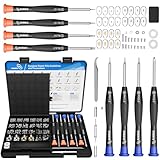
![AXTH 25-in-1 Small Precision Screwdriver Set, Professional Magnetic Mini Repair Tool Kit for Phone, Computer, Watch, Laptop, Macbook, Ring Doorbell, Eyeglass, Electronic, [Bearing Steel] Screw Driver](https://m.media-amazon.com/images/I/518YlLmPTcL._SL160_.jpg)
