
I remember the first time I tried to replace my iPhone 7 screen. It felt like a rite of passage for anyone dabbling in DIY tech repairs. I’d watched a dozen YouTube videos, felt armed with a tiny screwdriver set, and was ready to conquer. Then I hit the wall: one of the pentalobe screws on the charging port just wouldn’t budge. It was stripped, jammed, and mocked me for about an hour. That’s when I knew, staring at my disassembled phone and a stubbornly stuck screw, that ‘can’t get screw out of digital plate iPhone 7’ is a problem many of us face.
It’s infuriating, isn’t it? You’re halfway through a repair, you’ve spent money on parts, and this tiny piece of metal decides to be the ultimate boss.
That Stubborn Pentalobe Screw: It’s Not Just You
Let’s talk about those tiny, specialized screws that Apple uses. They’re called pentalobe screws, and they have a five-pointed star shape. They’re designed to deter the average person from opening their device, and honestly, sometimes it feels like they’re designed to make you want to throw your phone across the room. On the iPhone 7, you’ll find these pentalobe screws primarily around the charging port area, and they’re usually the first ones you need to remove to start any internal work.
The problem arises when the screwdriver, or the screw itself, is slightly worn, or if there’s a bit of corrosion or gunk in the head. Suddenly, you’re spinning your wheels, and the screw head just rounds out, leaving you in a pickle. This is where the common advice of ‘just use a smaller screwdriver’ often fails spectacularly.
You need the right tool, and sometimes, even the right tool isn’t enough if the screw is already damaged.
I’ve had this happen more times than I care to admit, not just with iPhones but with other gadgets too. It’s the same story: a cheap, poorly fitting screwdriver bit, or a screw that’s been overtightened from the factory.
It’s a recipe for disaster. The digital plate, which is basically the logic board assembly, is delicate, and you don’t want to apply excessive force or risk damaging surrounding components just to get one screw out. My personal worst was a Kindle Paperwhite where the main housing screws just refused to turn, and trying to force them ended up stripping the heads so badly I had to resort to extreme measures. It took me nearly two hours just for those initial screws.
The frustration is amplified because the digital plate itself is where all the important stuff lives. Messing around the charging port area means you’re close to the microphone, speakers, and other tiny ribbon cables. You need a steady hand, good lighting, and the right approach. If you’re finding yourself in a situation where you can’t get screw out of digital plate iPhone 7, the first thing to do is stop. Take a breath. Assess the damage to the screw head. Is it just a bit tight, or is it visibly rounded out?
When the Standard Tools Fail: What to Actually Try
Okay, so your trusty little pentalobe screwdriver isn’t cutting it, or worse, you’ve made the situation worse. What now?
Forget brute force; it’s rarely the answer. We need to get smarter.
One of the first things to try, if the screw head isn’t completely destroyed, is to apply a bit of gentle pressure while turning. Sometimes, just pushing down firmly and slowly can help the bit get a better grip. I’ve also had luck with a tiny drop of penetrating oil, like WD-40, applied very sparingly to the screw head. Let it sit for a few minutes to seep into the threads.
Be extremely careful not to get any on the logic board or other sensitive components. A small cotton swab can help apply it precisely. This isn’t a miracle cure, but for slightly seized screws, it can work wonders.
Remember, we’re talking about electronics here, so less is more with any liquid. (See Also: How To Fix Eyeglasses Arm Without Screw )
Another trick that seems to work for many people, and has for me on occasion, is using a rubber band. Place a wide, flat rubber band over the stripped screw head.
Then, insert your screwdriver bit firmly into the rubber band and screw head. The rubber band can fill in the gaps of a slightly rounded-out screw head, providing just enough extra grip for the screwdriver to catch and turn. It sounds a bit silly, but I’ve managed to get out screws this way that I thought were goners.
It’s not a foolproof method, but it’s low-risk and worth a shot before moving to more aggressive techniques. The key is a good quality, thick rubber band, not those flimsy ones that snap.
If the screw head is truly mangled, you’re looking at slightly more advanced methods. One popular approach is using a tiny amount of super glue. Put a miniscule dot of super glue on the tip of your screwdriver bit. Carefully align it with the screw head and press down firmly.
Let it cure completely (check the glue’s instructions, but usually at least 10-15 minutes, sometimes longer). The idea is that the glue will bond the screwdriver to the screw head, allowing you to turn it. Once it’s out, you’ll need to clean the glue residue off your screwdriver.
This is a high-risk, high-reward method. If you get glue on the digital plate, you’ve got a much bigger problem. I’ve only used this once on a non-important component, and it worked, but it made me sweat.
When DIY Fails: Professional Help and Replacement Parts
So, you’ve tried the rubber band trick, the glue trick, maybe even a bit of gentle persuasion with a small pliers if you could get a grip, and you still can’t get screw out of digital plate iPhone 7. It’s time to admit defeat and consider professional help or a different approach.
Sometimes, the cost of a professional repair is worth the headache it saves. Many local phone repair shops have specialized tools and experience dealing with stripped screws and other common repair issues. They can often extract these screws without damaging the phone further. The cost might be around $50-$80 for the extraction, depending on the shop and your location.
It’s cheaper than a new phone, and certainly less stressful than destroying your iPhone 7.
If you’re determined to do it yourself, and the screw is truly fused or the head is completely gone, you might need to consider specialized screw extraction tools. These are not your everyday screwdrivers. They’re designed for tiny electronics.
Things like micro screw extractors or even a dremel tool with a very fine cutting bit to try and create a new slot for a flathead screwdriver. I’ve seen people use a dremel, but honestly, the risk of damaging the surrounding components is incredibly high for an iPhone 7’s digital plate.
Unless you have a very steady hand and a lot of practice with precision tools, I’d steer clear of this. A much safer bet, if you’re going down the DIY route and the screw is truly stuck, is to look for a screw extractor kit specifically designed for electronics. (See Also: How Measure Metric Computer Screws )
These usually involve a small drill bit that creates a pilot hole, and then an extractor bit that threads into that hole to back out the screw. Again, precision is key, and you’ll want to practice on something else first if you can.
When you’re buying replacement screws, it’s also worth noting that not all aftermarket screws are created equal. I once bought a cheap replacement screw kit for an iPad, and the heads were slightly too soft, leading to stripping issues down the line. For important components like the ones on the iPhone 7’s digital plate, it’s best to get screws from a reputable supplier. iFixit is a popular choice for a reason – their parts are generally good quality. Even then, when you’re putting it all back together, be mindful of torque. Don’t overtighten those new screws. They don’t need to be wrenched in there.
Common Mistakes That Lead to Stripped Screws
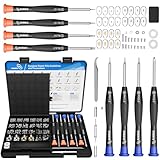
Let’s be honest, most of the time, we cause our own problems. The number one mistake I see, and have been guilty of myself, is using the wrong size or type of screwdriver. For the iPhone 7, you specifically need a P2 pentalobe screwdriver. Using a Phillips head, or even a slightly too large or too small pentalobe bit, is a fast track to a stripped screw. The bit needs to fit snugly into the screw head with no wobble. It should feel like it’s meant to be there.
Another common error is applying too much force at an awkward angle. When you’re trying to get a screw out, especially one that feels tight, the temptation is to put all your weight into it. This is a bad idea. You should be applying firm, consistent downward pressure while turning slowly and smoothly. If it feels like you’re going to slip or the screwdriver bit is going to cam out (pop out of the screw head), stop. Re-evaluate. Is there something blocking the screw? Is the bit worn? Are you holding the phone at a weird angle?
Rushing the process is also a killer. I once tried to replace a friend’s iPhone battery in under 30 minutes because I was late for a dinner. Predictably, I stripped a screw head within the first five minutes. It’s like any intricate task: patience is not just a virtue; it’s a requirement for success. You need good lighting, a stable work surface, and the time to do it right. Trying to do it hunched over your kitchen counter in dim light while your phone buzzes with notifications is a recipe for disaster. This often leads to mistakes like forcing a screw that’s cross-threaded or not properly seated, which damages both the screw and the internal threads.
Finally, not cleaning the screw heads or the surrounding area before attempting removal can cause issues. Dust, debris, or even dried adhesive can get lodged in the screw head, preventing the screwdriver from getting a proper grip. A quick blast of compressed air or a gentle wipe with a lint-free cloth can make a surprising difference. It’s the little things that often prevent big headaches, like a stubbornly stuck screw.
The Anatomy of an iPhone 7 Digital Plate and Its Screws
Understanding what you’re dealing with on the iPhone 7’s digital plate helps. This isn’t just a flat piece of metal; it’s densely packed with components. The digital plate, more accurately called the logic board assembly, is the brain of your iPhone.
It houses the CPU, memory, and various connectors for your camera, display, and other peripherals. The screws that hold it in place, especially the pentalobe screws near the bottom, are important for structural integrity and for securing these delicate connections. The pentalobe screws, specifically the P2 size used on the iPhone 7’s exterior, are designed to be tamper-resistant.
They have a shallow drive, meaning the screwdriver bit doesn’t engage very deeply. This is why using a high-quality bit that precisely matches the screw is so important. A worn-out bit or a cheap imitation will simply skip over the points, rounding them off.
Inside the iPhone 7, beyond the exterior pentalobe screws, you’ll encounter Phillips head screws. These are more common and easier to deal with, but even these can strip if you’re not careful.
The Philips #000 and #00 sizes are typical for internal iPhone components. The danger with these, especially when trying to remove the logic board itself, is that they are often holding down brackets that cover fragile ribbon cables.
If you strip one of these screws and have to apply excessive force, you risk tearing a cable or damaging the board beneath it. The digital plate has numerous small screws, and they’re not all the same length! This is a important detail. Mixing them up when reassembling can lead to serious damage, like puncturing the logic board with a screw that’s too long. (See Also: How To Adjust Eyeglass Screw )
Always keep track of which screw came from where.
When you’re dealing with a screw that you can’t get screw out of digital plate iPhone 7, it’s often one of these lower pentalobe screws. They are exposed to more wear and tear, and are the first point of contact for many DIY attempts. The physical location, near the charging port, also means they can be more susceptible to dirt or corrosion from external elements if the phone has been exposed to moisture. The threads themselves are tiny and can get gummed up with debris over time, making them harder to turn. It’s a small, often overlooked detail that can turn a simple repair into a frustrating ordeal.
Faq: Your Stripped iPhone Screw Questions Answered
What Kind of Screwdriver Do I Need for an iPhone 7?
For the external pentalobe screws on the iPhone 7, you need a P2 pentalobe screwdriver. For the internal Phillips head screws, you’ll typically need a Phillips #000 or #00 bit. Using the wrong size or type of screwdriver is a leading cause of stripped screws, so make sure you have the correct, high-quality tools for the job.
Can a Stripped Screw Be Removed From an iPhone 7?
Yes, a stripped screw can often be removed from an iPhone 7, but it requires patience and the right techniques. Options range from using a rubber band for extra grip to specialized screw extractors. If the screw head is severely damaged, more advanced methods might be necessary, or professional help may be required.
How Do I Prevent Stripping Screws on My iPhone 7?
To prevent stripping screws, always use the correct size and type of screwdriver that fits snugly. Apply firm, consistent downward pressure while turning slowly and smoothly. Avoid rushing the process and make sure you have good lighting and a stable workspace. Don’t overtighten screws when reassembling.
Is It Worth Getting a Professional to Remove a Stripped Screw?
If you’ve tried basic methods and are still struggling, or if you’re concerned about damaging your phone, it’s often worth getting a professional to remove a stripped screw. Repair shops have specialized tools and experience that can save you time, stress, and potentially costly damage to your device.
My Verdict: When to Cut Your Losses
Alright, let’s cut to the chase. You’ve been wrestling with that screw for an hour, maybe two. You’ve tried the rubber band, the glue, maybe even contemplated drilling it out. Here’s my honest take: if you’re not a seasoned tinkerer with a collection of precision tools and a steady hand, and you find yourself truly stuck with a stripped screw on your iPhone 7’s digital plate, it might be time to call it. The risk of causing further damage to the logic board or surrounding components is too high. I’ve seen too many ‘easy fixes’ turn into expensive paperweights because someone tried to save a few bucks or a few minutes and ended up destroying the device.
The cost of a professional repair to extract a stripped screw is typically in the range of $50-$80. Compare that to the cost of a new iPhone 7 (if you can even find one in decent condition) or the cost of replacing the logic board, which can be hundreds of dollars.
For many people, paying a professional is the most sensible and cost-effective route. It removes the stress and the risk. If you’re just trying to fix a minor issue and the screw is already stripped, the added frustration and potential for further damage might not be worth the DIY effort.
Sometimes, knowing when to step away and hand it over to someone with the right tools and expertise is the smartest move you can make. I’ve learned this the hard way with a few gadgets myself, and it’s a lesson that sticks.
Conclusion
So, you’ve tried everything, and you still can’t get screw out of digital plate iPhone 7. It’s a frustrating place to be, I get it. But before you resign yourself to a paperweight or a costly professional repair, take one last look. Sometimes a different angle, a fresh pair of eyes, or a slightly different tool can make all the difference. If you’re still determined to fix it yourself, remember that precision and patience are your best friends here. Don’t let a tiny screw defeat you entirely, but also know when to cut your losses to avoid more expensive problems down the line.
My advice, after years of wrestling with stubborn electronics, is to assess the damage to the screw head honestly. If it’s only slightly mangled, try the rubber band or super glue tricks one more time. If it’s truly rounded out, consider the cost of a professional extraction versus the risk of damaging your iPhone 7’s delicate digital plate. It might just save you a lot of headache, and potentially money, in the long run. Good luck out there!
![AXTH 25-in-1 Small Precision Screwdriver Set, Professional Magnetic Mini Repair Tool Kit for Phone, Computer, Watch, Laptop, Macbook, Ring Doorbell, Eyeglass, Electronic, [Bearing Steel] Screw Driver](https://m.media-amazon.com/images/I/518YlLmPTcL._SL160_.jpg)
