
I remember the first time I tried to fix my own phone. It was an old Samsung Galaxy S7, a trusty sidekick that had seen better days. The charging port was finicky, and after watching a few YouTube videos, I figured, ‘How hard can it be?’ Famous last words. The screen popped off easily enough, and then came the tiny screws. I went at them with my little screwdriver kit, thinking ‘tighter is better,’ right? Well, that’s where I learned a hard lesson about can tightening screws too much in phone crack screen.
It turns out, you can absolutely push your luck. That phone, bless its heart, ended up with a spiderweb of cracks radiating from the top corner. Not a dramatic explosion, but definitely a ‘what the heck did I do?’ moment. So, let’s cut to the chase: is it possible to mess up your phone’s screen by overtightening screws? The short answer is a resounding yes.
The Delicate Dance of Phone Screws
Look, when you’re poking around inside a modern smartphone, you’re dealing with some seriously intricate engineering. These things are built like a very expensive, very fragile puzzle. The frame, the internal components, and the screen are all held together with a combination of adhesive, clips, and, yes, tiny screws. These screws aren’t just there to keep things from rattling around; they play a vital role in the structural integrity of the entire device. They apply a certain amount of pressure, distributing it evenly across the chassis and the components they secure.
When you tighten a screw, you’re basically compressing whatever material it’s anchoring into. In a phone, this can be plastic, metal, or even the delicate layers of the display assembly itself. The threads of the screw bite into the material, creating a secure hold. However, these materials, especially the plastic and glass, have limits. They can only withstand so much force before they start to deform, crack, or even shatter. It’s a bit like over-tightening a lid on a glass jar – eventually, you’ll hear that dreaded ‘pop’ as the glass gives way.
The real kicker with phones is how thin everything is. Manufacturers are constantly trying to shave off millimeters and grams.
This means the screw posts themselves, the little cylinders of plastic or metal that the screws thread into, are often quite small and delicate. Similarly, the areas of the internal frame where these posts are attached can be thin.
If you apply too much torque, you’re not just tightening the screw; you’re stressing these tiny anchor points. This stress can propagate outwards, and the screen, being the most vulnerable and visible component, is often the first to show the damage. This is how you get from ‘just a few screws’ to a phone that looks like it lost a fight with a hammer, all because you didn’t know when to stop.
I once had a customer bring in an iPhone 11 that they’d tried to replace the battery on. They were adamant that they hadn’t dropped it, hadn’t done anything crazy.
But the screen had developed a distinct, spiderweb-like crack starting from the top bezel, right near where a couple of the internal screws go. When I opened it up, I could see that the plastic screw posts for the logic board shield were slightly warped, and there was a faint stress mark on the internal frame. They’d clearly just kept turning those little screws until they felt ‘snug,’ without realizing the micro-damage they were causing. It’s a subtle but very real problem, and it’s a prime example of can tightening screws too much in phone crack screen.
What “too Much” Actually Feels Like
So, how do you know when ‘snug’ becomes ‘too much’? This is where experience and a bit of mechanical intuition come in, and honestly, it’s not always obvious. The torque required to properly seat a phone screw is incredibly low. We’re talking about forces measured in milli-Newton-meters (mNm). For context, that’s far less than you’d use to tighten a tiny watch screw. Most common household screwdrivers, even the small ones in DIY kits, are designed to apply much more force than is needed.
The key is to feel the resistance. When you’re tightening a screw, you’ll feel it engage the threads and then start to get progressively tighter. The point at which you should stop is when you feel that resistance become firm, but before you feel any significant ‘give’ or strain. It should feel secure, like it won’t back out on its own. If you have to put any real physical effort into it, or if you feel the plastic of the screw post starting to compress or twist, you’ve gone too far. This is especially true for the screws that go into plastic posts. Metal-on-metal threads have different feedback, but the principle of stopping at firm resistance remains. (See Also: How To Fix Eyeglasses Arm Without Screw )
A common mistake is treating phone screws like regular screws. We’re conditioned to think a screw isn’t secure until it’s ‘tight.’ In the world of electronics repair, ‘tight’ often means ‘just snug.’ Many repair kits come with a small, often magnetic, screwdriver. These are great because the magnet helps you hold onto the tiny screws, but they also make it easy to apply too much force if you’re not careful. You might not even realize how much torque you’re applying if you grip the handle too hard or twist your wrist with too much force. It’s a delicate touch that’s required, not brute strength.
I remember working on a very early smartphone, maybe a Nexus 4 or something similar, where the screws went directly into the metal frame. I was younger then, still figuring things out.
I kept turning one particular screw, and instead of feeling it get firm, it just… kept turning. It felt like the threads were stripped.
I panicked, thinking I’d ruined the frame. Turns out, I’d actually managed to deform the metal threads slightly, and the screw was just spinning in a slightly widened hole. While that didn’t crack the screen directly, it was a stark reminder that even metal can be damaged by excessive force in these small-scale applications. The feedback from metal is different, but the consequence of overtightening – damaged threads, potential for stress fractures – is similar.
This is why understanding the subtle feel is so important when you ask yourself can tightening screws too much in phone crack screen.
Why Common Advice Might Be Wrong
Here’s a contrarian take for you: Everyone says ‘use the right size screwdriver,’ and that’s true, but it’s not the whole story. What they don’t always emphasize enough is the amount of force you’re applying. You can have the ‘perfect’ Phillips #000 screwdriver, but if you’re wrenching on it like you’re tightening lug nuts on a car, you’re still going to cause problems. This is where the common advice falls short for the average DIYer.
The issue is that the feedback mechanism for ‘tight enough’ is incredibly subtle in a phone. There’s no satisfying ‘click’ like you get with a torque wrench, and there’s no obvious point of resistance that screams ‘stop here!’ unless you’ve already gone too far. Most people, especially those new to repair, are used to a more solid feel when tightening fasteners. They want to feel that solid stop, that reassuring tightness. Phones simply don’t work that way. Their components are far too delicate.
Another point of confusion is the sheer variety of screws and materials inside a phone. Some screws might go into plastic posts, others into metal pillars, and some might even be threading into the edges of circuit boards or flex cables. Each of these has a different tolerance for torque. A screw going into a thick metal pillar will feel different and can handle more force than a screw going into a thin plastic stand-off. If you’re just applying the same ‘tightness’ to every screw, you’re almost guaranteed to overtighten some of them. This is a major reason why so many DIY repairs end up with unexpected issues, including that dreaded cracked screen.
For instance, I’ve seen people over-tighten the screws holding down the metal EMI shields that cover internal components. These shields often sit on very small plastic stand-offs or directly onto the PCB. Overtightening can crack the PCB itself, or, if the shield is pressing down too hard and unevenly on an area near the screen assembly, it can transfer stress and cause micro-fractures in the glass. It’s not always a direct screw-to-screen path, but the chain of events starts with excessive torque. The common advice, while well-intentioned, often omits the important detail about the feather-light touch required. It’s like telling someone to ‘cook the steak’ without mentioning temperature control – technically correct, but practically useless.
Real-World Scenarios and What to Look For
Let’s talk about some specific scenarios where overtightening screws can lead to a cracked screen. The most common place this happens is during a screen replacement or a battery swap, as these often involve removing and re-installing many internal screws. When you’re putting the phone back together, it’s easy to get fatigued, rushed, or just impatient. You might pick up the wrong screw and try to force it, or you might simply over-torque the correct screw as you try to get everything ‘snug’ and secure. (See Also: How Measure Metric Computer Screws )
Consider the screws that hold down the metal bracket for the display connector. This bracket is small, often made of thin metal, and it secures the delicate ribbon cable that connects the screen to the logic board. If you overtighten the screws for this bracket, you can warp the bracket or, worse, press down too hard on the connector itself or the surrounding area of the logic board. If this bracket is pressing unevenly or too hard on a spot near the edge of the screen assembly, it can create stress points that eventually lead to a crack. The pressure doesn’t have to be directly on the glass; it can be on the frame supporting the glass, which then transmits that force.
Another common area is the screws that hold the midframe or internal chassis components. These components are often what the screen assembly is mounted to or supported by. If you overtighten these, you can cause the frame to twist or deform slightly. This slight deformation can put uneven pressure on the edges of the screen. Think of it like a picture frame that’s been warped; the glass inside is under stress. Over time, or with a slight bump, this stress can cause the glass to fracture. This is a prime example of how indirect pressure from overtightened screws can indeed cause a phone screen to crack.
When you’re reassembling a phone, pay close attention to how the parts fit together. If a screw feels like it’s taking too much force to turn, or if it suddenly becomes loose after feeling tight, stop. It’s better to back it out and re-seat it, or check if you’re using the correct screw. Sometimes, a screw that feels like it’s stripping is actually just hitting the edge of a component or a slight imperfection in the frame.
Forcing it will almost certainly cause damage. The goal is a secure assembly, not one that feels like it’s been bolted down with industrial-grade torque.
Knowing when to stop is the real skill, and it’s the key to avoiding the problem of can tightening screws too much in phone crack screen.
Tools and Techniques for Success
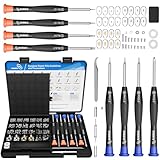
If you’re going to embark on any kind of phone repair, investing in the right tools is a must. Forget those cheap, multi-bit screwdrivers that feel flimsy. You need a precision electronics repair toolkit. Look for kits that include a variety of Pentalobe, Torx, and Phillips bits specifically designed for smartphones. Brands like iFixit are generally reliable, though you can find good quality alternatives.
However, having the right bits is only half the battle. The other half is knowing how to use them. This is where techniques come into play. For most phone screws, you want to use a screwdriver with a swivel head. This allows you to maintain a consistent grip and apply controlled rotational force without having to reposition your hand constantly. It also helps prevent you from applying excessive wrist-based torque.
When you’re inserting a screw, start by turning it counter-clockwise until you feel a slight click. This is the screw dropping into the beginning of the thread. Then, turn it clockwise to engage the threads. Screw it in gently until you feel the resistance start to build. At that point, you should only need to apply a very slight amount of additional force to make it ‘snug.’ Imagine you’re turning a tiny, delicate knob on a high-end audio receiver – that’s the level of force you’re aiming for.
Here’s a practical tip: if you have a set of screwdrivers with adjustable torque, even better. Many professional electronics repair kits include these. You can set them to a very low torque value, like 0.1-0.3 mNm, and the driver will stop applying force once that value is reached. This takes all the guesswork out of it.
If you don’t have a torque-limiting driver, then the ‘feel’ method is your only option, and it requires patience and focus. I personally always use a torque-limiting driver when working on anything sensitive. It’s saved me from countless mistakes, and it’s the best way to avoid the stress that leads to a cracked screen. (See Also: How To Adjust Eyeglass Screw )
It’s that little bit of extra control that prevents the ‘can tightening screws too much in phone crack screen’ scenario.
Finally, organization is key. Use a magnetic mat or a small tray with compartments to keep track of which screw came from where. Different screws have different lengths and thread pitches, and putting the wrong screw in the wrong hole can also cause damage, even if you don’t overtighten it. Sometimes a longer screw can bottom out and crack the screen from behind, or a screw that’s too short won’t hold components securely, leading to other issues.
| Screw Location | Typical Material it Threads Into | Torque Sensitivity | Verdict |
|---|---|---|---|
| Screen Connector Bracket | Thin metal or plastic | Very High | Needs minimal torque; easy to warp bracket or damage connector/logic board. |
| Logic Board Shield | Plastic stand-offs or PCB | High | Overtightening can crack PCB or transfer stress to screen assembly. |
| Midframe/Chassis Support | Metal or solid plastic | Medium-High | Can cause frame deformation, leading to indirect screen stress. |
| Battery Retention Screws (if applicable) | Plastic posts | High | Easy to strip plastic posts or crack adjacent components. |
Faq: Can Tightening Screws Too Much in Phone Crack Screen?
Will Overtightening a Single Screw Crack My Screen?
Yes, it’s possible. Even overtightening a single screw, especially if it’s in a important structural area or near the screen’s mounting points, can create enough stress to cause a crack. The damage might not be immediate but can develop over time due to pressure differentials or further impacts.
How Do I Know If I’ve Already Overtightened a Screw?
If a screw feels like it’s turning much more easily after reaching a tight point (like the threads are stripping), or if you had to use significant force to get it in, you’ve likely overtightened it. You might also notice slight deformation around the screw hole or a faint stress mark on nearby plastic components.
Can I Fix a Screen Cracked From Overtightening Screws?
If the crack is minor and caused by overtightening, sometimes disassembling the phone, carefully loosening the offending screws, and reassembling with proper torque can alleviate the pressure. However, if the glass is already fractured, it usually requires a screen replacement. Preventing the issue is always better than fixing it.
Are Some Phone Models More Prone to Cracking From Overtightened Screws Than Others?
Yes, thinner phones or those with more plastic internal components are generally more susceptible. Phones with very tight tolerances and delicate materials will show damage more readily. The design of the internal frame and how it supports the screen is also a major factor.
Conclusion
So, there you have it. The answer to can tightening screws too much in phone crack screen is a definite yes. It’s not some mythical problem; it’s a very real consequence of applying too much force to delicate components. My own early blunders taught me that ‘tight’ is not always ‘better’ when you’re dealing with the insides of a smartphone. It’s all about finesse and knowing when to stop.
My advice? Be patient. If you’re doing a repair, take your time. Use good tools, and listen to what the device is telling you through the feedback you get from the screws. If something feels off, it probably is. Don’t be the person who ends up with a perfectly functional phone, minus a beautifully spider-webbed screen, because you kept turning that last screw just a little bit more.
Next time you’re working on your phone, or any small electronic device, remember this: a gentle touch goes a long way. And if you’re not comfortable with it, there are professionals who do this all day long. Sometimes, paying for that expertise is cheaper than buying a new screen – or a new phone.
![AXTH 25-in-1 Small Precision Screwdriver Set, Professional Magnetic Mini Repair Tool Kit for Phone, Computer, Watch, Laptop, Macbook, Ring Doorbell, Eyeglass, Electronic, [Bearing Steel] Screw Driver](https://m.media-amazon.com/images/I/518YlLmPTcL._SL160_.jpg)
