
You’re staring at your watch, ready to set the time, and the crown just… won’t budge. It’s stuck. Rock solid. Anyone who’s fiddled with watches has hit this wall. That frustrating moment when you can’t unscrew watch crown is a universal pain in the wrist.
I remember one particularly stubborn vintage Seiko I picked up for a song. Looked beautiful, kept decent time, but the crown was absolutely fused. I spent a solid 20 minutes wrestling with it, convinced I was going to snap the stem clean off. Total beginner move, and a costly lesson in patience.
It’s not usually a sign of some ancient curse on your timepiece; more often, it’s a simple mechanical issue or a bit of neglect. Let’s cut through the noise and figure out what’s really going on.
Why That Darn Watch Crown Is Sticking Like Glue
Okay, let’s get down to brass tacks. When you can’t unscrew watch crown, it’s almost always down to a few common culprits. The most frequent offender? Dirt and grime. Think about it: your watch is constantly exposed to sweat, dust, lotion, and all sorts of microscopic gunk. Over time, this stuff can build up in the threads where the crown screws into the stem or the watch case. It’s like trying to unscrew a bolt that’s been sitting in the mud for a decade.
Another biggie is corrosion. If your watch has seen water exposure, especially saltwater, without proper sealing, or if it’s made of certain metals that react with moisture, you can get a bit of rust or oxidation happening right on the threads. This forms a microscopic, but incredibly strong, bond. It’s not always visible to the naked eye, but it’s definitely there, making that crown feel like it’s been welded on.
Then there’s the issue of over-tightening. Yep, I’ve seen people crank down on their crowns like they’re tightening lug nuts on a truck. While most modern watch crowns have a rubber gasket to help with water resistance and a stopping point, some older or cheaper models might not, or the gasket itself could be the problem. If it’s old and brittle, it can deform and get wedged in the threads, or if you just keep turning past the point it should stop, you can actually damage the threading on either the stem or the case tube. It’s a delicate dance, not a wrestling match.
Sometimes, it’s just a case of a misaligned thread. If you’ve tried to screw the crown back in too quickly or at a slight angle, you can cross-thread it. This is a real nightmare because it damages the threads, and then it’s almost impossible to get it to screw in or out smoothly. It feels like it’s catching and grinding, and you definitely don’t want to force it at this stage. That’s a one-way ticket to needing a watchmaker.
I once had a vintage Omega Constellation where the previous owner had clearly forced it at some point. The crown would screw in, but it felt gritty, and unscrewing it required a significant amount of force. I eventually had to have a watchmaker re-tap the threads on the case tube. Cost me about $80 and took a week, but it was better than a new case, which would have been thousands. Lesson learned: gentle persuasion is key.
It’s also worth mentioning that some watches, particularly dive watches designed for extreme water resistance, have very stiff crowns. This isn’t necessarily a problem; it’s by design to prevent accidental unscrewing underwater. But if you’re not used to it, it can feel like it’s stuck.
What to Look for Before You Grab the Pliers
Before you even think about using any kind of tool, you need to do a quick, honest assessment. Grab a good magnifying glass – a jeweler’s loupe or even a strong reading glass will do. Examine the crown and the stem where it enters the watch case. Look for any obvious signs of damage, like bent stems, stripped threads (you might see metal shavings), or corrosion. Sometimes, a bit of grime is visible around the entry point.
Check the crown itself. Does it look bent or deformed? Is it sitting perfectly flush with the case when it’s supposed to be, or is it at an odd angle? If the crown itself is damaged, that’s a whole different ballgame and likely needs professional attention. You don’t want to be trying to force a bent piece of metal further into a delicate mechanism.
Next, try to get a feel for the resistance. Is it just stiff, or does it feel like it’s grinding or catching on something? Gently try to turn it in both directions. Don’t apply a lot of force yet. If it moves a tiny bit and then stops dead, that’s different from being completely immobile. If it feels smooth but just incredibly tight, it might just need some lubrication or a bit of cleaning internally. If it feels rough or crunchy, that suggests debris or damage in the threads.
Here’s a quick rundown of what to inspect: (See Also: How To Fix Eyeglasses Arm Without Screw )
| Area of Inspection | What to Look For | Potential Issue | Verdict |
|---|---|---|---|
| Crown Threads | Visible dirt, grime, rust, or metal shavings. | Debris, corrosion, cross-threading. | High likelihood of needing cleaning or repair. |
| Stem | Bends, kinks, or damage near the crown. | Bent stem. | Needs professional straightening or replacement. |
| Case Tube Threads | Visible dirt, grime, rust, or damage. | Debris, corrosion, stripped threads. | High likelihood of needing cleaning or repair. |
| Gasket | Torn, brittle, or deformed rubber around the stem. | Damaged gasket causing binding. | May need replacement, but try cleaning first. |
| Overall Movement | Smooth resistance vs. grinding/catching feel. | Stiffness vs. mechanical obstruction. | Guides your next steps. |
My first watch repair attempt involved a cheap quartz diver. The crown was stuck fast. I thought, ‘Easy fix, just needs a bit of WD-40!’ Big mistake. WD-40 is not designed for delicate watch movements and can actually damage the lubricants and gaskets. I ended up washing out the old grease with alcohol, which made it even worse initially. It wasn’t until I learned about specialized watch lubricants and cleaning solutions that I realized my error. That watch ended up needing a full service anyway, costing me more than the watch was worth. Always use the right stuff, or better yet, leave it to the pros if you’re unsure.
The Wrong Way to Try and Unscrew It (and Why It’s a Bad Idea)
This is where most people go wrong. When you’re frustrated, and the crown is stubbornly refusing to turn, the temptation to grab the nearest tool and just force it is immense. Let me tell you, that is almost always the quickest way to turn a minor annoyance into a major, expensive repair bill. Pliers, adjustable wrenches, even aggressively twisting with your bare hands can do more harm than good.
Using pliers directly on the crown is a cardinal sin in watch maintenance. Why? The crown is usually plated, often with chrome or gold. Pliers will scratch, gouge, and strip that plating in seconds. You’ll end up with a mangled-looking crown that’s far worse than just being stuck. Plus, applying uneven pressure can bend the stem or damage the case tube. It’s brute force, and watches are not about brute force; they’re about precision.
Another common mistake is applying excessive heat or cold. Some folks think a blast of compressed air or sticking it in the freezer will help. While temperature changes can affect metal, they’re not a reliable or safe way to free a watch crown. You risk damaging the seals, the movement, or even cracking the crystal. It’s a bit like trying to fix a delicate circuit board with a blowtorch – just no.
Then there’s the ‘just give it a good whack’ approach. Seriously, don’t. While a sharp tap can sometimes break a minor seal on very specific types of mechanical components, it’s incredibly risky with a watch. You could dislodge tiny springs, damage the balance wheel, or crack the case back. It’s a gamble with terrible odds.
What about using lubricants? This is a tricky one. Many people reach for household lubricants like WD-40 or silicone spray. As I mentioned earlier, these are generally a no-go for watches. They can degrade rubber gaskets, attract dust, and interfere with the specialized oils that keep the movement running smoothly. Some people try penetrating oils, thinking they’ll dissolve the gunk. Again, too aggressive. You’re more likely to damage something than fix it.
The common advice you’ll see online from well-meaning amateurs is often ‘just keep trying gently.’ While gentleness is good, if you’ve tried gentle multiple times and it’s not budging, you’re likely dealing with something more than just a bit of stiff grease. You’re probably looking at debris, corrosion, or cross-threading. At that point, ‘gentle’ needs to be replaced with ‘informed’ or ‘professional’. I once saw a guy on a forum proudly post pictures of how he used a vise and a pipe wrench to remove a stuck crown. The watch was utterly ruined, the case tube mangled beyond repair. It was a horrifying example of what NOT to do. His ‘fix’ cost him a perfectly good watch.
The Right Way: Gentle Persuasion and Smart Cleaning
Alright, so you’ve assessed the situation, and you’ve decided against turning your watch into a paperweight. What should you do? Patience and the right approach are your best friends here. First, try giving the crown a good cleaning without even trying to unscrew it. Use a soft brush, like a dedicated watch cleaning brush or a very soft toothbrush. Gently brush around the crown and the stem where it meets the case. You can use a tiny bit of lukewarm water and a drop of mild soap, but be extremely careful not to get water inside the watch. If it’s a water-resistant watch, this is less of a concern, but still, be judicious.
After brushing, try to wipe away any loosened debris with a lint-free cloth. Then, try unscrewing the crown again, gently and steadily. Sometimes, just removing the external gunk is enough. If it still doesn’t budge, it’s time to consider a mild lubricant designed for watches. You can find small vials of watch oil or grease online. The key is minimal application. You want to apply a tiny, tiny drop right at the seam where the stem enters the case. A fine needle or a toothpick can be used for this. Let it sit for a few minutes to seep into the threads.
Now, try to unscrew it again, very slowly and steadily. If it starts to move, great! Keep turning it out gently. Once it’s out, inspect the threads. If you see any debris or residue, clean them thoroughly with a cotton swab dipped in isopropyl alcohol (90% or higher). This alcohol evaporates quickly and is safe for most metal parts, but again, be careful not to let it soak into the movement. Once clean, you can apply a tiny bit of appropriate watch grease to the threads before screwing it back in.
For slightly more stubborn cases, especially if you suspect corrosion, you can try a product called ‘Kroil’ or a similar penetrating oil specifically designed for delicate mechanisms. However, use this with extreme caution. Apply a single drop to the seam, let it sit for at least 15-30 minutes, or even overnight if possible. Then, very gently try to unscrew it. If it moves, great. If not, stop. Do not force it. After using a penetrating oil, you will absolutely need to clean the area thoroughly with isopropyl alcohol to remove any residue before re-lubricating with watch-specific grease.
What about the stem itself? If the crown screws directly onto the stem, and the stem is accessible, you might be able to apply a tiny bit of lubricant directly to the stem threads. But this requires the watch to be at least partially disassembled to access the stem safely. If you’re not comfortable taking apart your watch, this is where you hand it over to a professional. (See Also: How Measure Metric Computer Screws )
Here’s a common procedure many watchmakers use, simplified for home attempts on non-valuable watches:
- Clean Exterior: Gently brush away visible dirt and dust from the crown and case entry point with a soft brush and maybe a damp cloth (make sure it’s not dripping wet).
- Apply Watch Oil: Using a fine needle or toothpick, apply a single, tiny drop of specialized watch oil to the seam where the crown meets the case.
- Wait and Wiggle: Let the oil penetrate for at least 15-30 minutes. Then, try to gently turn the crown. Wiggle it slightly as you turn.
- If it Moves: Continue turning slowly. If it feels smooth, great. If it starts to bind again, stop.
- If it Doesn’t Move: Reapply a tiny drop of oil and wait longer (an hour or more).
- If Still Stuck: Consider a specialized penetrating oil (like Kroil), applied sparingly, and wait several hours or overnight.
- Clean Thoroughly: After successful unscrewing, clean the threads with isopropyl alcohol and a swab.
- Re-lube and Reassemble: Apply a thin layer of watch grease to the threads and screw the crown back in carefully.
When to Just Give Up and Call a Pro
Look, I’m all for DIY. I’ve built decks, fixed leaky pipes, and rebuilt carburetors. But there’s a point where you have to recognize when you’re out of your depth. If you’ve tried the gentle methods, if you’ve cleaned it thoroughly, and if that crown is still stuck faster than a politician to a microphone, it’s time to stop. Continuing to force it is the fastest way to cause damage that will cost you significantly more than a professional repair.
You should absolutely take it to a watchmaker if you suspect the threads are cross-threaded. This is a situation where the metal has been physically deformed. Trying to force it will only strip the threads further, potentially damaging the case tube or the stem to the point where they need replacement. That’s a job that requires specialized tools and expertise.
Corrosion can also be a real problem. If you see significant rust or a greenish patina (especially on brass or bronze cases), it might be too far gone for simple lubrication. A watchmaker has specific tools and chemicals to deal with different types of corrosion without damaging the watch. They can assess the extent of the damage and determine if repair is feasible.
If the crown itself is bent or visibly damaged, don’t try to force it. A bent crown can jam the stem mechanism or damage the case opening. It needs to be straightened or replaced by someone with the right tools.
My rule of thumb? If you’ve spent more than 30 minutes trying to get it unstuck and you’re starting to sweat or feel your blood pressure rise, it’s time to step away. Take a break. Go have a cup of coffee. Then, find a reputable watch repair shop. A good watchmaker will have the experience and tools to handle even the most stubborn crowns. They can diagnose the exact problem, whether it’s dirt, dried-up lubricant, corrosion, or mechanical damage, and fix it properly.
The cost of a professional watch crown repair can vary. For a simple cleaning and lubrication, you might pay anywhere from $30 to $100. If threads need re-tapping or parts need replacing, it could go up to $150-$300 or more, depending on the complexity and the value of the watch. Honestly, for a watch you care about, that’s a small price to pay to get it functioning correctly and prevent further damage. I learned this the hard way with a vintage Omega; it’s much cheaper to pay for a pro than to ruin a valuable piece.
Common Watch Crown Issues and Their Fixes
What Causes a Watch Crown to Get Stuck?
The most common causes for a stuck watch crown are accumulated dirt and grime in the threads, corrosion (especially if exposed to moisture), over-tightening leading to damaged threads, or a cross-threaded crown. Sometimes, a dried-out or damaged gasket can also cause it to bind.
Can I Use Wd-40 to Unstick a Watch Crown?
No, absolutely not. WD-40 is not suitable for watch mechanisms. It can damage delicate lubricants, degrade rubber gaskets, and attract more dust, potentially causing more harm than good. Always use lubricants specifically designed for watches.
How Much Does It Cost to Fix a Stuck Watch Crown?
The cost can range from $30-$100 for a simple cleaning and lubrication service. If more complex issues like re-tapping threads or replacing parts are involved, it could cost upwards of $150-$300 or more, depending on the watch’s complexity and brand.
Is It Normal for a Watch Crown to Be Stiff?
Yes, some watches, particularly dive watches with high water resistance ratings, have very stiff crowns by design to prevent accidental unscrewing underwater. However, if the stiffness feels unnatural, grinding, or is a new development, it’s worth investigating.
What If the Watch Crown Is Cross-Threaded?
If you suspect the crown is cross-threaded, stop immediately. Forcing it will further damage the threads on both the stem and the case tube. This is a repair that almost always requires a professional watchmaker with specialized tools to re-tap the threads. (See Also: How To Adjust Eyeglass Screw )
The Case of the Stubborn Crown: Real-World Scenarios
Let’s talk about some specific situations you might run into. Scenario one: the “weekend warrior.” You’ve got a decent stainless steel diver that you wear for yard work, swimming, and general life. Over the years, it’s seen its share of sweat, dirt, and maybe a bit of pool chlorine. You try to set the time, and it’s just… nope. This is the classic grime scenario. The threads are packed with a mixture of dried salt, skin cells, and who-knows-what else. The fix here is usually good old-fashioned cleaning. A fine brush, some lukewarm water (if it’s water-resistant, obviously), and then a gentle re-lubrication with watch grease on the threads once it’s clean and screws out.
Scenario two: the “vintage enthusiast.” You score a beautiful old mechanical watch – maybe a 1960s Omega, a classic Rolex, or a Bulova.
It looks amazing, but the crown feels like it’s cemented on. These old watches often haven’t been serviced in decades. The original lubricants have dried up into a sticky varnish. Sometimes, there’s minor corrosion on the stem or case tube.
This is where things get trickier. You might get away with applying a tiny bit of watch oil and letting it sit for a long time, perhaps even overnight.
But more often than not, these older watches need a full service. A watchmaker will disassemble the movement, clean all parts, and re-lubricate everything, including the crown stem and tube.
My friend Dave had a vintage Longines that he loved. The crown was so stiff, it felt like he was going to rip the stem off every time he tried to unscrew it. He’d tried gentle twisting, wiggling, even a tiny bit of household lubricant (which, as we know, was a mistake). Eventually, he took it to a local watch repair shop. The guy took one look, put it under a microscope, and said, ‘Dried lubricant and a bit of casing corrosion.’ He charged Dave about $120 to clean, re-lube, and gently polish the stem. Dave said it was worth every penny because the watch now feels brand new, and he doesn’t have to worry about breaking it.
Scenario three: the “accidental cross-threader.” This is the person who, in their haste, tries to screw the crown back in and doesn’t get it perfectly aligned. It feels a bit ‘off,’ but they push and twist harder, and suddenly it feels locked, but it’s not threading correctly.
This is the worst-case scenario for a DIY fix. The threads are likely damaged.
Trying to force it out will only make it worse. At this point, it’s a professional job.
They’ll need to assess the damage and potentially re-tap the threads on the case tube, which requires specialized tools and precision. This is the scenario that can easily turn a $50 repair into a $300+ repair if you try to DIY it and mess it up further.
It’s a good idea to know the specific type of watch you have. A cheap quartz fashion watch might not be worth the cost of a professional repair if the crown is truly seized. In that case, you might decide to live with it or learn to be extra careful. But for a mechanical watch, an automatic, or anything you have sentimental value in, getting that crown unstuck properly is usually the best course of action.
Verdict
So, you can’t unscrew watch crown. It’s a common frustration, but rarely a catastrophic one if you approach it correctly. Remember, brute force is your enemy. Think of it like coaxing a stubborn old lock to open rather than kicking down a door.
Start with cleaning, move to gentle lubrication with the right products, and always be prepared to stop if it’s not yielding. If you’ve tried the sensible steps and it’s still stuck, don’t hesitate to find a reputable watchmaker. They have the tools and know-how to deal with even the most stubborn, seized-up crowns without causing further damage.
Next time you’re faced with this issue, take a deep breath, assess the situation calmly, and choose your steps wisely. Your watch will thank you for it.
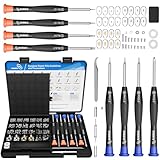
![AXTH 25-in-1 Small Precision Screwdriver Set, Professional Magnetic Mini Repair Tool Kit for Phone, Computer, Watch, Laptop, Macbook, Ring Doorbell, Eyeglass, Electronic, [Bearing Steel] Screw Driver](https://m.media-amazon.com/images/I/518YlLmPTcL._SL160_.jpg)
