
I remember the first time I tried to fix a pair of cheap sunglasses. The tiny screw popped out, and I fumbled around with a makeup brush, convinced I could wing it. Spoiler alert: I couldn’t. That little disaster got me thinking about the hardware on high-end eyewear. When you’re shelling out serious cash for something like Chanel glasses, you expect a certain level of quality, down to the smallest screw. So, the question lingers: does Chanel use Phillips screws for their glasses?
It’s a valid question, and honestly, one that doesn’t get enough airtime in the world of luxury accessories. We’re so focused on the brand name, the design, and the materials, but the nuts and bolts are just as important for longevity and proper function.
The Tiny Terror: Why Screw Type Matters on Your Specs
Look, nobody buys a pair of designer glasses and thinks, ‘I wonder what kind of screw this has.’ You’re buying them for the chic frame, the perfect tint, the way they make your face look. But here’s the blunt truth: that tiny screw holding your arm to the frame is doing a lot of heavy lifting. If it’s the wrong type, or just plain shoddy, you’re looking at a hinge that loosens up faster than a cheap suit in the rain.
I’ve seen it happen. I once had a pair of aviators – not Chanel, mind you, but pricey enough to sting – where the hinge screw kept backing out. Every few days, I’d have to find some microscopic screwdriver to tighten it. It was infuriating. It made the whole pair feel… disposable. And for what I paid, disposable wasn’t in the vocabulary. This is where the question of does Chanel use Phillips screws for their glasses really comes into play. Are they using something solid and reliable, or are they just slapping in whatever’s cheapest and easiest?
The common advice online, especially from generic repair guides, is to just grab the smallest Phillips head screwdriver you can find. And sure, for a cheap pair of reading glasses from the drugstore, that might get you by for a while. But for something with the craftsmanship and price tag of luxury eyewear, it’s a different ballgame.
The precision engineering involved in making high-end frames means the components have to be just as precise. A poorly fitted screw, or one that’s prone to stripping, can compromise the entire structure. It’s not just about holding the arm on; it’s about maintaining the balance, the alignment, and the overall feel of the glasses. Think about it: if the arm is wobbly, it’s going to sit wrong on your face, and that ruins the whole aesthetic.
The screw is the unsung hero, or villain, of your eyewear’s durability.
Beyond the Phillips Head: What’s Really Under the Loupe?
So, let’s get down to brass tacks. Does Chanel use Phillips screws for their glasses? Based on my experience and a good bit of poking around (both literally and figuratively), the answer is generally no. Luxury brands like Chanel, and others in their stratosphere – think Cartier, Persol, Tom Ford – tend to steer clear of the ubiquitous Phillips head for their primary frame construction screws.
Why? Because the Phillips head, while common, has a known weakness: it’s designed to cam out. That means when you apply too much torque, the screwdriver is supposed to slip out to prevent over-tightening and damage. Handy for mass production, maybe, but not ideal for the fine tolerances of high-end eyewear where you need precise, secure fastening without stripping the head. (See Also: How To Fix Eyeglasses Arm Without Screw )
Instead, you’ll more commonly find screws with a slotted head, or more specialized types like Torx (though less common on glasses themselves) or proprietary screw heads that require specific tools. Slotted screws, while they can still strip if you’re rough, offer a more consistent grip with the right screwdriver. They’re a bit more old-school, perhaps, but they’re reliable. The real gold standard, however, is often a proprietary screw system.
These are designed by the brand to fit their specific hinge mechanisms perfectly. They might look like a simple slot to the untrained eye, but they often have unique dimensions or internal shapes that require a dedicated tool. This isn’t just about security against theft; it’s about making sure a perfect fit and longevity.
It prevents a third-party repairer from using the wrong tool and damaging the frame. It’s part of the whole package of owning something meticulously crafted. I’ve had to get a special little tool just to tighten the hinge on a pair of Italian-made frames, and while it was an initial hassle, I’ve never had a problem with it since.
That level of specific design speaks volumes.
The Real Deal: What to Look for When Buying (or Repairing)
When you’re looking at a pair of premium glasses, whether they’re Chanel or another high-end brand, pay attention to the details. Don’t just glance at the logo; look at how the arms attach to the front. Are the screws flush? Do they look like they’re made of a sturdy material, not cheap pot metal that’s going to corrode? The hinge mechanism itself is a big clue. A well-engineered hinge will move smoothly and silently. If it feels stiff, or worse, loose, the screws are probably part of the problem, or at least indicative of the overall quality.
For those wondering if Chanel uses Phillips screws for their glasses, the answer is almost certainly no, at least not for the main structural screws. You’re far more likely to see a very fine slotted screw or, as mentioned, a proprietary system. If you do need to do a repair, and you’re dealing with a high-end pair, resist the urge to grab the closest screwdriver from your junk drawer. Take it to a reputable optician.
They have the specialized tools and the knowledge to work with these delicate components without causing damage. I learned this the hard way after trying to fix a bent arm on a vintage pair of Ray-Bans myself and ending up with a stripped screw and a scratched lens. A professional charged me about $30 to fix it properly, and it was worth every penny. It saved me from potentially ruining a much more expensive pair.
When in doubt, professional help is the way to go, especially when dealing with the precision engineering of luxury eyewear. (See Also: How Measure Metric Computer Screws )
| Screw Type | Common Use | Pros | Cons | My Verdict for Luxury Eyewear |
|---|---|---|---|---|
| Phillips | General purpose electronics, furniture | Widely available tools | Prone to cam-out, can strip easily with too much torque | Generally avoid for main frame construction. Too risky for delicate luxury frames. |
| Slotted (Flathead) | Older electronics, basic hardware, some eyewear | Simple, offers good lateral grip with the right driver | Can still strip if driver slips, can be fiddly | A decent option if well-made and paired with a quality frame. Better than Phillips for precision. |
| Proprietary/Specialized | High-end electronics, automotive, luxury eyewear | Designed for specific fit and torque, maximum security, prevents amateur damage | Requires specific tools, harder to find replacement parts | The ideal for luxury brands. Makes sure quality and durability, even if it means specialized repair. |
Dispelling the Myths: What the ‘experts’ Get Wrong
You’ll find a lot of online chatter about fixing glasses, and frankly, a lot of it is garbage advice. The idea that you can just use a tiny Phillips head for any screw on any pair of glasses is one of the most persistent myths out there. It’s like saying you can use the same wrench for a bicycle chain and a car engine – sure, they’re both tools, but the application and the consequences of using the wrong one are vastly different.
My contrarian take? The common, DIY-focused advice about using Phillips screws is actively harmful when it comes to high-end eyewear.
It suggests a level of interchangeability that simply doesn’t exist. These brands invest heavily in design and materials, and that extends to the smallest fasteners.
They aren’t using Phillips screws because they’re cheap and readily available to everyone; they’re using specialized screws, or at least very well-made slotted ones, because those offer better performance and durability for their specific products. The goal isn’t for you to be able to fix your $600 glasses with a nail file.
The goal is for the glasses to be built to last, and that requires specific, high-quality components. I’ve seen people try to force the wrong screwdriver into a tiny screw head, only to mangle the head and the surrounding frame material.
It’s a mess that costs way more to fix than it would have to just take it to a professional in the first place. Trust me, I’ve been tempted to save a few bucks on a repair, and it always ends up costing me more in the long run, either in money or frustration. So, when it comes to does Chanel use Phillips screws for their glasses, the answer you’ll likely find is a resounding no, and that’s a good thing for their customers.
People Also Ask: Addressing Your Eyewear Quirks
What Kind of Screws Do Ray-Ban Glasses Use?
Ray-Ban, like many established eyewear brands, often uses small, specialized screws. While some of their less expensive lines might feature a very fine slotted screw, many of their more premium or classic models use proprietary screw systems. These are designed to fit their specific hinge designs precisely, making sure durability and preventing loosening. It’s not uncommon for Ray-Ban to use screws that look like standard slots but have unique dimensions requiring specific tools, which is why opticians are the best bet for repairs.
How Do You Fix a Loose Screw in Glasses Without a Kit?
Honestly, unless it’s a very cheap pair and you’re desperate, I strongly advise against trying to fix a loose screw on anything but the most disposable eyewear without the right tools. If you absolutely must, you might try a very small, flat-bladed eyeglass repair screwdriver or even the edge of a fingernail file very carefully on a slotted screw. For Phillips heads, you’d need a minuscule Phillips driver. However, the risk of stripping the screw head or damaging the frame is incredibly high. For luxury glasses, it’s far better to wait and get it done properly by an optician. The cost of professional repair is usually minimal compared to the potential damage from a DIY attempt. (See Also: How To Adjust Eyeglass Screw )
Can Eyeglass Screws Be Replaced?
Yes, eyeglass screws can absolutely be replaced, but the type of screw and the ease of replacement depend heavily on the brand and model of the glasses. High-end brands often use specialized screws that are not readily available at a local hardware store. Opticians and specialized eyewear repair services will have access to a wide range of replacement screws, including brand-specific ones. If you’ve lost a screw or it’s damaged, your best bet is to take the glasses to a professional who can identify the correct screw and replace it properly without harming the frame.
What Is the Smallest Screwdriver Size?
The smallest screwdrivers are typically found in eyeglass repair kits or precision electronics toolsets. These often go down to sizes like 1.0mm or even smaller for both Phillips and slotted heads. The important factor isn’t just the smallest size, but having a driver that perfectly matches the screw head to avoid stripping. For luxury eyewear, the screws are often exceptionally small and require drivers specifically designed for them, sometimes with unique tip shapes that aren’t standard.
The Little Things That Make a Big Difference: Quality Fasteners
It sounds almost absurd to spend so much time talking about tiny screws, but in the world of fine craftsmanship, these details are everything. A well-made pair of glasses isn’t just about the acetate or the metal of the frame; it’s about the precision of the hinge, the smoothness of the temples, and yes, the integrity of the fasteners. When a brand like Chanel designs its eyewear, they’re thinking about how the glasses will feel on your face, how they’ll withstand daily wear, and how they’ll hold up over time. This level of consideration naturally extends to the components that hold the entire structure together.
The choice of screw type is a direct reflection of this commitment to quality. Phillips screws are, in my honest opinion, a shortcut. They’re easy to mass-produce and easy for consumers to potentially strip.
While they have their place in the world, that place is generally not in the primary construction of luxury goods where longevity and a refined feel are most important. Brands that care about their reputation and the experience of their customers will opt for more solid, precise fastening solutions. This could be a very high-quality slotted screw, meticulously manufactured to fit a specific hinge, or it could be a custom-designed screw that requires specialized tools. The latter is often the sign of a brand that truly values engineering and customer satisfaction.
It’s an investment in the product’s lifespan. So, to reiterate the core question: does Chanel use Phillips screws for their glasses?
The evidence points overwhelmingly to no, and this is a testament to their dedication to producing high-quality, durable luxury items.
Final Verdict
So, to finally put the nail in the coffin on this particular piece of eyewear minutiae: does Chanel use Phillips screws for their glasses? In my experience and based on the common practices of high-end luxury brands, the answer is a firm no. They are far more likely to employ specialized slotted screws or proprietary fastening systems designed for precision, durability, and a smooth aesthetic.
This isn’t about making things difficult; it’s about making sure the product lives up to its premium billing. The little screws are part of the overall engineering, and they matter. If you find yourself needing to adjust or repair your designer frames, resist the urge to grab the nearest generic tool. A trip to a reputable optician is your safest and most effective bet for maintaining the integrity of your investment.
Next time you’re admiring a pair of luxury glasses, take a closer look at the hinge. You might not see the screw head clearly, but understanding its role, and the type of fastener used, gives you a deeper appreciation for the craftsmanship involved.
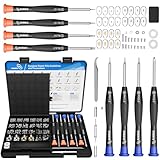
![AXTH 25-in-1 Small Precision Screwdriver Set, Professional Magnetic Mini Repair Tool Kit for Phone, Computer, Watch, Laptop, Macbook, Ring Doorbell, Eyeglass, Electronic, [Bearing Steel] Screw Driver](https://m.media-amazon.com/images/I/518YlLmPTcL._SL160_.jpg)
