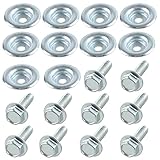
I remember trying to build this outdoor bookshelf, right? Went down to the hardware store, feeling pretty smug about my DIY skills. Grabbed a bunch of shiny aluminum bolts, figuring they’d look slick and, you know, be perfect for something that lives outside. Spoiler alert: they weren’t.
That experience got me wondering about the whole deal with aluminum fasteners in wet environments. So, let’s cut to the chase: are aluminum bolts waterproof? The short answer is, it’s complicated, and “waterproof” isn’t really the right word for how they behave. It’s more about how they react to water and what that means for your projects.
This isn’t about fancy marketing jargon; it’s about what happens when metal meets moisture, and why you might be setting yourself up for a headache if you don’t understand the nuances.
Aluminum and Water: A Slightly Corrosive Relationship
Look, when people ask if aluminum bolts are waterproof, they’re usually thinking about whether they’ll rust like steel or just hold up. The thing is, aluminum doesn’t rust in the traditional sense. Instead, it corrodes. When aluminum is exposed to oxygen and moisture, it forms a protective layer of aluminum oxide on its surface. This layer is actually a good thing – it prevents further corrosion deep into the metal. Think of it like a self-healing shield.
However, this oxide layer isn’t exactly a perfect, impenetrable barrier, especially in environments with salt or other contaminants. In a purely freshwater, clean environment, that oxide layer does a decent job for a while. But introduce salt water, or even just humid air consistently, and that protective layer can break down or become compromised. This is where things can go sideways, and your ‘waterproof’ aluminum bolt starts looking pretty gnarly.
I learned this the hard way with a boat trailer I was fixing up years ago. I used a bunch of aluminum bolts to reattach some plastic fenders, thinking, ‘Hey, aluminum, no rust, perfect for the coast!’ Within a year, those bolts were pitted and looked awful. They hadn’t completely disintegrated, but they certainly weren’t the sleek, strong fasteners I’d envisioned. The salt spray was just relentless, and the oxide layer couldn’t keep up. It was a harsh lesson that ‘doesn’t rust’ doesn’t automatically mean ‘immune to water damage’. The common advice is to use stainless steel for marine applications, and there’s a damn good reason for that.
The term ‘waterproof’ itself is a bit of a misnomer for fasteners. Nothing is truly ‘waterproof’ indefinitely in harsh conditions without some kind of coating or special treatment. It’s more about resistance and longevity. Aluminum bolts offer some resistance, but it’s not the bulletproof armor you might imagine, especially compared to other materials.
What to Look for: Beyond Just ‘aluminum’
So, if you’re leaning towards aluminum for your project, what should you actually be looking for? It’s not just about grabbing any old aluminum bolt off the shelf. The alloy matters. Most common aluminum fasteners are made from alloys like 6061 or 5052. 5052 is generally considered more corrosion-resistant, especially in marine environments, because it contains magnesium, which helps stabilize that oxide layer.
Beyond the alloy, coatings play a massive role. You’ll find aluminum bolts with various coatings designed to enhance their corrosion resistance. Things like anodizing (especially Type II or Type III hard anodizing) can create a tougher, more durable oxide layer. Clear or colored anodized finishes look good and add a layer of protection. Another common coating is a chemical conversion coating, often called Alodine or Iridite, which also helps with corrosion resistance and provides a good base for paint. (See Also: A 109 Bolt Volkswagen Fuel Injection Pump )
Don’t assume all aluminum bolts are created equal. A plain, unfinished 6061 bolt is going to perform differently than a hard-anodized 5052 bolt. The finish is often as important, if not more important, than the base alloy when it comes to fighting off the elements. If a manufacturer specifies it’s for outdoor or marine use, and it has a solid coating, that’s a good sign. If it’s just bare aluminum, especially if it’s a softer alloy, be cautious about its long-term performance in wet conditions.
I once bought a set of ‘marine-grade’ aluminum bolts that were surprisingly cheap. Turns out, they were just standard 6061 with a very thin, almost clear coating that flaked off after a few months of coastal exposure. Lesson learned: check the specs, and if it sounds too good to be true for the price, it probably is. Look for details on the alloy and the specific type of coating applied. If the packaging or description is vague, move on.
Common Mistakes People Make with Aluminum Bolts
The biggest mistake, hands down, is assuming aluminum is a ‘set it and forget it’ material for outdoor use, especially when water is involved. People see that it doesn’t rust and think they’re home free. They’ll use them in direct contact with the ground in a garden bed, or around a pool, or in any situation where they’re constantly getting splashed or rained on, without considering the long-term effects.
Another common error is mixing aluminum fasteners with other metals, particularly steel or even some types of stainless steel. This creates galvanic corrosion. When two dissimilar metals are in contact in the presence of an electrolyte (like water, especially salt water), the more active metal (aluminum in this case) will corrode sacrificially to protect the less active metal. This can eat away at your aluminum bolts surprisingly quickly, turning them into brittle husks. I saw this happen on a custom bike build where someone used steel bolts to attach aluminum brake calipers. The bolts corroded so fast they seized up, and it was a nightmare to get them out.
People also underestimate the impact of environmental factors. A bolt used on a porch in a dry desert climate is going to fare a lot better than the exact same bolt used on a dock in a humid, salty bay. The concentration of salts, chlorides, and other chemicals in the water or air makes a huge difference. Just because it works for your buddy’s backyard project doesn’t mean it’ll work for yours if your environments are different.
Finally, there’s the issue of torque. Over-tightening aluminum bolts can actually damage the threads or even deform the bolt head, which can weaken the protective oxide layer or create stress points where corrosion can start. Always use a torque wrench if the application calls for it, and be mindful that aluminum is softer than steel.
Real-World Use Cases: Where Aluminum Bolts Shine (and Where They Don’t)
Aluminum bolts are fantastic in a lot of scenarios where rust is the primary enemy and extreme corrosion resistance isn’t the only factor. Think about bicycles. Most bike components are aluminum, and they use aluminum bolts extensively. Why? Because they’re lightweight, they don’t rust, and they offer plenty of strength for those applications. A bike sees water, sure, but usually it’s rain or splashing, and it’s often dried off or at least not constantly submerged or exposed to salt.
Another good use is in electronics enclosures or fixtures where you need a non-conductive fastener that won’t rust and cause electrical issues. They’re also common in automotive applications, especially in non-structural areas or where weight savings are most important, like attaching trim pieces or interior components. Here, they might see road spray but usually not direct, prolonged immersion. (See Also: Are A2 Bolts High Tensile )
Where they don’t shine, as I’ve hammered home, is prolonged exposure to harsh marine environments, especially salt water. If you’re building something that will be constantly submerged, in direct contact with brackish water, or constantly battered by sea spray, aluminum bolts are probably not your best bet unless they have a very specialized, high-performance coating. In those situations, properly rated stainless steel (like 316) or even specialized alloys are far superior.
I tried using aluminum bolts for a custom outdoor shower setup once. Seemed like a good idea – no rust! Well, the constant spray of chlorinated water, combined with humidity, turned those bolts into chalky messes within a season. They still held things together, technically, but they looked terrible and I worried about their long-term integrity. That’s when I switched to stainless steel, and it’s been perfect ever since. It’s a classic case of choosing the right tool for the job, and sometimes ‘doesn’t rust’ isn’t enough.
Aluminum Bolt vs. Stainless Steel vs. Galvanized Steel
When you’re picking fasteners for outdoor or wet applications, you’re usually comparing a few main types. Here’s a quick rundown based on my experience:
| Fastener Type | Corrosion Resistance (General) | Strength | Weight | Cost | My Verdict |
|---|---|---|---|---|---|
| Aluminum (Uncoated) | Fair (forms oxide layer) | Moderate | Very Light | Low | Okay for light duty, dry or mild moisture. Avoid salt. |
| Aluminum (Anodized/Coated) | Good to Very Good | Moderate | Very Light | Moderate | Good for many outdoor uses, better than plain aluminum, but still not top-tier marine. |
| Galvanized Steel | Fair to Good (zinc coating sacrifices) | High | Heavy | Low to Moderate | Decent for general outdoor use, but zinc wears off over time, especially in salt. Can look rough. |
| Stainless Steel (304) | Very Good | High | Heavy | Moderate to High | Great all-around outdoor fastener. Better than aluminum for most wet jobs. |
| Stainless Steel (316) | Excellent (superior salt resistance) | High | Heavy | High | The king for marine and harsh coastal environments. Worth the extra cost if it matters. |
The key takeaway here is that while aluminum can be waterproof in a very basic sense, it’s rarely the best performer in truly demanding wet conditions. Stainless steel, especially 316, is often the go-to for a reason. It’s not just about resisting rust; it’s about maintaining structural integrity and appearance over the long haul. Galvanized steel is a budget option that works okay for a while, but the coating degrades.
Practical Tips for Using Aluminum Bolts Outdoors
If you’ve decided aluminum is the way to go for your project, here are a few pointers to help you avoid my mistakes. First, choose your alloy and finish wisely. For anything exposed to the elements, look for 5052 alloy if possible, and always opt for anodized or coated bolts. Avoid bare, unfinished aluminum for outdoor projects that will get wet. It’s like wearing a t-shirt in a blizzard – it’s not going to end well.
Second, be hyper-aware of galvanic corrosion. If you’re using aluminum bolts, try to use other aluminum components or compatible plastics. If you absolutely must connect aluminum to another metal, use insulating washers and sleeves. A simple plastic sleeve between the bolt shank and the metal it’s passing through can make a world of difference. Don’t just bolt aluminum directly to steel and expect miracles. It’s a chemical reaction waiting to happen.
Third, consider the environment. If you live near the coast or use de-icing salts in the winter, you’re in a high-corrosion zone. In these areas, even coated aluminum might not last as long as you’d hope. For important applications or areas that will be constantly wet, it’s often worth spending the extra cash on 316 stainless steel. Think about it: how much is the project worth to you, and how much is it worth to avoid having to redo it in a year or two?
Fourth, don’t overtighten. Aluminum is softer and more prone to stripping or deforming than steel. Use the correct tools, and if specified, use a torque wrench. A bolt that’s too tight can have micro-fractures in its protective coating, creating prime spots for corrosion to begin. Last tip: keep them clean. Wiping down your aluminum fasteners occasionally, especially after exposure to salt or contaminants, can help remove things that might degrade the protective layer. (See Also: Are Any Darts Or Bolts Profitable )
Frequently Asked Questions About Aluminum Bolts
Are Aluminum Bolts as Strong as Steel Bolts?
Generally, no. While aluminum alloys can be very strong, especially for their weight, they typically don’t match the tensile strength of steel bolts of the same size. For applications requiring very high load-bearing capacity, steel or stainless steel are usually the preferred choice.
Will Aluminum Bolts Rust in Salt Water?
Aluminum doesn’t rust like steel. Instead, it corrodes by forming an aluminum oxide layer. However, in salt water, this process is accelerated, and the protective oxide layer can break down or become compromised, leading to pitting and degradation of the bolt over time. So, while they won’t form rust, they will corrode significantly in salt water.
Can I Use Aluminum Bolts for Outdoor Furniture?
Yes, for many outdoor furniture applications, especially if it’s not constantly exposed to direct rain or saltwater. Aluminum bolts are lightweight and won’t rust, which is a big plus. However, if the furniture will be in a humid environment or frequently exposed to moisture, consider using anodized or coated aluminum bolts, or even stainless steel for maximum longevity.
What Is the Best Aluminum Alloy for Corrosion Resistance?
The 5000 series aluminum alloys, particularly 5052, are generally considered to have excellent corrosion resistance, especially in marine environments. They contain magnesium, which helps improve their resistance to saltwater corrosion compared to alloys like 6061, which is more common but less resistant to certain types of corrosion.
Verdict
So, are aluminum bolts waterproof? Not in the way you probably want them to be for serious outdoor or marine duty. They’ll resist the type of corrosion that turns steel into a rusty mess, but they have their own set of vulnerabilities, especially when constantly wet or exposed to salt.
My advice? Understand the environment your project will live in. For basic outdoor projects where they won’t be constantly drenched, coated aluminum can be a fine choice, especially if weight is a concern. But if you’re building something for the coast, a boat, or anything that will spend significant time in or around water, just bite the bullet and go for 316 stainless steel. It’s a bit more expensive, sure, but it’ll save you the headache and the cost of replacing corroded fasteners down the line.
Next time you’re staring at a bin of shiny bolts, remember that ‘doesn’t rust’ is only half the story. Think about where it’s going and what it’s going to face. For anything truly exposed, are aluminum bolts waterproof enough? Probably not for my peace of mind.