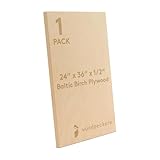
I remember the first time I tried to build a simple outdoor bench. The lumberyard guy, bless his soul, just pointed at a stack of what he called ‘outdoor grade’ plywood and said, ‘This should do ya.’ I slapped it down directly on some damp soil, thinking, ‘How bad can it be?’ Fast forward six months, and that bench looked like a science experiment gone wrong. Soft spots, fuzzy edges, the whole nine yards. So, the question is, can any plywood touch the ground? The short answer is a resounding ‘hell no’ for most of it.
It’s a question many DIYers grapple with, especially when projects involve ground contact. You see all sorts of advice online, some good, some downright dangerous to your wallet and your project’s lifespan. This isn’t about fancy jargon; it’s about what actually survives the elements and keeps your hard-earned money from turning into mulch.
The Grim Reality of Regular Plywood and Moisture
Let’s get one thing straight from the get-go: standard construction-grade plywood, the kind you slap together for interior walls or furniture that lives inside your cozy home, is NOT designed to meet the earth. Imagine taking a stack of pancakes, dousing them in water, and then expecting them to hold their shape. That’s pretty much what happens when moisture gets into regular plywood. The glue holding those thin layers of wood together starts to break down, and the wood fibers themselves swell, warp, and eventually rot.
I learned this the hard way building some raised garden beds. I used what I thought was decent exterior-grade plywood, figuring ‘exterior’ meant it could handle a bit of weather. Big mistake. The bottom edges that sat directly on the soil became a soggy, disintegrating mess within a year. The soil then wicked moisture up into the rest of the panel, and slowly but surely, the whole structure started to sag. It wasn’t just unsightly; it was a structural failure waiting to happen. I ended up having to rip it all out and start over, costing me twice as much in materials and a whole lot of wasted weekends.
The core issue with most plywood is its layered construction. While some are glued with water-resistant glues, the wood itself is still susceptible. Think about it: it’s thin veneers of wood pressed together.
Once water seeps into those edges or faces that are in constant contact with damp ground, it’s like a slow-motion invasion. Capillary action pulls moisture up through the layers, and if temperatures drop below freezing, that trapped water expands, further damaging the wood. Even if it doesn’t rot outright, the swelling and shrinking cycle will cause it to delaminate and lose its structural integrity. So, when you’re asking ‘can any plywood touch the ground,’ the answer for standard stuff is a firm no.
It’s like wearing silk to a mud-wrestling match – it’s just the wrong tool for the job.
What Actually Stands Up to the Ground: Pressure-Treated Lumber
Alright, so if regular plywood is out, what’s the go-to for anything that’s going to be in direct contact with soil or be exposed to significant moisture? The undisputed champion is pressure-treated lumber. This isn’t just wood that’s been painted or sealed; it’s wood that has been chemically treated under high pressure to resist rot, decay, and insect infestation. The chemicals are forced deep into the wood fibers, providing protection from the inside out. (See Also: Can A Cricut Cut 1 4 Plywood )
For ground contact applications, you need to look for lumber that is rated for ‘ground contact.’ This usually means it’s been treated with a higher concentration of preservatives or specific types of preservatives designed for this harsh environment. You’ll often see it stamped or branded with a ‘ground contact’ label. Don’t skimp on this detail.
Using lumber rated for above-ground contact when you intend to put it in the ground is a false economy. It’ll rot faster, and you’ll be replacing it sooner than you think. I made this mistake once with some deck posts, and the difference in longevity between the ground contact rated and the above-ground rated ones was stark. The above-ground ones started showing signs of decay near the soil line after about five years, while the ground contact ones were still going strong a decade later.
The treatment process involves impregnating the wood with chemical solutions, typically copper-based compounds like alkaline copper quaternary (ACQ) or copper azole (CA), or sometimes newer formulations. These chemicals are designed to be toxic to fungi and insects that cause wood to decay. While some people have concerns about the chemicals, modern pressure-treated lumber is generally considered safe for its intended uses when handled properly. Always wear gloves when handling it and avoid burning scraps, as the fumes can be toxic.
Plywood for Ground Contact: Is It Ever Possible?
This is where things get a little nuanced, and frankly, where a lot of online advice leads you astray. Can any plywood touch the ground? If we’re talking about standard plywood you grab at the big box store? No. But there are specialized types of plywood that can be used in situations where they will have some exposure to moisture or the ground, provided they are used correctly and aren’t the sole barrier between the ground and your project.
The closest you get to ‘ground-contact plywood’ is often referred to as Marine-grade plywood or Exterior-grade plywood that has been specifically manufactured for durability in wet conditions. Marine-grade plywood, for instance, uses waterproof glue (like WBP – Weather and Boiling Proof) and is made from durable wood species with very few core gaps, meaning fewer places for water to penetrate. However, even the best marine-grade plywood isn’t usually rated for direct, continuous contact with soil in the same way pressure-treated lumber is. It’s more about resisting splash-back, humidity, and occasional wetness.
There are also specialized composite panels, sometimes made with plastic resins or a combination of wood fibers and polymers, that are designed for ground contact. These are significantly more expensive than standard plywood. If you see plywood being recommended for things like concrete forms that will be in contact with the ground, it’s often a specific type, or it’s expected to be discarded after one use. For a permanent structure like a deck, shed floor joists (though these are typically lumber, not plywood), or retaining walls, using plywood directly against the ground is a recipe for disaster unless it’s a very specific engineered product or it’s protected.
My own experience with trying to make plywood ‘work’ on the ground involved a lot of sealing, painting, and then more sealing. I built a small shed base using exterior plywood, but I then laid down a thick layer of gravel and used pressure-treated skids as a barrier between the plywood and the soil. It wasn’t direct ground contact, but it was close enough to make me nervous. Even then, I used a really good exterior sealant and painted the underside. It’s still holding up, but I wouldn’t do it again if I could afford to use pressure-treated lumber for the entire base. (See Also: Can A 4x8 Plywood Fit In A Honda Pilot )
Common Mistakes and What to Avoid
The biggest mistake people make is assuming ‘exterior grade’ means ‘ground-proof.’ It doesn’t. Exterior grade means it can withstand some exposure to the elements – rain, sun, fluctuating temperatures – but it’s not meant to be a sponge soaking up moisture from the soil 24/7. The glue might be water-resistant, but the wood itself will eventually degrade when constantly damp.
Another common error is inadequate sealing or finishing. People slap some paint on and think they’re good. While a good quality exterior paint or sealant can offer a layer of protection, it’s rarely enough for direct ground contact. Think of it like trying to stop a flood with a single coat of house paint. The water pressure (or in this case, the persistent moisture from the soil) will eventually find its way through cracks, seams, or even the porous nature of the wood itself. Even specialized sealants have a lifespan, and they can be compromised by physical damage or UV exposure.
Here’s a table summarizing some common mistakes:
| Mistake | Why It’s Bad | Verdict |
|---|---|---|
| Using standard plywood for ground contact | Wood rots, glue fails, structural integrity lost quickly. | Avoid at all costs. |
| Relying solely on paint/sealant for protection | Offers limited, temporary protection against persistent moisture. | Insufficient for ground contact. |
| Using above-ground rated pressure-treated wood | Not treated for the harsh conditions of direct soil contact. | Will degrade prematurely. |
| Ignoring drainage | Standing water accelerates rot, even for treated wood. | Puts unnecessary stress on materials. |
| Not checking for ground contact rating on lumber | Leads to premature failure of treated wood. | Always verify the rating. |
Finally, people often neglect proper site preparation. Building directly on bare earth without considering drainage is a huge oversight. Even the best materials will struggle if they’re sitting in a puddle. Creating a gravel base, making sure the site slopes away from the structure, or lifting the structure slightly are all important steps that prolong its life. It’s about creating a system that sheds water, not one that traps it.
Practical Tips for Projects Near the Ground
When your project demands materials near or touching the ground, here’s what I’ve learned to do to avoid my earlier mistakes. First, always, always use pressure-treated lumber rated for ground contact. It’s designed for this. Don’t try to ‘save money’ by using something less. The cost of replacement down the line will far outweigh the initial savings.
Second, create a barrier. Even with ground-contact lumber, it’s a good idea to create a buffer between the wood and the soil. A layer of landscape fabric topped with several inches of gravel is an excellent way to improve drainage and reduce direct contact. This is especially important for structures like the base of a shed or a deck. You can also use specialized post bases or stirrups that lift the wood off the ground, allowing air to circulate and water to drain away freely.
Third, proper joint construction matters. When you’re connecting pieces of wood that will be near the ground, think about how water will flow. Avoid creating little pockets where water can pool. Use corrosion-resistant fasteners (like hot-dipped galvanized or stainless steel) because treated lumber can be corrosive to standard fasteners. I once used regular screws on a deck project, and within a couple of years, the heads were rusted away, and the connections started to weaken. It’s a small detail, but it makes a big difference in the long run. (See Also: Can Bondo Be Applied To Plywood )
Fourth, consider ventilation. If you’re building something like a planter box or a raised bed, make sure there are drainage holes at the bottom. For larger structures, allowing for airflow around the base can significantly reduce moisture buildup. This is why modern deck designs often incorporate gaps between deck boards and around the edges.
Fifth, if you absolutely must use plywood in a situation where it might get damp (and I’m talking about above ground, but exposed to splash-back, not buried), use the highest quality exterior or marine-grade plywood you can find, and apply multiple coats of a high-quality exterior sealant or marine varnish. Pay special attention to the edges, as these are the most vulnerable parts. Reapply sealant periodically as part of your maintenance routine. But again, for anything truly in contact with the ground, pressure-treated lumber is the way to go.
The Faq: Answering Your Burning Questions
What Kind of Plywood Can Be Used Outdoors?
For outdoor use, you need exterior-grade plywood or marine-grade plywood. Exterior plywood uses water-resistant glue, while marine-grade plywood uses waterproof glue and is typically made from more durable wood species with fewer voids, making it more resistant to moisture and decay. However, neither is inherently rated for direct ground contact.
Is All Pressure-Treated Lumber Safe for Ground Contact?
No. You must specifically look for pressure-treated lumber that is rated for ‘ground contact.’ Lumber rated only for ‘above-ground’ use will not withstand the constant moisture and potential decay from being in direct contact with soil and will fail much sooner.
Can I Use Plywood for a Shed Floor That Touches the Ground?
It’s strongly advised against using standard plywood directly on the ground for a shed floor. The moisture from the soil will cause it to rot quickly. A better approach is to build a frame with pressure-treated lumber (rated for ground contact), lay down gravel for drainage, and then attach your plywood floor to that frame, making sure there’s a barrier between the plywood and the soil.
How Long Does Plywood Last When in Contact with the Ground?
Standard plywood in direct contact with the ground will likely start to degrade and rot within a year or two, depending on the climate and soil conditions. Even exterior or marine-grade plywood, without proper protection and elevation, will not last long under these conditions. Pressure-treated lumber rated for ground contact can last for decades.
Conclusion
So, to circle back to the million-dollar question: can any plywood touch the ground? The honest, blunt truth is that for any lasting, reliable project, you should avoid direct ground contact with plywood like the plague. It’s an expensive lesson in the making.
Pressure-treated lumber rated for ground contact is your best bet for anything that’s going to be in constant proximity to soil. If you’re building something where plywood is necessary, make sure there’s a solid barrier between it and the earth, and consider it a component that needs protecting, not a standalone solution for ground contact.
Next time you’re planning a project that involves the ground, remember the soggy bench and the failed garden beds. Choose the right materials from the start, and you’ll save yourself a world of heartache and cash. It’s not about what can touch the ground, but what should.