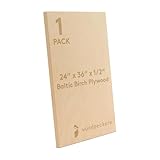
I remember the first time I saw my Flemish Giant, Bartholomew, gnawing on the corner of his brand new, supposedly ‘chew-proof’ enclosure. My heart sank. I’d spent a small fortune on that thing, convinced it was the Rolls-Royce of rabbit housing. Bartholomew, however, seemed to think it was a particularly uninspired log. This brings me to a question that might be rattling around in your head if you’ve got a bunny with a penchant for destruction: can bunnies chew plywood? It’s a question that deserves a straight answer, not the usual corporate fluff you find online.
Let’s cut to the chase: yes, they absolutely can. And whether they should is a whole other ballgame, one that involves safety, practicality, and your sanity.
The Temptation: Why Plywood Calls to Your Rabbit
Look, rabbits are chewers. It’s not a hobby; it’s a biological imperative. Their teeth grow constantly, like fingernails on steroids, and they need to wear them down. If they don’t, those teeth can overgrow, causing all sorts of painful problems, from difficulty eating to abscesses. So, when you put a rabbit in an environment, especially a new one, they’re going to assess its chewability. Plywood, with its layered texture and sometimes slightly splintery edges, can be incredibly appealing to a rabbit’s instinctual need to gnaw and explore with their mouth.
I learned this the hard way when I was building a custom hutch for my first rabbit, a feisty Netherland Dwarf named Thumper. I’d opted for what I thought was a durable, affordable solution: a good chunk of untreated plywood for the base and walls. I figured, ‘It’s wood, it’s sturdy, what’s the harm?’
Thumper, bless his tiny, destructive heart, had other ideas. Within a week, he’d managed to excavate a significant tunnel through one of the lower panels. It looked like a miniature, furry archeological dig.
The dust everywhere was a nightmare, and I spent a frantic evening trying to figure out how to repair the damage without exposing him to anything toxic. That was my ‘aha!’ moment: plywood is not an inert, bunny-safe building material by default. It’s a potential snack bar, and not always a healthy one.
The appeal for bunnies often comes down to texture and taste. Some bunnies are drawn to the slightly rough surface of plywood, finding it satisfying to scrape their teeth against. Others might be attracted to the smell of the wood itself, or even the glues used in its construction (which is where the real danger lies). If you’ve ever felt the grain of a piece of plywood, you understand. It’s got a satisfying roughness that’s different from, say, a smooth pine board. Rabbits are sensory creatures; they explore the world with their mouths and noses, and plywood presents a novel texture and scent profile.
Common advice often suggests providing a variety of chew toys to satisfy this need. And that’s true, you absolutely should. But it doesn’t negate the fact that given the opportunity, a bored or curious bunny will investigate anything and everything in their enclosure. If plywood is part of that enclosure, and it’s not properly secured or protected, it’s fair game. So, while the instinct to chew is natural, the material you provide needs to be chosen with extreme care. It’s not just about providing something to chew; it’s about providing the right thing, and keeping the wrong things out of reach.
The Risks: What Happens When Bunnies Chew Plywood
Okay, so they can chew it. But what are the actual risks involved when bunnies chew plywood? This is where things get a bit dicey, and frankly, where a lot of well-meaning pet owners make mistakes. The primary concern with plywood isn’t usually the wood itself, but what’s holding it together: the glue and any finishes.
Most standard plywood is made by layering thin sheets of wood veneer and bonding them with adhesives. These adhesives can contain formaldehyde, urea-formaldehyde, and other chemicals that are perfectly fine for human construction projects but can be toxic to small animals who ingest them.
Rabbits have delicate digestive systems. If they chew off and swallow significant amounts of glued plywood, they can experience gastrointestinal upset, chemical poisoning, or even blockages. I had a friend whose rabbit got sick after chewing on some cheap shelving made from particle board (a close cousin to plywood in terms of binders). The vet bill was eye-watering, and the rabbit was lethargic for days. (See Also: Can A 4x8 Plywood Fit In A Honda Pilot )
It was a stark reminder that not all ‘wood’ products are created equal for our furry friends.
Another significant risk is splinters. While good quality plywood has a relatively smooth surface, cheaper varieties can have rough edges or internal layers that can splinter. A rabbit’s mouth and digestive tract are not designed to handle sharp, indigestible shards of wood. Ingesting splinters can lead to internal abrasions, perforations in the gut, and severe pain.
It’s the kind of thing that keeps you up at night, wondering if that little nibble your rabbit took is going to cause a major emergency down the line. I’ve seen pictures of rabbits who’ve had to have surgery for intestinal blockages caused by ingesting non-food items, and it’s not pretty.
The thought of plywood splinters contributing to that is enough to make me avoid it altogether for direct rabbit contact.
Beyond the immediate chemical and physical dangers, there’s the issue of digestibility. Rabbits are hindgut fermenters, meaning they rely on a complex digestive process involving bacteria in their cecum to break down fibrous plant matter. Plywood, being manufactured and non-fibrous in the way hay or greens are, doesn’t fit into this system. It’s basically indigestible. If a rabbit consumes large quantities, it can lead to a slowdown or stoppage of their gut, a condition known as GI stasis, which is a life-threatening emergency. It’s not a question of if they can chew it, but what happens when they do, and the answer to that can be grim.
| Material | Rabbit Safety Verdict | Why |
|---|---|---|
| Untreated Pine/Fir (kiln-dried) | Generally Safe (in moderation) | Natural wood, good for chewing. Kiln-drying reduces potential irritants. |
| Aspen | Safe | Soft, safe wood often used in small animal bedding and toys. |
| Willow | Safe | Chewy and appealing, often found in commercial rabbit toys. |
| Plywood (standard construction grade) | UNSAFE | Glues/adhesives can be toxic; risk of splinters and indigestible material. |
| Treated Lumber (pressure-treated, stained) | EXTREMELY UNSAFE | Chemicals used for preservation are highly toxic. |
Plywood Alternatives: What to Use Instead
Given the risks, it’s clear that standard plywood is not a rabbit-friendly material for anything your bunny might chew or ingest. So, what should you use if you’re building or modifying a rabbit enclosure? Thankfully, there are plenty of safer, more appropriate options out there. The key is to stick to natural, untreated woods, or materials specifically designed for pet use.
For the main structure of an enclosure, untreated kiln-dried pine or fir is a popular choice. ‘Kiln-dried’ is important because it means the wood has been heated to kill any potential parasites or mold spores.
Avoid cedar and pine that isn’t kiln-dried, as these can contain aromatic oils that are irritating to a rabbit’s respiratory system. You can find these at most lumber yards or hardware stores. Make sure it’s untreated – no stains, sealants, or pressure treatments. If you’re really concerned about the rabbit chewing the actual structure, you can line the interior walls with a hard, safe material like corrugated plastic (often called Coroplast) or even linoleum (make sure it’s non-toxic and securely attached so they can’t get under it).
When it comes to providing things to chew on, the options are endless and much more appealing for your rabbit. Think untreated willow branches, applewood sticks (make sure they’re from an unsprayed tree), or commercially available chew toys made from natural fibers like hay, seagrass, or cardboard. Cardboard itself is a fantastic, safe chew. You can get plain cardboard boxes or tubes and let your rabbit go to town. It’s cheap, readily available, and highly satisfying for them. I’ve seen bunnies spend hours happily shredding a plain Amazon box. It’s a much better use of their energy than trying to eat through a wall.
Some people opt for rabbit-safe plastics or metals for certain parts of an enclosure. For example, wire flooring (though many experts advise against solid flooring for rabbits) is metal, and some toys are made from hard, safe plastics. (See Also: Can Bondo Be Applied To Plywood )
The important distinction is that these are intended for pet use and are made with non-toxic materials. If you’re building something custom, like a ramp or a platform, always err on the side of caution. If you can’t find definitive information that a material is safe, assume it’s not. My personal rule of thumb is: if it’s not something I’d feel comfortable letting my rabbit ingest in small amounts, it’s not going in their enclosure.
This philosophy helped me avoid costly mistakes and kept my bunnies healthy and happy.
The “plywood Question” in Practice: Real-World Scenarios
Let’s talk about how this plays out in real life. You’ve got a rabbit, and you’re thinking about their living space. Maybe you inherited an old hutch, or you’re looking at DIY plans online. The question of can bunnies chew plywood comes up when you’re trying to make practical decisions about materials.
One common scenario is using plywood as a base for an outdoor hutch. The idea is that it protects the rabbits from damp ground and makes cleaning easier. However, if the plywood is exposed, it will eventually be chewed. Rabbits are curious and can get to corners or edges.
Even if it’s treated for outdoor use, those treatments are often not rabbit-safe. A better approach for outdoor hutches is to use a solid base made of thicker, untreated wood (like a solid 1×6 or 1×8 plank construction) and then cover the inside of the hutch with a safe, chew-resistant material like linoleum or a thick plastic sheeting. Make sure there are no gaps where the rabbit can access the edges of the plywood or the underlying material. You want to create a barrier, not a buffet.
Another scenario is using plywood for walls or dividers within a larger rabbit habitat, especially if you’re trying to section off areas. Again, the adhesive issue is most important.
Some people might argue that if the plywood is sealed or painted with non-toxic, pet-safe paint, it’s fine. While this can reduce the risk, it doesn’t eliminate it entirely. Rabbits can chew through paint, and they can still access the edges of the wood where the glue is most concentrated.
The most foolproof method is to avoid plywood altogether for any surface a rabbit can reach. If you absolutely must use it as a structural element, make sure it is completely covered and inaccessible to the rabbit. Think of it like child-proofing; you remove the hazard, or you create an impenetrable barrier.
I once saw a setup where someone had used plywood for the floor of a raised enclosure, but they had then covered the entire surface with thick, heavy-duty carpeting. The carpeting itself posed a risk if ingested in large quantities, but the real problem was that the rabbit had already started tunneling under the carpet at the edges, reaching the plywood beneath. It was a cascade of bad decisions, all stemming from using a material that wasn’t ideally suited for direct contact. This taught me that even if you try to ‘rabbit-proof’ a questionable material, it’s often just a matter of time before they find a way through. It’s far simpler and safer to choose the right material from the start.
Common Mistakes When Building Rabbit Enclosures
- Using treated lumber or plywood with toxic glues.
- Not providing enough ventilation, leading to respiratory issues.
- Creating floors that are too hard or slippery (wire floors are a no-go for most rabbits).
- Leaving gaps or edges where small animals can get trapped or chew exposed materials.
- Not considering the rabbit’s need for space to move, hop, and stand up fully.
The Long-Term View: Rabbit Health and Plywood
When we talk about whether can bunnies chew plywood, we’re not just talking about a temporary annoyance or a quick fix for a bored rabbit. We’re talking about long-term health. Rabbits can live for 8-12 years, sometimes even longer. The choices you make about their environment and the materials you use have a direct impact on their well-being throughout their lives. (See Also: Can Cat Plywood Be Used For Exterior Siding )
Constantly exposing a rabbit to potentially toxic fumes from glues or finishes, even in small amounts, can lead to chronic respiratory problems or other subtle health issues that are hard to diagnose. The same goes for ingestion risks. Even if a rabbit only nibbles a small amount of plywood and doesn’t immediately get sick, repeated exposure could contribute to digestive sensitivities or a predisposition to gut issues. Vets often see rabbits with chronic, unexplained digestive problems, and sometimes the culprit is something in their living environment that wasn’t considered a major risk.
I’ve always operated under the principle that it’s better to be overly cautious when it comes to my pets. My approach to building or modifying rabbit habitats has always been to prioritize safety and natural materials. I’d rather spend a little more upfront on untreated kiln-dried pine or aspen than risk a hefty vet bill or, worse, the loss of my pet due to a preventable accident. The cost of a few safe wooden boards is negligible compared to the emotional and financial cost of a sick animal.
It’s also about enrichment. While chewing on plywood might satisfy a physical need to gnaw, it doesn’t offer the same kind of stimulation as natural wood, hay-based toys, or cardboard structures. Rabbits benefit from a variety of textures and smells in their environment. Providing them with safe, engaging items that encourage natural behaviors like burrowing, shredding, and exploring is far more beneficial for their mental and physical health than simply giving them something hard to break down. Think about it: would you rather eat a piece of processed cardboard or a fresh apple? The rabbit has similar preferences when it comes to what feels good and natural to their bodies.
Frequently Asked Questions About Rabbits and Plywood
Can Bunnies Eat Plywood?
No, bunnies should not eat plywood. While they can chew it, the glues and adhesives used in its construction can be toxic, and the material itself is indigestible. Ingesting plywood can lead to serious health problems, including poisoning and intestinal blockages.
Is Plywood Safe for Rabbit Cages?
Standard construction-grade plywood is generally not considered safe for direct contact within rabbit cages. The risk of ingesting toxic glues or splinters is too high. If plywood is used structurally, it must be completely covered with safe materials and inaccessible to the rabbit.
What Kind of Wood Is Safe for Rabbits to Chew?
Safe woods for rabbits to chew include untreated kiln-dried pine, aspen, and willow. Applewood (from unsprayed trees) is also a good option. Always make sure the wood is free from pesticides, treatments, or toxic resins.
Can Rabbits Chew on Cardboard?
Yes, plain cardboard is generally safe and highly recommended for rabbits to chew and play with. It provides excellent mental stimulation and helps wear down their teeth. Make sure it’s free from excessive inks, glues, or plastic tape.
What Should I Do If My Rabbit Chews Plywood?
If you discover your rabbit has been chewing on plywood, remove them from the area immediately and inspect their mouth and surrounding area for any signs of injury or ingested material. Monitor them closely for any changes in behavior, appetite, or droppings. If you notice any signs of illness, such as lethargy, reduced appetite, or digestive upset, contact a rabbit-savvy veterinarian immediately.
Final Verdict
So, to answer the burning question directly: yes, bunnies can chew plywood. But just because they can doesn’t mean they should, and it certainly doesn’t mean it’s safe for them. The potential risks from glues, chemicals, and splinters are simply too high to ignore when it comes to the health of your pet. I’ve seen firsthand how quickly curiosity can turn into a costly problem, and trust me, you don’t want to be dealing with a sick rabbit because of a building material.
My advice? Avoid it like the plague for anything your rabbit can reach. Stick to natural, untreated woods like kiln-dried pine or aspen, or use safe alternatives like cardboard and hay-based toys. Your rabbit’s health and your peace of mind are worth more than cutting corners on materials. When in doubt, always err on the side of caution and choose the safest option available.