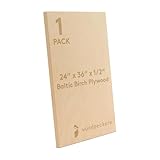
Look, I’ve been burned by fancy-sounding building materials before. Spent a fortune on something that promised the moon and delivered… well, less than a crater. So when I first heard about can am gold plywood panels, my BS detector went off like a fire alarm.
Is it just another overhyped product designed to lighten your wallet? Or is there actually something to this stuff? I’ve spent a good chunk of time digging into what these panels are, who they’re actually for, and whether they’re worth your hard-earned cash. Let’s cut through the noise.
What the Heck Are Can Am Gold Plywood Panels?
Alright, let’s get down to brass tacks. When you hear ‘can am gold plywood panels,’ you might picture something gleaming and fancy. The reality is a bit more… practical. Basically, these are specialized plywood sheets designed for specific applications, often related to construction, industrial use, or even some high-end DIY projects where a particular finish or durability is required. The ‘Gold’ in the name isn’t usually about literal gold flecks (though sometimes companies use fancy marketing names); it typically refers to a specific grade, finish, or performance characteristic that sets it apart from standard construction-grade plywood. Think of it like naming a steak cut – ‘Prime’ means something different than ‘Select’, right? This is similar, but for wood products.
The construction of these panels is key. While they’re still made from layers of wood veneer glued together, the quality of the wood, the type of glue used, and the pressing process are often higher-spec than your basic OSB or fir plywood you’d grab for framing a shed. This means they’re generally stronger, more stable, and can withstand moisture or impact better. I remember needing some panels for a workbench build a few years back.
I initially grabbed some cheap stuff, and within six months, it was warping like a pretzel from spilled cleaning fluids. That’s when I started looking for something more solid, and that’s how I first stumbled onto the idea of ‘premium’ plywood options, which is where can am gold plywood panels fit in.
The face veneers might be smoother, with fewer knots or imperfections, leading to a cleaner surface for painting or finishing. The core layers are also selected for strength and to minimize voids, which are those annoying air pockets you find in cheaper plywood that can cause delamination or weak spots.
This attention to detail in manufacturing translates directly into performance. For certain applications, like the side panels of a custom tool cabinet or a durable flooring underlayment in a workshop, that extra stability and resistance to damage are what you’re paying for.
It’s not just a piece of wood; it’s engineered wood designed for a tougher job. So, if you’re just building a backyard birdhouse, maybe this is overkill. But if you’re building something that needs to last and take a beating, it’s worth understanding what makes these panels different.
Why Not Just Use Regular Plywood? The Real Differences
Here’s where I get a bit opinionated, because I’ve seen too many people waste money or end up with shoddy results by thinking all plywood is created equal. It’s not.
The main difference boils down to quality, performance, and intended use. Standard construction-grade plywood, like CDX, is designed for basic structural integrity. It’s cheap, it does the job for sheathing walls or making temporary forms, but it’s not meant for high-traffic areas or where aesthetics matter beyond a basic coat of paint. It’s got voids, rough faces, and can easily delaminate if it gets wet for too long. (See Also: Can A 4x8 Plywood Fit In A Honda Pilot )
I once tried to use some regular plywood for a custom shelving unit in my garage that had to hold some pretty heavy tools. I thought I was saving money. Big mistake.
About a year later, the shelves started sagging visibly, and I had one shelf outright fail. That’s when I realized the ‘cost savings’ of cheap plywood can bite you hard in the long run.
Can am gold plywood panels, on the other hand, are typically manufactured with higher standards. This often means:
| Feature | Standard Plywood | Can Am Gold Plywood Panels | Verdict |
|---|---|---|---|
| Face Veneer Quality | Often knotty, rougher grain, visible imperfections. | Smoother, finer grain, fewer knots, often sanded. | Gold is better for finishing. |
| Core Void Content | Can have significant voids, leading to weaker spots. | Minimal voids, stronger and more stable core. | Gold is structurally superior. |
| Glue Type & Strength | Standard interior or exterior glue (can be less resistant to moisture/heat). | Often uses higher-grade adhesives for increased strength and moisture resistance. | Gold offers better longevity. |
| Dimensional Stability | More prone to warping, swelling, or shrinking with humidity changes. | Better resistance to warping and dimensional changes. | Gold holds its shape better. |
| Cost | Lower. | Higher. | Gold is an investment. |
The ‘Gold’ designation often implies that the panel meets certain quality benchmarks for appearance and structural soundness. This could mean it’s rated for specific load-bearing applications, has a superior surface finish for painting or veneering, or is made with adhesives that offer enhanced durability against moisture and chemicals. For instance, if you’re building a high-end cabinet that needs a flawless painted finish, using a standard plywood might require a ton of filling and sanding to hide the imperfections. With a higher-grade panel, you get a smoother canvas from the start. It’s about saving labor and achieving a better end result. That’s a trade-off I’m willing to make when the project calls for it.
Common Mistakes People Make (and How to Avoid Them)
One of the biggest blunders I see, and honestly, I’ve made it myself more times than I care to admit, is buying plywood based solely on price. You walk into the lumber yard, see a stack of panels that look kinda like what you need, and grab the cheapest ones. Then, a few months down the line, you’re dealing with warping, delamination, or a surface that’s impossible to finish properly. For can am gold plywood panels, this mistake is even more pronounced because you’re paying a premium for specific qualities. If you don’t understand what those qualities are or why you’re paying more, you might as well have bought the cheap stuff.
Another common pitfall is using the wrong grade for the application. Just because it’s ‘gold’ doesn’t mean it’s magic. If you need extreme moisture resistance for an outdoor structure, you still need to check the specific specs.
Some high-grade panels are excellent for interior furniture or workshop use but might not be rated for constant exposure to the elements without proper sealing. Always read the manufacturer’s specifications. They’re there for a reason. I once tried to save a buck by using a supposedly ‘exterior grade’ plywood for a potting bench.
It looked great for a year, but then the edges started to fray and delaminate from the constant dampness. Turns out, my particular panel wasn’t designed for direct, prolonged water contact without significant sealing. Lesson learned: specifics matter.
Over-sanding is another sneaky one, especially with nicer panels. You get a beautiful, smooth surface and think, ‘I can just put a clear coat on this.’ But then you start sanding, maybe with too coarse a grit or too aggressively, and you start to chew up the face veneer, leaving swirl marks or an uneven appearance that’s even harder to fix than the original minor imperfection. My rule of thumb now: start with a finer grit sandpaper than you think you need, and always sand with the grain. For can am gold plywood panels, a light touch with 150-grit sandpaper followed by a 220-grit is usually plenty for most finishes. (See Also: Can Bondo Be Applied To Plywood )
It’s about enhancing the surface, not remodeling it. Lastly, improper storage is a killer. Plywood, even the good stuff, can warp if stored flat on an uneven surface or leaned against a wall at a bad angle.
Keep it flat, supported, and ideally in a dry environment.
Can Am Gold Plywood Panels vs. Mdf
This is a common question people have when looking at panel materials. MDF (Medium-Density Fiberboard) is made from wood fibers, resin, and wax, all pressed together. It’s incredibly dense and provides a super smooth, uniform surface that’s fantastic for painting and intricate cuts.
However, MDF is heavy, susceptible to water damage (it swells like a balloon if it gets wet), and doesn’t hold screws nearly as well as plywood. Can am gold plywood panels, by contrast, offer better structural integrity, are generally more dimensionally stable in varying humidity, and hold fasteners more securely.
If you’re building something that needs strength and durability, especially if it might encounter any moisture or needs to be hung on a wall, plywood is usually the better bet. MDF is great for certain applications like decorative trim, speaker enclosures, or cabinet doors where the surface finish is most important and moisture isn’t a concern.
Practical Applications: Where Do These Panels Shine?
So, beyond just looking good on paper, where do can am gold plywood panels actually make a real difference? I’ve found them to be stellar for a few specific tasks where standard plywood just doesn’t cut it. Think of high-use workshop furniture. My workbench top is a prime example. I used a couple of layers of a premium plywood, sanded smooth and sealed with a tough polyurethane. It’s seen countless projects, had tools dropped on it, and various liquids spilled – and it still looks and feels solid. Standard plywood would have chipped, warped, or soaked up stains by now. This kind of durability is what you’re paying for.
Custom cabinetry is another area where these panels excel. If you’re building kitchen cabinets, built-in bookshelves, or entertainment centers, the smoother face veneer means you’ll spend less time filling and sanding before you get to the fun part: finishing. Whether you’re painting, staining, or applying a clear coat, a cleaner substrate makes for a much more professional-looking final product. I recall building some custom drawers for a client who wanted a very specific, high-gloss painted finish. I used a panel that had a really clean, tight grain and minimal voids. The result was so smooth, the client thought I’d used laminate, which was high praise. It definitely saved me hours of prep work compared to using a lower-grade material.
They’re also great for drawer bottoms and cabinet backs where you need something strong and stable that won’t sag or warp. You might not see these parts, but a flimsy bottom can ruin the function of a good drawer. For specialized projects, like making jigs for power tools or even some elements in custom RV builds or boat interiors where moisture and movement can be issues, the stability and strength of a higher-grade plywood like can am gold plywood panels are invaluable. It’s about choosing the right material for the job, and when the job demands superior performance, these panels are a solid choice. They’re not just pretty; they’re engineered to perform under pressure.
Tips for Buying and Working with Them
When you’re out looking for can am gold plywood panels, don’t just grab the first thing that has a similar name. Do a little homework. Check the manufacturer’s specifications. Look for information on the grade of veneers, the type of glue used, and any certifications regarding structural performance or emissions (like CARB compliance, which is important if you’re concerned about formaldehyde). Often, the supplier or manufacturer will have a spec sheet available online or at the point of sale. This is where you’ll find the real details that differentiate one panel from another, beyond just a fancy marketing term. (See Also: Can Cat Plywood Be Used For Exterior Siding )
Always inspect the sheets before you buy. Even high-grade plywood can have manufacturing defects. Look for:
- Consistent surface: Check for any large voids, delamination, or significant warping. Run your hand over the surface to feel for rough spots or inconsistencies.
- Edge quality: The edges should be clean and not show signs of delamination.
- Flatness: Stack the sheets and look down the edges to make sure they are as flat as possible. A slightly bowed sheet can be a nightmare to work with.
When it comes to cutting, treat these panels with respect. Use a sharp blade – a dull blade will tear out the nice veneer. A fine-toothed blade, like one used for hardwoods or melamine, works wonders.
If you’re making precise cuts, especially for furniture, consider using a track saw or a table saw with a good quality blade and a zero-clearance insert. A little trick I picked up for getting super clean edges is to score the cut line with a utility knife first.
This scores the veneer and helps prevent tear-out before the saw blade even hits the wood. For drilling, use sharp bits and consider backing your workpiece with a scrap piece of material to prevent blow-out on the exit side, especially when drilling through thinner panels.
Finally, remember that even the best plywood needs protection. If your project will be exposed to any kind of moisture, impact, or UV light, seal it properly. A good quality polyurethane, epoxy, or specialized exterior finish will dramatically extend the life and appearance of your can am gold plywood panels. Don’t skimp on the finish; it’s the last line of defense and important for preserving the investment you’ve made in the material itself.
Final Thoughts
So, are can am gold plywood panels worth the hype? For the right job, absolutely. They’re not some magic bullet for every project, and you’re definitely paying more than you would for basic construction lumber. But if you need that extra bit of stability, a smoother finish for paint or stain, or just a material that’s going to hold up better over time in a demanding environment, they’re a smart choice.
Don’t get swayed by fancy names alone; always check the specs. Understand what you’re buying and why it costs more. If you’re building something that matters, where durability and a professional finish are key, then investing in good materials like these panels is a no-brainer.
Next time you’re staring down a project that demands more than the bare minimum, consider if the premium for something like can am gold plywood panels is justified. Your future self, enjoying the finished result without the headaches, will thank you.