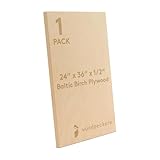
I remember staring at a stack of CDX plywood, wondering if I was being cheap or just plain stupid. My buddy, a contractor who’d seen it all, just shook his head and said, “That’s a recipe for disaster, man.” But here I was, on a shoestring budget, trying to figure out if CDX plywood could be used for interior walls without turning my DIY project into a moldy, splintery nightmare. It’s a question a lot of folks grapple with when they’re trying to save a buck, and honestly, the advice out there is all over the place.
Let’s cut to the chase: can CDX plywood be used for interior walls? The short answer is technically yes, but the longer, more honest answer involves a whole lot of ‘buts’ and ‘ifs’ that most people conveniently forget to mention.
What Even Is Cdx Plywood, Anyway?
Alright, let’s break down this “CDX” thing. It sounds like some kind of advanced tech, right? Nope. It’s basically shorthand for the grade of the plywood’s face and back veneers.
The ‘C’ means the back has a decent number of knots and imperfections – not pretty, but solid. The ‘D’ means the face has even more of those charming little surprises. The ‘X’ is the important part for structural stuff: it means the glue used to hold those thin layers of wood together is waterproof.
This is why you see CDX used for sheathing roofs and walls on the outside of a house, where it’s going to get rained on, snowed on, and generally abused by Mother Nature. It’s built to withstand the elements, not look pretty in your living room.
The big misconception is that because it’s “plywood,” it’s all the same. Far from it. There are different grades for different jobs. Exterior-grade plywood, like CDX, prioritizes strength and water resistance. Interior-grade plywood, on the other hand, focuses on appearance and is usually made with glues that aren’t meant to handle moisture. So, when you’re looking at CDX for an interior wall, you’re basically taking a material designed for the elements and bringing it inside. It’s like wearing your hiking boots to a fancy dinner – functional, sure, but maybe not the best aesthetic choice, and potentially overkill in ways you haven’t considered.
My first foray into using “cheaper” materials for something I wanted to look good was with some bargain-bin paneling. I thought, “It’s wood, it’ll look fine.” Big mistake. It warped within months, and I ended up ripping it all out and starting over, feeling like a complete idiot and out the cost of the wasted materials. That experience taught me that sometimes, the cheapest option upfront costs you more in the long run. CDX is in that same ballpark. It’s strong, sure, but its intended purpose and its inherent limitations are important to understand before you go slapping it up on an interior wall.
The Actual Nitty-Gritty: Can You Put Cdx on Interior Walls?
So, you’ve got your heart set on CDX for your interior walls. Let’s talk about why you might be considering it and what you’re really getting into. People often look at CDX because it’s readily available, cheaper than some other options, and it feels… substantial. It’s not flimsy like some of the thinner interior paneling you might find. Plus, if you’re going for a rustic, barnwood, or industrial look, that rough-sawn texture might seem like a feature, not a bug. You might think, “Hey, I can paint over the knots and imperfections, or stain it to look deliberately distressed.” I’ve seen people do it, and sometimes it works. But it’s a gamble.
The biggest hurdle isn’t structural integrity – CDX is strong enough to hold its own. The problem is the finish and the inherent quality of the wood itself.
The ‘D’ and ‘C’ ratings mean you’re going to have a lot of knots, voids, and grain tear-out. Trying to get a smooth, paintable surface can be a real pain. You’ll likely need a lot of wood filler, primer, and sanding to get it even remotely ready for a standard paint job. (See Also: Can A 4x8 Plywood Fit In A Honda Pilot )
If you’re thinking of a smooth, modern finish, forget it. You’re going to fight that plywood every step of the way. I once spent an entire weekend just trying to get one sheet of CDX smooth enough to prime for a simple white paint job.
It felt like wrestling an alligator.
Another angle to consider is VOCs (Volatile Organic Compounds). While not all CDX is created equal, the glues used for its exterior rating can sometimes off-gas more than interior-specific adhesives. If you’re sensitive to air quality, or if this is for a nursery or bedroom, it’s something to keep in the back of your mind. The industry has gotten better, but it’s still a valid concern. You’ll want to check the specific product’s documentation if air quality is a priority. Ultimately, while technically possible, using CDX for interior walls is often a compromise that requires a lot more work and carries more potential downsides than advantages for most common interior finishes.
People Also Ask: Is Cdx Plywood Good for Walls?
CDX plywood is primarily designed for exterior structural applications like roof and wall sheathing where its water-resistant glue and durability are beneficial against the elements. For interior walls, it can be used, but it’s often not the best choice due to its rough surface finish, presence of knots, and potential for grain tear-out, which makes achieving a smooth, aesthetically pleasing finish challenging without significant extra work.
When Cdx might Make Sense for Interior Walls (and When It Absolutely Won’t)
Okay, let’s be real. There are a few niche scenarios where slapping up CDX on an interior wall could be justifiable. Think of a garage, a workshop, a basement that’s going to be heavily used and abused, or maybe even a dedicated gaming room where aesthetics are secondary to durability and cost. If you’re building a fort for the kids out of scrap materials, or if you’re aiming for a super raw, unfinished, industrial look and you’re willing to embrace the imperfections, then sure, go for it. In these cases, the cost savings and the sheer toughness of CDX might outweigh the downsides of a less-than-perfect finish.
However, if you’re looking to create a living room, a bedroom, a kitchen, or any space where appearance matters, where you want a smooth, clean finish, or where you plan to hang anything heavier than a picture frame without worrying about finding a stud behind every inch, then CDX is probably not your best bet. The effort involved in making it look decent can easily double the labor cost and add materials you wouldn’t need with a proper interior-grade plywood or drywall. I’ve seen folks try to paint over CDX expecting a smooth finish and end up with a bumpy, knotty mess that looks like they gave up halfway through. It’s a visual disappointment that’s hard to fix later.
I had a friend who decided to panel his man cave with CDX because he wanted that “authentic” look. He ended up spending a fortune on wood filler and primer, and after weeks of sanding and painting, it looked… okay. But he admitted later that he probably would have been better off just using beadboard or even nice-looking drywall and saving himself the headache. The biggest mistake people make is underestimating the amount of prep work needed to make CDX look presentable as an interior wall finish. It’s a material that’s built for function, not for form, unless your form is intentionally rough and rustic.
People Also Ask: Is Cdx Plywood Stronger Than Regular Plywood?
CDX plywood is generally considered stronger and more durable than standard interior plywood in terms of its resistance to moisture and structural integrity due to the waterproof glue used. However, ‘strength’ can be relative to the application; for typical interior wall load-bearing, both grades are usually sufficient once properly installed. The key difference lies in the glue’s water resistance and the veneer quality.
A Contrarian Take: Why I’d Still Consider It… Sometimes
Now, here’s where I might get myself into trouble. Everyone says, “Don’t use CDX for interior walls!” And for the most part, they’re right. But I disagree that it never has a place. My contrarian opinion? If you’re going for a specific, intentional aesthetic, and you’re willing to put in the work, CDX can be a surprisingly effective material. I’m talking about a deliberate, unpainted, or heavily stained finish where the knots and grain are part of the charm. Think of a rustic cabin vibe, a brewery-style wall, or a feature wall in a youth room or a hobby space where a perfectly smooth finish isn’t the goal. (See Also: Can Bondo Be Applied To Plywood )
The key here is managing expectations and preparation. If you’re going to stain it, you need to be prepared for inconsistent absorption due to knots and varying wood density. You might need to seal the knots with a stain-blocking primer first. If you’re painting, you’ll need extensive priming and likely multiple coats of a high-quality paint, perhaps even a textured paint to hide some of the surface imperfections. I’ve seen some amazing accent walls created using CDX, but they involved a lot of sanding, a specific type of stain, and a clear coat that really leaned into the wood’s natural character. It wasn’t about hiding the CDX; it was about celebrating its raw nature.
What most people fail to grasp is that drywall, while seemingly easy, also has its own prep work: taping, mudding, sanding, priming, painting. It’s a different kind of labor, but it’s still labor. For a certain look, the labor involved in making CDX presentable might be comparable to or even less intensive than achieving a flawless drywall finish. However, this is a very specific use case. If your goal is a standard, smooth, paintable interior wall, then yes, save yourself the trouble and go with drywall or interior-grade plywood. But for that intentional, rugged look? Don’t dismiss CDX out of hand just because it’s the ‘exterior’ grade.
People Also Ask: What Is the Difference Between Cdx and Acx Plywood?
The primary difference between CDX and ACX plywood lies in the quality of the veneers used for the face and back. ACX plywood has an ‘A’ grade face, which is smooth, sanded, and virtually free of defects, making it ideal for painting or staining. The ‘C’ grade back is similar to CDX. CDX has ‘C’ and ‘D’ grade veneers for the face and back, meaning more knots, patches, and imperfections, making it less suitable for fine finishes but still structurally sound with waterproof glue.
The Practicalities: Installation and Finishing Tips
If you’ve decided to go ahead with using CDX for your interior walls, let’s talk about making it work. First off, selection is key. Go through the stack at the lumberyard and pick out the flattest sheets with the fewest really gaping voids or warped edges. It’s a bit of a treasure hunt, but worth the effort. You’ll want to acclimate the plywood to your interior environment for at least 48 hours before installation to minimize expansion and contraction once it’s up on the wall.
When you’re installing, treat it like any other wall paneling. Use appropriate fasteners – screws are generally better than nails for plywood to avoid popping. Make sure you’re hitting studs consistently, especially if you plan to hang anything substantial on the walls later. Because of its nature, you’ll want to pre-drill your screw holes to prevent splitting, especially near the edges. For a cleaner look, countersink your screws and plan to fill the holes later. This is where your wood filler comes in.
Now, for finishing. If you’re painting, you’ll need a good quality primer, ideally one that seals knots and stains. You might need two coats of primer. Sand lightly between coats. Then, apply your topcoat. Expect to use at least two coats of paint. If you’re staining, embrace the grain. Test your stain on a scrap piece first. You may need to use a wood conditioner to help the stain absorb more evenly. Again, sealing any problematic knots with a stain-blocking primer before staining is a smart move. Some people opt for a polyurethane or varnish to seal the surface and give it a bit of sheen, which can help minimize the appearance of imperfections.
Here’s a table summarizing some common interior wall surfacing options, including CDX:
| Material | Pros | Cons | My Verdict (for interior walls) |
|---|---|---|---|
| CDX Plywood | Cost-effective, strong, readily available, rustic aesthetic potential | Rough surface, knots, voids, difficult to get smooth finish, requires extensive prep |
Only for specific rustic/industrial looks or high-abuse areas (garage, workshop). High prep work for standard finishes. |
| Drywall | Smooth finish, widely accepted, relatively inexpensive material cost | Prone to damage, requires taping/mudding/sanding, dust intensive |
Standard choice for most interior walls. Reliable if done correctly. (See Also: Can Cat Plywood Be Used For Exterior Siding ) |
| Interior Plywood (e.g., Birch, Oak veneer) | Smooth, attractive face, stable, good for painting/staining | More expensive than CDX or drywall, can be susceptible to dents |
Excellent for a premium look. Worth the extra cost if aesthetics are most important. |
| MDF Paneling | Very smooth, easy to paint, consistent | Heavy, susceptible to water damage, can sag if not supported well |
Great for smooth, painted walls or wainscoting. Avoid in damp areas. |
Common Mistakes and What to Watch Out For
The biggest mistake I see people make when considering CDX for interior walls is underestimating the finishing work. They buy it because it’s cheap, slap it up, and then are shocked when it looks like, well, unfinished exterior sheathing. You need to go into it with your eyes wide open, understanding that you’re going to spend a significant amount of time filling, sanding, priming, and painting or staining. Don’t expect a quick or easy path to a smooth, professional finish.
Another common pitfall is not properly sealing the wood, especially knots, before painting or staining. Knots can bleed through paint and stain unpredictably, ruining the look you’re going for. Using a good quality knot-sealing primer is a must if you want a clean finish. I once tried to skimp on primer on a project and ended up having to repaint the entire wall because the knots kept showing through. It was a painful lesson in “buy it cheap, buy it twice.”
People also sometimes forget about the edges. When you cut CDX, the layers can delaminate or splinter. You need to be diligent about filling and sanding these cut edges to make sure they don’t look rough and unfinished. Furthermore, relying on CDX to hold screws for heavy items without hitting studs is a risky game. While the plywood itself is strong, the specific location you’re screwing into might be a void. Always aim for studs, and if you can’t, use appropriate anchors. It’s better to be safe than sorry when you’re hanging that TV or bookshelf.
People Also Ask: Can You Use Cdx Plywood for Subflooring?
Yes, CDX plywood is commonly used for subflooring, especially in situations where cost-effectiveness is a priority and the subfloor will be covered by a finished flooring material like carpet, tile, or vinyl. Its strength and waterproof glue make it suitable for this application. However, for finished flooring applications where the subfloor might be exposed or require extra flatness, higher grades of plywood or specific subflooring panels might be preferred.
The Final Verdict on Cdx for Interior Walls
So, after all this, can CDX plywood be used for interior walls? The short, blunt answer is: technically, yes, but usually, it’s a bad idea unless you know exactly what you’re getting into and have a specific aesthetic in mind. It’s a material designed for utility on the outside of your house, not for the polished look of your living space. If you’re looking for a smooth, paintable, or finely finished wall, you’re going to fight this material every step of the way. The labor and materials needed to make it look decent can quickly negate any initial cost savings.
However, if you’re building a workshop, a garage, a rustic-themed accent wall, or any space where rough texture is desired or imperfections are part of the charm, CDX might be a viable option. You’ll still need to put in the work: selecting good sheets, acclimating them, installing them carefully, and then meticulously prepping and finishing them. It requires a commitment to a specific look and a willingness to embrace the material’s inherent character. For most standard interior walls, though, I’d steer you towards drywall or a proper interior-grade plywood. It’ll save you time, frustration, and likely a better overall result.
Conclusion
Look, nobody wants to waste money, and I get the appeal of grabbing a stack of CDX plywood because it’s cheaper. But when it comes to finishing the inside of your home, the ‘cheap’ option often ends up costing you more in time and headache. If you’re aiming for anything other than a deliberately rustic or high-abuse area, you’re probably better off spending a little more upfront on materials that are actually designed for interior walls.
I’ve been there, trying to make something work that wasn’t quite right. It’s a slippery slope from saving a few bucks to redoing the whole job. So, can CDX plywood be used for interior walls? Yes, but think hard about why you’re considering it and whether you’re ready for the extra work. For most folks, the answer is a resounding ‘nah, let’s not.’”