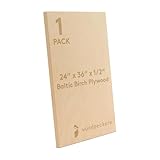
I once watched a buddy try to cram a full 4×8 sheet of ¾-inch plywood into his brand-new minivan. He wrestled with it for a solid fifteen minutes, sweating like he was in a sauna, before finally giving up and calling a buddy with a truck. It was a mess. So, I get it. You need to haul something awkward, and you’re wondering if your nice, comfortable family hauler can actually get the job done. Let’s talk straight about whether or not the Chrysler Pacifica can hold a sheet of plywood.
It’s not just about fitting it in, either. It’s about doing it without scratching your paint, denting your doors, or, you know, actually being able to drive the thing home.
Getting That Sheet of Plywood Inside: The Nitty-Gritty
So, can a Chrysler Pacifica hold a sheet of plywood? The short answer is yes, but with some serious caveats. This isn’t a pickup truck, folks. You’re not going to just toss it in the bed and be done with it.
The Pacifica is a minivan, designed for people, groceries, and the occasional stroller or kid’s sports gear. But, for those times when you absolutely need to move a 4×8 sheet and you’re staring down a Pacifica, understanding its limitations is key. The biggest hurdle is the opening.
While the sliding doors are wide, the height and angle aren’t exactly cavernous. You’re dealing with interior dimensions, not an open cargo bay. If you’ve got the second-row seats stowed, your potential cargo space opens up considerably.
The Stow ‘n Go seating system is a lifesaver here. You fold those seats flat into the floor, and suddenly, you’ve got a much longer, flatter surface to work with. For a standard 4×8 sheet of plywood, especially if it’s ½-inch or thinner, you’ll likely need to have those middle seats completely out of the way. Even then, it’s a tight fit.
You’re looking at about 10 feet of usable length with the second row folded. A standard 8-foot sheet (96 inches) plus a little extra for maneuvering? It’s possible, but it’s not going to be a casual toss-in. You’ll need to be strategic.
The trickiest part isn’t usually the length, it’s the width and getting it through the door. The 4×8 sheet is 48 inches wide. While the interior width is decent, the angle of the B-pillar and the shape of the door opening can make it a real squeeze.
I’ve seen people try to angle it in, tilt it, and generally contort themselves into pretzels just to get that last foot of the sheet past the doorframe. If the plywood is particularly thick, like ¾-inch or even 1-inch, you’re going to have an even harder time, and frankly, I’d advise against it for safety and to avoid damaging the van. The weight alone could be an issue, and the stiffness of thicker sheets makes them harder to maneuver.
My buddy, the one who ended up calling for help? He learned the hard way that just because you can technically get it in doesn’t mean you should. He ended up with a nasty scratch on his rear bumper trying to force it in at an angle, and a few new dings on the inside of his sliding door panels from the corners of the plywood scraping. It cost him more in repairs than renting a U-Haul would have. It’s a good reminder: measure twice, cut once, and know your vehicle’s limits before you even attempt to load something awkward.
The Important Role of Seat Configuration
This is where the magic (or the frustration) happens with the Pacifica: the seats. If you have the Stow ‘n Go system – and most Pacificas do – you’re in luck. This is the single biggest factor determining if you can haul that plywood.
When those second-row seats are deployed, your usable cargo length is significantly reduced, often to just shy of the back of the front seats. This is fine for groceries, luggage, or even a small piece of furniture, but for a full 4×8 sheet, it’s a non-starter. You must fold them. And I don’t just mean folding the seatbacks down.
You need to activate the mechanism to have them disappear into the floor wells. This process, when you’ve done it a few times, is pretty straightforward. You lift a lever, push the seat forward, then push down, and it sinks. It’s surprisingly satisfying when it works smoothly.
The challenge arises when you try to put a sheet of plywood in before stowing the seats, or only stowing one of them. This creates an uneven surface and dramatically limits your maneuverability. Plus, the exposed seat mechanisms can be a snagging hazard for the plywood, potentially damaging both the material and the van’s interior. It’s always best to have the entire floor as flat and clear as possible.
The third-row seats also fold flat, but they don’t disappear into the floor. They create a raised platform. While this is great for cargo, it means your maximum length is then measured from the back of the stowed second-row seats to the tailgate, with the third row folded down.
This usually gives you enough length, but you still have to contend with the width and the door openings.
I remember one time helping a friend move some shelving units. We had a 4×8 sheet of MDF, which is even more unwieldy than plywood because it’s heavier and more prone to breaking. We thought we’d be clever and just fold the third row. Big mistake. (See Also: Can A Cricut Cut 1 4 Plywood )
The front edge of the MDF kept catching on the folded seat structure. We ended up having to pull the second row seats down into the floor anyway.
It taught me that for maximum cargo hauling potential in a Pacifica, the Stow ‘n Go for the second row is practically a must for full sheets of material. Don’t be lazy with the seats; it’ll cost you more time and potential damage in the long run.
How to Properly Stow the Stow ‘n Go Seats
1. Make sure the vehicle is on a level surface and the parking brake is engaged.
2. For the second-row seats, locate the release lever(s) at the base of the seat.
3. Pull the lever(s) up to open the seat.
4. Push the seat forward to allow it to fold and begin sinking into the floor well.
5. Once the seat is fully stowed, make sure the floor panel is re-secured if applicable.
Weight and Size Considerations: More Than Just Fitting It In
Let’s be blunt: a Chrysler Pacifica is not designed for heavy-duty lumber yard runs. While it can physically accommodate a 4×8 sheet of plywood, you need to consider the weight.
A standard ½-inch, 4×8 sheet of plywood weighs about 50 pounds. A ¾-inch sheet can easily push 70-80 pounds. If you’re buying multiple sheets, you’re stacking up significant weight.
The Pacifica’s payload capacity is usually around 1,500-1,700 pounds, depending on the configuration. So, a few sheets of plywood alone won’t exceed the payload. The real concern is how that weight is distributed and how it affects the vehicle’s handling.
A heavy sheet sliding around in the back can be incredibly dangerous. It can shift during braking or cornering, potentially causing an accident or damaging the interior.
You need to secure it properly. I’ve seen people use ratchet straps and bungee cords, which are decent, but you need anchor points. The Pacifica has some, but they aren’t as solid as those found in a truck.
You’ll need to be creative and very sure of your tie-downs.
Then there’s the length. A 4×8 sheet is 8 feet long. With the second-row seats stowed in the Pacifica, you’re looking at around 10 feet of usable cargo length. This means the sheet will likely extend past the front seats, potentially resting on the dashboard or the front passenger seat.
This isn’t ideal. It can obscure your view, and if the material shifts, it could damage the dashboard or windshield.
You need to be very careful about how you position it and absolutely secure it so it doesn’t slide forward or backward. Some people use a pool noodle or some padding to protect the dashboard. I’ve also seen folks use a piece of lumber strapped across the back of the front seats to prevent the plywood from sliding forward too much, though this can sometimes interfere with visibility. (See Also: Can A 4x8 Plywood Fit In A Honda Pilot )
Here’s a real-world scenario: I once had to transport a couple of 4×8 sheets of ¼-inch lauan plywood. Much lighter and more flexible. I still had to stow the second-row seats.
Getting them in was easy enough, but positioning them so they didn’t bow too much and were securely tied down took about twenty minutes. The main issue was the overhang.
The sheets extended almost to the steering wheel. I had to drive very cautiously, making sure nothing shifted. I kept having this nagging worry that if I had to brake hard, those sheets would become projectiles. It wasn’t a comfortable drive, and I learned that day that while the Pacifica can do it, it’s far from the ideal tool for the job, especially for longer or heavier materials.
Protecting Your Pacifica: Scratches, Dents, and Damage
This is where most people go wrong. They get the plywood in, or at least they think they do, and then they start shoving. The interior of a minivan, especially a nice one like the Pacifica, is not built for rough materials. You’ve got plastic panels, upholstered seats (if you didn’t stow them perfectly), and painted surfaces that can get scratched with the slightest brush.
My first piece of advice? Cover everything.
Seriously. Use old blankets, moving pads, drop cloths, cardboard – whatever you have. Lay them on the floor, the sides of the vehicle, even the back of the front seats if the plywood will rest against them. Think of it like wrapping a fragile gift.
You wouldn’t just shove it into a box, right? You’d pad it.
When you’re loading the plywood, go slow. Have a helper if possible. Guide the sheet in carefully, especially over the sill of the door opening. Those sharp edges of the plywood can catch and tear upholstery or gouge plastic in an instant.
If you’re sliding it, make sure there’s nothing on the floor that can snag it. Sometimes, a small piece of cardboard or a thin plastic sheet underneath the edge of the plywood as you slide it can prevent major damage. Once it’s inside, don’t just let it sit there.
Secure it. Use ratchet straps to tie it down to the floor anchor points. If you don’t have good anchor points, get creative but safe. You might be able to strap it to the seatbelt buckles (make sure they are fully engaged and not strained in a way that damages them) or even use the child seat anchor points if absolutely necessary, though this is generally not recommended for heavy items.
The goal is to prevent any movement whatsoever.
I once saw a guy try to haul a sheet of drywall in his pristine SUV without any protection. By the time he got to his house, the drywall had left a nice, white powdery trail all over his black leather interior, and there were visible scuff marks where the edges had rubbed. It looked like a chalk fight had happened inside. He spent hours cleaning it. Don’t be that guy. A few minutes spent protecting your vehicle’s interior will save you headaches, cleaning time, and potential repair bills. It’s always better to be over-prepared when it comes to preventing interior damage. Especially with materials like plywood that have rough edges and can splinter.
Common Mistakes to Avoid When Loading Plywood
- Not stowing second-row seats completely.
- Trying to load without adequate help.
- Forcing the plywood through the door opening.
- Failing to protect interior surfaces (floors, doors, seats).
- Not securing the plywood adequately to prevent shifting.
- Overhanging the plywood too far forward, obstructing driver’s view.
Contrarian View: Is It Ever Worth It?
Okay, here’s where I might step on some toes. Everyone seems to think that if you have a minivan with folding seats, you’re automatically equipped for furniture moves and DIY material runs. I disagree.
While the Chrysler Pacifica can technically hold a sheet of plywood, and you can often find ways to make it work, I think for anything more than a single, thin sheet, you’re asking for trouble. Why? Because the Pacifica is still an enclosed vehicle with a relatively narrow and angled door opening compared to, say, a cargo van or even a large SUV with a completely flat, open rear. The process is fiddly, time-consuming, and fraught with potential for damage to both your vehicle and the material you’re trying to transport.
You spend more time worrying about what might get scratched or dented than you do enjoying the fact that you’re saving a few bucks on a rental. For that reason, I’d much rather rent a small pickup truck for a few hours or even a day. The cost difference is often minimal, and the peace of mind is enormous.
You’re not contorting yourself, you’re not worried about interior damage, and you can load and unload quickly and safely. (See Also: Can Bondo Be Applied To Plywood )
Think about it: you’ve got to wrestle this large, awkward, potentially splintery sheet into the van. You’ve got to make sure it doesn’t scrape the paint on the way in or out. You’ve got to tie it down securely, which can be tricky with limited anchor points.
And then, you have to drive home, hyper-aware of every bump and turn, praying that it doesn’t shift. Compare that to tossing a sheet of plywood into the bed of a pickup truck. It takes seconds.
You might throw a tarp over it if it’s raining, but that’s about it. The cost of renting a small U-Haul pickup for a few hours is usually in the $20-$50 range, depending on mileage. For the hassle, the stress, and the potential damage costs associated with trying to fit plywood into a minivan, that rental fee is well worth it.
It’s about efficiency and reducing risk. If you’re a contractor or a serious DIYer who moves lumber regularly, a minivan is simply the wrong tool for the job. If it’s a once-a-year emergency run for a single sheet, maybe, but even then, I’d be looking for alternatives.
Alternative Hauling Solutions for Diyers
When the Chrysler Pacifica’s cargo space, even with the Stow ‘n Go seats tucked away, isn’t quite cutting it for those larger DIY projects, you’ve got options. The most obvious is renting. For a few hours, you can get a pickup truck from places like U-Haul, Home Depot, or even some local rental agencies. This is usually the most cost-effective and practical solution for a single sheet of plywood or other bulky materials. The rental fees are typically low for short durations, and you get the proper cargo space without risking your personal vehicle. I’ve done this many times, and it always feels like the right call when the van is just too small or too precious.
Another option, if you have friends or neighbors with larger vehicles, is to simply ask for a favor. Many people are happy to help out a neighbor with a truck or a large SUV, especially if you offer to chip in for gas or buy them a round of beers. It builds community and saves you money. If you find yourself needing to haul materials with any regularity, consider investing in a roof-top cargo carrier.
While not ideal for long, flat sheets of plywood, some carriers can accommodate shorter lengths or bundles of smaller boards. For true lumber runs, though, a trailer hitch and a small utility trailer can be a worthwhile investment. Many Pacificas are equipped to tow, and a small trailer can significantly expand your hauling capacity without needing a truck. You can find decent utility trailers for a few hundred dollars, and they’re incredibly versatile for all sorts of DIY hauling needs, from lumber to gardening supplies to furniture.
Finally, for smaller projects or if you’re only buying a few smaller pieces of lumber, consider having your materials cut to size at the hardware store. Most home improvement stores offer cutting services, often for free or a nominal fee. You can then transport these smaller, more manageable pieces in your Pacifica without issue. It requires a bit of planning ahead – knowing your exact measurements – but it eliminates the need for risky hauling of full sheets. For example, if you need shelving for a closet, you can get the shelves cut to the precise width and depth at the store, and then simply load them into your minivan.
| Factor | Chrysler Pacifica (with seats stowed) | Small Pickup Truck (rental) | Verdict |
|---|---|---|---|
| Ease of Loading | Challenging (angling, maneuvering) | Easy (open bed) | Pickup Truck |
| Risk of Interior Damage | High (scratches, dents, upholstery tears) | Low (open bed, minimal interior) | Pickup Truck |
| Securing Cargo | Moderate (limited anchor points) | Good (multiple tie-down points) | Pickup Truck |
| Cost (short term, single trip) | Zero (if you own it, but potential repair costs) | Low ($20-$50 rental fee) | Tie (depends on risk tolerance) |
| Comfort/Stress | Low (requires caution, constant worry) | High (designed for hauling) | Pickup Truck |
Can I Fit a 4×8 Sheet of Plywood in a Chrysler Pacifica?
Yes, a 4×8 sheet of plywood can fit in a Chrysler Pacifica, but it’s a tight squeeze and requires careful preparation. You’ll need to fully stow the second-row Stow ‘n Go seats to maximize cargo length and flatten the floor. Even then, you’ll need to maneuver the sheet precisely through the door opening, as the width can be challenging. Thicker sheets (¾-inch and up) will be significantly harder to fit and maneuver, and are not recommended.
What Is the Maximum Cargo Length in a Chrysler Pacifica with Seats Stowed?
With the second-row Stow ‘n Go seats completely stowed and the third-row seats folded flat, the maximum cargo length in a Chrysler Pacifica is approximately 10 feet. This is generally sufficient for an 8-foot (96-inch) sheet of plywood, allowing for a small margin for maneuvering. However, the usable width and the angle of the door openings can make fitting wider items more difficult than the length might suggest.
Do I Need to Remove the Second-Row Seats to Fit Plywood?
You do not need to remove the second-row seats entirely; however, you absolutely must use the Stow ‘n Go feature to fold and stow them completely into the floor. This action creates a flat, extended cargo area that is important for fitting a full 4×8 sheet of plywood. Leaving the seats in their upright or even folded-down position will drastically reduce the available length and create an uneven surface, making it nearly impossible to fit the plywood safely and effectively.
How Should I Secure Plywood Inside a Chrysler Pacifica?
Securing plywood inside a Pacifica involves using the vehicle’s built-in anchor points. Locate the cargo tie-down points on the floor and/or sides of the cargo area. Use ratchet straps or strong bungee cords to firmly attach the plywood to these points, making sure it cannot shift during transit. It’s also wise to place padding (like blankets or cardboard) between the plywood and the vehicle’s interior surfaces to prevent scratches, and to position the plywood carefully to avoid obstructing your view or putting excessive pressure on the dashboard or seats.
What Are the Risks of Hauling Plywood in a Minivan?
The primary risks of hauling plywood in a minivan like the Pacifica include damage to the vehicle’s interior (scratches on paint, plastic trim, or upholstery), potential for the plywood to shift during transit causing an accident or damage, and the physical difficulty and risk of injury during loading and unloading. The enclosed nature of the vehicle means that improperly secured heavy or awkward items can become dangerous projectiles in sudden stops or turns, and maneuvering large sheets through narrow door openings increases the chance of gouging or tearing interior panels.
Verdict
So, to circle back: can Chrysler Pacifica hold a sheet of plywood? Yes, technically, with some effort and precautions. You’ll need to get those second-row seats stowed, be mindful of your angles, and put in the work to protect your van’s interior. But honestly, after all is said and done, if you’re doing this more than once in a blue moon, I’d seriously consider renting a pickup or getting your lumber cut to size at the store.
It’s not about your Pacifica being incapable, it’s about it being the right tool for the job. Sometimes, a hammer is better than a screwdriver, and sometimes a pickup truck is better than a minivan for hauling raw materials. Save yourself the stress and potential repair bills. Go for the rental if it’s a big haul.