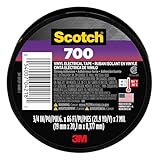
I remember staring at a 18650 battery, the wrap peeling away like sunburnt skin. My vape was sputtering, and the thought hit me: can I put electrical tape on vape batteries? It seemed like a quick fix, a no-brainer to keep things from shorting or looking like hell. But even then, a little voice in the back of my head, forged by years of fiddling with electronics and more than a few melted plastic mishaps, whispered caution.
Everyone’s looking for a shortcut, right? Especially when your favorite way to unwind is suddenly out of commission. So, let’s cut to the chase: is slapping some black tape on those cylindrical powerhouses a good idea? Or are you just asking for trouble?
This isn’t about fancy jargon or corporate speak. It’s about what actually works, what’s safe, and what’s just plain dumb when it comes to keeping your vape running and your fingers intact.
Why Electrical Tape on Vape Batteries Is a Terrible Idea
Look, I get it. You’ve got a vape battery, the original wrap is torn, maybe even a bit of the metal underneath is showing. It looks janky, and you’re worried about it shorting out or looking like a dumpster fire. The first thing that pops into your head might be electrical tape. It’s designed for wires, right? It’s insulating, it’s sticky, it’s readily available. What could possibly go wrong?
Everything. That’s what could go wrong. I’ve seen people do it, myself included in my early, naive vaping days. I thought, “It’s just a little tear, a bit of tape will hold it together.” I was wrong. Terribly wrong. The heat generated by a vape battery, especially when you’re chain-vaping or using a mod that draws a lot of power, is significant. Electrical tape, while it has some insulating properties, is not designed to handle that kind of sustained heat. It can melt, become gummy, and lose its insulating capabilities. Then you’ve got exposed metal, sticky residue, and a much higher risk of a short circuit or, worse, a thermal runaway event.
I once tried to “fix” a slightly damaged 20700 battery this way. I wrapped it up, feeling pretty smug about my DIY skills. Within about twenty puffs, the tape felt warm. Then hot. I smelled a faint acrid odor. Pulled the battery out, and the tape was literally oozing, sticking to the inside of my mod like melted tar. The battery itself looked swollen. Thankfully, it didn’t vent or explode, but it was a terrifying wake-up call. I learned that day that not all tape is created equal, and when it comes to batteries that store and discharge significant energy, you don’t mess around.
The original wraps on vape batteries, usually made of PVC or PET, are specifically designed to be heat-resistant and durable under the conditions they’re used. They’re not just for looks; they’re a safety feature. Trying to substitute them with something like electrical tape is like trying to patch a leaky radiator hose with duct tape. It might hold for a bit, but it’s not a long-term, safe solution. The common advice, and it’s the right one, is to rewrap your batteries if the wraps are damaged, not to use makeshift repairs.
What Actually Happens When You Use Electrical Tape
So, let’s break down why electrical tape fails so spectacularly on vape batteries. It’s not just about it looking bad; it’s about physics and chemistry, and frankly, it’s a recipe for disaster. Electrical tape is generally made from PVC (polyvinyl chloride) with a rubber-based adhesive. PVC has a relatively low softening point compared to the materials used in proper battery wraps. When your vape battery is under load, it heats up. This isn’t just ambient heat; it’s generated internally from the resistance of the battery’s chemistry and the electrical current flowing through it. We’re talking temperatures that can easily exceed the softening point of standard electrical tape.
Once the tape softens, it can lose its structural integrity and its insulating properties. The adhesive can start to break down, becoming sticky and gooey. This goo can then spread, potentially bridging the gap between the positive and negative terminals of the battery, even if the tear in the original wrap wasn’t that big. This is a short circuit. A short circuit in a lithium-ion battery is not a trivial event. It can lead to rapid discharge, extreme heat generation, and in the worst-case scenario, a fire or explosion. This is known as thermal runaway, and it’s the boogeyman of the battery world for a reason.
Furthermore, electrical tape isn’t designed for the kind of mechanical stress a vape battery experiences. Batteries get inserted and removed from mods, jostled around in pockets or bags. The adhesive on electrical tape can degrade over time due to heat and stress, leading to the tape peeling off, exposing the battery further and negating any insulation it was providing. You also end up with a sticky mess that’s hard to clean off the battery and the inside of your mod. I’ve spent more than one frustrating afternoon trying to pick goo off a battery terminal. It’s fiddly, it’s gross, and it’s entirely avoidable. (See Also: Can Electrical Tape Be Used As Heat Shrink )
The original wraps are carefully applied during manufacturing to make sure complete coverage and a snug fit, preventing any possibility of accidental contact between the exposed positive terminal (on the bottom) and the battery casing (which is the negative terminal). Electrical tape, being flexible and often applied by hand in a hurry, rarely achieves this perfect seal. There’s always a chance of a small gap, an air bubble, or a loose edge that will eventually compromise the safety of the battery. It’s a gamble with potentially explosive consequences.
Re-Wrapping: The Right Way to Fix Damaged Battery Wraps
Okay, so we’ve established that electrical tape is a big fat no-no. But what should you do when your vape battery wraps are looking worse for wear? The answer is simple: re-wrap them. This isn’t some arcane art only for battery wizards; it’s a straightforward process that’s incredibly important for safety. I’ve done this dozens of times, and the first time felt a bit daunting, but it’s really not that hard once you get the hang of it. It’s way cheaper than buying new batteries and infinitely safer than using damaged ones.
You’ll need a few things: new battery wraps (you can buy these online in packs for just a few bucks, often for 18650, 20700, 21700 sizes, and they come in cool designs too!), a sharp hobby knife or scissors, and a heat source. A hairdryer on a medium-high setting works perfectly, though some people use a heat gun on a very low setting. You absolutely DO NOT want to use a direct flame from a lighter or torch; that’s asking for trouble. The goal is to shrink the wrap evenly without overheating the battery.
Here’s a basic rundown of the process:
- Remove the Old Wrap: Carefully peel off the old, damaged wrap. If it’s really stuck, you might need to use your hobby knife to gently score it and lift an edge. Be careful not to scratch the metal casing of the battery.
- Clean the Battery: Wipe down the battery with a bit of isopropyl alcohol on a lint-free cloth to remove any adhesive residue or grime. This makes sure the new wrap adheres well.
- Position the New Wrap: Slide the new wrap onto the battery. Make sure it’s centered and that the excess material at the positive (flat end) and negative (button end) ends is roughly even.
- Trim Excess (Optional but Recommended): Some people like to trim the excess wrap material at the ends to avoid bulk, especially at the positive end. Others leave it to be shrunk down. If you trim, leave about 2-3mm of overlap.
- Apply Heat: This is the important step. Hold the battery and slowly move your heat source (hairdryer or low-heat gun) back and forth over the wrap. Start from the middle and work your way outwards. The wrap will start to shrink and tighten around the battery. Keep the heat moving to avoid concentrating it in one spot. You want it to be snug and smooth, with no wrinkles or bubbles.
- Check the Ends: Pay special attention to the ends. The wrap should fold over the positive terminal insulator ring and the button end. Apply heat evenly to these areas until they are sealed and smooth.
It usually takes me about 2-3 minutes per battery. Once it’s cooled, give it a gentle tug to make sure it’s secure. If it feels loose, a little more heat should do the trick. It’s a much more professional-looking and, more importantly, safer fix than any DIY tape job.
The Myth of ‘just a Little Tear’ and Why It’s Dangerous
This is where I get particularly blunt. The idea that a “little tear” in a vape battery wrap is no big deal is one of the most dangerous pieces of misinformation I’ve encountered in the vaping community. People see a small nick, a minor scuff, and think, “It’s still mostly covered, it’s fine.” It’s not fine. Lithium-ion batteries, especially the high-drain ones used in vaping, operate under significant stress. That tiny tear isn’t just a cosmetic flaw; it’s a potential gateway for disaster.
Think about it this way: the battery casing itself is the negative terminal. The positive terminal is the small metal ring on top of the battery. The wrap is the only thing preventing the negative casing from coming into contact with anything that could conduct electricity. If that wrap is compromised, even slightly, and the battery comes into contact with metal in your pocket, your mod’s battery compartment, or even your keys, you can cause a short circuit. This isn’t like a fuse blowing in your house; this is a high-energy storage device rapidly discharging power.
I’ve seen forum posts where people argue that as long as the tear isn’t near the positive or negative contacts, it’s okay. That’s like saying it’s okay to have a small hole in your car’s fuel tank as long as it’s not near the engine. Fuel leaks are dangerous, period. Battery shorts are dangerous, period. The entire surface of the battery casing is conductive. Any exposed metal on that casing can potentially complete a circuit. Even the pressure of your fingers holding the battery could, in some extreme cases with very thin or weakened wraps, cause enough deformation to bring conductive material into contact with the casing.
The common advice is to inspect your batteries regularly. If you see any damage to the wrap – tears, nicks, holes, or even significant scuffing that looks like it’s about to tear – it’s time to re-wrap or retire the battery. Retiring it means disposing of it properly at a battery recycling facility. It’s not worth the risk of a battery fire for the sake of saving a few dollars or a few minutes. Your safety, and the safety of those around you, is most important. Don’t let the myth of “just a little tear” lull you into a false sense of security. (See Also: Can I Buy Electrical Tape At Grocery Stores )
Contrarian View: When might It Be Okay (spoiler: It Isn’t)
Now, let me throw a curveball. Everyone tells you to re-wrap. And they’re right.
But let’s consider the absolute, extreme edge case, purely for the sake of argument and to illustrate why the standard advice is so strong. Imagine a brand-new battery, absolutely pristine wrap, but there’s a tiny, microscopic speck of dust on it.
You’re about to pop it into your mod, and you notice it. You have no isopropyl alcohol, no cleaning cloth, and you absolutely must vape. In this theoretical, highly improbable scenario, could you, for about 30 seconds, stick a tiny piece of clean, dry, new electrical tape over that single speck of dust just to make sure it doesn’t interfere with the wrap seal when you insert it?
My answer is still a resounding NO. And here’s why. Even in this absurdly controlled situation, the adhesive on electrical tape is an unknown quantity. It can react with the battery wrap, it can leave residue, and it’s designed to be sticky, which means it can attract dirt and debris itself. It’s simply not designed for this purpose. The temptation to use it for a quick fix when you’re in a pinch is strong, but the potential for failure is too high. The materials used in proper battery wraps are specifically chosen for their durability, insulating properties, and resistance to chemicals and heat found in vaping. Electrical tape doesn’t share these characteristics.
The entire point of the wrap is a smooth, non-conductive barrier. Electrical tape introduces a secondary layer with a different adhesive and material composition. If the tape fails, or the adhesive fails, or the heat compromises it, you’re back to square one, but now you’ve got sticky residue to deal with. The only truly safe and reliable method is to replace the damaged wrap with a new, purpose-built battery wrap. This might involve a trip to a vape shop or an online order, but the peace of mind and safety it provides are well worth the minor inconvenience or cost. Don’t try to find loopholes; just do it the right way.
Battery Safety: Beyond the Wrap
While we’re talking about electrical tape and battery wraps, it’s important to remember that battery safety goes far beyond just the condition of the plastic coating. The wrap is your first line of defense, but there are other factors that contribute to safe vaping. For instance, are you using the correct charger? Cheap, unbranded chargers can be a significant risk. They might not have proper circuitry to prevent overcharging, which can damage your batteries and, in extreme cases, lead to overheating or even fire. I spent about $40 on a good quality Nitecore charger a few years ago, and it’s been worth every penny for the peace of mind, knowing my batteries are being charged correctly and monitored.
Another important aspect is how you store your batteries. Never, ever store loose batteries together in a pocket or bag. This is a prime way to cause a short circuit. Always use a battery case. They’re inexpensive and designed to keep the positive and negative terminals from touching each other or any other metal objects. I’ve got a few hard-shell cases that hold two or four 18650s, and they’re a lifesaver for keeping things organized and safe.
When it comes to the batteries themselves, look for reputable brands. While it’s tempting to go for the cheapest option, batteries are not the place to cut corners. Brands like Samsung, LG, and Sony are generally considered reliable for vaping cells. Always check the specifications of the battery and make sure it’s designed for high-drain applications like vaping. Not all 18650s are created equal; some are designed for flashlights or laptops and don’t have the discharge capabilities or safety features needed for a vape mod.
Finally, pay attention to how your batteries are performing. If a battery starts to lose its charge significantly faster than usual, gets unusually hot during charging or discharging, or shows any physical signs of damage beyond a simple wrap tear (like dents or corrosion), it’s time to retire it. And when I say retire, I mean dispose of it properly. Most electronics recycling centers have designated drop-off points for lithium-ion batteries. Don’t just toss them in the regular trash, as they can still pose a fire hazard in landfills. This complete approach to battery care is what truly keeps you safe. (See Also: Can I Electrical Tape My M 2 Ssd Until Screw Arrives )
Do I Need to Rewrap My Vape Batteries?
Yes, absolutely. If the wrap on your vape battery is torn, nicked, or shows any signs of damage, you must rewrap it. The original wrap is a important safety feature that prevents the metal casing (negative terminal) from shorting against other conductive materials. Using a damaged battery wrap is a significant fire and explosion risk.
What Happens If I Don’t Rewrap My Vape Batteries?
If you don’t rewrap a damaged vape battery, you risk a short circuit. This can happen if the exposed metal casing comes into contact with other metal objects, such as keys, coins, or the inside of your vape mod. A short circuit can cause the battery to overheat rapidly, leading to thermal runaway, which can result in fire or explosion. It can also damage your vape mod.
Can I Use Regular Tape on Vape Batteries?
No, you should never use regular tape, including electrical tape, to repair damaged vape battery wraps. Regular tapes are not designed to withstand the heat generated by vape batteries, and their adhesives can fail, leading to shorts. Only purpose-made battery wraps specifically designed for lithium-ion cells should be used for re-wrapping.
How Often Should I Inspect My Vape Batteries?
You should inspect your vape batteries regularly, ideally before each use or at least daily. Look for any signs of damage to the wrap, such as tears, nicks, punctures, or excessive scuffing. If you notice any damage, stop using the battery immediately and rewrap it or dispose of it properly.
Where Can I Buy Vape Battery Wraps?
You can buy vape battery wraps online from various e-commerce platforms like Amazon, eBay, and specialized vape supply websites. They are also often available at local brick-and-mortar vape shops. They are inexpensive and usually come in packs with various colors and designs.
Verdict
So, to circle back to the burning question: can I put electrical tape on vape batteries? The answer is a resounding, unequivocal NO. It’s a shortcut that leads to a dead end, and potentially a dangerous one at that. Think of it like trying to fix a gaping hole in your boat with a band-aid. It just won’t hold, and when it fails, the consequences are far worse.
The original wraps on your vape batteries are there for a vital safety reason. When they get damaged, the only proper solution is to replace them with new, purpose-made wraps. It’s not difficult, it’s not prohibitively expensive, and it’s the only way to make sure your batteries remain safe to use. Don’t gamble with your safety; take the extra few minutes to do it right.
If you’re unsure about re-wrapping, watch a few videos, practice on an old battery you’re planning to recycle anyway. The peace of mind is worth the effort. Your mod, your mod’s internals, and most importantly, your safety, will thank you for it.