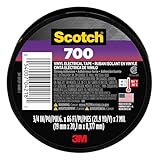
I’ve seen some truly questionable DIY ‘fixes’ over the years, and the question of whether you can mask bulb positive with electrical tape pops up more than you’d think. Honestly, my first instinct is always a resounding ‘nope,’ but I’ve learned that sometimes the simplest-sounding answers have a bit more nuance. So, let’s get down to brass tacks about this little electrical conundrum.
It’s the kind of question that comes up when you’re staring at a dodgy connection, a slightly exposed wire, or maybe just trying to make something look less alarming than it is. Before you reach for that roll of black vinyl, let’s unpack what’s really going on here.
Is Electrical Tape Actually a Fix for Exposed Positive Terminals?
Look, the short answer, the one you probably don’t want to hear, is: no, you really shouldn’t. The idea of masking a positive bulb terminal with electrical tape usually stems from a desire to insulate it, to stop it from touching something it shouldn’t or to just make it look tidier. And sure, in a pinch, for about five seconds, it might seem to cover the problem.
But that’s like putting a band-aid on a broken leg and calling it healed. Electrical tape is designed for a specific job, and that job isn’t permanent insulation for live positive terminals on anything that draws significant current or generates heat. It’s a temporary fix, a bit of a visual cover-up, and often, a recipe for trouble down the line. I learned this the hard way trying to ‘fix’ a flickering tail light on my old pickup.
I slapped some tape over a slightly frayed positive wire connector, thinking it would hold until I got to the parts store. Fast forward two days, a bit of rain, and my tail light was completely dead, and worse, the tape had melted and bonded to the wire, making the actual repair a messy ordeal. That’s when I realized some shortcuts just aren’t worth the headache.
The problem is, most electrical tape isn’t built to handle the heat that can build up around a bulb socket, especially if there’s a slight resistance issue or if the bulb is a higher wattage. That heat can cause the adhesive to fail, the tape to degrade, and the insulation to become brittle.
Then you’re left with exposed metal, just like you started, but now with a sticky, gooey mess that’s harder to clean up. Furthermore, electrical tape has a voltage rating. For low-voltage DC applications, like some simple LED setups or very low-power accessories, it might survive for a while.
But if you’re talking about automotive 12V systems, household mains voltage (which you should never be messing with in this context anyway!), or anything that gets warm, you’re asking for trouble. The common advice you’ll find online often glosses over these important details, making it sound like a universal solution when it’s really not. People also forget that vibration, especially in vehicles, can work tape loose over time.
It’s not a secure mechanical connection, it’s just sticky stuff holding things together loosely.
What Electrical Tape Is Actually for (and What It Isn’t)
Let’s be clear: electrical tape is a useful tool, but its primary purpose is not what many DIYers seem to think. Its main job is to provide temporary insulation for low-voltage electrical splices and wire joints. Think of it as a protective wrap for an already made connection.
It’s great for bundling wires together, for adding a bit of extra insulation to a crimp connector that might be a bit exposed, or for marking wires. The vinyl material it’s made from has good flexibility and is designed to stretch, which helps it conform to irregular shapes.
It also offers some resistance to abrasion and moisture, which is why it’s found in toolkits everywhere. However, and this is the big ‘however,’ it is NOT a substitute for proper connectors, heat shrink tubing, or professional splicing techniques. It’s not meant to be the sole insulator for a live, high-current, or high-temperature electrical contact point.
When you’re dealing with a positive terminal on a bulb socket, you’re often dealing with a connection that can get warm, carries a decent amount of current (relative to the bulb’s needs), and is subject to vibration. Using electrical tape here is like using a flimsy paper towel to stop a leaky pipe – it might work for a minute, but it’s going to fail. (See Also: Can I Use Electrical Tape To Connect Wires )
I’ve found that most of the time, when people ask can i mask bulb positive with electrical tape, they’re looking for a quick fix because the original connector is damaged, corroded, or has come loose. The proper way to address those issues involves replacing the connector, cleaning the terminals, or re-securing the connection.
Electrical tape might hide the problem temporarily, but it doesn’t solve it. It can actually make the problem worse by trapping moisture or by melting and causing a short circuit if the insulation fails.
So, while it’s a handy item to have in your toolbox for its intended purposes, don’t let it fool you into thinking it’s a universal electrical bandage. For anything more than a very basic, low-power, low-heat application, you’re better off looking for a more solid solution.
It’s the difference between a quick patch and a lasting repair.
Why the Common Advice Is Often Wrong
The internet is awash with ‘hacks’ and ‘tips’ that sound great on the surface but fall apart under scrutiny. A lot of the advice suggesting electrical tape can be used to mask a positive terminal comes from folks who might have gotten lucky with a temporary fix, or who are dealing with extremely low-demand situations, like maybe a tiny LED in a craft project.
They don’t consider the real-world stresses that a automotive bulb socket or even a household lamp fixture might endure. The common advice often fails to mention voltage ratings, temperature limitations, or the long-term degradation of the tape’s adhesive and material. It’s this kind of misleading information that gets people into trouble.
I’ve spent more than my fair share of time fixing things that were ‘fixed’ with electrical tape, and it’s always a pain. It’s sticky, it’s melted, and it’s usually made the original problem worse by covering it up and preventing a proper repair.
The Real Risks of Using Electrical Tape Improperly
The risks are pretty straightforward, and frankly, they outweigh any perceived benefit of using electrical tape as a permanent insulator for a positive terminal. First and foremost is the risk of electrical shock. While you might think you’re insulating the wire, if the tape fails, the live positive terminal is exposed.
This is especially dangerous with household AC power, but even in a 12V DC system, a short circuit can cause sparks, damage components, and potentially start a fire. Second, there’s the risk of fire.
Many electrical fires start because of faulty wiring or poor connections. If the tape melts, short-circuits, or allows arcing, it can easily ignite surrounding materials. Third, you’re risking damage to the very components you’re trying to ‘fix.’ A short circuit can blow fuses, fry control modules, or damage the bulb or socket itself.
And as I mentioned before, you’re creating a future repair nightmare. The sticky residue left behind by degraded electrical tape can be incredibly difficult to remove, and it can interfere with proper new connections. It’s a classic case of a shortcut leading to a much longer and more expensive road.
When might Electrical Tape Be Okay? (the Very Limited Scenarios)
Okay, let’s talk about those incredibly rare instances where electrical tape might be considered, and I stress ‘considered’ and ‘rare.’ If you are dealing with a very low-voltage DC circuit (think less than 50V DC, and even then, proceed with extreme caution), and the connection is not generating any significant heat, and it’s purely for temporary insulation until a proper repair can be made, then maybe. For example, if you have a tiny LED indicator light on a hobby project that draws minuscule current and gets barely warm to the touch, and the positive wire has a very minor nick in its insulation, wrapping it with good quality electrical tape might suffice for a short period. Another scenario could be bundling wires in a dry, cool, low-vibration environment where they aren’t subjected to any physical stress or environmental exposure. (See Also: Can Electrica Tape Catch On Fire )
But even in these cases, it’s a stop-gap. It’s not a fix.
It’s a temporary measure. My personal rule of thumb is: if it’s something I’d be worried about touching, it’s something that needs more than electrical tape.
The key here is ‘temporary’ and ‘low risk.’ If the component draws significant amps, if it gets hot, if it’s in a damp environment, or if it’s part of a system where failure could cause a bigger problem (like your car’s brakes or lights), then electrical tape is out of the question.
I once saw someone try to insulate a spark plug wire with electrical tape – absolute madness. Spark plug wires carry thousands of volts and generate a ton of heat. Electrical tape would last about five seconds before melting into a black goo, likely causing misfires and potentially a fire. So, while I’m often about finding practical solutions, when it comes to electrical safety, there’s no room for cutting corners with the wrong materials.
If you’re unsure about the voltage, current, or heat involved, assume the worst and use appropriate materials like heat shrink tubing, proper connectors, or a replacement part.
Comparing Insulation Methods: A Verdict
| Method | Pros | Cons | Verdict |
|---|---|---|---|
| Electrical Tape | Flexible, easy to apply, cheap. | Low heat resistance, degrades over time, adhesive failure, not a permanent solution. | Temporary, low-voltage, low-heat situations ONLY. Generally NOT recommended for positive terminals. |
| Heat Shrink Tubing | Excellent insulation, good heat resistance, forms a solid seal, professional look. | Requires a heat source (heat gun or lighter), can be fiddly for complex shapes. | Highly recommended for permanent, secure insulation on wires and splices. Superior to tape. |
| Wire Nuts/Connectors | Secure mechanical and electrical connection, designed for specific wire gauges. | Can be bulky, requires proper crimping/twisting, not always suitable for vibration-prone environments without additional support. | Excellent for joining wires. Often used in conjunction with insulation like tape or heat shrink for added protection. |
| Self-Fusing Silicone Tape | Excellent sealing against moisture and heat, conforms well, strong insulation. | Can be more expensive than electrical tape, requires careful application to make sure fusion. | A very good alternative to electrical tape for more demanding applications, offers better heat and moisture resistance. |
The Right Way: Proper Insulation and Connections
When you’re dealing with any electrical connection, especially a positive terminal that could be exposed, the goal is secure, reliable, and safe insulation. This is where we move beyond the quick-and-dirty ‘can i mask bulb positive with electrical tape’ mentality. The best approach involves using materials specifically designed for the job.
For automotive applications, this often means replacing damaged connectors entirely. Most auto parts stores carry a range of replacement bulb sockets and terminal connectors. These are designed to withstand the vibrations, temperature fluctuations, and electrical loads of a vehicle. If you’re splicing wires or repairing a damaged section of insulation on a wire, heat shrink tubing is your best friend.
You slide the appropriate-sized tubing over the wire, make your connection (using a butt connector, crimp, or solder), and then heat the tubing. It shrinks down tightly, creating a durable, insulated, and often waterproof seal.
It’s a far more professional and reliable solution than tape.
Another excellent option, especially for more solid applications, is self-fusing silicone tape. This isn’t your standard vinyl electrical tape.
It’s a pliable silicone material that, when stretched and wrapped, fuses to itself, creating a solid, waterproof, and highly insulative layer. It’s much more resistant to heat and chemicals than regular electrical tape and provides a much more secure, permanent seal. For simple wire splices in less demanding environments, like inside an appliance or junction box where vibration isn’t a major issue, properly installed wire nuts or crimp connectors are standard.
However, even with these, a bit of extra insulation with electrical tape or heat shrink on the outside of the connection can provide an added layer of protection against accidental contact or moisture ingress. The key takeaway is to identify the potential risks – heat, moisture, vibration, voltage, current – and choose your insulation method accordingly. Don’t let convenience lead to compromise when it comes to electrical safety. (See Also: Can I Substitute Duct Tape For Electrical Tape )
Practical Tips for Dealing with Exposed Wires
When you encounter an exposed wire or a questionable connection, resist the urge to just grab the nearest roll of tape. First, and most importantly, disconnect the power.
This is a must. Whether it’s unplugging an appliance, flipping a breaker, or disconnecting the car battery, always make sure the circuit is dead before you touch anything. Next, assess the situation.
Is it just the insulation that’s damaged, or is the wire itself corroded or broken? Is the connection loose? Understanding the extent of the problem will guide you to the right solution. If the wire is frayed or corroded, you might need to cut back to clean wire and re-splice.
If the connector is damaged, replace it. For simple insulation repair on a wire where the conductor is intact, good quality electrical tape can be used as a temporary fix, but wrap it tightly and several layers thick.
However, for a permanent repair, use heat shrink tubing. Cleanliness is also key. If you’re working with terminals, clean off any corrosion with a wire brush or electrical contact cleaner.
A clean connection is a good connection. And finally, test your repair after restoring power, but do so cautiously, checking for any signs of overheating or arcing. If anything seems off, disconnect power immediately and re-evaluate.
When to Call a Professional
There comes a point where DIY advice needs to stop and professional help needs to begin. If you’re dealing with mains voltage (120V/240V AC) and you’re not 100% comfortable and knowledgeable about what you’re doing, stop. Seriously.
Electrical fires and electrocution are not risks worth taking for a DIY repair. Similarly, if the wiring in your car is complex, involves safety systems (like airbags or ABS), or if you’ve already made a mess trying to fix it, take it to a qualified mechanic. For anything involving significant power draw, high heat, or safety-important systems, it’s always best to consult an expert. They have the right tools, the knowledge, and the experience to do the job correctly and safely.
Sometimes, the cost of a professional is far less than the cost of repairing damage caused by a botched DIY attempt or dealing with the consequences of an electrical accident. Don’t be afraid to admit when a job is beyond your current skill set or comfort level. It’s a sign of good judgment, not weakness.
Final Thoughts
So, to circle back to the initial question: can I mask bulb positive with electrical tape? My honest take is: you can, but you shouldn’t if you want a reliable, safe, and lasting solution. It’s a temporary band-aid that often leads to bigger problems, from melting and short circuits to making future repairs a nightmare. While electrical tape has its uses, insulating live positive terminals on anything that draws significant current or generates heat is decidedly not one of them.
The real takeaway here is to use the right material for the job. Heat shrink tubing, proper connectors, or even self-fusing silicone tape will provide a far more durable and safer outcome. Don’t let the ease of grabbing a roll of tape tempt you into a potentially hazardous shortcut. Always prioritize safety and a proper repair over a quick fix.
If you’re still scratching your head about a specific electrical issue, especially one involving higher voltages or important safety systems, it’s always best to consult a qualified electrician or mechanic. They can diagnose the problem accurately and implement a safe, permanent solution.