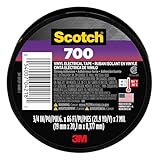
Look, we’ve all been there. You’re elbow-deep in some wiring project – maybe a lamp that’s seen better days, a garden tool that’s been gnawed on by a squirrel, or even just a frayed cord on an old appliance. The insulation is compromised, chewed up like a dog’s favorite toy. Your first thought, a desperate whisper in the back of your mind, is: can I use a chewed wire with electrical tape? It feels like such an easy fix, right? A quick wrap, and you’re done. I’ve certainly had that thought, usually at 10 PM when the hardware store is closed and the project needs finishing now.
But let me tell you, that initial impulse? It’s often a path to more trouble than it’s worth. While electrical tape has its place, slapping it over a chewed wire is like putting a band-aid on a broken bone. It might look like you’ve fixed it, but the underlying problem is still there, waiting to bite you.
So, What Exactly Is ‘chewed Wire’ and Why It’s a Problem
When I talk about a ‘chewed wire,’ I’m not just talking about a little nick or scrape. I mean insulation that’s been significantly damaged, often down to the conductor itself.
Think of those unfortunate power cords that have had a run-in with a rodent, a lawnmower, or just plain old wear and tear that’s frayed the plastic covering. This damage isn’t just cosmetic; it’s a direct pathway for trouble. The insulation’s job is to keep the electricity contained. It’s a barrier, a safety feature.
When that barrier is broken, exposed copper wires are just waiting to touch something they shouldn’t – like another wire carrying a different voltage, a metal casing, or even your own skin. This is how shorts happen, how fires start, and how you get a nasty jolt.
I remember a particularly frustrating evening trying to fix an old extension cord that my dog, bless his destructive heart, had taken a liking to. It wasn’t a complete severing, but there were several spots where the rubber insulation was chewed away, exposing shiny copper strands. My immediate thought was, ‘Electrical tape to the rescue!’ I wrapped it up, feeling rather clever. Then I plugged it in. Nothing happened at first. A few minutes later, I smelled that acrid, burning plastic smell. The tape had melted, and smoke was curling out. Luckily, it was a low-power device, but it was a stark, stinky reminder that a chewed wire is a serious issue, not a minor inconvenience.
The common advice you’ll find online often skips over the severity. It’s all about ‘repairing’ with tape. But ‘repairing’ implies restoring it to its original, safe condition. Electrical tape, in this scenario, is more like a very temporary, very questionable bandage. It doesn’t restore the dielectric strength of the insulation. It doesn’t prevent abrasion from continuing. It’s a stopgap, and a poor one at that, for anything beyond the most superficial damage. The very act of chewing implies a level of mechanical stress that tape alone cannot replicate or withstand long-term. Think about it: what’s the point of insulation if you’re just going to cover the exposed part with something that isn’t designed to be a primary insulator under stress?
This is where the real danger lies. You might think you’ve fixed it, that you’ve saved a few bucks by not replacing the cord or wire. But you’ve actually created a hidden hazard. The tape can degrade over time, especially with heat or sunlight. The underlying damage can worsen. And when it fails, it’s often without warning. This is why, for any significant chewing or fraying, the answer to ‘can I use a chewed wire with electrical tape’ leans heavily towards a resounding ‘no,’ or at the very least, ‘only for a fleeting moment before you do it right.’
Electrical Tape: What It Is and What It Isn’t
Let’s be crystal clear about electrical tape. It’s a fantastic product, but it has a specific job. Primarily, it’s for insulating connections between wires – things like splicing two wires together or securing connections in junction boxes. It’s also great for bundling wires neatly or for providing a bit of extra grip on tool handles. The key word here is ‘connections.’ It’s designed to be applied over clean, joined conductors or to reinforce existing, intact insulation. It’s not designed to be a standalone replacement for damaged primary insulation, especially on a flexible cord that gets moved around and experiences mechanical stress.
The magic, if you can call it that, of electrical tape is its high dielectric strength – meaning it resists electrical current. Most good quality electrical tapes, like Scotch 33+ or 3M Temflex, are made from PVC (polyvinyl chloride) and are designed to stretch and conform to odd shapes. This pliability is what makes it seem like a good solution for irregular damage. When you wrap it tightly, layer upon layer, it creates a decent barrier against accidental contact. However, this barrier is often compromised by the very damage it’s supposed to be covering.
Here’s the contrarian take: Some folks will argue that if the damage is minor and you wrap it really well, it’s fine. They’ll say, ‘I’ve done it for years!’ And sure, for something like a tiny nick that barely breaks the surface, maybe it holds for a while.
But that’s a gamble. My honest opinion? If the wire looks like it’s been through a tiny, angry wood chipper, electrical tape is basically a placebo. (See Also: Can I Use Electrical Tape To Connect Wires )
It gives you a false sense of security. It’s like putting a shiny sticker over a hole in your tire. It might look better for a minute, but it’s not going to hold air under pressure.
The common advice is often to ‘just use plenty of tape,’ but more tape doesn’t magically restore the structural integrity of the original insulation or protect the exposed conductor from future abrasion.
Think about the environment. Is the wire going to be in a dry, static environment? Or is it going to be in a damp area, exposed to sunlight, heat, or constant flexing? Electrical tape has limits. Extreme temperatures can make it brittle or gooey. UV exposure can degrade it. Constant bending can cause the underlying damage to worsen and the tape to peel or tear. So, while it’s a useful tool, understanding its limitations is most important. It’s a tool for insulating and protecting, not for rebuilding compromised insulation on its own.
When Electrical Tape Might Actually Work (and When It Definitely Won’t)
Let’s get this straight: there are scenarios where electrical tape can be a perfectly acceptable, albeit temporary, solution for damaged wire insulation. The key is the type and extent of the damage. If you’re talking about minor scuffs or abrasions on the outer jacket that haven’t penetrated to the actual conductor, a few wraps of good quality electrical tape can provide some additional protection against further wear. For example, if a cord has rubbed against a rough surface and there are some superficial gouges in the plastic, but you can still see solid, intact insulation underneath, electrical tape can help seal it and prevent it from getting worse. This is often the case with cords that lie on workshop floors or get dragged behind furniture.
Another situation is reinforcing existing, intact insulation that’s just looking a bit worn. Imagine a cord that’s been coiled and uncoiled countless times, and the insulation is starting to crackle or show fine lines. A careful application of electrical tape, layered snugly, can give it a new lease on life, provided it’s not stressed or bent sharply at those points. I did this on the power cord for my old shop vacuum a few years back.
The insulation was getting brittle from years of heat and flexing. It wasn’t chewed, but it was showing its age. I wrapped the worst areas, and it held up surprisingly well for about two years before I decided to replace the cord entirely, just to be safe.
However, the moment you have exposed conductors – that shiny copper wire peeking through – electrical tape is NOT a fix. It’s a band-aid.
It doesn’t restore the insulating properties of the original material. It’s a barrier, yes, but not a structural one.
If a wire has been gnawed on, meaning insulation is missing and the conductor is visible, you are asking electrical tape to do a job it was never designed for. It’s like trying to fix a leaky pipe by wrapping it in cling film. It might slow the drip for a moment, but it’s not a permanent or safe solution.
The tape can peel, slip, or allow moisture to penetrate, leading to shorts or shocks. Similarly, if the insulation is severely cracked or brittle, the stress of bending the wire will likely cause the tape to split or unravel, exposing the damage again.
Here’s a quick table to help you decide: (See Also: Can Electrica Tape Catch On Fire )
| Damage Type | Electrical Tape Verdict | Reasoning |
|---|---|---|
| Minor Scuffs/Abrasions (no conductor visible) | Often OK (Temporary) | Adds protective layer, prevents worsening. |
| Superficial Cracks (insulation intact) | Potentially OK (Temporary) | Reinforces weak points, but avoid sharp bends. |
| Exposed Conductor (chewed, cut, frayed) | NO. Do NOT use. | Tape is not a structural insulator replacement. High risk of shock/fire. |
| Severely Brittle/Cracked Insulation | NO. Do NOT use. | Tape will likely fail as insulation cracks further under stress. |
The real danger with using tape on severely damaged wires is that you might lull yourself into a false sense of security. You think it’s fixed, so you don’t take further action. Then, months later, under just the right (or wrong) conditions, disaster strikes. It’s always better to err on the side of caution.
The Real Risks: Fire, Shock, and Frustration
Let’s talk brass tacks. When you ask ‘can I use a chewed wire with electrical tape’ and the answer is ‘yes, maybe,’ you’re playing with fire. Literally. The primary risk, and the one that keeps electricians up at night, is fire. Exposed conductors can easily short-circuit. When a short happens, a massive amount of current flows through the damaged area, generating intense heat. This heat can melt the wire, ignite the surrounding materials (like insulation, dust, or wood), and start a fire. Electrical tape, especially when applied over damaged areas, offers minimal resistance to this kind of fault. It can melt, burn, and potentially spread flames.
Then there’s the risk of electric shock. If the damaged wire is part of a device you touch, or if it’s in an area where someone might come into contact with it, a shock is a very real possibility.
The voltage in household wiring can be high enough to cause serious injury or even death. Electrical tape, as I’ve mentioned, doesn’t magically restore the insulating properties lost due to damage. It’s a thin layer of plastic. If the underlying insulation is gone, that plastic layer is all that’s between the live conductor and whatever it touches.
For appliances that are portable or frequently handled, this risk is amplified. I learned this the hard way when a frayed cord on an old hair dryer gave me a jolt that made my hair stand on end – and not in a good way.
Beyond the immediate physical dangers, there’s the frustration factor. You think you’ve saved a cord, saved a few bucks.
Then, a few weeks or months later, the tape starts to peel, the connection fails, or worse, something goes wrong. Now you’re back to square one, but with the added annoyance of having to deal with a failed ‘fix.’ This often leads to needing a more involved repair or replacement than if you’d addressed the problem properly in the first place. It’s a classic case of saving pennies and losing pounds.
You might be tempted to use a cheap roll of tape, but even good quality tape has its limits when asked to perform miracles on severely damaged wiring. Trying to patch up a chew mark on a cord that powers your home entertainment system or a vital piece of equipment is just asking for trouble down the line. It’s a temporary cosmetic fix for a structural electrical problem.
The common advice to just wrap it really, really tightly with tape is misleading because it doesn’t account for the mechanical stresses a wire undergoes daily. Wires bend, they get pulled, they might get pinched. These actions will put stress on the tape and the damaged area beneath it, inevitably leading to failure. So, while electrical tape is a lifesaver for splicing connections, it’s a poor substitute for intact wire insulation. The risks associated with using it improperly – fire, shock, and ongoing frustration – far outweigh any perceived convenience or cost savings.
The Right Way to Fix Damaged Wires (it’s Not Always Tape)
So, if electrical tape isn’t the magic bullet for chewed wires, what is? The absolute best solution, hands down, is to replace the damaged cord or wire section entirely.
This is the only way to guarantee safety and reliability. For things like power cords on appliances, lamps, or tools, you can often buy replacement cords with molded plugs already attached. You just need to open up the appliance casing, disconnect the old wires, and connect the new ones according to the wiring diagram or by noting how the old ones were attached. It might sound daunting, but many appliance manufacturers make this quite straightforward. (See Also: Can I Substitute Duct Tape For Electrical Tape )
A replacement cord might cost anywhere from $10 to $30, depending on the length and type. It’s a small price to pay for peace of mind and safety.
If you’re dealing with wiring within a wall or a piece of equipment where replacing the entire cable isn’t feasible, you can splice in a new section of wire. This involves cutting out the damaged portion, stripping the ends of both the old and new wires, and then joining them securely using wire nuts or crimp connectors. After making the connection, you then use electrical tape to provide an initial layer of insulation over the wire nuts or connectors, followed by heat-shrink tubing for a more durable and professional finish. Heat-shrink tubing, when heated, shrinks tightly around the connection, creating a solid, insulated barrier. This is a far superior method to simply relying on electrical tape.
For minor cosmetic damage to the outer jacket only (where the conductor is NOT exposed), you can use a product called ‘self-fusing silicone tape’ or ‘vulcanizing tape’. This tape fuses to itself, creating a solid, waterproof, and electrically insulating layer. It’s more durable and flexible than standard electrical tape in these specific situations. It’s not a replacement for primary insulation but can be a better reinforcement than PVC tape for non-important outer jacket damage. It feels a bit like silly putty when you first unroll it, but it bonds into a solid rubbery mass. I used this on a garden hose that sprung a leak near the spigot, and surprisingly, it held for a whole season!
When it comes to actual chewed wires with exposed conductors, the best approach is a combination of cutting out the damaged section and splicing in new wire, or replacing the entire cable assembly. If the damage is extensive, or if you’re dealing with high-voltage or important systems, it’s always best to consult a qualified electrician.
They have the tools, knowledge, and experience to make repairs safely and correctly. A DIY fix on something you’re unsure about is a recipe for disaster. Don’t be afraid to call in the pros; it’s often cheaper than dealing with the aftermath of a mistake.
For example, a simple splice might take an electrician an hour, costing around $100-$150, which is far less than the potential cost of a fire or a serious shock.
Faq: Your Burning Questions About Chewed Wires and Tape
Can I Use Electrical Tape on a Wire That’s Just Slightly Frayed?
If the fraying is purely superficial and has not exposed any of the conductive metal strands, then a few tight wraps of good quality electrical tape might provide temporary protection against further wear. However, if even a single strand of copper is visible, you should not rely on electrical tape alone. The tape doesn’t restore the wire’s insulation integrity and can fail under stress, leading to shorts or shocks. Always inspect the damage closely before deciding on a repair method.
Is Heat-Shrink Tubing Better Than Electrical Tape for Wire Repair?
Yes, for creating a solid and long-lasting insulated repair over a splice or damaged area, heat-shrink tubing is generally superior to electrical tape. It forms a solid, protective, and often waterproof seal once shrunk. Electrical tape is more flexible and can be used for temporary fixes or to initially secure connections before heat-shrink is applied, but it doesn’t offer the same level of structural insulation or durability as properly applied heat-shrink tubing.
How Long Will Electrical Tape Last on a Repaired Wire?
The lifespan of electrical tape on a repaired wire is highly variable and depends on several factors, including the quality of the tape, the extent of the original damage, the environmental conditions (temperature, moisture, UV exposure), and the mechanical stress the wire undergoes. For minor scuffs, it might last for years in a protected environment. However, on a wire that’s frequently flexed or exposed to harsh conditions, or if it was applied over significant damage, it could fail within weeks or months. It should never be considered a permanent repair for compromised insulation.
What Are the Signs That Electrical Tape Has Failed on a Wire?
Signs of electrical tape failure include peeling, blistering, cracking, or melting of the tape. You might also notice exposed wires, a burning smell, or intermittent functionality of the device connected to the wire. If you see any of these signs, immediately disconnect the power to the affected circuit and inspect the wire. Do not continue to use the device until the wire has been properly repaired or replaced.
Final Verdict
So, to circle back to that nagging question: can I use a chewed wire with electrical tape? My honest, no-B.S. answer is: usually not, and certainly not as a permanent fix. While tape is invaluable for making clean connections safe, it’s a flimsy shield against the real damage of chewed or severely compromised insulation. The risks of fire, electric shock, and more complex repairs down the line are just too high to justify cutting corners.
Think of it this way: if you wouldn’t trust a chewed-up piece of rope to hold a heavy load, don’t trust a chewed-up wire with electricity. Your best bet is always to replace the damaged section or the entire cable. If you’re not comfortable doing that yourself, swallow your pride and call a professional. It’s a small investment for a significant increase in safety and reliability.
Don’t let that frayed cord be the start of something much bigger and more dangerous. Take the time to do it right, or get someone who knows how to.