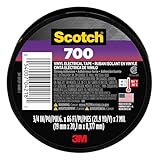
I remember staring at my car battery, a greenish-white crust forming around the terminals. Panic set in. The nearest auto parts store was miles away, and I had a pressing appointment. My brain, in its infinite wisdom, dredged up a half-forgotten hack: electrical tape. Could I just wrap that up, be done with it, and get going? The question echoed: can I put electrical tape on battery terminal? It felt like a desperate, maybe genius, move.
Honestly, most of the battery terminal “fixes” you see online are either snake oil or downright dangerous. I’ve wasted enough time and money on products that promised the moon and delivered dust. So, when it comes to your car’s power source, you need straight talk, not marketing fluff.
This isn’t about temporary fixes that might cause bigger problems down the line. It’s about understanding what actually works, what’s just a band-aid, and what’s downright foolish.
The Lowdown on Tape and Terminals: Why It Seems Like a Good Idea
Okay, let’s talk about why wrapping electrical tape around your battery terminals even crosses your mind. It’s usually because you’re seeing some kind of corrosion or a loose connection, right? That white, powdery gunk that builds up on battery posts is a real pain. It’s usually a mix of lead sulfate, sulfuric acid mist, and other gunk that gets blasted out of the battery under load or during charging. This gunk, or corrosion, is an insulator. It stops electricity from flowing properly. So, your car might be sluggish to start, or your headlights might dim when you’re at idle. It’s a visible problem, and you want to fix it NOW.
Electrical tape, on the other hand, is designed to insulate wires. It’s sticky, it’s flexible, and it’s readily available in most toolboxes and garages. The logic is simple: if it insulates wires, maybe it can insulate a battery terminal from whatever is causing the corrosion, or at least hold things together if the connection feels a bit wobbly.
I’ve certainly been tempted. I recall one particularly frigid morning, my truck sputtered to life like it was coughing up a lung. A quick glance revealed that fuzzy white stuff creeping up the positive terminal.
The thought of just slapping some black tape on it and heading to work was very appealing. It felt like a quick fix for a visible problem, a DIY solution when you’re really stuck.
The reality is, electrical tape does insulate. That’s its job. It’s made from PVC (polyvinyl chloride) and a special adhesive that’s designed to stick well and resist degradation from weather and moderate temperatures. It can physically cover the corroded area, and in a pinch, it might temporarily improve the surface contact if it’s just dust or light debris. It’s also a non-conductive material, which is key. If you were to wrap bare wires, it would prevent them from shorting against each other or metal parts. So, the reasoning isn’t entirely flawed on a superficial level. It feels like a barrier, and barriers are good, right? Especially when you’re dealing with something that looks like it’s actively decaying.
However, the problem is that corrosion isn’t just surface-level gunk. It’s a chemical reaction. And battery terminals, especially the posts and the clamps that connect to them, get hot. They get vibrated. They deal with the corrosive fumes that batteries naturally emit, especially older ones or those that are overcharged. Electrical tape, while decent, isn’t designed for the extreme conditions found on a battery terminal. It’s not designed to withstand the constant expansion and contraction from heat cycles, nor the chemical assault from battery acid fumes. It’s a temporary fix at best, and often, it’s a really bad idea.
The Ugly Truth: Why Electrical Tape Fails Miserably
Here’s the blunt truth: electrical tape is a terrible long-term solution for battery terminals, and often a bad short-term one too. Why? Because it doesn’t address the root cause of the problem, and it introduces new ones. The corrosion you see is a symptom of a larger issue, whether it’s a failing battery, a loose connection, or an overcharging alternator. Slapping tape over it is like putting a band-aid on a broken bone. It looks like you’re doing something, but you’re not actually fixing anything important.
First, that electrical tape is going to start losing its stickiness pretty quickly. Battery terminals get hot. When a car is running, especially with a heavy electrical load like the A/C and headlights on, the battery posts and clamps can get surprisingly warm. This heat breaks down the adhesive on the tape. Once it starts to peel, dirt and moisture can get underneath, actually making the corrosion worse. I once tried this “hack” on a lawnmower battery and within a week, the tape was peeling, and the corrosion looked like it had a whole party under there. It was way worse than before. (See Also: Can I Use Electrical Tape To Connect Wires )
Second, the tape itself isn’t designed to handle battery acid fumes. Those fumes are corrosive. Over time, the chemicals in the fumes will degrade the PVC of the electrical tape, making it brittle and less effective. It’s not a solid material for that kind of environment. The tape can crack, leaving exposed areas that can then short-circuit or allow further corrosion. Plus, if the connection is already weak, the tape isn’t going to magically make it stronger. It’s just a layer of plastic sitting there. You might think you’re insulating, but you’re really just adding resistance to an already compromised connection.
Third, and this is a big one, electrical tape can actually trap moisture. If you’ve cleaned the terminals and then wrapped the tape, any residual moisture or condensation can get trapped underneath. This creates a perfect breeding ground for more corrosion. You’ve basically created a little moist, corrosive sauna for your battery terminal. And remember, water conducts electricity, especially if it’s got battery acid dissolved in it. So, while the tape itself is an insulator, the moisture it traps can become a conductive pathway.
Finally, and this is where things get truly dangerous, if the tape starts to degrade or loosen, it can become a foreign object in the engine bay. In rare cases, it could get pulled into moving parts or cause an electrical short if it contacts other components. It’s unlikely, but not impossible. The risk simply isn’t worth the minuscule, temporary perceived benefit.
The Right Way to Tackle Battery Terminal Corrosion
So, if electrical tape is a no-go, what’s the proper way to deal with that crusty battery terminal? It’s not rocket science, but it does require a few specific steps and the right tools. The goal is to remove the corrosion, make sure a clean, solid metal-to-metal connection, and then protect it from future buildup. This is where you actually solve the problem, not just hide it.
First, disconnect your battery. Always, always, always disconnect the negative terminal first, then the positive. This prevents accidental sparks. Once disconnected, you’ll need a battery terminal cleaner.
These come in a few forms. The most common is a wire brush specifically designed for battery terminals, often with a male and female end to clean both the post and the inside of the terminal clamp. You can also use a stiff wire brush (like a brass brush) and some sandpaper or a file.
The key is to get down to clean, shiny metal. Elbow grease is your friend here.
Scrub both the battery posts and the inside of the clamps until they are completely free of any white, blue, or greenish gunk.
After cleaning, you want to apply a protectant. This is where the “tape alternative” really shines, but it’s not tape. You’ll want to get a battery terminal protector spray or grease. These are specifically formulated to prevent corrosion.
They are dielectric greases or petroleum-based compounds that create a barrier against moisture and acid fumes without hindering conductivity. You can buy them at any auto parts store for just a few bucks. A common mistake people make is using regular grease or WD-40, which might offer some temporary protection but can attract dirt and degrade over time. (See Also: Can Electrica Tape Catch On Fire )
The dedicated battery terminal grease is designed for this specific, harsh environment. I’ve found a good quality spray goes a long way and stays put for ages.
Here’s a quick rundown of the process:
- Safety First: Wear safety glasses and gloves. Battery acid is nasty stuff.
- Disconnect: Remove the negative terminal clamp first, then the positive.
- Clean: Use a battery terminal brush, wire brush, or sandpaper to thoroughly clean battery posts and the inside of cable clamps until they are shiny metal.
- Protect: Apply a thin layer of dedicated battery terminal protector spray or grease to both the posts and the inside of the clamps.
- Reconnect: Reattach the positive terminal clamp first, then the negative. Make sure they are tight.
Some people also advocate for using anti-corrosion washers, which are little felt or plastic washers soaked in a protective substance that you place between the terminal and the clamp. They can be effective, but I’ve found the spray or grease offers more consistent and long-lasting protection. A good clean and a quality protectant is usually all you need. It’s a straightforward process that takes maybe 15 minutes and prevents headaches for months or even years.
When a Temporary Fix Becomes a Permanent Problem
The temptation to use electrical tape is usually born out of necessity. You’re stuck. You need the car to run now. But this is exactly where “temporary fixes” can morph into permanent, expensive problems. Think about it: if you’ve taped up a corroded terminal and the car starts, you’ve just told your brain, “See? It worked!” You then forget about it. Weeks, months go by. That tape is slowly degrading, moisture is getting trapped, and the underlying corrosion is continuing its merry march. You’re not just delaying the inevitable; you’re making the inevitable worse.
The real danger isn’t just that your car might fail to start again. It’s that the weak connection caused by corrosion, or made worse by the failing tape, can lead to inconsistent power delivery. This can cause issues with sensitive electronics in modern cars – things like the car’s computer, the anti-lock braking system, or even the airbag sensors. A fluctuating voltage can throw error codes or even damage these components.
I once had a friend who ignored a slightly rough idle and dimming lights for weeks, only for his car’s entire dashboard to go haywire. It turned out to be a severely corroded battery terminal that was causing voltage drops. The repair cost him over $500 to diagnose and fix, not to mention the stress and inconvenience. All because he didn’t want to spend 10 minutes cleaning and protecting his battery terminals properly.
Another common mistake is using the wrong kind of tape. While I’m talking about electrical tape, some people might grab duct tape or packing tape. These are even worse. They’re not designed for insulation at all, they’re less durable, and their adhesives will break down even faster. Duct tape, in particular, leaves a sticky, gummy residue that’s a nightmare to remove and attracts every bit of dirt and grime in the engine bay. It’s not even a contender. The idea of using something that isn’t designed for the job on a important component like your battery is just asking for trouble.
Here’s a comparison table to illustrate why the right product matters:
| Product | Primary Use | Effectiveness on Battery Terminals | Verdict |
|---|---|---|---|
| Electrical Tape | Insulating electrical wires | Poor. Degrades quickly with heat and fumes, traps moisture, doesn’t fix corrosion. | Avoid. Temporary at best, can make things worse. |
| Duct Tape | General repair, binding | Terrible. Not an insulator, adhesive fails, creates a sticky mess. | Do not use. Complete waste of time and effort. |
| Battery Terminal Protector Spray/Grease | Preventing corrosion on battery terminals | Excellent. Creates a protective barrier, enhances conductivity, weather-resistant. | Highly Recommended. The correct, long-term solution. |
| Anti-Corrosion Washer | Absorbing corrosive elements | Good. Provides a physical barrier and chemical absorption. | Good supplementary option, but protectant spray/grease is primary. |
Ultimately, the few dollars saved by trying to use electrical tape is insignificant compared to the potential costs of electrical system damage, towing fees, or even a premature battery replacement. Think of it as an investment in reliability. A clean, well-protected terminal makes sure your battery can do its job, and your car’s electronics can function as intended.
Contrarian Take: Is There Ever a Scenario?
Alright, I’m going to play devil’s advocate here for a second. Everyone says electrical tape is a hard NO. And for 99.9% of situations, they are absolutely right. But is there ever a scenario where it might be marginally better than doing nothing? Maybe, and I stress, maybe, in a dire, no-other-option, life-or-death emergency where you absolutely must get your vehicle to move for a few hundred yards to get out of immediate danger, and the connection is just physically loose, not corroded? (See Also: Can I Substitute Duct Tape For Electrical Tape )
Imagine you’re on a deserted road, miles from anywhere, and your battery terminal clamp has vibrated loose. You’ve got no tools, no other tape, nothing. You can see the terminal post is clean, but the clamp is just… loose. You can’t get it tight.
In this extremely specific, highly improbable situation, could a few wraps of electrical tape, applied very tightly, just to provide some mechanical tension to help hold the clamp onto the post for a very short distance? Possibly.
It’s a stretch. It’s still a bad idea because the heat and vibration will likely undo it within minutes, if not seconds. But if the alternative is being stranded in a dangerous place, it might be the least-worst option for a few hundred yards. You would then immediately remove it and clean/secure the terminal properly the moment you reach safety.
However, this is a huge caveat and not something anyone should plan for or rely on. This is the kind of desperate measure you’d take if your life depended on it, not for getting to work on time. The vast majority of the time, corrosion is the issue, and tape does nothing for corrosion. In fact, it exacerbates it. So, while I can technically conceive of a theoretical, emergency-only situation, I would still strongly advise against it. My personal experience with electrical tape on anything automotive beyond simple wire insulation has been overwhelmingly negative. It’s a product designed for specific electrical insulation, not for the harsh, dynamic environment of a car’s engine bay, especially around a battery.
The common advice to never use electrical tape on battery terminals is sound because it’s applicable to almost every real-world scenario. The risk of making things worse, trapping moisture, and accelerating corrosion far outweighs any fleeting, theoretical benefit. It’s like using super glue to fix a leaky roof – it might hold for a bit, but it’s not designed for the job and will likely fail spectacularly, causing more damage.
People Also Ask: Direct Answers
Can You Tape a Battery Terminal?
Generally, no. While electrical tape is an insulator, it’s not designed for the heat, vibration, and chemical exposure found at a battery terminal. It will degrade, trap moisture, and worsen corrosion over time, leading to poor connections and potential electrical problems. Proper cleaning and a dedicated battery terminal protector is the correct approach.
What Can I Use If I Don’t Have Battery Terminal Protector?
In an absolute emergency for a very short drive, and if the terminal is clean and just slightly loose, a small amount of dielectric grease can sometimes work in a pinch. However, the best immediate alternative is to make sure the connection is physically secure and clean. For long-term protection, always get a dedicated battery terminal spray or grease. Regular grease is not ideal as it can attract dirt and degrade.
How Do I Clean Battery Terminals Without a Brush?
You can use a stiff wire brush (brass is good as it’s less likely to damage the lead), fine-grit sandpaper (around 120-220 grit), or even a metal file. The goal is to scrape away all corrosion until you see shiny, clean metal on both the battery posts and the inside of the cable clamps. Make sure you wear gloves and eye protection.
Will Electrical Tape Stop Corrosion?
No, absolutely not. Electrical tape will not stop corrosion and can actually make it worse. It traps moisture and degrades when exposed to battery fumes, creating an environment where corrosion can flourish. Dedicated battery terminal protectors are specifically formulated to prevent this.
Final Thoughts
So, to wrap things up: can I put electrical tape on battery terminal? The overwhelming answer is no. It’s a flimsy, temporary fix that introduces more problems than it solves. You’re looking at degraded adhesion, accelerated corrosion, and potential electrical gremlins down the line. My advice? Don’t even consider it for anything other than perhaps a few yards in a dire, absolute emergency where your life is on the line, and even then, remove it immediately.
Save yourself the headache and the potential damage. Invest the few bucks and five minutes it takes to get a proper battery terminal cleaner and a protector spray or grease. It’s the only way to make sure a reliable connection and protect your car’s electrical system from the nasty effects of corrosion. That $5 tube of grease will save you from potential hundreds in repairs.
Next time you see that white crust, reach for the right tools. Your car will thank you for it, and you won’t have to worry about a shoddy tape job failing when you need your vehicle the most.