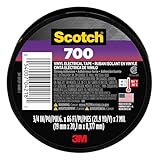
I’ve seen it a million times. That frayed, sad-looking Apple cable, usually the one you need right now, sparking some panic. You stare at it, then at the roll of electrical tape sitting in your junk drawer, and the question pops into your head: can I use electrical tape on Apple cable?
Look, we’ve all been there. The expensive charging cable is on its last legs, and the thought of shelling out another $20-$40 for a new one makes your wallet weep.
Before you go ahead and wrap that thing like a mummy, let’s talk about what actually happens, and if it’s a good idea or just… a bad one.
The Quick Fix Mentality: Why We Reach for Tape
It’s the classic “desperate times call for desperate measures” scenario. Your iPhone is at 3%, your iPad is dead, and the only charger in sight has that tell-tale split near the connector. The instinct is to patch it up, pronto. Electrical tape is practically synonymous with quick fixes for wires, right? It’s cheap, readily available, and for about five minutes, it feels like you’ve solved the problem. I remember one time, on a camping trip with zero access to a store, my laptop charger started to fray. I swear, that roll of black tape saved my sanity for the remaining two days. It wasn’t pretty, but it worked. This immediate, tangible “solution” is incredibly appealing when you’re stuck.
The problem is, this immediate fix often creates a bigger headache down the line. Apple cables, especially the Lightning and USB-C ones, are notoriously finicky.
The wires inside are incredibly thin, and they carry data as well as power. When they start to break, it’s not just a physical problem; it can mess with the signal. Electrical tape is designed to insulate, not to perfectly recreate the flexible, durable outer jacket of a charging cable.
It’s a temporary band-aid, and often, a poor one at that. The adhesive can degrade, leaving a sticky mess, or the tape can slide off, exposing the delicate wires even further. Plus, the added bulk can make it difficult to plug the cable in properly, putting even more stress on the already compromised connection point.
Think about the stresses a charging cable endures. It’s constantly being plugged and unplugged, bent, twisted, and sometimes shoved into pockets or bags. Electrical tape, while flexible to a degree, doesn’t have the same tear resistance or long-term durability as the original cable material. It can crack, peel, or become brittle, especially with temperature fluctuations. So, while the immediate urge to slap some tape on it is understandable, it’s important to understand what you’re actually doing to the cable’s integrity and future functionality. It’s a classic case of saving a few bucks now only to potentially cost yourself more later when the cable completely dies or, worse, causes a charging issue.
What Electrical Tape Actually Is (and Why It’s Not Ideal)
Let’s get real about what electrical tape is made of. Most of it is PVC (polyvinyl chloride) with a rubber-based adhesive. It’s designed primarily for electrical insulation – stopping shocks, preventing short circuits, and keeping bare wires safely covered. It’s flexible enough to conform to shapes and has a decent dielectric strength. Sounds good on paper, right? But here’s the kicker: it’s not designed for the mechanical stresses a charging cable faces daily. That constant bending and flexing? Electrical tape isn’t built for that kind of abuse. It can stretch, tear, and eventually fail, leaving those delicate inner wires exposed again, often in a worse state than before.
I learned this the hard way with a USB-C cable for my laptop. It started to fray right at the bend where it meets the connector. I thought, “Electrical tape, easy fix!” I wrapped it up tight, and for about a week, it seemed fine.
Then, I noticed my laptop was acting weirdly, sometimes not charging, sometimes charging intermittently. One morning, I picked up the cable, and the tape had shifted, exposing a tiny section of copper wire. The adhesive had also gotten gummy from being in my backpack.
It looked like a sticky, black mess. That’s when I realized that while it insulated, it wasn’t protecting. It was just a temporary visual cover-up that allowed the underlying damage to continue. The actual wires inside were probably being stressed even more because the tape wasn’t as pliable as the original sheath. (See Also: Can I Use Electrical Tape To Connect Wires )
The common advice you’ll find online often suggests it as a quick fix, and for some very basic, low-stress wire repairs, it might hold for a bit. But Apple cables are different. They’re precision instruments, really, designed to carry both power and data reliably.
The internal construction is complex, with multiple thin wires, shielding, and specific stress-relief points. Electrical tape is a blunt instrument. It doesn’t respect that complexity. It can also trap moisture or heat, which can be detrimental to the internal components of the cable and the devices it connects to.
So, while you can use electrical tape on an Apple cable, it’s generally a bad idea if you want a reliable, long-term solution. You’re basically trading a known problem for a potentially worse, unknown one.
Alternatives That Don’t Make Things Worse
Okay, so electrical tape is probably not your best bet. What else can you do when your Apple cable is looking like it survived a minor car accident? Thankfully, there are better options that won’t make you regret your repair attempt. The first is dedicated cable repair kits. These often come with heat-shrink tubing designed specifically for cables, or specialized flexible tapes that are much more durable and designed for repeated flexing. You can also find silicone-based cable protectors that slide over the vulnerable stress points near the connectors. These are a bit bulkier but offer much better protection and are way more durable than generic tape.
I’ve had good luck with some of the reinforced cable sleeves that you can buy online. They’re usually made of braided nylon or a similar tough material, and you thread the damaged cable through them. It adds a significant amount of protection and stops the cable from bending too sharply. It’s not the prettiest solution, and it makes the cable thicker, but it’s significantly more effective than electrical tape for preventing further damage. Another method, if you’re a bit handy, is using Sugru, a moldable glue that cures into a flexible rubber. You can mold it around the damaged area, creating a solid, custom-fit protector. It’s a bit more involved, but the results can be surprisingly good and long-lasting.
When I had a Lightning cable start to fray near the phone end, I tried one of those little plastic boot things. It was a pack of maybe ten for a few bucks. They’re like little sleeves that you slide over the cable end and up the cable a bit. They’re not exactly exciting, but they stopped the cable from bending at that exact weak point, which is usually where the damage starts. It’s a simple, cheap fix that works better than tape because it actually reinforces the bend rather than just covering it. The key with these alternatives is that they’re designed for the specific stresses cables undergo, unlike the general-purpose nature of electrical tape.
Cable Repair Options Compared
| Repair Method | Pros | Cons | Verdict |
|---|---|---|---|
| Electrical Tape | Cheap, readily available | Poor durability, adhesive issues, doesn’t protect from flexing, can make connections difficult | Avoid if possible. Only for absolute emergencies where the cable is barely damaged. |
| Heat-Shrink Tubing | Durable, good insulation, looks neat when done properly | Requires a heat gun, can be tricky to get a perfect seal, might not be flexible enough for extreme bends | A solid option for reinforcing a moderately frayed section. |
| Cable Sleeves/Protectors | Easy to apply, adds significant durability, prevents sharp bends | Adds bulk, can sometimes slip off, not always aesthetically pleasing | Excellent for preventing future damage and reinforcing stress points. |
| Sugru / Moldable Glue | Customizable, forms a strong flexible bond, very durable | Requires some skill to mold, can be messy, takes time to cure | A great option for repairing larger tears or creating custom strain relief. |
The “it Worked for Me” Caveat: When It Might Be Okay (barely)
Alright, let’s talk about the elephant in the room: some people do use electrical tape, and it seems to work. I’ve heard stories, and frankly, I’ve been that person myself in a pinch. If your cable has a tiny nick, not a full-blown fray, and it’s on a part of the cable that doesn’t bend much, a small, tight wrap of electrical tape might keep it from getting worse for a little while.
This is the exception, not the rule. Imagine a cable that’s mostly lying flat behind a nightstand, only plugged in and out once a day. If it gets a little abrasion, maybe electrical tape can keep that abrasion from spreading.
It’s like putting a small bandage on a paper cut – it might help it not get dirty.
However, the definition of “working” here is loose. Is it working if it stops the immediate visible damage? Sure. Is it working if it prevents the cable from completely disintegrating within the next week? Maybe. But is it working if it preserves the cable’s original functionality and longevity? Almost certainly not. The internal wires are still at risk. The electrical tape itself can degrade. It can become sticky, peel off, or even leave adhesive residue on your cable and devices. I once saw a friend’s phone charge very slowly because the electrical tape had degraded and was somehow interfering with the connection. It took us ages to figure out why the charging was so sluggish.
My contrarian take on this? Everyone says electrical tape is a quick fix. I disagree that it’s a good fix, even a quick one, for Apple cables. It’s a crutch that often leads to a worse injury. (See Also: Can Electrica Tape Catch On Fire )
The cost of a new Apple cable, while annoying, is often less than the potential damage a failing cable could do to your device, or the frustration of dealing with a completely dead cable when you need it most. If you’re going to repair a cable, do it properly with a solution designed for the job, or accept that you’re just delaying the inevitable and potentially making the situation worse. The only time I’d even consider electrical tape is if the cable is barely damaged, won’t be moved, and I have no other option for days. And even then, I’d be mentally preparing to buy a new one ASAP.
The Real Cost: Why Cheap Fixes Can Be Expensive
This is where things get spicy. People think, “Oh, a $5 roll of electrical tape is way cheaper than a $30 Apple cable.” And on the surface, they’re right. But that’s a shortsighted view. Let’s break down the real cost. Firstly, the longevity of an electrical-taped cable is drastically reduced. What might have lasted another six months or a year before failing completely, now might only last a few weeks or a couple of months, if that. So, you end up buying a new cable sooner than you would have otherwise. That’s more money spent over time.
Secondly, and more importantly, there’s the risk to your devices. A damaged cable, especially one that’s been poorly repaired, can lead to inconsistent power delivery. This can potentially damage the battery over time, or even worse, fry the charging port on your iPhone or iPad. Repairing a damaged charging port on an Apple device is significantly more expensive than buying a new cable – we’re talking hundreds of dollars for a logic board repair.
I once had a cheap, third-party charging cable that I’d haphazardly taped up start to overheat. It got hot enough that it warped the plastic around the connector on my phone.
Thankfully, it didn’t cause permanent damage, but it was a serious scare. It was a $2 cable, and the fix for the phone would have been $300+. That’s a cost-benefit analysis that just doesn’t add up.
Then there’s the data transfer issue. If the internal wires are compromised, you might experience slow or unreliable data transfer speeds. This can be incredibly frustrating when you’re trying to back up your phone or transfer photos.
It’s not just about charging. A properly functioning cable is important for the full ecosystem.
So, when you ask, “can i use electrical tape on apple cable,” the answer leans heavily towards “no” because the potential long-term costs – both financial and in terms of device health – far outweigh the immediate savings. It’s a classic example of “penny wise, pound foolish.” You’re not saving money; you’re just kicking the can down the road and adding risk.
The official Apple cables are expensive for a reason: they’re built to specific standards for safety and performance. Third-party MFi-certified cables are a decent alternative if you want to save a bit without compromising too much.
But jury-rigging with tape? That’s a gamble I wouldn’t recommend.
Practical Tips for Cable Longevity
Since we’re talking about cable issues, let’s pivot to how you can actually make your cables last longer in the first place. It’s not rocket science, but a few simple habits can make a massive difference. First off, stop yanking the cable straight out of your device. Always grip the connector itself, not the cable. Pulling on the cable puts immense stress on the internal wires where they connect to the connector. Think of it like pulling a tooth – you wouldn’t just yank the whole thing out by the gum, would you? You’d carefully wiggle it. Same principle. This is probably the single biggest contributor to frayed cables near the connector. (See Also: Can I Substitute Duct Tape For Electrical Tape )
Secondly, avoid coiling your cables too tightly, especially with sharp bends. When you coil them, aim for a loose loop, not a tight twist. Tight coils create stress points that can damage the internal wiring over time. I’ve seen people wrap their cables around their phone charger brick like a tiny snake. That’s a recipe for disaster. Better to just let it hang loosely or use a Velcro strap to keep a gentle loop together. Also, be mindful of where you store your cables. Don’t just shove them into a crowded bag with keys and loose change. That’s how nicks and cuts happen. A small pouch or even just a dedicated pocket can prevent a lot of wear and tear.
Finally, if you do notice a small fray or nick, address it immediately with a proper solution. Don’t wait for it to become a major problem. Those little plastic boot protectors I mentioned earlier are fantastic for reinforcing the stress point where the cable meets the connector.
They cost pennies and can prevent the fraying from ever starting or getting worse. Another good trick is using Sugru or a similar moldable glue to create a custom strain relief. You mold it around the connector and up the cable a bit, and once it cures, it forms a durable, flexible rubberized shield. It’s a bit more effort than just slapping on some tape, but it’s a far more effective and longer-lasting solution that actually protects your cable instead of just hiding the problem.
Faq: Common Cable Care Questions
Can I Use Electrical Tape on Apple Cable?
Generally, no. While it might seem like a quick fix, electrical tape is not designed for the mechanical stresses charging cables endure. It can degrade, peel off, and doesn’t offer proper protection, potentially leading to further damage to the cable and even your device. Better alternatives exist for repairing or reinforcing damaged cables.
Will Electrical Tape Damage My Apple Cable?
It’s unlikely to cause immediate, catastrophic damage, but it can contribute to long-term degradation. The adhesive can leave residue, and the tape itself can stiffen and crack, failing to protect the internal wires. This can lead to inconsistent charging or data transfer and increased risk of the cable breaking completely.
What’s the Best Way to Repair a Frayed Apple Cable?
The best methods involve solutions designed for cables, such as heat-shrink tubing, specialized cable repair tape, or flexible cable protectors that slide over the damaged area. For minor frays, small plastic boot protectors or moldable glues like Sugru can create durable strain relief.
How Can I Prevent My Apple Cables From Fraying?
Grip the connector, not the cable, when plugging or unplugging. Avoid coiling cables too tightly; use loose loops instead. Store cables in a way that prevents them from being crushed or abraded, and consider using cable protectors on high-stress areas near the connectors from the start.
Are Mfi-Certified Cables Worth It?
Yes, MFi (Made for iPhone/iPad/iPod) certified cables are generally worth the investment. They are tested to meet Apple’s standards for performance and safety, offering better reliability and durability than uncertified third-party cables. While still not immune to damage, they often have better build quality than cheap alternatives.
Conclusion
So, to circle back to the original question: can i use electrical tape on apple cable? My blunt, honest answer is: you can, but you shouldn’t if you want to do it right. It’s a temporary, often ineffective fix that can lead to more problems and potentially damage your expensive Apple gear.
If your cable is starting to look rough, invest a few bucks in a proper cable protector, some heat-shrink tubing, or even a decent MFi-certified replacement. Your devices, and your wallet in the long run, will thank you for it.
The next time you see a fraying cable, resist the urge to grab that roll of black tape. Take a deep breath, consider the alternatives, and do it the right way. It’s a small effort that pays off.