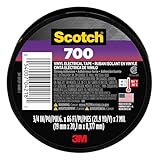
I was wrestling with a wonky old fan, the kind that hums a tune slightly off-key. The wiring was a mess, a bird’s nest of frayed ends and questionable splices. My first instinct, of course, was to grab the nearest roll of that shiny, stretchy tape – the stuff everyone calls ‘electrica tape’. But as I twisted it around a particularly dodgy connection, a cold dread washed over me. The question popped into my head, sharp and sudden: can electrica tape catch fire? It felt like a stupid question, but also one that needed a real answer, not just a shrug and a prayer.
We’ve all been there, right? Duct tape for everything, electrical tape for anything vaguely wire-shaped. It’s the go-to for quick fixes, a magician’s scarf pulled from a hat to hide a problem. But ‘quick fix’ and ‘safe fix’ are two very different beasts. I’ve seen some terrifying electrical bodges in my time, and the thought of a tape-induced inferno is enough to make anyone pause.
So, let’s cut the crap. What’s the real deal with this stuff when things get hot?
The Real Deal with Electrica Tape and Heat
Look, the short answer is: yes, under the right (and by ‘right,’ I mean very wrong) circumstances, electical tape can catch fire. But it’s not like it’s a ticking time bomb just sitting in your toolbox.
It’s all about context, and frankly, about using the right tool for the job. Most of the time, the cheap stuff you grab at the corner store isn’t designed for heavy-duty, high-heat situations.
It’s meant for low-voltage, temporary insulation. Think wrapping up a lamp cord that’s seen better days, or tidying up some speaker wire.
For those sorts of things, it’s usually fine. But if you’re thinking about using it on the main power feed to your shed, or on something that generates serious heat, you’re asking for trouble.
I learned this the hard way years ago with a dodgy extension cord powering a portable heater in my garage. It was winter, freezing cold, and the heater’s plug was looking a bit sad. I wrapped it up with a generous amount of that ubiquitous black tape, feeling pretty proud of my DIY prowess. A few hours later, I smelled something acrid.
Thankfully, I was just heading out to the garage to grab something. The tape wasn’t exactly engulfed in flames, but it was melted, blackened, and starting to smolder. The plastic on the cord beneath it was warped. (See Also: Can I Use Electrical Tape To Connect Wires )
If I hadn’t been there, it could have easily escalated. That was my wake-up call. Not all electrical tape is created equal, and the cheap stuff definitely has its limits. It’s like using a band-aid for a gaping wound; it might cover it, but it’s not going to do the actual healing, and it might just make things worse.
What You’re Actually Buying: The Lowdown on Different Tapes
So, why does this happen? It’s all about the materials. Standard, cheap electrical tape is usually made from PVC (polyvinyl chloride) with a rubber-based adhesive. PVC is a plastic, and plastics, as we all know, are flammable. When subjected to excessive heat, that PVC can soften, degrade, and eventually ignite. The adhesive can also become gooey and conductive under heat, which is another big no-no. The real danger isn’t just the tape itself burning; it’s that the degraded tape can fail to insulate properly, exposing live wires, which then creates a much bigger fire hazard.
Now, there are higher-grade electrical tapes out there. You’ve got vinyl tapes that are designed to be more heat-resistant, often rated for higher temperatures.
Then there are specialized tapes like fiberglass or silicone tapes, which are built for extreme conditions – think high-voltage industrial applications or wrapping exhaust manifolds. These are a different beast entirely and are far less likely to spontaneously combust.
They’re more expensive, obviously, but they do what they say on the tin. My advice? If it’s anything remotely important or generating noticeable heat, ditch the bargain-bin stuff. I spent about $180 over two years trying different cheap rolls before I finally splurged on a couple of rolls of decent quality tape, and the difference in performance and peace of mind was huge.
Here’s a quick rundown of what you might find, and my two cents:
| Type of Tape | Common Use | Heat Resistance | My Verdict |
|---|---|---|---|
| Standard PVC Electrical Tape | Low-voltage wiring, temporary insulation, wire bundling | Low to Moderate (up to 80°C / 176°F typically) | Okay for light-duty home stuff, but be wary of heat. Overrated for anything serious. |
| High-Temperature Vinyl Tape | Appliance wiring, moderate heat environments | Moderate to High (up to 105°C / 221°F or more) | A decent step up if you’re a bit unsure. Worth the extra couple of bucks. |
| Silicone Rubber Tape | High-voltage, extreme temperatures, waterproofing connections | Very High (up to 260°C / 500°F or more) | The real deal for tough jobs. Don’t mess around with less if you’re in doubt. Not cheap, but you get what you pay for. |
| Fiberglass Tape | High-voltage, extreme heat, wrapping wires in engine bays | Extremely High (often 500°C / 932°F+) | Overkill for 99% of home use, but the gold standard for serious heat. |
Common Mistakes and Why They’re Dangerous
The biggest mistake, hands down, is using electrical tape as a substitute for proper connectors or actual insulation. People use it to join wires together, or to cover up bare spots that are clearly failing. Electrical tape is not a conductor. Its job is to insulate and protect. When you use it to create a splice, you’re relying on the tape to hold the wires together and prevent them from touching anything else. That’s a huge ask, especially if the connection is under any kind of mechanical stress or heat. Over time, the adhesive can weaken, the tape can stretch and lose its integrity, and suddenly you have bare wires exposed again, or worse, a short circuit.
Another common blunder is using the wrong type of tape for the environment. That cheap PVC tape might be fine for the inside of a climate-controlled room, but shove it into a hot attic, a damp basement, or near an appliance that kicks off heat, and it’s going to degrade much faster. (See Also: Can Electrica Tape Catch On Fire )
Sunlight also breaks down most tapes, so using it for outdoor repairs is usually a temporary fix at best. I once saw a guy try to patch a frayed cord on an outdoor Christmas light display with standard electrical tape. Come January, it was brittle, cracked, and looked like it had been through a sandblaster. A heavy rainstorm later, and he had a very real fire hazard on his hands.
People also tend to over-rely on the tape’s stretchiness. They’ll wrap it super tight, thinking that’s what makes it secure. While a good wrap is important for creating a decent seal, excessive tension can actually damage the tape itself, especially PVC, making it thinner and more prone to failure. The goal is to create a smooth, overlapping layer of insulation, not to strangle the wires.
When Electrica Tape Actually works (and When to Just Stop)
Okay, so it’s not all doom and gloom. There are absolutely times when electrical tape is the perfect tool. It’s fantastic for bundling loose wires together neatly. Think behind your TV or computer setup – a few wraps of tape can tidy up that spaghetti junction of cables, making it look much cleaner and preventing tangles. It’s also great for adding a bit of extra grip to tool handles that have become slick with age, or for temporary insulation on low-voltage projects. For example, if you’re working with hobby electronics, like Arduino or Raspberry Pi projects, and you have some wires that need a quick bit of insulation to prevent accidental shorts while you’re testing, electrical tape is your friend.
Where it shines is in its flexibility and ease of use. It conforms to irregular shapes easily, and you can tear it off a roll without needing scissors (most of the time). I’ve used it to temporarily secure a loose wire on a car dashboard until I could get it to a mechanic, and to wrap the ends of some garden tool handles that had gotten rough. These are jobs where the stakes are low, the heat is minimal, and the requirement is just basic protection or tidiness.
However, the line gets blurry when you start talking about anything that carries significant current or generates heat. My personal rule of thumb is this: if I’m unsure, or if the repair involves anything plugged directly into a wall socket that draws more than a couple of amps, I’m moving on to something more solid. This includes things like:
- Repairing damaged appliance cords (vacuum cleaners, toasters, hair dryers).
- Any wiring in an engine bay or near a motor.
- Extension cords that see heavy use or are used outdoors.
- Anything you’d consider a permanent fix.
If any of those apply, step away from the electrical tape and consider heat-shrink tubing, proper wire connectors (like Wago connectors or crimp connectors), or even replacing the entire cord. It’s just not worth the risk.
Real-World Use: My Go-to List for Electrical Tape
Honestly, my roll of electrical tape lives in the ‘miscellaneous’ drawer now. It’s not the first thing I reach for anymore. I used to think it was the answer to all my electrical woes, but experience has taught me otherwise. These days, I reach for it for very specific, low-consequence tasks. Here’s what I actually use it for:
- Cable Management: This is its undisputed champion role. Bundling up all those cables behind my entertainment center, tidying up the wires from my desk setup. It keeps things neat and prevents them from becoming a tangled nightmare.
- Temporary Labeling: Sometimes I’ll wrap a bit around a wire and use a permanent marker to jot down what it is, especially in complex setups where I might need to disconnect and reconnect things later. It’s a quick and dirty way to keep track.
- Adding Grip: For some of my older tools, like garden shears or even a trusty pair of pliers, the handles can get worn and smooth. A few layers of electrical tape can give them a much-needed grippy texture.
- Securing Things (Non-Electrical): This sounds weird, but sometimes it’s just handy for temporarily holding something in place that isn’t electrical, where you need a bit of stretch and stickiness but don’t want to damage the surface. Think securing a piece of plastic sheeting temporarily.
Anything beyond that, and I’m reaching for something else. If a wire is truly damaged and needs splicing, I use proper crimp connectors and then seal them with heat-shrink tubing. For protecting connections in a damp environment, dielectric grease and heat-shrink are far superior. And if I’m dealing with anything that produces heat – like a motor or a heating element – I’m looking at high-temperature rated tapes or even ceramic insulators, depending on the severity. It’s about understanding the limitations and respecting the power you’re working with. (See Also: Can I Substitute Duct Tape For Electrical Tape )
Faqs About Electrica Tape and Fire Safety
Can Electrical Tape Melt?
Yes, electrical tape can definitely melt, especially standard PVC types when exposed to excessive heat. The melting point varies depending on the material composition, but prolonged exposure to temperatures above its rating will cause it to soften, deform, and potentially drip or become sticky. This is a sign that it’s failing in its insulating capacity.
Is It Safe to Use Electrical Tape on a Hot Wire?
No, it is generally not safe to use standard electrical tape on a wire that is actively hot or expected to get hot. Most common electrical tapes are not rated for high temperatures. When exposed to heat, the tape can degrade, lose its adhesive properties, and its insulating capabilities will diminish, increasing the risk of short circuits and fire.
How Do I Know If My Electrical Tape Is Bad?
You’ll know your electrical tape is bad if it’s brittle, cracks easily when unrolled, the adhesive is no longer sticky or has become gummy, or if it has lost its color and appears faded or discolored. If it feels stiff or excessively stretchy, it’s also a sign of age or degradation. Inspecting it visually and by touch can tell you a lot.
What Temperature Can Electrical Tape Withstand?
Standard PVC electrical tape typically has a temperature rating of around 80°C (176°F). Higher-grade vinyl tapes can go up to 105°C (221°F) or more, and specialized tapes like silicone or fiberglass can withstand significantly higher temperatures, often hundreds of degrees Celsius. Always check the product specifications for its exact rating.
What Should I Use Instead of Electrical Tape for a Permanent Fix?
For permanent fixes on electrical wiring, it’s best to use proper connectors like Wago connectors, wire nuts, or crimp connectors. These should then be protected with heat-shrink tubing, which provides durable insulation and a secure seal. For repairing cords, replacing the entire damaged section or the whole cord is often the safest and most reliable solution.
Conclusion
So, to circle back to that initial question: can electical tape catch fire? Yes, it absolutely can, especially if you’re using the cheap stuff on something that generates heat or is constantly stressed. It’s not designed to be a fire retardant; it’s designed to be an insulator for low-voltage, low-heat applications. My own close call with that smoldering extension cord is proof enough for me that you can’t just grab any old roll and expect it to solve your problems safely.
The market is flooded with cheap, low-quality tapes that might seem like a bargain, but they can end up costing you a lot more if they fail. For anything remotely important, or anything that’s going to be in a potentially hot environment, do yourself a favor and invest in a higher-quality, properly rated tape, or better yet, use actual connectors and heat-shrink tubing. Your home, your belongings, and your peace of mind will thank you for it.
Don’t let a cheap roll of tape turn into an expensive fire hazard. Always check the specs, use the right tool for the job, and when in doubt, err on the side of caution. If you’re still not sure if your specific application is safe, it’s always best to consult a qualified electrician.