I remember the first time I crammed a full-size bed into my tiny apartment. The only spot that made sense was right up against the wall with the only available outlet. I plugged in my phone charger, my lamp, and a little fan. It worked. For about three weeks. Then, one morning, I woke up to that acrid smell of burning plastic. My charger was smoking. Luckily, it was just a cheap charger and nothing worse happened, but it got me thinking: are beds next to outlets a fire hazard?
It’s a question that probably pops into a lot of people’s heads when they’re wrestling furniture into tight spaces. You see that outlet, it’s convenient, and you shove the bed over. Easy. But is “easy” the same as “safe”? The answer, as with most things involving electricity and flammable materials like bedding, is a complicated “it depends.”
The Real Risk: How Outlets Become Fire Fodder
Let’s cut to the chase: yes, beds next to outlets can absolutely be a fire hazard, but it’s not usually the outlet itself going rogue. It’s about what you plug into it, how you plug it in, and what happens when things get… cozy. Think about it. Your bed is a giant, soft, flammable object. Outlets are the gateways for electricity. Combine them without a second thought, and you’re playing with fire, quite literally.
The primary culprit is usually overheating. When you cram a bunch of stuff into one outlet, especially using cheap, uncertified power strips or extension cords, you’re asking for trouble. These overloaded circuits generate heat. If that heat has nowhere to go – and it certainly doesn’t when it’s pressed against a mattress or piled high with blankets – it can ignite nearby materials. I once saw a friend’s bedside table catch fire because a faulty power strip, buried under a stack of books and magazines right next to his bed, decided to throw a tantrum. The flames were small at first, but the proximity to his mattress meant it could have gone south fast.
Another common issue is damaged cords. Over time, especially if a cord gets pinched between the bed frame and the wall, the insulation can wear away. This exposes the wires, creating a direct risk of short circuits and sparks. These sparks are tiny, but they can be hot enough to ignite dust bunnies or fabric. I’ve had to replace charger cords more times than I care to admit because they got kinked or frayed from being shoved behind furniture. Imagine that happening when you’re asleep, with your face mere inches away.
Then there’s the issue of dust. Our bedrooms, let’s be honest, aren’t always the cleanest places. Dust bunnies love to congregate in dark, undisturbed corners – like the space between your bed and the wall. If an electrical fault occurs near this dust accumulation, it’s like providing kindling for a fire. The heat from a spark or an overheating cord can easily ignite this dry, fluffy material, giving a fire a perfect starting point.
Finally, consider the quality of your electrical devices. Not all chargers, lamps, or appliances are created equal. Cheaply made electronics, especially those without proper safety certifications like UL listing, are far more likely to overheat or malfunction. Plugging a bunch of these unverified items into an outlet tucked behind your bed is like rolling the dice on your safety. I learned this the hard way after buying a ridiculously cheap bedside lamp online. It worked for a week, then started making this weird buzzing noise and got alarmingly hot to the touch. It went straight into the trash. You get what you pay for, and when it comes to electricity, “getting what you pay for” can be a fire.
What to Look for: The Red Flags and the Green Lights
So, how do you know if your bedroom setup is a ticking time bomb or perfectly fine? It boils down to a few key indicators. First off, feel the outlet and the plugs. If they’re noticeably warm to the touch, even when just a couple of things are plugged in, that’s a bad sign. Persistent warmth means there’s too much resistance in the circuit, causing it to heat up. This is electricity’s way of saying, “I’m struggling here, buddy.” My old apartment had this one outlet behind the couch that always felt a bit toasty, and I made sure to use it only for a low-draw lamp. If the heat is more than just a faint warmth, move that bed.
Next, inspect your cords and plugs. Are they frayed, cracked, or kinked? Do the plugs fit loosely into the outlet or the power strip? Damaged cords are a major fire hazard because they can lead to short circuits. Loose plugs mean poor contact, which can also cause overheating at the connection point. I make it a habit to give all my device cords a quick once-over every few months. If I see any signs of wear and tear, especially near the plug or the device itself, it’s replaced. No exceptions.
Pay attention to your power strips and extension cords. Are you using one of those cheap, flimsy power strips that feel lighter than they should? Are you daisy-chaining multiple extension cords together?
These are huge red flags. Quality power strips have surge protection and circuit breakers built-in. They’re designed to handle a certain load.
Overloading them or using ones that aren’t properly rated is asking for trouble. When I’m buying a power strip, I look for reputable brands, surge protection, and a decent cord length that doesn’t require stretching across the room. I also check the maximum wattage it can handle and make sure my devices don’t exceed that. For my bedside setup, I opted for a power strip with individual on/off switches for each outlet, so I can turn off things I’m not actively using, reducing overall power draw and heat. (See Also: Are American Outlets Ac Or Dc )
Consider the age and condition of your home’s wiring. Older homes, especially those with aluminum wiring or outdated breaker panels, can be more prone to electrical issues. If your home was built before the 1970s, it’s worth having an electrician check out your wiring, especially if you notice flickering lights, frequently tripped breakers, or outlets that don’t seem to work consistently. This isn’t directly about the bed’s placement, but it’s a foundational safety issue that amplifies any risk from nearby electrical points. I once lived in a house where every time the microwave turned on, the lights in the living room dimmed. That’s a classic sign of overloaded or faulty wiring that needs professional attention.
Finally, think about ventilation. Is there space for air to circulate around the electrical devices and cords? When a bed is pushed right up against the wall, it can create a confined space where heat can build up. This is particularly true if you have a headboard that’s solid and creates a tight seal against the wall. Ideally, there should be at least a few inches of clearance between the back of your bed and the wall, especially if there are outlets or electrical equipment there. This airflow is important for dissipating heat and preventing a dangerous buildup.
Common Mistakes and What Not to Do
You’d be surprised how many people make the same few boneheaded mistakes when it comes to placing beds near outlets. The most obvious one, which I’ve already touched on, is overloading outlets. This means plugging in too many high-draw devices into a single outlet, often via a power strip that itself is overloaded.
Think: phone charger, laptop charger, bedside lamp, fan, and maybe even a small heater. That’s a lot of juice. My personal rule of thumb is to try and spread out major power draws across different circuits if possible. If I’m using a bedside lamp, a phone charger, and maybe a white noise machine, that’s usually fine for one outlet.
But if I’m charging a laptop and a tablet simultaneously, I’ll look for another outlet, preferably on a different wall or even in another room if it’s that power-hungry.
Another common error is using damaged or inappropriate extension cords. Some people think it’s okay to use thin, indoor-rated extension cords for everything, or to leave them plugged in permanently behind furniture.
This is a recipe for disaster. Extension cords are meant for temporary use, and even then, they should be heavy-duty and rated for the specific appliances you’re plugging into them. Never use an extension cord as a permanent wiring solution. Also, avoid running cords under rugs or carpets.
This can damage the insulation and create a hidden fire hazard. I learned this the hard way when a dog chewed through a carpet-covered extension cord, and we only discovered the frayed wires because we smelled a faint burning odor. Never again.
Hiding cords behind the bed or other furniture without securing them is another big no-no. When cords are loose, they can get pinched between the mattress and the wall, or between the bed frame and the floor.
This constant pressure can damage the insulation and lead to shorts. It’s also a dust magnet, creating a perfect fire starter. My approach is to use cord clips or sleeves to keep them organized and away from pinch points.
It might sound like overkill, but a few bucks spent on cord management can save you a lot of potential heartache. For the cords going behind the bed, I make sure they’re routed so they can’t be compressed and that there’s a bit of slack. It’s about proactive prevention. (See Also: Are All Power Outlets Ac )
Then there’s the tendency to ignore warning signs. That faint burning smell? That outlet that feels consistently hot? Those flickering lights when you turn something on? These aren’t minor annoyances; they are flashing red lights from your electrical system. Many people, myself included in my younger, more reckless days, tend to dismiss these. “Oh, it’s just old wiring,” or “It’s probably nothing.” Wrong. These are indicators of potential problems that, in the worst-case scenario, can lead to a fire. If you notice any of these signs, the first thing you should do is unplug everything from that outlet and have it inspected by a qualified electrician. Don’t wait for it to get worse. Safety first, always.
Finally, and this might sound obvious, but don’t place heat-generating devices directly against flammable materials. This includes things like electric blankets (especially older ones), bedside heaters, or even phone chargers that tend to run warm. If these are placed directly on or against bedding, curtains, or piles of clothing, the risk of ignition is significantly higher. I always make sure any of these devices have space around them to breathe and are placed on a non-flammable surface, like a nightstand or the floor, well away from the bulk of the bedding. Even a small gap can make a huge difference.
Real-World Scenarios: My Bed, My Outlets
I’ve had my fair share of bedroom setups, and believe me, I’ve made my mistakes. In my first apartment, the bedroom was tiny, and the only viable outlet was directly behind where the headboard of my double bed would go.
At the time, I was pretty clueless about electrical safety. I plugged in my phone charger, a desk lamp that sat on my nightstand, and a small fan to try and survive the summer heat. I used a basic, no-frills power strip. After a couple of months, I started noticing that the wall behind the bed felt strangely warm to the touch, especially after a long day where the fan and lamp were running continuously.
I also noticed a faint, almost imperceptible smell, like hot plastic, that I’d initially dismissed as just “apartment smell.”
One night, I woke up in the middle of the night to a faint crackling sound. My heart did a little leap. I cautiously got out of bed and felt the wall. It was definitely warmer than usual.
I unplugged the power strip, and the warmth slowly dissipated. The next day, I pulled the bed away from the wall. The power strip was visibly warped, and one of the outlets looked a little blackened.
The cords plugged into it were also hot. I realized then that the combination of a cheap power strip, continuous use, lack of ventilation, and being crammed against flammable bedding was a genuine fire hazard. I immediately replaced the power strip with a surge-protected one that had a higher amperage rating, and I made sure to buy one with a slightly longer cord so I could pull the bed out at least six inches from the wall. It wasn’t the most aesthetically pleasing solution, but it gave me peace of mind.
Another time, I was trying to create a cozy reading nook in a corner of my living room, which involved placing a comfortable armchair right next to a wall outlet. I had a floor lamp and a small side table with my phone charger and a book. The lamp’s cord was a bit frayed near the plug, something I’d been meaning to fix for ages. One evening, as I was reading, I smelled that unmistakable scent of burning plastic, stronger this time.
I looked around, and a thin wisp of smoke was curling up from behind the armchair, right where the lamp cord was plugged in. I yanked the plug out, and thankfully, the smoking stopped immediately. The insulation on the cord had completely melted off near the prong, and it had shorted out against the wall plate. The armchair fabric right next to it was slightly scorched.
That was a wake-up call. From then on, I’ve been much more diligent about inspecting cords and making sure they aren’t pinched or damaged, especially in tight spots like behind furniture. (See Also: Are Arc Trip Outlets Required In Hillsborough County )
These experiences taught me that it’s not just about the outlet itself, but the entire ecosystem of electrical devices and their placement. It’s about being aware of heat, wear and tear, and proper ventilation. It’s about not being lazy and letting things slide. The convenience of having an outlet right there is tempting, but it’s never worth the risk of a fire. I now make it a point to have at least a few inches of clearance between my bed and the wall, especially if there’s an outlet. If I can’t achieve that, I’m extra cautious about what I plug in and how I manage the cords. It’s a small adjustment that can have a massive impact on safety.
Practical Tips for Safer Bedside Electricity
Let’s get practical. You’ve got your bed, you’ve got your outlets, and you want to avoid turning your bedroom into a scene from a disaster movie. Here’s what I actually do, and what you should consider:
- Maintain Clearance: This is the golden rule. Aim for at least 6 inches of space between your bed and the wall where the outlet is located. If your bed frame is particularly bulky or your headboard sits flush with the wall, you might need even more. This space allows for air circulation, preventing heat buildup and giving you easier access to the outlet if needed. If you can’t achieve this due to space constraints, be extra diligent with the other points.
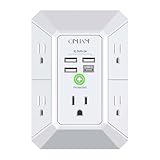
- Use Quality Power Strips and Surge Protectors: Ditch those cheap, unbranded power strips. Invest in a good quality surge protector from a reputable brand. Look for features like circuit breakers, individual on/off switches, and a UL certification. This helps protect against power surges and prevents overloading. I like power strips with USB ports built-in too, so I don’t need as many bulky wall adapters.
- Inspect Cords Regularly: Make it a habit to check all your electrical cords at least every few months. Look for cracks, frays, kinks, or any signs of damage. If you find any damage, replace the cord immediately. Never try to repair a damaged cord by taping it up. For cords that run behind furniture, make sure they aren’t pinched or stressed. Using cord covers or clips can help keep them organized and protected.
- Avoid Overloading Outlets: Be mindful of how many devices you’re plugging into a single outlet or power strip. High-draw items like hair dryers, space heaters, or powerful chargers should be used sparingly and ideally on different circuits. For bedside use, stick to lower-draw items like phone chargers, bedside lamps, and small electronics. If your outlet has individual switches on the power strip, turn off devices you aren’t actively using to reduce power draw and heat.
- Use Certified Electronics: Only plug in devices that are certified by recognized safety organizations (like UL in the US, CE in Europe). These certifications mean the product has undergone rigorous testing for safety. Avoid counterfeit or suspiciously cheap electronics, as they often lack proper safety features and can be a fire risk.
- Keep the Area Clean: Dust bunnies are fire hazards. Regularly clean the area around your outlets and behind your bed. A vacuum cleaner with a brush attachment can help you get into those tight spots and remove accumulated dust and debris, which can insulate and ignite.
- Consider Smart Plugs (with Caution): Smart plugs can offer convenience and control, allowing you to schedule devices or turn them off remotely. However, make sure the smart plug itself is certified and doesn’t overheat. Use them for low-draw devices and always monitor them initially. They can be a good way to make sure a lamp is turned off at a certain time, reducing the risk of it being left on all night near flammable materials.
- Install Smoke Detectors: This is a must for any room, but especially bedrooms. Make sure you have working smoke detectors with fresh batteries. Test them monthly. Having an early warning system is your last line of defense against a potential fire.
These tips might seem like a lot, but they’re simple habits that significantly reduce the risk. It’s about being proactive rather than reactive when it comes to electrical safety in your personal space.
People Also Ask (faq)
Can I Plug a Lamp and a Phone Charger Into an Outlet Next to My Bed?
Generally, yes, as long as you use quality, certified devices and a good power strip or a wall outlet that isn’t already overloaded. The key is to avoid overheating. If the plugs or outlet feel warm, or if you’re using cheap, uncertified equipment, it’s best to move one of the devices or unplug it when not in use. Always make sure there’s some airflow and the cords aren’t pinched.
What Is the Safe Distance Between a Bed and an Electrical Outlet?
While there isn’t a single, universally mandated “safe distance” in building codes for residential outlets and beds, best practice and common sense suggest maintaining at least six inches of clearance. This allows for ventilation, prevents cords from being pinched, and reduces the risk of flammable bedding coming into direct contact with any potential heat source or spark from the outlet or plugged-in devices.
Are Power Strips Safe to Use Behind a Bed?
Power strips can be safe behind a bed if they are high-quality, surge-protected, UL-certified, and not overloaded. However, they pose a higher risk if they are cheap, damaged, or used to plug in too many devices. Make sure the power strip has adequate ventilation and that its cords are not pinched or frayed by the bed frame. It’s always better to have a little space for air to circulate. If a power strip feels warm, it’s a sign to investigate and potentially replace it or reduce the load.
What Should I Do If My Outlet Sparks When I Plug Something in?
If an outlet sparks when you plug something in, unplug the device immediately and do not use that outlet again. This indicates a serious electrical problem, possibly with the outlet itself, the wiring, or the device. You should call a qualified electrician to inspect and repair the outlet or wiring. Continuing to use a sparking outlet is a significant fire hazard and can also be dangerous for your health.
How Can I Make Sure My Bedside Electrical Setup Is Safe?
To make sure your bedside electrical setup is safe, regularly inspect all cords and plugs for damage, use only certified electronics and quality power strips, avoid overloading outlets, and maintain adequate ventilation by keeping your bed a safe distance from the wall. Also, make sure you have working smoke detectors in your bedroom and test them monthly. If you notice any signs of overheating, strange smells, or flickering lights, address them immediately with a professional inspection.
Verdict
So, are beds next to outlets a fire hazard? The answer is a resounding ‘potentially, yes.’ It’s not an inherent danger of the outlet itself, but rather a combination of factors: what you plug in, the quality of your equipment, how you manage your cords, and the ventilation around the electrical components. My own experiences have taught me that convenience can sometimes blind you to risk, and a few inches of clearance or a regular cord check can make a world of difference.
The good news is that this is largely a preventable risk. By being mindful of these factors, you can significantly reduce the chances of a dangerous situation. Invest in quality gear, do a quick inspection now and then, and give things a bit of breathing room. It’s a small effort for a lot of peace of mind.
Ultimately, if you’re ever in doubt about your bedroom’s electrical setup, err on the side of caution. A few simple checks and adjustments can make sure that your sanctuary remains a safe place to rest, rather than a potential fire hazard. The question of whether beds next to outlets are a fire hazard really comes down to your own diligence and awareness.