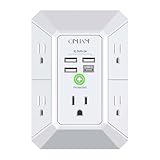
I was halfway through a trip to Toronto, my phone battery flashing that dreaded 1% warning, when it hit me: are Canadian electric outlets the same as USA? I’d packed my usual adapter, the one I’d used a hundred times stateside, only to find it utterly useless. That sinking feeling? Yeah, that’s what this whole ordeal started with. It turns out, while they look incredibly similar, there’s a subtle, yet important, difference that can leave you scrambling.
For years, I just assumed they were identical. Why wouldn’t they be? We share a border, tons of trade, and a general sense of North American camaraderie. But when you’re staring at a wall socket that won’t accept your plug, assumptions go right out the window. So, let’s get this straight: are Canadian electric outlets the same as USA? The answer is… complicated.
Why Your ‘usa’ Plugs Might Not Work in Canada
Alright, let’s cut to the chase: are Canadian electric outlets the same as USA? Technically, no. While they both use Type A and Type B plugs (the ones with two flat pins, or two flat pins and a round ground pin), there’s a important distinction in the voltage and frequency they operate on, and sometimes, even the ground pin itself can be a deal-breaker. Most North American countries, including the USA and Canada, operate on a 120-volt system with a frequency of 60 Hertz. This is fantastic because it means most of your everyday electronics, like phone chargers, laptop power bricks, and hair dryers, will physically fit into a Canadian outlet and function without issue, provided the plug itself is compatible.
The real kicker, though, isn’t always the plug shape. It’s the subtle engineering differences that trip people up. For instance, while both countries predominantly use Type A and Type B, Canadian outlets often have a slightly wider ground pin slot.
This isn’t universal, but it’s common enough that a North American plug with a slightly thicker ground pin might not slide all the way in, or worse, could get stuck. I’ve seen it happen. My first time in Vancouver, I nearly yanked a piece of the outlet out trying to force a stubborn charger. It looked identical, felt identical, but that ground pin was just… off.
I learned then that ‘close enough’ doesn’t always cut it when it comes to electricity.
Another point of confusion is the concept of polarized plugs. These are Type A plugs where one of the flat pins is wider than the other. This is designed to make sure the appliance is always plugged in the same way, directing current correctly. Canada uses polarized plugs, and so does the USA.
So, that part is usually fine. The voltage is also generally the same at 120V. However, if you’re bringing any high-power appliances or sensitive electronics, you’ll want to double-check the labels. For example, some older or specialized equipment might have a slightly different power requirement that, while still within the 120V range, might not appreciate being plugged into a 60Hz frequency if the device is designed for 50Hz (which is rare in North America but not impossible for very specific imported gear).
The most common scenario where you’ll encounter an issue is with older buildings or less modern infrastructure. While new construction tends to be standardized, you might still find outlets in older homes or hotels that are a bit… idiosyncratic. It’s less about the fundamental design being different and more about manufacturing tolerances and wear-and-tear. My advice? Don’t gamble. Assume there might be a difference and be prepared.
The Voltage and Hertz Lowdown: What Actually Matters
So, we know the plugs look the same, and for the most part, they are. Are Canadian electric outlets the same as USA in terms of voltage and Hertz? Yes, largely. Both Canada and the United States operate on a standard nominal voltage of 120 volts (V) and a frequency of 60 Hertz (Hz). This is a huge convenience because it means that the vast majority of your common electronic devices and small appliances will work without any problems when you travel between the two countries. Think about your smartphone charger, your laptop power adapter, your electric toothbrush base – these are all designed to handle this standard power supply.
However, here’s where you need to pay attention, and where my own experiences have taught me some harsh lessons. While the nominal voltage is the same, there can be slight variations. (See Also: Are American Outlets Ac Or Dc )
More importantly, the physical plug and socket design, as I mentioned, can have subtle differences. The ground pin is the most common culprit.
While many modern North American plugs have a consistent ground pin thickness, some older ones, or even some poorly manufactured newer ones, might have a slightly thicker or thinner ground pin than what a Canadian outlet is designed to accept. I once bought a fancy new surge protector in the US that had noticeably thicker ground pins.
It wouldn’t go into the wall in my Canadian friend’s apartment at all. Total bummer, and a waste of $40.
What about higher-power items? Things like hair dryers, curling irons, or even some power tools. These are the items you really need to scrutinize. While they’ll likely accept the 120V/60Hz power, the amperage draw can be significant. If you’re bringing a device that draws a lot of power, it’s always a good idea to check its label. Most modern dual-voltage appliances will have a switch or will automatically adapt. But if you’re dealing with something older or specialized, it’s worth a quick check. For instance, if you’re a photographer and bring professional lighting equipment, you’d absolutely want to verify its compatibility. The last thing you want is to fry a piece of expensive gear because you assumed everything was identical.
The 60Hz frequency is pretty standard across North America. Things get tricky when you start talking about traveling to Europe or Asia, where the voltage is higher (220-240V) and the frequency is often 50Hz. In those cases, you definitely need a voltage converter or a dual-voltage device. But for Canada vs. USA? Mostly, you’re in the clear on voltage and Hertz. The plug fit is the more frequent hurdle. Remember, even if the plug looks the same, that fraction of a millimeter difference in the ground pin can be enough to prevent a connection. Don’t make my mistake and get caught with a dead phone on day one of your trip.
The Plug Itself: A Visual Comparison and What to Look For
Let’s get down to the nitty-gritty of the plug and socket. When you ask, ‘are Canadian electric outlets same as USA?’, the visual aspect is what most people focus on. And visually, they are incredibly similar. Both countries primarily use the Type A and Type B plug and socket configurations. Type A has two parallel flat pins, and Type B adds a third round or U-shaped pin for grounding. This is why most devices you own will physically fit into an outlet in the other country.
Here’s the subtle but important distinction: the ground pin. While both countries use a grounded outlet for safety, the diameter of the ground pin on plugs intended for use in Canada is often slightly larger than its US counterpart. Think of it like trying to fit a slightly too-big bolt into a slightly too-tight nut. If your US-sourced plug has a ground pin that’s a hair thicker, it might not fully insert into a Canadian outlet. Conversely, a Canadian plug with a thinner ground pin might fit snugly into a US outlet, but it’s the other way around that causes the immediate problem.
I remember buying a heavy-duty extension cord in the States. It looked completely standard, but the ground pin was noticeably thicker. When I got back to Canada and tried to plug in my work monitor, it just wouldn’t go in. I fiddled with it for a good five minutes, thinking I was doing something wrong. It wasn’t until I grabbed an older, thinner-grounded cord that I realized the issue. It’s a small thing, but it’s enough to cause frustration.
When you’re packing or buying adapters, look closely at the plugs on your devices and any adapters you’re considering. If a plug has two flat pins of the same size, it’s a Type A plug and usually interchangeable. If it has two flat pins and a round ground pin, it’s a Type B. Pay attention to the ground pin’s thickness. Most universal travel adapters will explicitly state if they are suitable for both Canada and the USA, and this is usually because they have slightly more forgiving tolerances on the ground pin slot or are designed to accommodate both variations.
Another thing to consider is the socket itself. While the internal pin slots are generally the same, some older Canadian outlets might have a slightly different spring tension or depth. This is less about a design difference and more about the wear and tear of the outlet over time, but it can contribute to a plug feeling looser or tighter than you’re used to. So, while you might get lucky with most of your plugs, it’s not a guaranteed 100% compatibility. (See Also: Are All Power Outlets Ac )
| Feature | USA | Canada | Verdict |
|---|---|---|---|
| Voltage | 120V | 120V | Compatible |
| Frequency | 60Hz | 60Hz | Compatible |
| Plug Type | Type A/B | Type A/B | Looks Same |
| Ground Pin Diameter | Standard (slightly thinner) | Standard (often slightly thicker) | Potential Issue |
| Polarization | Used | Used | Compatible |
| Common Device Compatibility | High | High | Usually Works |
| Potential Problem Areas | Older or non-standard plugs | Older or non-standard plugs, specifically ground pin fit | Minor, but frustrating |
Common Mistakes and How to Avoid Them
The biggest mistake people make, and one I’ve made myself more times than I care to admit, is assuming absolute compatibility. Just because you’re only crossing the border from the US to Canada (or vice-versa) doesn’t mean every single plug you own will slide in perfectly. The question ‘are Canadian electric outlets same as USA?’ is often answered with a confident ‘yes,’ but that’s an oversimplification. The reality is, they are mostly the same, but ‘mostly’ isn’t good enough when you need to charge your phone or power your key gear.
My first trip after I bought that too-thick-ground-pin extension cord taught me a valuable lesson: always test your important plugs before you leave. If you’re going from the US to Canada, grab your most important chargers (phone, laptop, medical devices) and try them in a Canadian outlet if you can, or at least examine them very closely. I’ve had a few US-made power bricks with ground pins that were just a hair too wide to fully seat in a Canadian socket. It’s usually not a safety issue, but the device won’t get power. I once spent an hour in a hotel lobby in Vancouver trying to find an outlet that would accept my laptop charger, all because I didn’t check beforehand.
Another common mistake is relying solely on the ‘dual voltage’ label without understanding what it means. Many modern electronics are dual voltage (100-240V), meaning they can handle different voltage systems worldwide. This is great for frequency (50Hz vs. 60Hz) and voltage differences. However, this label often doesn’t account for the physical plug shape. So, even if your device can handle the power, the plug might not fit the socket. You’ll still need a plug adapter for the physical connection, even if you don’t need a voltage converter. People often confuse the two and think ‘dual voltage’ means ‘plug and play anywhere,’ which is rarely the case.
Over-reliance on cheap, generic travel adapters is another pitfall. You see a pack of 10 adapters for $5 and think you’re set. But these cheap ones often have loose tolerances, poor build quality, and can be a fire hazard. They might work for a short while, but they’re not reliable. For anything sensitive or important, invest in a reputable adapter from a known brand. I learned this the hard way when a cheap adapter for my camera charger overheated and started to melt. Thankfully, I caught it quickly. Now, I stick to adapters that are specifically rated for the country I’m visiting or explicitly state compatibility across North America.
Finally, don’t forget about the ground pin. If you have devices with only two flat pins (Type A), you’re less likely to have issues because there’s no ground pin to worry about. But if your device has a ground pin, that’s where the variability lies. Always check the fit of that ground pin. It’s the single most common physical incompatibility between US and Canadian outlets. A simple plug adapter that has a slightly wider slot for the ground pin can solve this problem instantly. It’s a small investment for peace of mind.
Real-World Scenarios: When Does It Actually Matter?
So, when does this subtle difference between ‘are Canadian electric outlets same as USA?’ actually become a problem? It’s not every single time, thankfully. Most of the time, especially with modern, common electronics, you’ll be fine. Your phone charger, your laptop charger, your tablet – these typically have plugs with pins that fall within the acceptable tolerances for both countries. I’ve plugged my iPhone charger into countless outlets in both countries without a hitch. It’s the two-prong, ungrounded Type A plugs that are the most universally compatible.
Where you start to notice issues is with grounded plugs (Type B) that have slightly thicker pins. This is particularly true for older US-made appliances or electronics that might have been manufactured to slightly different specifications. Think about older power tools, some kitchen appliances like blenders or toasters that have a solid ground pin, or even certain types of computer peripherals. I once tried to plug in a vintage tube amplifier I’d bought in the States into a wall socket in Montreal. The ground pin was just too wide, and it wouldn’t go in. Frustrating, to say the least, and I had to borrow a friend’s amplifier for the gig.
Another scenario is when you’re buying electronics in one country and intending to use them in the other. If you buy a high-end power supply for your PC in the US, it might have a ground pin that’s a bit beefier than what some Canadian outlets are expecting. Similarly, if you buy something in Canada, its ground pin might be a bit thinner and fit perfectly fine in the US. It’s the US-to-Canada direction that’s more commonly problematic with regard to the ground pin thickness. It’s like Canada’s outlets are a tiny bit more accommodating on the ground pin width, or perhaps US manufacturers are just a touch more generous with their pin dimensions.
The voltage and frequency (120V, 60Hz) being the same is a massive advantage for travelers between the two countries. This means you don’t need to worry about frying your devices with too much power or them not working because the frequency is wrong, as you would if you were traveling internationally to Europe or Asia. The primary hurdle is physical: does the plug fit the socket? For most people, this is a non-issue. But for those bringing older, specialized, or particularly robustly built US electronics into Canada, it’s a scenario that can and does happen. It’s not a widespread crisis, but it’s a genuine annoyance that can be easily avoided with a little preparation.
Practical Tips for Smooth Power Access
Okay, so we’ve established that while Canada and the USA largely share the same electrical system, there are subtle differences, especially with the ground pin, that can cause your plugs not to fit. So, how do you make sure you always have power? Simple preparation is key. First, always carry a universal travel adapter. Not just any cheap one, but a reputable brand. Look for one that explicitly states compatibility with North America (USA and Canada). These adapters are designed with slightly more forgiving tolerances for pin sizes, particularly the ground pin. (See Also: Are Arc Trip Outlets Required In Hillsborough County )
My go-to adapters are usually from brands like Belkin or Anker. They cost a bit more, say $15-$25, but they’ve never let me down. They usually have a solid housing and fit snugly. Make sure the adapter you choose has slots for both Type A and Type B plugs, and ideally, a ground pin receptacle that can accommodate that slightly thicker Canadian ground pin. You can find them online or at most electronics stores. I keep one in my travel bag at all times, even for short trips across the border.
Secondly, if you have a particularly important or high-value electronic device with a grounded plug (Type B) that you’re bringing from the US to Canada, do a test run. If possible, try plugging it into a Canadian outlet before you absolutely need it. If you can’t, examine the ground pin on your US device very closely. If it looks significantly thicker than the slots on a typical Canadian outlet (or if the slots on the outlet look unusually narrow), you might need a specific adapter that has a wider ground pin slot. Sometimes, older US plugs have a ground pin that is almost a U-shape, while Canadian ones are more consistently round. This can be the difference.
Third, for devices that are only Type A (two flat pins, no ground), you are generally in the clear. These plugs are almost universally interchangeable between the US and Canada. So, your phone charger, most laptop chargers, and similar items should work without any adapter needed. It’s the grounded plugs that require the most attention. Don’t get caught out with a dead laptop or camera battery because of a finicky ground pin. I learned this the hard way, and now I pack a universal adapter like it’s my passport.
Lastly, consider a power strip with universal outlets. Some high-quality power strips are designed with outlets that can accept a wider range of plug configurations, including those with slightly different pin thicknesses. This can be a great solution if you have multiple devices to charge, as it consolidates your adapter needs into one unit. Just make sure it’s designed for the 120V system. It’s not about a complex technical change, but about the tiny physical differences that can cause big headaches. A little foresight goes a long way.
Are Canadian and Us Electrical Plugs Physically the Same?
They are very similar, primarily using Type A (two flat pins) and Type B (two flat pins and a round ground pin). However, the ground pin on plugs intended for Canadian outlets is often slightly thicker than its US counterpart. This subtle difference can prevent a US plug from fully inserting into a Canadian outlet.
Do I Need a Voltage Converter to Use Us Electronics in Canada?
Generally, no. Both Canada and the United States operate on a standard 120-volt system with a 60 Hertz frequency. Most common electronics like phone chargers and laptops are designed for this range and will work without a voltage converter. The main issue is the physical plug fit, not the voltage itself.
Will My Us Phone Charger Work in Canada?
Most likely, yes. Phone chargers typically use Type A (two flat pins) plugs, which are highly interchangeable between the US and Canada. The voltage and frequency requirements are also standard for both countries. You might occasionally encounter a fit issue if the charger has an unusually thick ground pin, but this is rare for phone chargers.
What Is the Main Difference Between Canadian and Us Outlets?
The most common difference lies in the diameter of the ground pin for Type B plugs. Canadian outlets often accommodate a slightly thicker ground pin than those found in the US. This means a US-made plug with a thicker ground pin may not fit properly in a Canadian outlet, whereas Canadian plugs with thinner pins usually fit fine in US outlets.
Can I Use a Standard Us Extension Cord in Canada?
Maybe, but it’s not guaranteed. If the extension cord uses a grounded plug (Type B), the ground pin might be too thick to fit into a Canadian outlet. Extension cords with only two flat pins (Type A) are usually fine. It’s best to check the fit of the plug before relying on it, or use a universal adapter designed for North American compatibility.
Verdict
So, to finally put the nagging question to rest: are Canadian electric outlets the same as USA? They’re close, damn close, but not identical. The voltage and frequency are the same, which is a huge win. But that ground pin thickness? That’s the little gremlin that can cause you real trouble if you’re not prepared. Don’t be like me on that first trip and find yourself with a dead phone and no readily available solution.
My honest advice? Pack a good quality universal travel adapter that explicitly states compatibility with both countries. It’s a small investment for the peace of mind that comes with knowing you can plug in your key devices without a second thought. Or, if you’re bringing a specific, important item, just give it a quick test before you head out.
Ultimately, the goal is to have uninterrupted power, whether you’re working remotely from a café in Montreal or enjoying vacation photos in Seattle. A little bit of foresight regarding the physical plug differences will save you a lot of hassle. So, when you’re planning your next trip, remember this: they’re almost the same, but that ‘almost’ is worth preparing for when it comes to electricity.