I still remember fumbling for my keys in the dark, rain plastering my hair to my face, after a grueling 12-hour shift. My hands were full of groceries, and the metal in my pocket felt like an ice cube. That’s when I swore I’d had enough of traditional locks. It wasn’t just about convenience, though that’s a huge part of it. It was about a simpler, more modern way to handle a fundamental part of my home. But are electronic door locks worth it for everyone? I’ve spent years putting them through their paces, and the answer isn’t a simple yes or no.
Forget the slick marketing; I’m talking about the real-world grit of installing them, the occasional glitches, and the actual security benefits. If you’re wondering if ditching your deadbolt is a smart move, let’s get down to brass tacks. We’ll figure out if these smart gadgets are a worthwhile upgrade or just another expensive piece of tech gathering dust.
So, How Do These Things Actually Work?
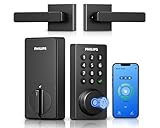
Let’s cut to the chase: how do these electronic door locks, or smart locks as they’re often called, actually ditch the key? It’s not magic; it’s just a different way of thinking about entry. Most of them replace your existing deadbolt entirely. Instead of a mechanical cylinder that a key turns, you’ve got a motor and some electronics that do the work. You usually have multiple ways to get in. The most common is a keypad where you punch in a PIN code. Think of it like a digital key that you memorize.
Then there’s the smartphone app. This is where the ‘smart’ really comes in. You download an app, pair it with your lock (usually via Bluetooth or Wi-Fi), and then you can lock or open your door right from your phone. Some of them use your phone’s proximity; as you walk up, the door senses your phone and opens automatically. It sounds fancy, and honestly, it feels pretty futuristic the first few times. I’ve had a few that used fingerprint scanners too, which is another layer of tech. The mechanism inside is basically a small motor that engages or disengages the deadbolt bolt itself, mimicking what your hand does with a key, but triggered electronically.
The real beauty, for me, is the ability to grant temporary access. Need to let a dog walker in while you’re at work?
You can create a temporary code for them that only works during specific hours. Forget to lock up after the kids leave for school? You can check your app and lock it remotely.
This level of control was unthinkable with a traditional lock. When I first started testing these, my biggest concern was battery life. I’ve had models that ate batteries like a starving teenager, needing replacements every two months.
Others have lasted a solid year or even longer. It really depends on the model and how often it’s used. Wi-Fi connected ones tend to drain batteries a bit faster than Bluetooth-only models because they’re constantly communicating with your network.
What to Actually Look for (and What to Ignore)
Alright, so you’re thinking about making the jump. What should you actually be looking for when you’re staring down a wall of these things online or in a store? Forget the fancy finishes and the apps that promise the moon.
Focus on a few key things. First, reliability. Does it have a good track record? Read reviews, and I mean really read them – not just the five-star ones.
Look for recurring complaints about connectivity issues, battery drain, or the motor failing. I once bought a lock that looked amazing, all brushed nickel and sleek lines, but the app was buggy as hell and the connection dropped constantly. (See Also: Are Sesame Seeds Kosher For Passoveris Pollock Kosher )
It was a $250 paperweight for a while until I figured out how to reset it, which was an adventure in itself.
Connectivity is another big one. Do you want it to connect via Wi-Fi, Bluetooth, or both? Wi-Fi means you can control it from anywhere with an internet connection. Bluetooth is cheaper, usually uses less battery, but you need to be within range, typically around 30 feet. Some use Z-Wave or Zigbee, which are low-power wireless protocols that work well in smart home ecosystems but might require a separate hub. For most people, a solid Bluetooth connection with an option for Wi-Fi is the sweet spot. HomeKit or Google Home compatibility is also a plus if you’re already invested in those ecosystems; it lets you control your locks with voice commands, which is surprisingly handy.
Battery backup is a must. Most locks have a low battery warning, but what happens if you miss it? Many have a hidden port (usually USB) where you can temporarily power the lock with a nine-volt battery to get yourself in. This is a lifesaver. Also, consider the physical installation. Some are dead-simple replacements for your existing deadbolt. Others involve more complex wiring or additional components. If you’re not handy, look for something that’s designed for easy DIY installation. I found one that took me about 15 minutes, and that was with reading the instructions carefully. Another one had me wrestling with wires for an hour, feeling like I was performing open-heart surgery on my front door.
Here’s a contrarian take for you: don’t get too hung up on the ‘smart home integration’ features if that’s not your thing. If you just want a keypad and a reliable app to lock/open from your phone, you don’t need the fanciest model that talks to your toaster. Focus on the core function: secure, reliable entry. The flashing lights and voice control are nice, but they’re secondary to the lock actually working when you need it.
| Feature | My Verdict | Why? |
|---|---|---|
| Keypad Entry | Key | Backup to app, easy for guests |
| Smartphone App (reliable) | Key | Remote control, temporary access |
| Battery Backup (9V port) | Key | Peace of mind for dead batteries |
| Z-Wave/Zigbee | Optional | Only if you have a dedicated hub |
| Fingerprint Scanner | Optional | Nice to have, but not a deal-breaker |
| Fancy Finishes | Ignore | Purely cosmetic, doesn’t affect function |
Common Mistakes People Make with Smart Locks
I’ve seen people botch this setup more times than I care to admit, and often it comes down to a few predictable mistakes. The biggest one? Over-reliance on Wi-Fi without a solid backup plan. If your Wi-Fi goes down, or your internet provider has an outage, and your lock is Wi-Fi only, you could be locked out or stuck inside. It’s a rare occurrence for most, but it does happen. That’s why I always push for at least a reliable Bluetooth connection as a primary or secondary method. It’s not as convenient as remote access, but it’s way more reliable when the internet is acting up.
Another common misstep is not understanding battery life expectations and the importance of proactive battery replacement. People wait until the lock is completely dead or the warning light is blinking frantically. Then, when they can’t get in, they panic. Most smart locks give you a decent heads-up, but you need to pay attention and have spare batteries on hand.
I keep a pack of the correct batteries in a drawer right next to my door. It’s a small thing, but it prevents a massive headache. I remember a friend who had a smart lock fail on him in the middle of a blizzard because he ignored the low battery warnings for weeks.
He had to wait for the ice to melt just enough to get a locksmith to drill it open.
Then there’s the installation issue. People buy a complicated smart lock, assume it’s as easy as swapping out a deadbolt, and end up with a door that won’t close properly or a lock that’s physically jammed. Take the time to read the installation manual before you buy, or at least watch installation videos for the specific model. Some are much more complex than others, requiring precise alignment of parts. If you’re not comfortable with basic tools or following instructions, it’s often worth the extra $100-$200 to have a professional install it. I once spent three hours trying to install a high-end lock, only to discover I’d misaligned one tiny screw, which prevented the bolt from retracting fully. It was maddening.
Finally, people sometimes get seduced by the cheapest options. The $50 smart lock might seem like a steal, but often these are the ones with the worst build quality, the most unreliable software, and the poorest security. You’re trusting your home’s security to this device, so skimping here can be a really bad idea. Investing in a reputable brand with a solid track record, even if it costs a bit more, is usually the smarter move in the long run. The cheap ones tend to be the ones that fail first, leaving you stranded. (See Also: Are Sliding Door Locks Common )
What About the Actual Security of Smart Locks?
This is a legitimate concern. While a traditional deadbolt can be picked or kicked in, smart locks can theoretically be hacked. However, reputable brands invest heavily in encryption and security protocols to make unauthorized access extremely difficult. Most brute-force attacks you see in movies aren’t realistic for home smart locks. The most common vulnerabilities are often related to weak Wi-Fi passwords on your home network or using the same simple PIN for everything. If your home Wi-Fi is secure and you use strong, unique PINs, you’re generally in a good position. Many users opt for a smart lock that still retains a physical key override as a backup, providing an extra layer of security against digital threats.
My Real-World Experience: The Good, the Bad, and the Ugly
I’ve had smart locks on my front door, my garage entry door, and even my shed for about six years now. Let’s just say I’ve learned a thing or two. The convenience factor is, without a doubt, the biggest win. Walking up to my door with arms full of groceries and just tapping a code, or having it open as I approach with my phone in my pocket, feels like living in the future. No more digging through my purse for keys when I’m juggling a screaming toddler and a bag of ice. That alone is worth a lot to me.
The ability to grant temporary access has been a lifesaver. When my elderly parents visit, I can give them a specific code that works only during the day. When a repair person needs access, I can create a one-time code for them. It’s so much more secure than leaving a hidden key under the mat. I once had a pet sitter who kept forgetting to lock the door when she left. With my smart lock, I got a notification that the door was opened, and I could remotely lock it from my phone while I was 50 miles away. That peace of mind is huge.
However, it’s not all sunshine and remote locking. I’ve had my fair share of frustrations.
The first smart lock I bought, a popular brand, had an app that was so clunky and slow, it would often time out before I could open the door. It felt like a race against my own technology. Battery life has been inconsistent across different models.
One brand I tried would require new batteries every two months, regardless of advertised life. It was a constant chore. I’ve also experienced instances where the lock just… stopped responding. The app would say it was connected, but the lock wouldn’t acknowledge the code.
A hard reset, which often involved fiddling with tiny screws and batteries, was usually the fix, but it’s not something you want to be doing at 10 PM when you’re trying to get inside.
The biggest scare I had was during a power outage combined with a spotty internet connection. My Wi-Fi went down, and since my lock primarily relied on Wi-Fi for remote access and status updates, it became unresponsive through the app. Thankfully, it had a physical key override, but I hadn’t tested that in ages. It took me a few frantic minutes to find the hidden keyhole and get the old-fashioned key working. It was a stark reminder that while technology is great, having a reliable physical backup is absolutely a must. I also learned that keeping the physical keys for my smart locks in a convenient, accessible place is just as important as keeping the spare tire in my car.
Are Electronic Door Locks Worth It? A Practical Breakdown
So, after all these years of wrestling with PINs, apps, and the occasional digital hiccup, are electronic door locks worth it? For me, the answer is a resounding yes, but with caveats. The sheer convenience of not needing a physical key can’t be overstated. It’s the ability to grant access remotely, to see who has entered and when, and to lock up with a tap of my phone that makes them invaluable. This is especially true for busy households, people with frequent guests, or those who own rental properties. The ability to create temporary or scheduled access codes means you’re not constantly handing out spare keys that can be lost or copied.
However, the ‘worth it’ factor heavily depends on your tolerance for technology and your willingness to do a little homework. If you’re someone who struggles with app interfaces, gets frustrated by occasional glitches, or wants a set-it-and-forget-it solution, a smart lock might be more of a headache than it’s worth. (See Also: Are The Rams Locked Into The 6th Seed )
You absolutely must prioritize reliability and security. This means choosing reputable brands, understanding the connectivity options, and making sure you have solid battery backup solutions.
I’ve found that spending a bit more on a well-established brand with a proven track record of software updates and customer support is a wise investment. A $100 lock that works flawlessly and lasts for years is a much better deal than a $50 lock that’s a constant source of stress.
The physical security of smart locks has improved dramatically. While they aren’t entirely immune to sophisticated attacks, for the average homeowner, the risk is minimal, especially when compared to the convenience they offer. The real vulnerabilities often lie in the user’s own home network security or the use of weak, easily guessable PINs.
Think of it like this: you wouldn’t leave your physical key under a rock, so don’t use ‘1234’ as your smart lock code. Regularly updating your home Wi-Fi password and using unique, complex PINs for your lock are just as important as the lock’s internal security features. So, yes, they can be worth it, but only if you approach it with informed expectations and a commitment to basic security hygiene.
Frequently Asked Questions About Smart Locks
Do Smart Locks Require Wi-Fi?
Not all of them. Many smart locks primarily use Bluetooth to connect to your smartphone, which is within a certain range of the lock. Wi-Fi connectivity is often an optional add-on or a feature that allows for remote access when you’re away from home. Some locks require a separate Wi-Fi bridge or hub to connect to your home network, while others connect directly. It’s important to check the specific model’s connectivity requirements based on how you plan to use it.
Can Smart Locks Be Picked Like Regular Locks?
Smart locks are designed with different security mechanisms than traditional locks. Instead of a physical pin tumbler system that can be picked, they use electronic components and motors. While they can be vulnerable to digital hacking or physical tampering (like drilling), they are generally not susceptible to traditional lock-picking techniques. Reputable brands employ encryption and security protocols to safeguard against digital intrusion.
What Happens If the Battery Dies on a Smart Lock?
Most smart locks have a low battery indicator that gives you plenty of warning before the battery completely dies. If the battery does run out, many models have a physical key override, meaning you can still use a traditional key to open the door. Some also have a small port (often USB) where you can temporarily connect a 9-volt battery to power the lock enough to open it with your code or app.
Are Smart Locks More Secure Than Traditional Deadbolts?
This is a nuanced question. Traditional deadbolts can be physically forced open or picked by skilled individuals. Smart locks offer different security features like encryption, audit trails (logs of who entered and when), and remote locking/opening. However, they can be vulnerable to digital hacking or power failures if not properly secured or maintained. For most users, a well-maintained, reputable smart lock offers a comparable or even enhanced level of security due to its additional features and the ability to monitor access.
Final Thoughts
So, to wrap it up, if you’re tired of fumbling for keys and appreciate the convenience of digital access, then yes, electronic door locks are likely worth it for you. The ability to control who comes and goes from your home, even when you’re not there, is a big deal. However, don’t just grab the first shiny gadget you see. Do your homework, prioritize reliability, and make sure you have a solid backup plan for when technology inevitably throws a curveball.
For me, the peace of mind and the sheer ease of entry outweigh the occasional technical hiccup. It’s about making your home feel a little more modern and a lot more accessible. I’ve learned to keep spare batteries handy and to respect the physical key override. Ultimately, the question of ‘are electronic door locks worth it’ comes down to your personal needs and your comfort level with technology. If you’re willing to invest a little time and money into the right product and maintain basic security practices, you’ll probably wonder how you ever lived without one.