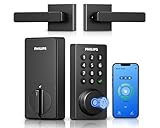
I swear, the last time I helped my folks replace their front door lock, I nearly lost my mind. You’d think something as basic as a door lock would be plug-and-play, right? Wrong. We spent an embarrassing amount of time staring at boxes, comparing measurements, and wondering if we needed a degree in engineering just to get a new deadbolt installed. So, let’s cut to the chase: are front door locks standard size? It’s not a simple yes or no, and that’s exactly why I’m telling you what I’ve learned the hard way.
This isn’t about fancy smart locks or antique curiosities; this is about the bread-and-butter locks you see on most houses. Understanding the ‘standard’ is more about understanding the common variations and what actually matters when you’re buying a replacement or a whole new setup.
The Illusion of “standard” Door Lock Sizes
Let’s get one thing straight from the jump: if you’re picturing one single, universal size for every single front door lock out there, you’re dreaming. It’s not like a standard AA battery. However, there’s a reason why most locks seem interchangeable, and it boils down to a few key measurements that have become industry norms. Think of it less as a strict standard and more as a widely adopted set of dimensions that make life easier for manufacturers and homeowners alike. The vast majority of residential doors are prepared for locks that fit within a specific range for two main measurements: the backset and the door bore diameter.
The backset is probably the most important one you’ve never heard of. It’s the distance from the edge of the door to the center of the large hole (the bore hole) where the lock mechanism goes. For residential doors, the most common backset is 2 3/8 inches (60mm).
This is the one you’ll find on about 80-90% of pre-drilled doors. However, 2 3/4 inches (70mm) is also very common, especially on older doors or those with a slightly thicker profile where more space is needed for the latch mechanism. If your current lock has a backset of 2 3/8 inches, and you buy a new lock with a 2 3/4 inch backset, it simply won’t line up correctly.
The latch won’t extend into the strike plate on the door frame properly, or worse, the whole mechanism won’t fit flush against the door’s edge.
Then there’s the door bore diameter. This is the diameter of the hole drilled through the face of the door for the lock’s main body. Again, there’s a dominant size: 2 1/8 inches (54mm). Most modern doors are drilled to accommodate this. If your door has a different size bore, you’ll either need to drill a new hole (which can be tricky to get perfectly centered and smooth) or find a lock that specifically fits your existing bore. I’ve seen people try to shim their way out of this, and it never ends well. It looks janky, and the lock never feels secure.
So, while there isn’t a single ‘standard’ size, the prevalence of 2 3/8″ and 2 3/4″ backsets, coupled with the 2 1/8″ bore diameter, means that most replacement locks will fit without major modifications. The trouble starts when your door deviates from these common dimensions, which is precisely when the illusion of standardization shatters.
Measuring What Actually Matters: Backset & Bore
Alright, let’s get down to brass tacks. When you’re staring at a wall of lock options in the hardware store, or scrolling through endless product pages online, and you’re asking yourself if are front door locks standard size, you need to know what measurements to look for. Forget the overall aesthetics for a second; we’re talking about the guts of the lock that need to interface with your door.
The two important measurements are, as I mentioned, the backset and the bore hole diameter. Let’s break down how to get these right. First, the backset. You’ll need a tape measure.
Open your door, or at least the part where the lock is. Find the edge of the door where the latch comes out. Now, measure from that very edge straight across to the center of the large hole that the main lock cylinder goes into. That’s your backset.
If it measures 2 3/8 inches, you’re in the most common territory. If it’s 2 3/4 inches, you’re also in good shape. If it’s something else entirely, like 3 inches or even 1 1/2 inches, you’ll need to specifically look for locks that accommodate that less common size, or you might be looking at drilling a new hole.
Next, the bore hole. This is the big hole that goes all the way through the door. You can measure its diameter directly. For most standard deadbolts and knob/lever locks, this hole is 2 1/8 inches in diameter. If you have an older home, or a door that’s been heavily customized, this measurement could be slightly different. Some simpler passage or privacy knobs might use a smaller, 1 1/2 inch hole for their spindle, but for the main lock cylinder of a deadbolt or a keyed entry knob, 2 1/8 inches is the overwhelming norm. (See Also: Are Bronze Colored Door Locks Solid Bronze )
The third measurement, often overlooked but important for the deadbolt specifically, is the diameter of the smaller hole drilled into the edge of the door for the deadbolt’s latch. This is usually 1 inch. Most deadbolt latches are designed to fit this 1-inch hole. If yours is significantly different, you might run into issues with the deadbolt assembly fitting flush.
My personal horror story involved a patio sliding door that had a completely different lock mechanism. I bought a beautiful, heavy-duty deadbolt thinking it was a standard upgrade, only to find the door itself wasn’t drilled for a typical deadbolt at all. It required a specialized, much slimmer bolt that was barely functional. I ended up having to get a locksmith to re-drill and reinforce the door, costing me double what the lock itself was worth. Lesson learned: measure first, buy second. Always.
Common Lock Types and Their Dimensions
When we talk about ‘front door locks,’ we’re usually referring to a few distinct types, and while their external appearances vary wildly, their internal mounting requirements often align with those common dimensions we just discussed. Understanding these types can help you pinpoint what you’re looking for and, importantly, what size to expect.
First up, the deadbolt. This is your primary security lock, the one that engages deeply into the door frame. A standard deadbolt has a cylindrical housing that fits into the 2 1/8 inch bore hole. The latch mechanism itself extends from the edge of the door (which, remember, is usually 2 3/8″ or 2 3/4″ from the edge) and slides into the strike plate. The key takeaway here is that if your door has the standard 2 1/8″ bore and a common backset, a new deadbolt should be a direct swap. Some high-security deadbolts might have slightly different escutcheon plates (the decorative plate that sits against the door), but the core mounting dimensions are typically consistent.
Then you have keyed entry knobs or levers. These are the locks you use to get into your house every day, often paired with a deadbolt above or below. These also fit into the 2 1/8″ bore hole. The latch mechanism on these also uses the standard backset. The main difference from a deadbolt is that the entire assembly (knob/lever and cylinder) is one unit, whereas a deadbolt is typically a separate cylinder and bolt mechanism.
Passage knobs and privacy knobs are usually for interior doors, but sometimes people use a keyed knob on a secondary exterior door like a basement entry. They also use the 2 1/8″ bore, but their latch mechanisms can sometimes use a smaller hole on the edge of the door and may have a different spindle size. It’s less common to see these on main entry doors because they generally offer less security than a dedicated deadbolt or keyed entry knob.
Smart locks are where things can get a bit more complex, but most reputable smart lock manufacturers design their products to retrofit onto doors with existing standard bore holes and backsets. This is a smart move on their part; they know if their fancy new tech doesn’t fit on 90% of doors without modification, they’re cutting out a massive chunk of the market. So, if you’re upgrading to a smart lock, chances are it’s designed to fit the same holes your old lock used, provided your old lock was installed on a standard door.
Here’s a quick rundown:
| Lock Type | Primary Bore Diameter | Common Backsets | Opinion/Verdict |
|---|---|---|---|
| Deadbolt | 2 1/8″ (54mm) | 2 3/8″ (60mm) or 2 3/4″ (70mm) | Most common and interchangeable if your door is prepped standard. Measure your backset carefully! |
| Keyed Entry Knob/Lever | 2 1/8″ (54mm) | 2 3/8″ (60mm) or 2 3/4″ (70mm) | Generally fits standard prep. Look for matching trim styles. |
| Passage/Privacy Knob | 2 1/8″ (54mm) (main bore) | 2 3/8″ (60mm) or 2 3/4″ (70mm) | Usually for interior, but can be used on secondary exterior doors. Security is lower. |
| Smart Lock (Residential) | 2 1/8″ (54mm) | 2 3/8″ (60mm) or 2 3/4″ (70mm) | Designed to fit standard door preps. Check specs, but most are backward compatible. |
When Standard Goes Out the Window: Older Homes & Special Doors
Now, let’s talk about the exceptions, because there are always exceptions, aren’t there? My cousin lives in a beautiful Victorian house, and let me tell you, fitting modern hardware onto those original, thick wooden doors was a saga. This is where the idea that are front door locks standard size starts to crumble.
Older homes are the biggest culprits. When doors were built 50, 80, or even 100+ years ago, the ‘standards’ we know today either didn’t exist or were different. You might find doors with much thicker stiles (the vertical parts of the door frame), requiring longer bolts or different mounting hardware. The bore holes might be non-standard sizes, or in slightly different positions. I’ve encountered doors where the backset was a bizarre 3 inches, or where the bore hole was closer to 2 1/4 inches. Trying to force a standard lock into these prepped holes is a recipe for disaster. The lock won’t sit flush, it’ll feel loose, and it compromises security.
Another area where you can find non-standard dimensions is with specialized doors. Think about metal security doors, storm doors, or even some very high-end custom-made wooden doors. These might have unique mounting systems or require specific hardware designed to integrate with their frame. For example, a solid metal security door might have a completely different locking mechanism built into it, not designed to accommodate a standard residential deadbolt or knob at all. You can’t just drill a 2 1/8″ hole into a steel door and expect a typical lock to work.
What do you do in these situations? Firstly, measure meticulously. Don’t assume anything. Take pictures of your existing lock mechanism and the door prep. Secondly, look for manufacturers that offer ‘specialty’ or ‘custom’ lock options. Some brands cater to older homes or specific door types. You might be looking at less common brands, or you might need to contact a locksmith or a specialized hardware supplier. Sometimes, the best solution is to have a professional modify the door itself to accept standard hardware, but that adds cost and complexity. (See Also: Are Door Locks Covered By Strata )
I once had to replace a lock on a solid oak garden gate that was surprisingly thick. The existing lock had a massive backset. I ended up sourcing a heavy-duty industrial-style lock that, while clunky, fit the dimensions and provided the necessary security. It looked out of place, but it worked. It taught me that ‘standard’ is a privilege of modern, mass-produced doors.
Installation Headaches and How to Avoid Them
Alright, you’ve measured, you think you’ve found a lock that should fit. Now comes the part where many people stumble: installation. Even with the right measurements, a bad installation can make a perfectly good lock feel cheap and insecure. And trust me, I’ve had my fair share of installation headaches that cost me time and a fair bit of swearing.
One of the most common mistakes is not paying attention to the door handing. While most deadbolts and knobs are reversible, some lever handles are specifically designed for left-hand or right-hand doors. Installing the wrong handed lever will make it operate backwards and look awkward. It’s an easy fix – usually just a matter of flipping a part – but it’s often overlooked in the rush to get the new lock on.
Another pitfall is the strike plate. This is the metal plate on the door frame that the latch or bolt extends into.
If the strike plate isn’t aligned perfectly with the latch or bolt, the door will be hard to close, or the lock won’t engage properly. This is especially common with deadbolts. My first attempt at installing a deadbolt on my own shed door resulted in a bolt that stuck out halfway. Turns out, the strike plate hole on the frame was slightly too high.
I ended up having to chisel out a bit more wood on the frame to get it to line up. A little bit of filing or chiseling on the strike plate mortise (the cutout in the door frame) is often necessary for a perfect fit, and many people skip this step, leading to a stiff lock.
If you’re replacing an existing lock, make sure you remove the old one completely. Sometimes, remnants of the old mechanism or hardware can interfere with the new one. Don’t try to force a new lock into a space that’s still partially occupied by old parts. Clean out the bore holes and edge mortises thoroughly.
And for the love of all that is holy, read the instructions! I know, I know, it’s tempting to just wing it, especially if you’ve installed locks before. But manufacturers often have specific sequences for inserting parts, tightening screws, or setting up security features. I once spent an hour trying to figure out why a new deadbolt wouldn’t retract properly, only to find I’d installed the interior thumb turn upside down. A quick flip through the manual solved it in 30 seconds.
The common advice is to have a professional locksmith do it if you’re unsure. While that’s often true, especially for high-security locks or if you’ve got those non-standard doors, many basic lock installations are quite manageable if you take your time and measure carefully. It’s not rocket science, but it does require a bit of patience and attention to detail. My rule of thumb now: if it feels like I’m forcing it, I stop and re-evaluate.
Smart Locks: Are They Standard?
Smart locks are the shiny new toys in the home security world, and one of the biggest questions people have is whether they follow the same ‘standard’ rules as their mechanical ancestors. The good news? Mostly, yes. The manufacturers of smart locks know that if they want to sell millions of them, they can’t expect every homeowner to be a carpenter or an electrician. Therefore, the vast majority of residential smart locks are designed to fit the standard door preparations we’ve been discussing.
This means if your current deadbolt or keyed entry knob fits a standard 2 1/8 inch bore hole with a 2 3/8 inch or 2 3/4 inch backset, a smart lock should, in theory, fit right into those same holes. They typically come with adjustable backsets or mounting plates that accommodate the common variations. The internal mechanism of a smart lock is electronic, but the parts that physically interface with the door and frame – the bolt, the cylinder, the mounting screws – are usually designed to align with existing preps.
However, there are a few caveats. Firstly, make sure you check the specific dimensions listed by the manufacturer. While most are designed for standards, some high-end or niche smart locks might have slightly different requirements. Always look at the product specifications for the bore hole diameter and backset range. Some smart locks are also designed to replace only a deadbolt, meaning they won’t integrate with your existing knob or lever, so you might end up with two separate locking mechanisms. Others are full replacements for both the deadbolt and the keyed entry knob. (See Also: Are Baldwin Door Locks Compatible )
Secondly, consider the thickness of your door. While most doors are within a standard thickness range (usually 1 3/8″ to 1 3/4″), very old doors or custom doors can be thicker. Some smart locks come with longer mounting bolts or extensions to accommodate thicker doors, but it’s key to verify this. If your door is significantly thicker than what the smart lock is designed for, you might need to look for a specific extended-fit model or skip the smart lock altogether.
The installation of a smart lock can also be a bit more involved than a basic mechanical lock, as it involves battery packs, sometimes wiring, and pairing with your smartphone or home network. While the physical fit is usually standard, the electronic setup is a different beast. I found that while the physical installation of my smart lock was straightforward, getting it to connect reliably to my Wi-Fi took a few tries and some creative router placement. It wasn’t a hardware sizing issue, but a connectivity one.
So, to answer the question directly: yes, most smart locks are designed to fit standard door preps, making the transition from a mechanical lock relatively smooth from a sizing perspective. But always, always double-check the specs before you buy.
Faq: Front Door Lock Sizing Simplified
What Are the Most Common Front Door Lock Sizes?
The most common dimensions for front door locks revolve around the backset and the bore hole diameter. The backset, the distance from the door edge to the center of the large hole, is most frequently 2 3/8 inches (60mm) or 2 3/4 inches (70mm). The bore hole diameter, the large hole drilled through the face of the door for the lock body, is almost universally 2 1/8 inches (54mm) for deadbolts and keyed entry knobs.
Do I Need to Measure My Door Before Buying a New Lock?
Absolutely. While many doors are prepped to standard dimensions, older homes or custom doors can vary significantly. Measuring the backset (edge to center of bore hole) and the bore hole diameter (through the face of the door) is the only way to guarantee your new lock will fit without modifications, saving you time, frustration, and potential extra costs.
Can I Install a New Lock If My Door Has Non-Standard Measurements?
It’s more challenging, but often possible. You can look for locks specifically designed for non-standard sizes, which are less common. Alternatively, a skilled handyman or locksmith can often modify your door by drilling new holes or enlarging existing ones to accommodate standard hardware. This should be done carefully to maintain the door’s structural integrity and security.
Will a Standard Deadbolt Fit If I’m Replacing an Old One?
In most cases, yes, provided your door has been prepped for standard deadbolts. Measure the backset and bore hole diameter of your current deadbolt installation. If they match the common 2 3/8″ or 2 3/4″ backset and 2 1/8″ bore hole, a new standard deadbolt should fit. Always verify the specifications of the new lock against your measurements.
Are Smart Locks the Same Size as Regular Locks?
Most residential smart locks are designed to fit the same standard door preparations as traditional mechanical locks. They typically accommodate the common 2 1/8″ bore hole and 2 3/8″ or 2 3/4″ backsets. However, it’s important to check the manufacturer’s specifications to make sure compatibility with your specific door’s dimensions, especially for door thickness or any unusual pre-existing holes.
Conclusion
So, the long and short of it is this: while there’s no single, rigid standard for every front door lock on the planet, the industry has settled on a few very common dimensions. Most homes will have doors prepped for locks with a 2 3/8″ or 2 3/4″ backset and a 2 1/8″ bore hole. This makes buying replacements surprisingly straightforward most of the time.
But don’t get complacent. That one time you don’t measure is the time you’ll end up with a lock that looks great but doesn’t fit, or worse, compromises your security. Always grab that tape measure and check your door. It takes two minutes and saves you hours of grief.
When you’re looking at new hardware, whether it’s a basic deadbolt or a fancy smart lock, check the specs carefully. If your door deviates from the norm, be prepared to do a little extra digging or call in a pro. Understanding these basic measurements is the first, and most important, step in getting your front door security right. Are front door locks standard size? Mostly, but that ‘mostly’ is worth paying attention to.