I remember the first time I really worried about the security of our RV. We were parked at a slightly sketchy rest stop late at night, and every creak of the wind sounded like someone trying the handle. It brought the whole question crashing down: are RV door locks secure enough to keep your home on wheels truly safe?
For years, I’ve been wrestling with this. I’ve bought into the hype, I’ve had doors jiggle open unexpectedly, and I’ve learned a few hard lessons about what actually works and what’s just… well, flimsy.
This isn’t about selling you some miracle lock. It’s about sharing what I’ve figured out after years of living, traveling, and yes, worrying, in my RV. Let’s get real about your RV’s first line of defense.
The Standard RV Door Lock: What You Get, What It Isn’t
When you buy a new RV, or even a used one, it comes with a door lock. Usually, it’s a combined handle and deadbolt setup, often made by brands like Lippert or Trimark. On the surface, they look like any other door lock. You’ve got your main door handle for entry, and then a separate deadbolt – a little knob you twist or a small lever you flip. Simple enough, right?
The reality, though, is that these factory-installed locks are often not designed with serious security in mind. Think about it: RVs are built to be lightweight and cost-effective. Every component is chosen with those priorities first. That typically means the locks are made from thinner metals, have simpler internal mechanisms, and are designed more for convenience and keeping the door shut against vibration than for preventing determined entry. I’ve had the main handle on mine feel loose after just a year of use, and the deadbolt, while better, still feels pretty basic. It’s like putting a padlock on a flimsy shed door; it’s a deterrent for the casual opportunist, but not for someone who really wants in.
One of the biggest issues is the material. A lot of these locks use pot metal or similar alloys that can be brittle or easily pried. If someone really wanted to force entry, a good kick or a pry bar could likely do the job on many standard RV door lock assemblies. The strike plates, the metal pieces screwed into the RV frame where the bolt goes, are often just as flimsy, screwed into thin wood or fiberglass, offering minimal resistance.
I remember on our first older RV, the strike plate on the main door basically ripped out of the frame with a hard shove from the inside when I accidentally locked myself out. That’s not a sign of a secure lock.
Another angle people often miss is the key system. Many RV door locks use very basic keyways. They’re not high-security locks. This means they can be more easily picked or bypassed with simple tools. You might have the same key for your main door and your baggage compartments, which is convenient, sure, but it also means if someone gets a copy of that key, they have access to more than just your living space. It’s a trade-off for convenience that, in my opinion, heavily favors convenience over actual security. For anyone who spends significant time in their RV, or stores it away from their home, relying solely on these factory locks feels like leaving your valuables in a cardboard box.
The common advice you’ll hear is that RVs are not high-value targets for theft, and to some extent, that’s true. A smash-and-grab is less likely than someone trying to be stealthy. But the point isn’t whether your RV is a prime target; it’s about making it as difficult as possible for anyone who decides to try. These standard locks make it easy. Too easy.
Upgrading Your RV Door Lock: What to Actually Look For
So, if the stock locks aren’t cutting it, what should you be looking for? This is where things get interesting, and a little frustrating. There’s no single ‘perfect’ solution, but there are definitely ways to significantly improve your RV’s security. The key is to think about what makes a lock secure in the first place: material strength, mechanism complexity, and how it’s anchored to the RV frame.
First off, material matters. You want locks made from solid metal, like stainless steel or heavy-duty aluminum. Avoid anything that feels light or sounds hollow. The internal components should be solid. For deadbolts, look for thicker bolts and a longer throw (how far the bolt extends). A longer bolt engages more deeply with the frame, making it much harder to pry open. Some of the aftermarket deadbolts offer a bolt that’s almost an inch long, and that’s a significant improvement over the half-inch bolts you often find on factory locks.
When it comes to the mechanism, think about what’s inside. Standard pin-tumbler locks are common, but you can look for ones with enhanced security features. Some higher-end RV locks offer pick-resistant features or even use different keying systems that are harder to duplicate. Another option, and one I’ve been eyeing, is a keyless entry system. These often have a keypad and can be programmed with unique codes. While they don’t have a physical key that can be copied, you still need to make sure the electronic mechanism itself is solid and not easily bypassed. I’ve seen some that have a physical key backup, which is a good compromise.
Beyond the lock assembly itself, how it’s attached is just as important. The weakest link is often the installation. The screws holding the lock and strike plate need to be long and strong, ideally screwing into solid framing members, not just thin paneling. This is why many people opt for reinforced strike plates or even full door frame reinforcement kits. (See Also: Are There Different Size Holes For Installing Door Locks )
These kits often involve larger, stronger metal plates that span a wider area of the RV frame, distributing the force of any attempted break-in. I’ve seen some that use lag bolts that go deep into the RV’s structure, making it much harder to rip the whole assembly out.
It’s not as flashy as a new lock, but it’s arguably more important.
A really good upgrade path involves a combination of things. For example, replacing the entire door lock assembly with a higher-quality one from a reputable aftermarket supplier (like Trimark’s higher-end models, or certain RV-specific security brands) and then reinforcing the strike plate and frame. I spent about $180 across three different lock assemblies and a reinforcement kit trying to find a balance that felt right. The cheap ones are a waste of money; you need to invest a bit more for a genuine upgrade. Don’t just buy the cheapest ‘RV door lock replacement’ you find online; do a little digging into reviews and material specs.
Here’s a quick rundown of what to consider:
| Feature | What to Look For | My Verdict |
|---|---|---|
| Material | Solid metal (stainless steel, heavy aluminum). Avoid flimsy alloys. | Important. Flimsy metal is the first point of failure. |
| Deadbolt Throw | Longer is better (e.g., 1 inch). Deep engagement with frame. | Very important. Adds significant pry resistance. |
| Key System | Pick-resistant features, unique keyways, or keyless entry. | Good to have. Basic keys are easily copied or bypassed. |
| Strike Plate & Frame | Reinforced plates, long screws into solid framing. | Often overlooked, but important for overall strength. |
| Brand Reputation | Established RV security brands, good reviews. | Helps avoid duds. Stick with known players for reliability. |
When you’re looking at upgrades, remember that convenience can sometimes be the enemy of security. A keyless entry might be slick, but is it as fundamentally secure as a well-made, mechanically sound deadbolt that’s properly anchored? That’s the balance you have to strike.
Common RV Door Lock Mistakes and Why They Happen
I’ve seen people make some pretty dumb mistakes when it comes to RV door locks, and honestly, I’ve made a couple myself. Most of these stem from a misunderstanding of how RVs are constructed or a desire for convenience over actual security. The first big mistake is thinking that any lock is a good lock. As I’ve hammered home, the factory locks are usually just there to keep the door shut and prevent casual snooping. They are not designed for serious security. Relying on them alone is a mistake many new RV owners make, and it’s often born out of ignorance about the differences between a house lock and an RV lock.
Another common error is focusing only on the lock itself and ignoring the frame and strike plate. I’ve seen people install a super heavy-duty deadbolt, but then attach it with short, thin screws into a flimsy door frame. The lock mechanism might be strong, but the entire assembly is only as strong as its weakest point, which in this case, is the frame it’s mounted to. The same goes for the strike plate – a thick metal plate is useless if it’s held in by tiny, short screws that can easily pull out of the thin wall structure of an RV. It’s like putting a bank vault door on a cardboard box; it doesn’t matter how good the door is if the box can be crushed.
Over-reliance on keyless entry systems without considering their limitations is another pitfall. While convenient, some keyless systems can be vulnerable to electronic bypass methods or simply fail due to battery issues or electronic glitches. If your only entry method is a keypad, and the battery dies, or the system malfunctions, you could be locked out of your own home. I know someone who got stuck outside their RV for hours because the keypad failed, and they didn’t have a physical key backup. That’s a pretty bad situation to be in. Always, always have a reliable backup, and make sure it’s just as secure as your primary method.
The ‘everyone else has this’ mentality is also a problem. People see a certain type of lock on other RVs and assume it’s good. But often, they’re just seeing the same basic, builder-grade hardware that’s prone to the same vulnerabilities. There’s also the tendency to prioritize aesthetics over function. A sleek, modern-looking lock might appeal to the eye, but if it’s made of cheap materials or has a flimsy mechanism, it’s a poor security choice. I’ve learned the hard way that what looks good isn’t always what works best. I once bought a fancy-looking lock that installed easily but felt hollow and weak. It lasted about six months before the handle started to seize up. That was a $100 lesson.
Finally, there’s the mistake of not regularly maintaining the locks. RVs vibrate a lot while traveling. Screws can loosen, mechanisms can get gummed up with dust, and weatherproofing can degrade. People install a lock and then forget about it. A quick check of screws, a bit of lubrication, and making sure weather seals are intact can make a big difference in longevity and security. I’ve found loose screws on my RV door lock multiple times over the years, and I make it a point to check them at least twice a year. It’s a small bit of maintenance that can prevent a big headache.
Real-World RV Door Lock Security: What Works on the Road
Living in an RV means you’re basically carrying your house with you. Security isn’t just about preventing theft; it’s about peace of mind. So, what actually works when you’re out there, parked at a busy campground, a remote national forest, or even just a long-haul truck stop?
My current setup, which I’ve pieced together over time, involves a few layers. First, I upgraded the main door lock assembly to a heavy-duty Trimark model that has a longer deadbolt throw and a sturdier feel. (See Also: Are Sesame Seeds Kosher For Passoveris Pollock Kosher )
It wasn’t cheap, costing around $150, but the difference in solidness was immediate. The keyway on this one is also a bit more complex than the generic ones. Then, I tackled the strike plate. I purchased a universal RV door lock reinforcement kit for about $40.
This involved a much larger, thicker steel plate that I screwed into the RV’s frame using longer, self-tapping screws that dug into the underlying structure. It took some elbow grease to get it aligned and securely fastened, but the door now feels much more solid when locked.
Beyond the main door, I’ve also put some thought into secondary security. For windows, especially the ones near the door or in the bedroom, I use simple, inexpensive window security bars or pins. These aren’t foolproof, but they add a noticeable layer of difficulty for anyone trying to jimmy a window. They cost maybe $10-15 each and are easy to install and remove. It’s a small visual deterrent and a physical barrier that makes a difference.
Another thing I’ve adopted is a habit of always using the deadbolt, even if I’m just stepping out for a few minutes. It takes two seconds, and it’s a good habit to get into. Many people get lazy and only use the main handle lock. I’ve also started looking at door chain locks and peepholes.
Most RVs don’t come with a good peephole, and adding a wide-angle one can be surprisingly useful. As for door chains, I’m not a huge fan of the flimsy ones that come standard; they can be broken easily. But a sturdier, heavier-duty chain, properly installed, can offer a bit of extra security if you want to crack the door open a bit without fully opening it.
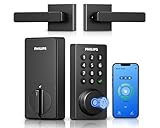
What about those smart locks? I’ve explored them. Brands like RVLock offer keyless entry systems with smartphone integration.
The appeal is undeniable: remote locking/opening, access codes for guests, and activity logs. I’ve seen them installed on friends’ RVs. They feel solid, and the keyless entry is super convenient.
However, they are significantly more expensive, often $300-$500. My hesitation comes from the reliance on electronics and Wi-Fi/Bluetooth.
While they have backup keys, the primary function is digital. If you’re off-grid, or the network is down, are you still secure?
And what about the risk of hacking? It’s a trade-off I haven’t fully committed to yet, but I see the appeal for people who prioritize tech and connectivity. For me, the solid mechanical lock with reinforced frame is still king, augmented by simpler physical deterrents.
The fundamental takeaway from real-world use is that security is multi-layered. No single lock is perfect. It’s about making your RV a less appealing target and a more difficult one to breach. That means addressing the weak points in the standard setup and adding extra layers of protection. I’d rather have a slightly less convenient system that I know is fundamentally more secure than a slick, high-tech one that might have hidden vulnerabilities.
Practical Tips for Boosting RV Door Lock Security
Alright, so we’ve established that factory RV door locks are often a joke and that upgrades are necessary. But before you go dropping a ton of cash, or even after you’ve made some upgrades, there are a few simple, practical things you can do to make your RV more secure. These are the little things that add up, the kind of advice you get from someone who’s actually lived this stuff. (See Also: Are Sliding Door Locks Common )
First, get to know your lock. Understand how it works, what its limitations are. Regularly check that the deadbolt engages smoothly and that the screws holding the lock assembly and strike plate are tight. A loose screw can make even a strong lock vulnerable. I do this every few months, especially after a long trip. It takes maybe five minutes. A small screwdriver and a bit of vigilance are your friends here.
Second, consider adding a secondary locking mechanism. This doesn’t have to be fancy. A simple door jammer or a portable door lock device can be incredibly effective when you’re parked at a hotel or a campsite and want an extra layer of security for the night. These portable locks wedge under the door and make it impossible to open from the outside. They’re cheap, usually under $20, and they add a significant physical barrier. I keep one in my overnight bag. It’s not something you’d use while driving, obviously, but for overnight stays, it’s peace of mind.
Third, be mindful of where you park. This is perhaps the most overlooked aspect of RV security. If you’re parked in a well-lit, high-traffic area, you’re a less attractive target than if you’re tucked away in a dark corner. Get to know the area. If you’re feeling uneasy, move. It sounds obvious, but sometimes, in our eagerness to find a quiet spot, we end up choosing a less safe one. My rule of thumb is simple: if it feels wrong, it probably is. Don’t ignore your gut feeling.
Fourth, don’t advertise your valuables. Keep expensive electronics out of sight when possible. Don’t leave sensitive documents lying around. While this isn’t directly related to the lock itself, it reduces the incentive for someone to break in. If a thief knows they’re unlikely to find anything valuable, they’ll likely move on to an easier target. Think about what a casual passerby can see through your windows.
Fifth, and this is a contrarian take: forget about those super-complex, multi-point locking systems you see on some high-end RVs. While they might seem impressive, they often add complexity that can lead to more failure points and are usually prohibitively expensive for the average owner. Stick to reinforcing the main door and adding simple, reliable secondary measures. Everyone talks about how complicated RVs are getting, but when it comes to locks, sometimes simpler is better and more reliable. A well-installed, solid deadbolt and a reinforced frame are usually all you need for the primary entry.
Finally, if you have multiple entry points on your RV (like storage bays), don’t neglect them. Many RV owners only think about the main door. Make sure your storage compartments have decent locks too. While they might not hold valuables, they can contain tools or equipment that thieves might want. Simple padlocks on external storage doors are better than nothing, but consider replacing them with keyed-alike or integrated lock systems if you’re serious about security.
People Also Ask: Addressing Common RV Lock Concerns
Are RV Door Locks Pickable?
Yes, most standard RV door locks are pickable. The keyways are often simple and designed for convenience rather than high security. While you or I might not have the skill or tools to pick them, a determined individual with some basic knowledge and tools could potentially bypass them. This is why relying solely on the factory lock is not ideal for true security.
Can You Upgrade RV Door Locks?
Absolutely. You can definitely upgrade RV door locks. Many people replace the entire lock assembly with a more solid aftermarket unit, or they reinforce the existing frame and strike plate. There are also keyless entry systems and smart locks available for RVs, offering different levels of convenience and security.
What Is the Best Security for an RV Door?
The best security for an RV door is a multi-layered approach. This typically includes a high-quality, solid aftermarket door lock assembly with a strong deadbolt, combined with reinforcement of the RV’s door frame and strike plate. Additional measures like window security bars or portable door jammers can also significantly enhance overall security.
How Do I Make My RV Door More Secure?
To make your RV door more secure, start by assessing your current lock. Consider upgrading to a sturdier lock with a longer deadbolt. Importantly, reinforce the door frame and strike plate with stronger hardware and longer screws. Using secondary locking devices like portable door jammers when parked overnight, and being mindful of your parking location, are also effective ways to improve security.
Final Verdict
So, are RV door locks secure? The short answer is: the ones that come standard are usually not secure enough for peace of mind. They’re basic barriers, not true security systems. My years of experience have taught me that you absolutely need to invest in upgrades if you care about keeping your belongings and your home on wheels safe.
It’s not about paranoia; it’s about practicality. Think of it like insurance for your RV. You might never need the full coverage, but knowing it’s there provides invaluable peace of mind. I’ve learned that reinforcing the door frame and upgrading to a solid deadbolt is more important than any fancy gadget.
My advice? Don’t wait until something happens. Start looking at your RV door lock today. Assess its weakest points, research some reputable aftermarket options, and consider those simple, practical tips for bolstering your security. Your future self will thank you when you’re sleeping soundly, no matter where you’ve parked.