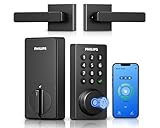
I remember the first smart lock I ever bought. It was a fancy one, cost me a pretty penny, and the setup felt like defusing a bomb. For weeks, it worked okay, then started glitching. I swear, I spent more time fiddling with the app than I ever spent looking for my keys. It got me thinking about the big names, the ones you see everywhere. So, I started digging into questions like, are Samsung door locks discontinued? It’s a valid concern when you’re looking for something reliable.
When a brand as big as Samsung seems to disappear from a product category, people naturally get nervous. Are they gone for good? Was there a problem? Or is it just a quiet shift you need to be aware of before you spend your hard-earned cash?
This isn’t about brand loyalty; it’s about finding something that works without giving you a migraine. Let’s cut through the noise and figure out what’s really going on with Samsung door locks.
Did Samsung Just Ghost the Smart Lock Market?
It’s easy to get whiplash in the tech world. One minute a brand is pushing a product, the next it’s like it vanished into thin air. So, when you search for ‘Samsung door locks’ and don’t see the shiny new models you expected, you start to wonder. Did Samsung just decide smart locks weren’t their jam anymore? I’ve seen this happen with other companies. They’ll put out a few versions, maybe even a decent one, and then suddenly, poof, they’re gone. It usually means one of two things: they either sold the tech to someone else, or they realized the market was just too darn competitive and pulled out.
For a while there, Samsung definitely had a presence. Their door locks were often integrated into their SmartThings ecosystem, which made sense. If you were already neck-deep in Samsung appliances and routines, adding a Samsung lock felt like the logical next step. I had a friend who swore by his Samsung lock because it played nice with his fridge and thermostat. He could, for example, set a ‘going out’ scene that would lock the door, turn off the lights, and adjust the thermostat. Handy, right? But then, over the last couple of years, the availability seemed to dry up. You’d see older models on clearance, but no new shiny replacements popping up.
The truth is, Samsung hasn’t officially announced they’re completely out of the smart lock game globally, but the reality on the ground, especially in many Western markets, is that their presence has significantly diminished. They’ve refocused their efforts, and for smart home security, that means their door lock product line isn’t a priority anymore. It’s not that the technology was bad, necessarily, but the market is saturated. Companies like August, Schlage, Yale, and even Kwikset have poured resources into their smart lock offerings, and Samsung, for whatever reason, seems to have stepped back from direct competition in this specific hardware category in many regions.
When Samsung Door Locks Were a Thing: What to Expect
Back when Samsung was actively pushing its door locks, they weren’t just slapping their name on any old device. They were trying to offer a bit of that signature Samsung integration, especially if you were already invested in their SmartThings platform. These locks often came with a sleek, modern design, which is something Samsung usually nails. You could typically expect features like keyless entry via a keypad, and often a mobile app for remote control and monitoring. Some models even had built-in Wi-Fi, meaning you didn’t necessarily need a separate hub to connect it to your home network, which was a big plus for simpler setups.
I remember one specific Samsung lock I tested, the SHS-P718. It had a really nice, almost futuristic feel to it. The keypad was responsive, and the deadbolt mechanism felt solid. (See Also: Are Sesame Seeds Kosher For Passoveris Pollock Kosher )
You could register multiple user codes, which was great for family members or trusted friends. The app, when it worked, let you see who entered and when, and even grant temporary access codes, which I found surprisingly useful when my in-laws were visiting and I couldn’t be there to let them in. It felt pretty high-tech for its time. My only real gripe was that the Bluetooth range for direct phone control could be a bit finicky if you were too far from the door.
You really had to be standing right there for it to connect reliably.
The integration with SmartThings was the real selling point for many. Imagine this: you’re on your way home, and your SmartThings app can trigger your porch light to turn on as you approach, and then you can open the door with a tap in the same app. Or, you could create routines like, ‘Good Morning,’ which would disarm your security system, open the door, and start your smart coffee maker. This level of interconnectedness is what Samsung excels at, and their door locks were a tangible part of that ecosystem. However, the downside of relying on a specific ecosystem is that if the company shifts its focus, those integrated devices can feel a bit orphaned, even if they still function on their own.
Why You Might Be Seeing Samsung Locks, but Not New Ones
The reason you can still find Samsung door locks for sale, and why you might even see them popping up in ‘best smart lock’ lists from a few years back, is due to a few factors. Firstly, there’s still existing inventory. Retailers might still have stock they’re trying to move. Secondly, and more significantly, Samsung often licenses its technology or brand name. This means you might see locks branded as Samsung, or made using Samsung-developed components, but manufactured and sold by a different company. This is a common strategy for large tech firms that want to maintain a brand presence without the direct investment in ongoing product development and support for a specific hardware line.
Think of it like this: Samsung might have had a core technology for their keypads or their communication protocols. Another company, perhaps one that specializes in locks but wants a more recognizable brand name, could license that technology and build their own hardware around it. This allows Samsung to still benefit from the market without the headache of managing a hardware product that isn’t a strategic priority.
So, when you see a ‘Samsung’ lock today, it’s not necessarily the same Samsung product you would have bought five years ago. It might be a more recent iteration developed by a partner, or simply an older model that’s still floating around the market. This is why it’s so important to check the specific model number and reviews, and not just assume it’s a direct successor to a previous Samsung lock you might have liked.
I ran into this confusion myself when I was looking for a replacement keypad for an older Samsung lock. I found one online that looked identical, but when it arrived, the packaging was from a different manufacturer altogether, and the user manual was a bit vague. (See Also: Are Sliding Door Locks Common )
It worked, but it definitely felt less polished. This is a common practice, and it’s not necessarily a bad thing if the partner company does a good job. However, it does mean you lose that direct line to Samsung’s support and their integrated SmartThings ecosystem in the way it was originally intended. It’s a bit like buying a phone that uses a processor designed by Intel but assembled by a smaller company – the core tech is there, but the overall experience can differ.
What to Look for If You’re Still Interested in Samsung-Branded Locks
If you’ve done your homework and still find yourself drawn to a Samsung-branded door lock, perhaps because you found a fantastic deal on an older model or you’re deeply invested in a SmartThings setup that you don’t want to change, there are a few things you absolutely need to check. First and foremost, verify the exact model number. Samsung had several lines, and their capabilities varied. Look for reviews that specifically mention that model, and try to find out how old those reviews are. A review from 2018 might not reflect the current state of software support or compatibility with newer phone operating systems.
Pay close attention to the connectivity. Does it use Wi-Fi, Bluetooth, or require a Z-Wave/Zigbee hub? If it requires a hub, make sure it’s compatible with your existing SmartThings hub or another system you plan to use. Many of the older Samsung locks relied on Bluetooth for direct phone control and required the SmartThings hub for remote access and Wi-Fi connectivity. If you don’t have a compatible hub, you might be limited to just using the keypad or physical keys. Also, check the battery type and expected battery life. Some smart locks can chew through batteries, and you don’t want to be replacing them every month. For example, some models used AA batteries, while others had rechargeable lithium-ion packs.
Here’s a quick rundown of what I’d personally look for, with a bit of my opinion thrown in. You can find this information online, but it’s good to see it laid out:
| Feature | My Verdict (for older Samsung locks) |
|---|---|
| Keypad Quality | Generally good, responsive. Look for models with a solid feel. |
| App Integration (SmartThings) | Was a strong point, but support might be waning. Check recent app compatibility. |
| Connectivity (Wi-Fi/Bluetooth/Hub) | Important. Make sure it works with your setup. Hub dependency can be a pain. |
| Build Quality | Usually decent, but can vary by model. Metal components are a plus. |
| Battery Life | Varies. Older models might be power-hungry. |
| Overall Value Now | Potentially good if cheap and you know limitations. Not for latest users. |
My honest take? If you’re buying new today, looking for the latest features, and don’t have a deep SmartThings commitment, you’re probably better off looking at brands that are actively innovating in the smart lock space. However, if you’re a Samsung loyalist on a budget, and you understand that you might be getting a product that’s no longer actively developed, it could still be a viable option for basic keyless entry.
Common Pitfalls with Discontinued Smart Locks
The biggest pitfall when buying any smart device that’s been discontinued is support. Or, more accurately, the lack thereof. When Samsung stops actively developing a product line, that means no more firmware updates. Firmware updates aren’t just about new features; they’re often about security patches. If a vulnerability is discovered in the lock’s software, and Samsung isn’t pushing out updates, your lock could be exposed. This is a genuine concern for anything securing your home. Imagine a hacker finding a way to exploit a known flaw in your older Samsung lock. That’s a terrifying thought.
Another issue is app compatibility. As phone operating systems (iOS and Android) get updated, older apps can sometimes stop working correctly, or stop working altogether. If the app controlling your Samsung lock hasn’t been updated in years, you might find yourself unable to connect to it after your next phone update. I had an old smart thermostat that became a useless brick after an iOS update because the manufacturer had long since abandoned the app. It’s a gamble you take with older tech. You might be able to control it via a SmartThings hub if it’s still running, but direct control via your phone could be lost. (See Also: Are The Rams Locked Into The 6th Seed )
Then there’s the issue of physical replacement parts. If a component breaks – say, the internal mechanism for the deadbolt or a sensor – finding a replacement part for a discontinued lock can be a nightmare. You’ll likely be stuck trying to find a used part on eBay or have to replace the entire lock. This is where brands that have a long-standing presence and offer readily available spare parts have a significant advantage. When you buy a Schlage or Yale lock, you know you can probably get a replacement cylinder or trim piece for years to come. With a discontinued Samsung lock, you’re on your own.
Are Samsung Door Locks Discontinued? The Bottom Line
So, to finally answer the question: are Samsung door locks discontinued? In many major markets, yes, their dedicated, actively developed smart lock product line has been discontinued or significantly deprioritized. Samsung has shifted its focus in the smart home hardware space. This doesn’t mean every Samsung-branded lock you see for sale is a fake or a bad product, but it does mean you need to be very cautious. You might be looking at older stock, or products manufactured by third parties under license, with support that could be limited or non-existent.
If you’re a die-hard Samsung SmartThings user and you find a specific older Samsung lock model that fits your needs perfectly, and you understand the risks regarding future support and security updates, it could still be an option. However, for most people seeking a reliable, secure, and future-proof smart lock solution, it’s generally advisable to look at brands that are currently investing heavily in their smart lock offerings and have a clear roadmap for continued development and support. The smart lock market is evolving rapidly, and sticking with active players makes more sense for long-term peace of mind and functionality. It’s better to spend a little more on something current than to save a bit on something that might become obsolete or insecure sooner than you’d like.
Conclusion
The short answer to whether are Samsung door locks discontinued is largely yes, at least in terms of new development and active support in many regions. While you might still find them for sale, the landscape has shifted. Samsung has moved its smart home focus elsewhere, leaving their door lock line in a state of what feels like quiet retirement for most consumers.
If you’re deep in the Samsung SmartThings ecosystem and find a good deal on an older, compatible model, it might work for you, but go in with your eyes wide open. Understand that firmware updates and app support are likely to be minimal, if they exist at all. For most people, especially those prioritizing security and long-term usability, it’s wise to look towards brands that are actively innovating and supporting their smart lock products. The peace of mind is worth the investment in a current, supported device.
Before you click ‘buy’ on any Samsung lock, do a quick search for the specific model number and check recent reviews and forums. See if people are still talking about it positively, or if the common theme is frustration with connectivity or lack of updates. That real-world feedback is often more valuable than any manufacturer’s spec sheet, especially for discontinued items.