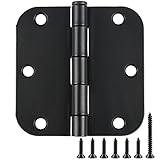
I remember staring at a wobbly cabinet door, the cheap screw-on hinge utterly defeated by time and gravity. My first thought? “Can I just glue this back on?” It’s a question many of us have faced when a tiny piece of hardware fails us. We’ve all been there, staring at a slightly askew shelf or a door that groans in protest, wondering if there’s a quick fix. The truth about whether hinges that be glued is… complicated, and often, not the permanent solution you’re hoping for.
Let’s just cut to the chase: while you can technically glue some hinge components, it’s usually a temporary band-aid, not a structural repair. You’re better off understanding the limitations and what actually works.
Why We Even Ask: Are Hinges That Be Glued?
The simple desire to avoid a trip to the hardware store, or the sheer annoyance of dealing with tiny screws and finicky alignment, drives this question. Who hasn’t felt that pang of “there has to be an easier way” when a hinge starts to sag? I certainly have. My first foray into DIY was a disaster involving a bookshelf that ended up leaning like the Tower of Pisa. The hinges were loose, and my bright idea was a dab of super glue. Spoiler alert: it lasted about as long as a snowball in July. This is why the question of whether are hinges that be glued is so persistent. It speaks to a common wish for a quick, no-fuss fix.
When a hinge pin falls out, or a screw hole gets stripped, our minds immediately jump to adhesives. It seems logical.
Glue holds things together, right? But hinges are subject to constant movement, stress, and sometimes significant weight. They’re designed for mechanical fastening, not chemical bonding in most applications. For lightweight, decorative applications, maybe.
For anything load-bearing or frequently used? You’re likely setting yourself up for disappointment. Think about a cabinet door that gets slammed, or a gate that swings in the wind.
Glue alone just can’t handle that kind of persistent strain over time. It’s the difference between sticking a picture on a wall and expecting a shelf to hold your entire book collection. One is decorative, the other structural.
The real frustration comes when you do try gluing and it fails. You’re back at square one, maybe with a mess of dried glue to clean up, and still have to buy a replacement hinge. This is what makes understanding the limitations so important. It’s not about being lazy; it’s about being efficient and not wasting time and money on a solution that’s doomed from the start. The common advice is often to replace them, and for good reason. But let’s explore when and if this ‘glue fix’ could ever work, or if it’s just a myth.
The Reality Check: When Glue Fails (and Why)
My friend, let me tell you about the great drawer disaster of ’18. I had a set of old wooden drawers, the kind that feel solid and well-made. One of the hinges on a particularly heavy drawer started to loosen.
The screw just wouldn’t bite anymore. My brilliant, time-saving idea? Wood glue.
I slathered it on, clamped it tight, and waited 24 hours. It looked… okay. The next morning, I pulled the drawer open. CRACK.
The hinge ripped right out of the wood, taking a chunk with it. Now, instead of a stripped screw hole, I had a repair job that was ten times harder.
That’s the harsh reality of relying on glue for mechanical components like hinges, especially in wood. (See Also: A Box Without Hinges Key )
The primary reason glue often fails on hinges is shear force and torque. Hinges, by their nature, are designed to pivot. This constant back-and-forth motion, combined with the weight of the door or panel they’re attached to, puts immense stress on the bond.
Most common glues, like super glue (cyanoacrylate) or even standard wood glues, are excellent at holding two surfaces together when pressure is applied perpendicular to the bond (like pressing two pieces of paper together). However, they are far less effective against forces that try to slide or twist them apart.
Think of it like trying to hold a door open with just your fingertips; you can do it for a moment, but any real push will overcome your grip. Hinges experience constant, albeit small, versions of that push and twist.
Furthermore, the surfaces involved matter. If you’re trying to glue metal to metal, or metal to wood, you need specialized adhesives.
A standard PVA wood glue isn’t going to create a strong enough bond with metal. Even with metal-to-metal applications, you’re still facing the shear force issue. The common advice to simply replace a faulty hinge isn’t just about avoiding hassle; it’s often the only way to make sure a lasting, functional repair.
Trying to glue a stripped screw hole back into existence? Forget it.
The screw needs to bite into solid material for security. Glue, even wood filler mixed with glue, rarely provides that kind of dense, reliable anchoring.
It’s a temporary patch at best, and often, a recipe for more damage.
When Is Glue Actually a Viable Option?
Okay, so I’ve bashed glue for hinges pretty hard. But is there any scenario where it’s not a total waste of time? Yes, but you have to be realistic and choose the right type of glue for the job. Think very light-duty, non-structural applications where the hinge isn’t bearing much weight or experiencing much movement. For example, I once had a tiny decorative lid on a jewelry box that had a minuscule, almost ornamental hinge. One side popped off, and the metal was so thin, screws were out of the question. I used a strong, flexible epoxy designed for metal and plastic. It worked perfectly because the lid weighed next to nothing, and the hinge only moved a few degrees.
Another situation where glue might offer a temporary fix is for a loose hinge pin. If the pin itself has come out and the holes in the hinge leaves are slightly worn, a tiny dab of super glue (cyanoacrylate) on the pin before reinserting it can sometimes create enough friction to hold it in place for a while.
This is especially true for smaller, lighter hinges. I did this on an old utility trailer gate hinge that had a loose pin, and it held for about six months before I finally got around to replacing the worn hinge itself. It’s not a permanent fix, but it bought me time. The key here is that the hinge leaves (the parts attached to the door and frame) are still securely screwed in; you’re just shoring up the connection between the two leaves of the hinge.
There’s also the case of cosmetic repairs. Sometimes, a small piece of a decorative hinge might break off. If it’s purely aesthetic and doesn’t affect the hinge’s function, a carefully applied adhesive might make it look whole again. This is where something like a two-part epoxy or a specialized plastic adhesive might come in handy, depending on the material. But let’s be clear: if the hinge is failing to do its job – holding a door up, allowing it to swing smoothly – glue is almost certainly not the answer. You’re looking for mechanical integrity, and glue rarely provides that for the stresses hinges endure. (See Also: Are Integrated Washing Machine Door Hinges Standard )
Stripped Screw Holes: The Real Culprit (and How to Fix Them)
This is where most people’s thoughts about gluing hinges really stem from: the screw hole is stripped. You try to tighten the hinge screw, and it just spins endlessly. It’s infuriating. I’ve spent hours wrestling with this, trying to get a screw to bite into wood that’s basically turned to sawdust. My first instinct, like many, was to just try a slightly bigger screw. Sometimes that works, but often, it just widens the hole further or cracks the wood. The real culprit is usually the wood fibers around the screw hole becoming compressed and weakened, losing their ability to grip the screw threads.
Here’s the contrarian opinion: Forget the glue for the screw hole itself. It’s a weak solution. While you can technically fill a stripped hole with wood glue and sawdust, or even wood filler, and then re-drill, it’s often not strong enough for a hinge. These holes are under constant stress.
What actually works, and what I’ve learned to rely on, are a few tried-and-true methods that restore the integrity of the wood. My go-to for a slightly stripped hole is a wooden golf tee or a wooden matchstick.
You break off the head of the tee or the match, dip it in wood glue, and then tap it into the stripped hole. Once the glue dries, you snip off the excess wood flush with the surface and then drill a new pilot hole for your screw. The wood provides a solid anchor point again.
For more severely stripped holes, or when you need extra strength (like for a heavy cabinet door hinge), I’ve had great success using threaded inserts. These are metal sleeves with external threads that screw into the wood, and internal threads that accept a standard machine screw.
You drill a hole, screw in the insert, and then attach your hinge to the insert. It’s a bit more involved than just gluing, but the result is incredibly strong and reliable. I used these on my garage workbench when a shelf hinge started to sag, and it’s been rock solid ever since.
It’s a small investment in time and a few bucks for an insert, but it saves you from future headaches. Trying to glue a screw into a stripped hole is like trying to bail out a sinking boat with a teacup; it’s just not the right tool for the job.
Here’s a quick comparison of stripped hole fixes:
| Method | Pros | Cons | Verdict |
|---|---|---|---|
| Wood Glue & Sawdust/Filler | Cheap, easy to try | Often not strong enough for hinges, can be messy | Temporary, not recommended for structural hinges |
| Wooden Dowel/Matchstick/Tee | Relatively strong, inexpensive, readily available | Requires drying time, might not be strong enough for very heavy loads | Good for most general-purpose hinge repairs |
| Threaded Inserts | Extremely strong and durable, professional finish | Requires specific drill bit, slightly more expensive | Best solution for heavy-duty or high-stress applications |
Practical Tips for Hinge Repairs (that Actually Work)
When you’re dealing with a failing hinge, the temptation to grab the nearest tube of adhesive is strong. But let’s talk about what really makes hinge repairs stick. First, and this is a must: identify the real problem. Is the hinge itself bent or worn out? Are the screws loose? Is the wood around the screw hole damaged? If the hinge leaf is bent, no amount of glue will straighten it. You need a new hinge. If the screws are loose, try tightening them. If they just spin, then you’re dealing with stripped holes, and we’ve covered that.
My own experience is littered with attempts to just “make do.” I once tried to reinforce a sagging shed door hinge with a liberal amount of silicone sealant. It looked like a lumpy, grey mess, and the door continued to sag, albeit with a slightly more waterproof sag. The lesson? Silicone is for sealing, not structural support. For actual hinge repairs, focus on mechanical solutions. If screws are loose, try using longer screws that reach into a more solid part of the frame or door jamb. Sometimes, just an extra half-inch of screw penetration makes all the difference. For lightweight interior doors, this is often sufficient.
If you’re going the route of filling stripped screw holes with wood dowels or matchsticks, prep is key. Make sure the hole is clean.
Use a good quality wood glue. Let it dry completely – I usually give it 24 hours to be safe, even if the glue bottle says less. Then, drill a pilot hole slightly smaller than your screw. (See Also: Are Hinges Wheeels )
This creates a new channel for the screw threads to bite into. For very heavy doors or cabinets, consider upgrading to sturdier hinges altogether.
Sometimes, a cheap, flimsy hinge is the original problem, and a slightly beefier replacement, properly installed with strong screws, is the only real solution. Don’t be afraid to go to the hardware store and talk to someone; they’ve seen it all and can point you to the right screws or hinges for your specific need.
It beats the frustration of a failed glue job every time.
Hinges That Be Glued: A Summary of What I’ve Learned
After years of tinkering, fixing, and, yes, occasionally failing spectacularly, I’ve come to a firm conclusion about hinges that be glued. It’s rarely the magic bullet people hope for. The constant motion, shear forces, and weight that hinges endure are simply too much for most common adhesives to handle long-term. While there are niche applications – like decorative, no-load hinges or very temporary fixes for loose pins – that might benefit from a dab of the right glue, they are the exception, not the rule. My own shed door incident, where silicone sealant failed to support weight, is a prime example of misunderstanding what glue can and cannot do.
When it comes to stripped screw holes, which is often the root of why people ask if hinges can be glued, the best approach is to restore the mechanical integrity of the wood. Methods like using wooden dowels or matchsticks, coupled with wood glue, are far more reliable than just filling the hole with glue alone. For more demanding situations, threaded inserts offer a professional-grade, incredibly strong solution that’s worth the extra effort. I learned this the hard way, trying to bodge repairs that just kept failing. Investing in the right materials and techniques upfront saves significant time and frustration down the line. It’s about understanding that hinges are mechanical components, and most repairs should be mechanical too.
Ultimately, while the idea of a quick glue fix is appealing, it often leads to more work and disappointment. The most practical advice I can give is to diagnose the issue accurately and choose a repair method that matches the stress the hinge will undergo. For most functional hinges, this means avoiding adhesives as the primary solution and focusing on screws, dowels, or specialized hardware that provides genuine mechanical strength. It’s a more honest approach, and one that leads to lasting repairs.
Can You Glue a Cabinet Hinge Back on?
Generally, no, not as a permanent fix. Cabinet hinges are subject to constant movement and the weight of the door. While a strong epoxy might hold a very lightweight, decorative hinge temporarily, for any functional cabinet hinge, you’ll need to re-secure it with screws, potentially after repairing stripped screw holes with dowels or inserts. Glue alone will likely fail under the stress.
What Glue Works for Metal Hinges?
For metal-to-metal hinges where the bond isn’t under significant shear or torque, a strong two-part epoxy is usually the best bet. It provides a durable bond and can withstand some stress. However, if the hinge is functional and sees regular use, this is still considered a temporary solution. Always consider mechanical fastening first.
How Do You Fix a Stripped Screw Hole in a Hinge?
The best methods involve restoring the material’s grip. You can fill the hole with wood glue and toothpicks or a wooden matchstick, let it dry, and then drill a new pilot hole. For more solid repairs, use threaded inserts designed for wood. These provide a strong, metal-to-metal connection for your screws.
Is Super Glue Good for Hinges?
Super glue (cyanoacrylate) is good for very small, non-structural repairs, like temporarily reattaching a loose hinge pin if the holes are only slightly worn. It creates a brittle bond that can break under significant force. It’s not suitable for holding the hinge leaves to the wood or for hinges on doors that experience much weight or movement.
Can You Glue a Hinge Pin?
You can put a tiny dab of super glue on the hinge pin before reinserting it into worn hinge leaves. This can provide enough friction to hold it in place for a while, especially on lighter applications. However, if the hinge leaves themselves are loose or the pin hole is significantly enlarged, this is a temporary measure at best and won’t provide lasting structural integrity.
Conclusion
So, are hinges that be glued? The short answer is: don’t rely on it for anything important. While a niche application or a temporary fix might seem tempting, the reality is that hinges are designed for mechanical strength, not adhesive bonds. My own woodworking mishaps have taught me that a well-placed screw or a properly repaired screw hole will always outperform a blob of glue when it comes to hinges.
Focus your energy on understanding the mechanical solutions: tightening screws, using longer screws, filling stripped holes with wood and glue, or investing in threaded inserts for serious loads. These methods might take a little more time initially, but they provide repairs that actually last. Trying to glue your way out of a hinge problem is often a fast track to more frustration and, potentially, more damage.
Before you reach for that adhesive, take a moment to assess the stress the hinge will endure. If it’s anything more than purely decorative, a mechanical fix is your best bet for a lasting solution.