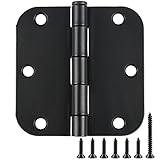
I remember the first time I slammed a cabinet door shut on purpose. It was a stupid, childish act, born of frustration with a cheap, flimsy hinge that did nothing but clang and bang. That’s when I really started paying attention to the little things in my kitchen, the hardware that makes a house feel like a home. Now, everyone’s talking about soft close hinges, and the big question on a lot of people’s minds is: are soft close hinges durable? It’s not just about fancy features; it’s about longevity and whether you’re buying something that’ll last or just another gimmick.
I’ve seen my share of over-engineered gadgets that fail spectacularly after a few months. So, when it comes to something as fundamental as cabinet doors, I want to know if these ‘fancy’ hinges can actually take a beating. Let’s get real about whether soft close hinges are worth the investment for the long haul.
The Real Deal: How Soft Close Hinges Actually Work
So, how do these magical soft close hinges actually manage to quiet down those door slams? It’s not sorcery, thankfully. Most of them work using a hydraulic or pneumatic system built right into the hinge arm. Think of it like a tiny shock absorber for your cabinets. When you push the door closed, it compresses a small piston inside the hinge. As the door gets near its closing point, a mechanism releases this compressed air or fluid, which then slowly and smoothly guides the door the rest of the way, preventing it from slamming shut.
There are a few variations on this theme. Some use a spring-loaded mechanism that’s dampened, while others have a more sophisticated oil-filled cylinder. The key is that they all introduce resistance as the door closes, slowing it down in the final inches. This is what saves your fingers, your sanity, and your cabinet doors from unnecessary wear and tear. It’s this controlled movement that makes you wonder if they’re built to last. When I first installed a set, I was surprised by the almost silent glide. It felt… luxurious. But then the practical part of me kicked in – how long would that glide actually last?
The materials are important here, too. Good quality soft close hinges are typically made from durable metals like steel, often with a corrosion-resistant coating. The internal damping mechanism, whether it’s hydraulic or pneumatic, needs to be well-sealed. If that seal breaks, you lose the soft close function. It’s like a car shock absorber losing its fluid; it just doesn’t do its job anymore. I’ve seen cheaper ones with plastic internal parts that just felt flimsy from the get-go. Those are the ones that make you question the entire concept. The better ones feel substantial in your hand, with a satisfying weight.
I remember one instance where I bought a pack of budget soft close hinges for a DIY project. They looked okay, but as soon as I started installing them, I noticed the metal felt thin. Within about six months, one of them started making a faint squeaking noise, and the soft close action became less pronounced. It wasn’t a complete failure, but it was a noticeable downgrade in performance. That’s when I learned that while the concept of soft close is great, the execution really matters when it comes to durability. You get what you pay for, and with these hinges, that’s especially true.
What to Look for: Avoiding the Lemon Soft Close Hinges
Okay, so you’re convinced soft close is the way to go, but you don’t want to end up with a bunch of clunkers. This is where a bit of detective work comes in. First off, the material. I’ve already touched on this, but it bears repeating: look for solid steel construction. Avoid hinges that feel lightweight or flimsy. Give them a little wiggle if you can before buying. Do they feel solid, or is there excessive play in the joints? That’s a bad sign.
Next, check the mechanism. Most decent soft close hinges will clearly advertise their damping system, often mentioning hydraulic or pneumatic. If it’s vague, or if the hinge looks like it’s made of cheap plastic parts, run the other way. I once bought a set that claimed to have a ‘built-in buffer’ but it was basically just a rubber stopper that wore out in weeks. Not the same thing at all. A good hydraulic system will feel smooth and consistent throughout the closing action, without any jerking or stuttering.
Brand reputation matters more than you might think. While you don’t always need to go for the absolute top-tier, name brands that have been around for a while tend to have better quality control. They’ve likely ironed out the kinks in their manufacturing process. Look for reviews specifically mentioning durability and longevity, not just ease of installation. People complaining about hinges failing after a year or two are your red flags. (See Also: A Box Without Hinges Key )
Here’s a little table I put together based on my own experiences and what I’ve seen others go through. It’s not exhaustive, but it’s a good starting point:
| Feature | What to Look For (Good) | What to Avoid (Bad) | My Verdict |
|---|---|---|---|
| Material | Solid steel, nickel-plated or stainless steel for corrosion resistance | Thin metal, plastic components, rust-prone finishes | Steel is king. Don’t mess around with anything less for cabinets that get used daily. |
| Damping Mechanism | Hydraulic or pneumatic cylinder, smooth and controlled closure | Simple spring, rubber buffer, inconsistent closing speed | Hydraulic is generally more solid and offers a better ‘slow’ feel. |
| Brand Reputation | Established hardware brands with good reviews for durability | Unknown brands, generic online-only sellers with no history | Stick with brands known for cabinet hardware; they usually have better support too. |
| Weight/Feel | Substantial, solid feel in hand | Lightweight, flimsy, wobbly | A heavier hinge often means more solid materials and a better mechanism. |
| Warranty | Decent length warranty (e.g., 5-10 years) | No warranty or very short warranty | A good warranty signals the manufacturer’s confidence in their product’s longevity. |
Don’t just look at the pretty pictures online. If you can, go to a hardware store and actually feel the hinges. Pick them up. Open and close them. Does it feel like it’s built to withstand thousands of cycles? If it feels cheap, it probably is. I once spent an extra $20 on a better set of hinges, and it saved me the headache of replacing the cheap ones six months later. That’s a lesson learned the hard way.
Common Mistakes and Why They Happen
One of the biggest mistakes people make is assuming all soft close hinges are created equal. They see the term ‘soft close’ and think it’s a universal feature with a universal lifespan. This is just not true. The quality of the internal damping mechanism varies wildly. Some use a simple, cheap spring that might provide a slight cushion but won’t last long. Others have solid hydraulic cylinders designed for thousands upon thousands of cycles. You’re paying for that engineering and quality.
Another common pitfall is buying the absolute cheapest option available. I’ve been guilty of this myself. You see a pack of 10 hinges for $15 and think, “Why pay $50?” Well, usually the reason is that corners were cut somewhere in the manufacturing process. That could be in the quality of the metal, the precision of the machining, or the reliability of the damping fluid or seals. Cheaper hinges often use less durable materials that are more prone to wear and tear, especially the internal moving parts of the soft close mechanism. Eventually, they’ll lose their effectiveness or break entirely.
Over-tightening screws is another rookie error that can affect hinge durability. While you want the hinge to be securely fastened, over-tightening can strip the screw holes in the cabinet or door, or even crack the particleboard or MDF if you’re not careful. This compromises the mounting point of the hinge, putting undue stress on the hinge itself and potentially leading to premature failure or sagging doors. It’s about finding that sweet spot of firm but not aggressive tightening.
I also see people sometimes buying the wrong type of hinge for their specific cabinet door. There are overlay hinges, inset hinges, European-style hinges, and so on. If you get the wrong type, you might end up forcing the installation or putting the hinge in a position it wasn’t designed for, which can lead to stress and premature wear. Always double-check what type of hinge your cabinet requires. I once tried to make a partial overlay hinge work on an inset door, and it just ended up putting weird strain on the hinge arm. It wasn’t long before it started sticking.
Finally, people often forget about maintenance. While soft close hinges are designed to be low-maintenance, they aren’t maintenance-free. Over time, dust and grime can accumulate, and sometimes a little lubrication on the non-dampened parts (like the pivot points) can help. More importantly, if you notice a hinge starting to feel stiff or lose its smooth action, it’s often a sign that the internal mechanism is starting to wear out. Ignoring these early warning signs is a mistake. If a hinge is failing, it’s better to replace it before it starts damaging the door or cabinet frame. My neighbor didn’t replace a sagging hinge for months, and the constant pressure eventually warped his cabinet door slightly. Annoying and preventable.
Real-World Use: Are Soft Close Hinges Durable in Practice?
This is where the rubber meets the road, or the door meets the frame. In my experience, high-quality soft close hinges are absolutely durable. I’m talking about hinges from reputable brands that are made with good materials and solid engineering. These things can easily last 10, 15, even 20 years or more in a busy household. Think about how many times a cabinet door is opened and closed in a day. In a family kitchen, it can be hundreds of times. That’s a lot of cycles. (See Also: Are Integrated Washing Machine Door Hinges Standard )
I have a set of soft close hinges on my bathroom vanity that have been in place for about eight years. The bathroom sees a lot of daily use, and these hinges have performed flawlessly from day one. They still glide just as smoothly as they did when I installed them. No slamming, no squeaking, no loss of damping. They feel as solid now as they did then. This is the kind of durability I expect when I invest in hardware.
On the flip side, the cheap, no-name brands I’ve tried? Those are a different story. I bought a pack of what I thought were decent soft close hinges for a pantry, and after about two years, one of them started acting up. The damping effect became weak, and it would sometimes catch before closing fully. Another one eventually just stopped working altogether, and the door slammed like a normal hinge. It was frustrating because I had invested the time to install them, and now I had to go back and replace them, likely with a better quality set anyway.
The durability really comes down to the quality of the internal hydraulic or pneumatic system. These are precision components. If they’re not manufactured to tight tolerances, or if the seals aren’t solid, they will fail. Think of it like a car’s suspension system. A cheap one will give you a bumpy ride and won’t last long. A high-quality one will provide a smooth experience for years. Cabinet hinges are no different. The common advice to ‘buy the best you can afford’ is usually spot on here.
People also often ask about weight capacity. While the hinge itself is designed to handle the weight of the door, if you’re putting extremely heavy doors (like solid wood doors on a large armoire) on standard cabinet-grade soft close hinges, you might be asking for trouble. The hinge mechanism might be durable, but the mounting points or the hinge arms themselves could bend or fail under extreme load. For very heavy doors, you need heavy-duty hinges, and those will often have their own soft close variants. Always check the manufacturer’s specifications for weight limits.
One thing that surprises people is how much the environment can affect durability. In a very humid environment, like a steamy bathroom or a kitchen prone to condensation, the metal parts of the hinge can be more susceptible to corrosion, even with protective coatings. This can eventually affect the smooth operation of the mechanism. Stainless steel or marine-grade finishes are best in these situations, but they often come at a higher price point. So, while the soft close function itself might be durable, the underlying metal can still be a weak point if not properly protected.
Maintaining Your Soft Close Hinges for Longevity
Even the most durable soft close hinges can have their lifespan extended with a little bit of care. It’s not rocket science, and it doesn’t take much time. The primary thing you can do is keep them clean. Dust, grease, and general kitchen grime can accumulate on the hinge body and the moving parts. This buildup can create friction, making the hinge feel stiff or sticky. A simple wipe-down with a damp cloth and a mild detergent every few months is usually sufficient. For stubborn grease, a degreaser can work wonders, just make sure to wipe it all off afterward.
I also recommend occasionally checking the screws that hold the hinges in place. Over time, wood can expand and contract, or vibrations can loosen screws. If you notice a cabinet door starting to sag or not align properly, the first thing to check is the hinge screws. Tighten them up gently – remember, you don’t want to strip the holes. A loose hinge puts extra stress on the hinge mechanism, which can lead to premature wear, especially on the soft close component. Think of it as preventative maintenance for your doors.
Now, a word of caution about lubrication. Most modern soft close hinges have sealed hydraulic or pneumatic systems that don’t require lubrication. In fact, trying to force oil or grease into these sealed units can actually damage them. However, there might be other pivot points or non-dampened parts of the hinge that could benefit from a tiny amount of lubricant. If you’re unsure, it’s best to consult the manufacturer’s instructions. If there are no instructions, and the hinge operates smoothly without it, leave it alone. My rule of thumb is: if it ain’t broke, don’t fix it, and definitely don’t try to ‘improve’ it with random lubricants. (See Also: Are Hinges Wheeels )
One thing I learned the hard way: don’t force a sticky hinge. If a soft close hinge starts to feel stiff, or if the damping action becomes inconsistent, it’s usually a sign that the internal mechanism is starting to fail. Trying to force it closed repeatedly can exacerbate the problem, potentially damaging the hinge beyond repair or even damaging the cabinet door or frame. It’s better to identify the failing hinge and replace it before it causes further issues. I once ignored a slightly stiff hinge on a microwave cabinet, and over months, it caused the door to sag just enough that it started to rub against the frame.
The flip side to this is that sometimes a hinge might just need a good clean. If it feels a bit sluggish, try a thorough cleaning first. If that doesn’t help, then it’s time to consider replacement. For most residential applications, high-quality soft close hinges, when properly installed and minimally maintained, are exceptionally durable. They are designed for frequent use and should provide quiet, smooth operation for many years. The main factor is buying a good quality product from the start.
The Soft Close Hinge Faq
Do Soft Close Hinges Break Easily?
No, high-quality soft close hinges are generally very durable and are designed to withstand thousands of opening and closing cycles. Breakage is uncommon unless they are subjected to extreme abuse, installed improperly, or are of very low quality. Cheaper models, however, are more prone to failure over time as their internal damping mechanisms wear out.
Can You Replace a Regular Hinge with a Soft Close Hinge?
Yes, in most cases, you can replace standard cabinet hinges with soft close hinges, provided they are the same type of hinge (e.g., overlay, inset) and have the same screw hole pattern or can be adapted easily. You’ll need to make sure the new hinge fits the existing cutouts in your cabinet door and frame. Sometimes, minor adjustments or new mounting plates might be necessary, but it’s usually a straightforward swap.
Are Soft Close Hinges Worth the Extra Cost?
For most people, yes, soft close hinges are worth the extra cost. They significantly reduce noise, prevent door slams, protect your cabinets from wear and tear, and add a touch of modern luxury to your kitchen or bathroom. While they cost more upfront, their longevity and the improved user experience often make them a worthwhile investment over time compared to replacing damaged or noisy standard hinges.
How Long Do Soft Close Hinges Typically Last?
Well-made soft close hinges from reputable brands can last anywhere from 10 to 20 years, or even longer, in a typical home environment. The lifespan depends heavily on the quality of materials and manufacturing, as well as the frequency and force of use. Lower-quality hinges may start to show wear or lose their soft-close function within 2-5 years.
What Happens If a Soft Close Hinge Breaks?
If a soft close hinge breaks, the primary effect is that the door will no longer close slowly and smoothly. It will slam shut like a regular hinge. Depending on the nature of the break, the door might also become difficult to open or close, or it might sag. In most cases, a broken hinge needs to be replaced entirely. You can often find replacement soft close hinges that match the original mounting specifications for a relatively easy fix.
Final Verdict
So, to answer the question directly: are soft close hinges durable? My answer is a resounding yes, if you buy good quality ones. I’ve had fantastic experiences with reputable brands that have lasted for years without a hiccup. The frustration comes from the cheap imitations that promise the world but deliver short-lived performance. Think of it like buying shoes: a cheap pair might look okay, but they’ll wear out fast and hurt your feet. A good pair, even if pricier, will serve you well for a long time.
The key takeaway is to do your homework. Check materials, look at reviews that specifically mention longevity, and don’t shy away from brands that have a proven track record. A bit of extra money upfront on quality soft close hinges will save you headaches, repair costs, and that annoying banging sound down the line. They really do enhance the feel of your home.
Before you buy, take a moment to consider the actual use case. Are these for a high-traffic kitchen, or a seldom-used guest bathroom? This might influence your budget, but never compromise on the fundamental quality of the hinge itself. If you’re serious about upgrading your cabinets, investing in durable soft close hinges is one of the smartest, quietest improvements you can make.