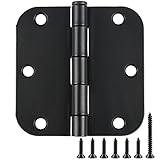
I remember the first time I saw a set of aftermarket hood hinges for my old Dodge Dart. They looked slick, all polished chrome and aggressive lines. The online forums were buzzing about how they totally changed the look and feel of the car. So, I shelled out a pretty penny, thinking this was going to be the upgrade that finally made my Dart stand out.
Spoiler alert: it wasn’t. At least, not in the way I expected. Installing a body dodge dart hood hinges can be a minefield of over-promised performance and under-delivered aesthetics if you’re not careful. Let’s cut through the BS.
Why Some Folks Go All-in on Fancy Hood Hinges
Look, there’s a reason people even consider upgrading their stock hood hinges. Most of the time, factory hinges are just… functional. They do the job, they lift the hood, and they keep it shut. But function doesn’t always equal form, right? For a lot of car enthusiasts, especially those working on classic muscle cars like the Dodge Dart, the goal is to make the vehicle look as mean and clean as possible. Stock hinges, particularly on a car that’s seen a few decades, can start to sag, look a bit rusty, or just be plain boring.
Enter the aftermarket. Companies make these things in all sorts of materials – billet aluminum, polished stainless steel, even carbon fiber if you’re going full race car.
They often boast smoother operation, better resistance to corrosion, and, most importantly, a way to set your car apart from the pack. They can offer a more precise fit, meaning your hood sits flush and opens with a satisfying, solid feel.
Some are designed with gas struts integrated, which makes lifting a heavy hood a breeze, no more struggling with prop rods that never quite stay put. Others are purely about the visual – sculpted designs, sometimes with integrated lighting or trick lettering. The idea is that when you pop the hood at a car show, or even just when you’re working on the engine, these upgraded hinges are another layer of customization that says, ‘I care about the details.’
I remember my buddy, Mark, with his ’68 Charger. He spent weeks agonizing over different brands of polished stainless steel hood hinges.
He wanted that mirror finish to reflect the engine bay and make everything look twice as clean. When he finally installed them, the hood opened up so smoothly, it felt like a different car.
The way the light caught the polished metal was genuinely impressive. It wasn’t just about the hood opening; it was about the statement it made.
He’d spent around $350 on them, and while I thought he was nuts at the time, I had to admit, it did look pretty damn good. It’s that desire for a refined look and a superior feel that drives people to look beyond the factory standard. For some, the cost is secondary to achieving that perfect custom aesthetic and a touch of mechanical elegance.
What to Actually Look for (and What to Ignore)
Okay, let’s get real. When you’re shopping for a body dodge dart hood hinges, you’re going to see a lot of flashy marketing.
Companies will talk about ‘aerodynamic design’ and ‘race-proven performance’. Most of that is fluff for something as simple as hinges. What you actually need to focus on is material, build quality, and compatibility. First off, material matters.
For a Dodge Dart, you’re likely looking at steel or aluminum. Steel is strong and durable, but it can rust if not treated properly. That’s why good quality steel hinges are often powder-coated or have a solid protective finish. Aluminum is lighter and inherently rust-resistant, but can be more expensive and sometimes not as rigid as high-quality steel. (See Also: A Box Without Hinges Key )
For me, for a classic car that’s going to see street use and maybe the occasional show, a well-made, powder-coated steel hinge often hits the sweet spot for durability and cost.
Then there’s the pivot point and bushing. This is where a lot of cheap hinges fail. Look for solid bushings, not just stamped metal.
Bronze or high-quality nylon bushings will give you that smooth, wobble-free operation that lasts. Cheap ones will wear out quickly, and you’ll end up with a loose hood that rattles. A good set of hinges should feel solid when you operate them, with no excessive play. Check reviews specifically for comments on longevity and ease of installation.
Some hinges are designed to be direct bolt-on replacements, while others might require some minor modifications, like drilling new holes or adjusting the fender mounting points. Always verify fitment for your specific year and model of Dodge Dart.
Don’t assume that because it fits a ’68 Dart, it’ll fit a ’72. Little variations matter.
Here’s where I get opinionated: Most decorative elements on hood hinges are a waste of money. Fancy cutouts, aggressive angles that serve no structural purpose, or integrated LEDs? Unless you’re building a full-blown show car where every single inch is meticulously crafted, these often just add cost and complexity without a real benefit. I once bought a set of ‘ultra-trick’ hinges for a project that had these sharp, angular cutouts.
They looked cool in the catalog, but they were a nightmare to keep clean. Dust and grime would just collect in every nook and cranny, and polishing them was a pain in the neck.
Stick to a clean, functional design. The ‘performance’ claim for hinges is usually exaggerated.
Smooth operation and solid construction are the real performance indicators here.
| Feature | My Verdict | Notes |
|---|---|---|
| Material (Steel) | Good (if coated) | Powder-coated or e-coated steel is best for corrosion resistance. |
| Material (Aluminum) | Very Good | Lighter, rust-proof, but can be pricier. Make sure rigidity. |
| Pivot Bushings | Key | Bronze or high-quality nylon are preferred over plain metal. |
| Finish | Functional | A clean, durable finish is more important than flashy designs. |
| Integrated Struts | Optional (but nice) | Great for heavy hoods, adds convenience. |
| Decorative Cutouts | Skip | Adds cleaning hassle, rarely worth the cost. |
| Direct Fitment | Highly Desired | Minimizes installation headaches and potential modifications. |
Installation Woes and How to Avoid Them
Alright, let’s talk about putting these things on your car. Installing a body dodge dart hood hinges isn’t rocket science, but it’s definitely not a ‘set it and forget it’ job either. The biggest mistake people make is not taking their time. You’re dealing with the alignment of your hood, which is a pretty visible part of your car. If you rush, you’ll likely end up with a hood that doesn’t sit flush, has uneven gaps, or worse, rubs against the fenders or cowl.
My first attempt at installing aftermarket hinges on my old truck was a disaster. I thought, ‘How hard can it be? Two bolts on each side, then the hood bolts.’ Wrong. The new hinges had slightly different mounting hole placements. I didn’t bother checking the alignment meticulously before tightening everything down. The result? One side of the hood sat a good quarter-inch higher than the other, and the front edge was practically scraping the grille. It looked terrible. I spent the next three hours painstakingly loosening bolts, nudging the hood, re-tightening, and repeating. It was frustrating, and I ended up scratching the paint on the fender because of the metal-on-metal rubbing. Lesson learned: patience is key.
Here’s a practical approach: First, gather your tools. You’ll want basic socket sets, wrenches, a good set of screwdrivers, and likely a helper. Having someone to help you hold the hood while you work is invaluable. Before you remove your old hinges, take detailed photos of how they are mounted and aligned. (See Also: Are Integrated Washing Machine Door Hinges Standard )
Measure the gaps around your hood – from the edge of the hood to the fender, and from the front of the hood to the grille or valance. Write these measurements down. Then, remove one hinge at a time.
Install the new hinge, and loosely attach the hood to it. Now, carefully align the new hinge’s mounting points to the fender/cowl. Get the bolts snug, but not fully tightened. Repeat for the other side.
Once both new hinges are on and the hood is attached, then you can start the fine-tuning. Use your recorded measurements as a guide. Adjust the hinges millimeter by millimeter until the hood sits perfectly. It’s a tedious process, but the result is worth it.
Some aftermarket hinges might come with shims, which are helpful for fine-tuning the alignment. Don’t discard them!
Real-World Use: Do They Actually Improve Anything?
So, we’ve established that fancy a body dodge dart hood hinges can look cool and potentially offer smoother operation. But does this translate into a genuinely better experience? For me, the answer is a qualified ‘yes.’
The ‘qualified’ part is important here. If you’re getting a set of well-made, direct-fit hinges from a reputable manufacturer, you absolutely will notice an improvement in how the hood operates. The stock hinges on older cars, even if they aren’t visibly damaged, can develop wear in the pivot points. This leads to a slightly loose, less precise feel when opening and closing the hood.
Upgraded hinges, especially those with tighter tolerances and better bushings, will feel more solid, more controlled. That satisfying ‘thunk’ when you close the hood instead of a hesitant rattle?
That’s a win.
The visual aspect is also a significant factor for many. If you’ve spent time cleaning up the rest of your engine bay, polished or well-finished hood hinges can really tie the whole look together. They’re a detail that, when done right, makes the car look more deliberate and cared for. However, I’ve also seen plenty of installations where the new hinges looked out of place or were clearly just bolted on without considering the overall aesthetic. For example, putting shiny chrome hinges on a matte black car might look jarring if not integrated thoughtfully. The ‘improvement’ is subjective and depends heavily on the quality of the product and the execution of the installation.
The biggest misconception I’ve encountered is that these hinges are a performance upgrade in terms of aerodynamics or weight reduction that will make your car faster. That’s just not the case for the vast majority of aftermarket hood hinges. While billet aluminum might be lighter than cast steel, the weight difference is negligible in the grand scheme of a car’s overall mass.
If you’re truly chasing aerodynamic gains or shedding pounds, you’re looking at much more involved modifications. The primary benefit of a body dodge dart hood hinges, in my experience, is improved aesthetics and a more refined, solid feel during operation. If that’s what you’re after, and you’re willing to pay for quality and install it correctly, then yes, they can absolutely improve your car ownership experience.
If you’re expecting a speed boost or a radical change in how your car handles, you’ll be disappointed. (See Also: Are Hinges Wheeels )
People Also Ask: Common Questions Answered
Are Hood Hinges Expensive?
The cost of hood hinges varies wildly. Stock replacement hinges can be relatively affordable, sometimes in the $50-$100 range per pair. However, aftermarket performance or show-quality hinges, especially those made from billet aluminum or with special finishes like polished stainless steel, can easily cost $200 to $500 or even more. The price often reflects the material quality, manufacturing precision, and any added features like integrated gas struts.
What Is the Average Lifespan of Car Hood Hinges?
With proper maintenance and care, original factory hood hinges can last the lifetime of the vehicle. However, factors like exposure to harsh weather, road salt, lack of lubrication, and physical damage can significantly shorten their lifespan. For aftermarket hinges, especially those with quality bushings and solid coatings, you can also expect them to last many years, potentially outlasting the original parts if they are of superior construction.
How Do I Know If My Hood Hinges Are Bad?
You’ll usually notice several signs if your hood hinges are going bad. The most common is a hood that doesn’t open smoothly, feels stiff, or requires excessive force to lift. You might also observe that the hood sits unevenly when closed, with larger or inconsistent gaps between the hood and the fenders or grille. Listen for grinding, squeaking, or clunking noises when operating the hood. In severe cases, the hinge can seize up, making the hood difficult or impossible to open, or it might sag to the point of damaging the surrounding body panels.
What’s the Point of Billet Hood Hinges?
Billet hood hinges are typically made from solid blocks of aluminum that are CNC machined into shape. The ‘point’ of billet construction is primarily for aesthetics and strength. They offer a very precise, clean look that many enthusiasts desire for custom builds. Billet aluminum is also strong and lightweight, though for hood hinges, the weight savings are usually minimal. The main draw is the premium, custom look and the high-quality feel they provide compared to stamped steel or cast aluminum parts.
Common Mistakes and What I’d Do Differently
Looking back at my own experiences and those of friends, there are a few recurring mistakes people make when it comes to upgrading their a body dodge dart hood hinges. The most glaring one is buying based solely on looks. I did it, many others do it. You see a picture of a hinge with crazy angles or a mirror-like finish and think, ‘That’s the one!’
But without digging into the actual build quality, material specs, and user reviews, you can end up with something that looks great for a year and then starts to bind, rust, or just feel loose. I learned this the hard way with a set of cheap, chrome-plated steel hinges that looked decent but the chrome started flaking off within 18 months, revealing rust underneath. That’s not an upgrade; it’s a downgrade.
Another common pitfall is underestimating the installation complexity. People see a few bolts and think it’s a quick afternoon job.
While some installations are straightforward, many require careful alignment, potentially drilling new holes, or dealing with the inherent variations in body panels on older cars. If you don’t have the patience or the right tools, it’s easy to botch the alignment, leading to hood gaps that are off, or even paint damage. I’ve seen guys force things that shouldn’t be forced, leading to cracked fiberglass or bent metal.
My advice? If you’re not confident in your mechanical skills or your ability to precisely align body panels, get a professional to do it. The extra cost is often cheaper than fixing mistakes or buying new body panels.
If I were to do it all over again for my Dart, here’s what I’d prioritize: First, I’d look for hinges made from powder-coated steel or good quality anodized aluminum. They hold up better to the elements and look good for longer without the constant polishing hassle of chrome. I’d read reviews specifically mentioning long-term durability and smooth operation, not just pretty pictures.
I’d also strongly consider a set that comes with integrated gas struts. Lifting a heavy Dart hood can be a pain, and the convenience factor of gas struts is, for me, a massive improvement in daily usability. The cost might be a bit higher, but the combined benefit of ease of use and a solid, clean look makes it a worthwhile investment.
It’s about getting functional beauty, not just decoration.
Conclusion
So, are upgraded a body dodge dart hood hinges worth it? My honest take is that they can be, but only if you approach it with realistic expectations and a focus on quality. Don’t buy them just because they look flashy. Look for solid construction, good materials, and smooth operation. Pay attention to the installation process; rushing it is a recipe for disaster.
If you’re aiming for a cleaner, more refined look and a satisfyingly solid feel when you open and close your hood, a good set of aftermarket hinges will deliver. They’re a detail that can lift the overall presentation of your classic car. Just remember, they’re not a performance enhancer in the speed sense, and they require a bit of care to get right. Choose wisely, install patiently, and enjoy the difference.