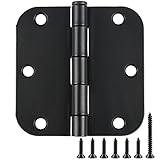
I remember the first time I wrestled with a truck topper that decided its hinges had a mind of their own. Rain was coming down, I had a load of lumber to secure, and the damn lid was sticking like a politician to a bad promise. That’s when it hit me: nobody talks enough about the simple, often overlooked, yet frustratingly important parts of a truck topper. I’m talking about those little metal doodads that are supposed to make your life easier. So, let’s get real about are truck topper hinges.
They’re not glamorous. They don’t have horsepower or a fancy paint job. But when they work, you don’t notice them. When they don’t, well, you notice them every single time you need to access your truck bed. This isn’t about aerodynamics or towing capacity; it’s about the nuts and bolts, or rather, the pins and plates, that hold your topper’s lid up.
Why Those Tiny Truck Topper Hinges Matter More Than You Think
Look, I’ve been around trucks and their accessories long enough to know that the devil is in the details. And when it comes to truck toppers, those details often involve the hinges. They’re the unsung heroes, or sometimes the outright villains, of your topper experience. If you’ve ever had a topper lid refuse to stay open on a windy day, or worse, slam shut on your fingers because the hinges gave out, you know exactly what I’m talking about.
It’s not just about convenience; it’s about security and protecting your gear. I once spent a solid hour trying to jimmy open a topper that had warped slightly in the sun, all because a cheap set of hinges had seized up. My tools were in the truck bed, and I was locked out by a faulty hinge. Lesson learned: don’t skimp.
The basic function is simple: they allow the lid to pivot open and closed smoothly. But the quality, material, and design make a world of difference.
You’ve got everything from basic piano hinges that run the length of the lid to more complex, often beefier, stainless steel or aluminum units. The type of topper you have – a fiberglass shell, a soft tonneau cover that rolls or folds, or a more permanent camper shell – will dictate the type of hinge system you’re dealing with. For the solid, often heavier fiberglass toppers, you’re typically looking at solid, multi-point hinges designed to handle significant weight and repeated use. For softer covers, it might be more integrated into the folding or rolling mechanism itself.
The materials are a big deal. Steel hinges, especially if not properly coated or treated, are prime candidates for rust.
And rust, my friends, is the enemy of smooth operation. I’ve seen steel hinges turn into flaky orange nightmares within a couple of seasons in coastal areas or places with harsh winters. This not only looks terrible but also compromises their strength and ability to pivot freely. Aluminum is lighter and generally more corrosion-resistant, which is why many higher-end toppers opt for it.
Stainless steel is the king of durability and corrosion resistance, but it also comes with a higher price tag. The finish matters too – powder coating can add a layer of protection, but if it’s chipped, you’re back to square one with potential rust.
The design of the hinge also plays a role. Some are simple flat plates that bolt on, while others are more articulated, allowing for a wider opening angle or a smoother lift. The number of hinge points is also important. A longer lid, especially a heavier fiberglass one, needs more than just two small hinges at the ends. Multiple attachment points distribute the weight more evenly, reducing stress on individual components and preventing sagging over time. I’ve seen lids start to sag noticeably in the middle because the hinge system wasn’t solid enough to support the weight evenly. It makes opening and closing a chore and looks frankly unprofessional.
When you’re buying a topper, or even just looking at replacing parts, pay attention to the hinge hardware. Are the bolts stainless steel? Are the hinge plates thick enough? Does the mechanism look like it can handle years of sun, rain, snow, and dust? Don’t just assume that because it’s part of a reputable brand, the hinges are top-notch. I’ve found that even well-known brands sometimes cut corners on smaller components to keep costs down, and that’s often where you’ll feel the pain down the road.
What to Actually Look for When You Need New Truck Topper Hinges
So, you’ve decided your current truck topper hinges are toast, or you’re eyeing a used topper and want to know what to inspect. Good. Proactive is always better than reactive, especially when it comes to truck accessories that get battered by the elements. First off, materials.
I cannot stress this enough: stainless steel or high-grade aluminum are your best friends. If you see zinc-plated steel, especially on anything that’s going to be exposed to moisture regularly, walk away or budget for replacements sooner rather than later. I bought a used topper once, and the seller swore the hinges were “fine.” Turns out, “fine” meant they were stiff, rusty, and about to snap. I ended up shelling out $150 for a stainless steel replacement kit within six months.
Not my finest moment.
Next, consider the load. How heavy is your topper lid? A lightweight soft tonneau cover has very different hinge requirements than a heavy fiberglass cap. (See Also: Are Spring Loaded Door Hinges Better )
For heavier lids, you want hinges that are wide and have multiple attachment points. This means more screws or bolts securing them to both the lid and the truck bed rail.
A hinge that’s only an inch or two wide on a three-foot lid is asking for trouble. Look for hinges that span a good portion of the lid’s edge, or have at least three or four attachment points distributed along the edge.
The thickness of the hinge material itself is also an indicator of quality. Thicker metal means more durability and less chance of bending or breaking under load.
The design of the pivot point is another thing to inspect. Are the pins easily accessible? Can they be removed if needed for maintenance or replacement? Some hinges use a simple pin, while others have integrated bushings or bearings. For smoother operation and longevity, especially if you live in a dusty environment, a design that minimizes metal-on-metal contact and offers some protection against grit is ideal. I’ve found that hinges with sealed bearings, while more expensive, are worth it in the long run if you’re constantly opening and closing the topper in dusty conditions. They just glide, even after years of use.
Compatibility is also key. Truck topper hinges aren’t universal. You need to know the make and model of your topper, and ideally, the dimensions of your lid and the mounting pattern of your old hinges. Manufacturers often use proprietary designs, or at least specific hole patterns.
Trying to force a mismatched hinge can lead to stress on the lid, poor sealing, and a generally frustrating installation. It’s often best to go with OEM replacements if possible, or at least find a reputable aftermarket supplier that provides detailed specifications and diagrams.
Measure everything before you buy. I learned this the hard way when I tried to adapt a set of hinges meant for a camper shell onto a different brand’s soft topper. It was a mess.
Finally, think about the gas struts or support arms. While not strictly hinges, they work in conjunction with them. Make sure the hinge design you choose will accommodate the proper gas struts for your lid’s weight and size. Some hinge systems are designed to work with specific strut mounting points. If your new hinges don’t play nicely with your gas struts, you’ll have a lid that’s either too hard to lift or won’t stay open properly. It’s a system, and all parts need to work together.
| Material | Pros | Cons | My Verdict |
|---|---|---|---|
| Stainless Steel | Excellent corrosion resistance, high strength, durable. | Can be heavy, expensive. | The gold standard for longevity. Worth the splurge if you can afford it. |
| Aluminum | Lightweight, good corrosion resistance, good strength-to-weight ratio. | Can be less strong than steel, can corrode in certain environments (saltwater). | A solid, practical choice for most applications. Offers a good balance. |
| Zinc-Plated Steel | Inexpensive, decent corrosion resistance initially. | Prone to rust once coating is damaged, weaker than stainless steel, can seize up. | Avoid if possible. Only consider for temporary fixes or very dry climates. |
| Powder-Coated Steel | Durable coating, good corrosion resistance if intact. | Coating can chip, leading to rust; heavier than aluminum. | Better than plain steel, but still not as reliable as stainless or aluminum long-term. |
Common Mistakes People Make with Truck Topper Hinges
Here’s where things get messy. People often treat truck topper hinges like any other piece of hardware – buy the cheapest ones, install them, and forget about them. Big mistake.
One of the most common blunders is going for the bargain-bin option. I’ve done it. I bought a cheap set of hinges for a topper I was fixing up on a budget.
They looked okay, felt okay, but within a year, they were stiff, rusty, and one of the pivot pins had worked its way out. It was a pain to deal with and, frankly, a safety hazard. It’s like buying cheap tires for a performance car; it just doesn’t make sense. You’re constantly opening and closing that lid, and it needs to be reliable.
Another huge mistake is improper installation. This isn’t always about the hinges themselves, but how they’re attached. Over-tightening bolts can warp the lid or the mounting surface, leading to stress on the hinge and eventual failure.
Under-tightening means the hinge can wobble, put uneven pressure on the mounting points, and ultimately loosen up. I’ve seen folks use the wrong type of fasteners too – regular steel screws instead of stainless steel, which will rust and streak your topper. Use the right hardware for the job, and torque them down to spec if possible, or at least snug them up evenly.
I once spent three hours trying to align a topper lid because the hinges were installed slightly off-kilter. It looked terrible and didn’t seal right. (See Also: A Box Without Hinges Key )
Then there’s the issue of neglecting maintenance. You wouldn’t drive your truck without changing the oil, right? Well, you shouldn’t ignore your topper hinges either. They’re exposed to dirt, salt, water, and UV rays.
A quick spray of silicone lubricant or a light coat of marine-grade grease a couple of times a year can make a world of difference. Cleaning them out if they get gummed up with dirt or debris is also smart.
I used to think they were maintenance-free, until I had a hinge seize up solid in the dead of winter, making it impossible to open my topper to get at my snow shovel. That was a cold, frustrating afternoon. A little WD-40 or a similar product can go a long way.
People also make the mistake of assuming a hinge failure is just a hinge failure. Sometimes, the problem is actually with the gas struts. If your lid is slamming shut or won’t stay open, and the hinges look fine, check your gas struts. They lose their pressure over time. Replacing worn-out struts is often a much cheaper and easier fix than you might think, and it puts less stress on the hinges themselves. I’ve seen people replace perfectly good hinges because their struts were shot, and the new hinges still didn’t solve the problem. It’s always worth diagnosing the whole system.
Finally, and this ties back to material choice, people often underestimate the impact of their local climate. If you live near the coast, that salt air is brutal on metal. If you live in a region with harsh winters and heavy road salt use, your hardware will take a beating. Choosing materials like stainless steel or marine-grade aluminum becomes less of a luxury and more of a necessity in these environments. Ignoring this reality is a surefire way to be replacing your hinges more often than you’d like.
Faq on Truck Topper Hinges
How Often Should Truck Topper Hinges Be Replaced?
There’s no hard-and-fast rule, as it depends heavily on the material, climate, and usage. High-quality stainless steel or aluminum hinges in a mild climate might last 10-15 years or more. Cheaper zinc-plated steel hinges in a salty or snowy environment could be toast in 2-3 years. A good indicator is stiffness, rust, visible wear, or if the lid starts to sag. If they’re causing you problems, it’s time to consider replacement.
Can I Lubricate My Truck Topper Hinges?
Absolutely. Lubrication is key to preventing stiffness and rust. A good quality silicone spray or a light application of marine-grade grease works well. Avoid using heavy oils that can attract dirt and grit. Regularly cleaning any dust or debris from the hinge mechanism before lubricating will help make sure smooth operation.
What Are the Best Materials for Truck Topper Hinges?
For durability and corrosion resistance, stainless steel is generally the best choice, especially in harsh environments. High-grade aluminum is a close second, offering good strength and being lighter. Avoid plain steel or low-quality coated steels if you want them to last. The best material often depends on your specific needs and budget, but stainless steel is hard to beat for longevity.
Real-World Use: When Truck Topper Hinges Fail You
Let’s talk about the gritty reality. Truck topper hinges don’t just decide to quit on a sunny Tuesday afternoon when you’re just grabbing a tool. They usually fail when you need them most, often with a deadline or in less-than-ideal conditions. I recall a time I was helping a buddy move.
We had his new, albeit older, truck topper loaded with furniture. It started raining – of course it did – and we needed to close the lid to protect the upholstery.
One of the main hinges on the passenger side was rusted solid. No amount of pushing, pulling, or gentle persuasion was going to budge it. We ended up having to prop the lid open with a broomstick and drive slower than molasses to keep the rain from soaking everything. It was stressful, and frankly, embarrassing.
Another time, I was on a camping trip, and I needed to access my cooking gear. The lid was heavy, and the gas struts were shot, but the hinges were the real culprit. One of them had a pin that had partially worked its way out, causing the lid to bind at an awkward angle. It felt like I was trying to open a safe with a crowbar.
The metal was groaning, and I was genuinely worried I was going to rip the whole lid off the truck. This kind of failure isn’t just inconvenient; it can cause damage to the topper itself, leading to more expensive repairs down the line. The stress from a binding hinge can crack fiberglass or warp metal frames.
Then there’s the subtle failure that sneaks up on you. Maybe your hinges aren’t completely broken, but they’re stiff, or they don’t quite align perfectly anymore. This can lead to leaks. Water gets into the bed because the seal isn’t flush anymore, thanks to a slightly warped or misaligned lid caused by worn-out hinges. I’ve had to put towels along the edge of my truck bed on multiple occasions after a heavy rain, all because the topper lid wouldn’t sit quite right due to hinge issues. It’s a constant battle with the weather and a subtle drain on your patience. (See Also: Are Integrated Washing Machine Door Hinges Standard )
The opposite can also happen: a lid that’s too loose. If the hinges wear out and develop play, the lid can rattle around while you’re driving. This is not only annoying, making a constant clunking or rattling noise, but it can also indicate that the lid isn’t securely fastened, potentially making it a target for theft or allowing dust and water to ingress. I once drove for two hours behind a truck with a topper whose hinges were so worn, the lid was literally bouncing up and down. It looked like a cheap toy.
Contrarian opinion time: Everyone says to just replace the hinges when they get bad. I disagree slightly. Before you replace them, check the gas struts. Seriously. I’ve spent money on new hinges only to find out the real problem was the struts that weren’t holding the lid up, putting undue stress on the old hinges. Sometimes, a simple strut replacement can save you the hassle and expense of new hinges, or at least prolong their life. Diagnose the whole system before you buy parts.
Practical Tips for Truck Topper Hinge Longevity
Okay, you’ve got good hinges, or you’re planning on getting some. How do you keep them happy? It’s simpler than you think, and it beats the headaches of failure. First off, a regular clean-off is your best friend. After a muddy drive, a trip through a car wash, or even just a dusty day, take a minute to wipe down the hinge mechanism. Use a clean rag to remove any grit, leaves, or road salt that’s accumulated. This prevents abrasive particles from grinding away at the pivot points and causing premature wear.
Lubrication, as mentioned before, is most important. I’m not talking about drenching them, but a light spray of a quality silicone lubricant or a dab of marine-grade grease every few months, especially before winter or after a lot of exposure to moisture, can keep things moving smoothly. When you apply it, cycle the lid open and closed a few times to work it into the mechanism. This also helps displace any lingering water.
When opening or closing the lid, do it with a bit of respect. Don’t yank it open violently, and don’t let it slam shut. Use the gas struts to help guide it. If it feels stiff or is binding, don’t force it. Stop, inspect, and see what the issue is. Forcing a stiff hinge is a fast track to bending or breaking it. Sometimes, just a quick wipe-down and re-lubrication is all it takes to free it up. If you absolutely have to force it, understand that you might be causing damage.
Be mindful of weight. While toppers are designed to carry some load, don’t treat the lid like a shelf. Overloading it, or placing heavy, unevenly distributed items directly on the lid, puts excessive stress on the hinges and the lid structure itself. This can lead to sagging and eventual hinge failure. If you need to haul heavy items, consider if your topper is the right solution, or if it’s designed for that kind of abuse. Always respect the intended use of your equipment.
Finally, when it’s time to replace them, do it right. If you’re buying a kit, make sure it includes all the necessary hardware – stainless steel bolts, washers, and nuts. Don’t reuse old, corroded fasteners. If your topper manufacturer offers a specific replacement hinge kit, that’s usually your safest bet. Measure carefully, make sure the bolt patterns match, and take your time during installation. Doing it once, and doing it correctly, will save you headaches later.
The Nuts and Bolts of Truck Topper Hinge Installation
Installing new truck topper hinges might seem straightforward, but it’s a job where attention to detail really pays off. First things first: gather your supplies. You’ll need your new hinges, of course. Make sure they come with new hardware, preferably stainless steel bolts, nuts, and washers. You’ll also want a good set of wrenches or socket set, a drill with appropriate bits if you need to drill new holes (though often you’ll be using existing ones), a measuring tape, a pencil or marker, and possibly some silicone sealant to help waterproof the bolt holes. Safety glasses are a must.
Here’s a step-by-step approach:
- Preparation: Clean the area where the old hinges were removed (or where the new ones will go) thoroughly. Remove any old adhesive, rust, or debris. If you’re replacing old hinges, take clear photos of their position and orientation before removing them. Measure their exact location from the edge of the lid and the truck bed rail.
- Marking: Carefully position the new hinge on the lid and/or bed rail. Use your measurements and markings from the old hinges (or the manufacturer’s template if provided) to make sure precise alignment. A slight misalignment can cause binding or sealing issues. Use a pencil or marker to mark the hole locations.
- Drilling (if necessary): If new holes are needed, drill them slowly and steadily. Use a bit size that matches your new hardware. For fiberglass toppers, drilling from the inside out can help minimize chipping on the exterior surface. Clean out any drilled debris.
- Sealing: Before bolting the hinge down, apply a small bead of marine-grade silicone sealant around the bolt holes on the surface. This helps prevent water from seeping into the lid or bed rail, which can cause rot or corrosion.
- Fastening: Position the hinge over the holes. Insert the bolts from the outside (or inside, depending on design) and secure them with washers and nuts on the other side. Tighten the fasteners evenly, alternating between them, to make sure the hinge sits flush and doesn’t warp the material. Don’t overtighten initially; snug them up, check alignment, then tighten fully.
- Testing: Once installed, carefully test the operation of the lid. Open and close it several times. Check for smooth movement, proper alignment, and that it seals correctly. If you have gas struts, reattach them and test their function. Make any minor adjustments needed.
A important point here is that for some toppers, especially older or custom ones, you might need to do a bit of fabrication or modification. For instance, if you’re upgrading to a beefier hinge, you might need to reinforce the mounting points on the topper lid itself, especially if it’s fiberglass. Using backing plates or thicker washers can distribute the load better. Always consider the material you’re drilling into and its structural integrity.
If your topper lid is particularly heavy, consider having a second person help you align and hold the lid while you attach the hinges. This makes sure the lid is in the correct, level position during installation, which is vital for proper operation and sealing. Trying to do it alone on a heavy lid can lead to uneven installation or even dropped parts. It’s a two-person job for best results, especially with heavier fiberglass caps. The goal is a snug, secure fit that allows for smooth movement without stress.
Final Verdict
So, are truck topper hinges a pain? Sometimes, yes. But they don’t have to be. By understanding what makes a good hinge, what common pitfalls to avoid, and how to perform basic maintenance, you can significantly extend their lifespan and keep your topper working as it should. Ignoring them is the surest way to end up with a frustrating problem when you least expect it.
My advice? When you’re buying a topper, or even just inspecting a used one, give those hinges a good once-over. Are they corroded? Do they move freely? Are they solid enough for the weight of the lid? If you’re replacing them, invest in quality. Stainless steel or good aluminum will save you money and hassle in the long run. It’s a small part, but it makes a huge difference in the daily usability of your truck.
Don’t wait for a hinge to seize up in the pouring rain or snap shut on your fingers. A little foresight and a bit of effort can keep your truck topper functioning smoothly for years. It’s one of those automotive details that’s worth getting right.