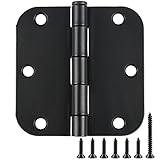
I once bought a fancy set of cabinet hinges, all shiny and looking like they’d last a century. They were zinc plated and cost me a small fortune. Within a year, they looked like they’d been salvaged from a shipwreck. That whole experience got me thinking about what ‘zinc plated’ actually means, especially when you’re trying to figure out if those hinges are truly steel underneath. It’s a question many of us stumble upon when we’re tired of rust and want something that lasts.
So, let’s cut through the noise. When you see ‘zinc plated,’ what are you really getting? Does it mean the core material is something less durable, or is it just a fancy coating? We need to talk about what’s actually going on with these metal parts so you don’t end up with the same disappointing hardware I did.
What Exactly Is Steel in Your Hinges?
Look, the simple answer to ‘are zinc plated hinges steel’ is yes, almost always. The steel is the foundational material, the stuff that gives the hinge its strength and structure. Think of it like the foundation of a house; it’s gotta be solid.
Zinc plating isn’t the hinge itself; it’s a protective skin applied over that steel core. Without that steel, a hinge would bend or break under its own weight, let alone the weight of a door.
So, when you’re looking at a hinge, the ‘steel’ part is the actual metal that does the work. The zinc is there for protection and looks. It’s a common practice across a huge range of hardware, from door hinges to screws to even some car parts.
The steel provides the brawn, and the zinc provides the brains for corrosion resistance. This dual nature is why you see them used so widely, especially in environments where moisture might be a concern.
The type of steel used can vary. You’ll find carbon steel is very common for hinges because it’s strong and relatively inexpensive to produce.
Stainless steel is also used, especially in more demanding applications where corrosion resistance is most important, even before plating. But in most everyday hinges, it’s good old carbon steel that forms the backbone. Understanding this basic structure helps you appreciate why the plating is so important. If the steel underneath is weak or of poor quality, even the best zinc plating won’t save it from failing.
I’ve seen cheap steel used in some hardware where the plating seemed okay initially, but the underlying metal was so soft it warped under load. That’s a lesson learned the hard way, and it’s why I always try to feel the heft and check the general quality of the steel component before relying on the plating as the sole indicator of durability.
The Zinc Plating Process: More Than Just a Shiny Coat
So, what’s this zinc plating thing all about? It’s an electrochemical process, basically. The steel part (your hinge) is submerged in a solution containing zinc ions, and then an electric current is passed through.
This causes the zinc to deposit onto the steel surface, forming a protective layer. It’s not just slapped on; it’s a controlled deposition. This layer acts as a barrier, preventing moisture and oxygen from reaching the steel and causing rust. It’s like putting a raincoat on your steel hinge.
The thickness of this plating can vary, and that’s a big factor in how long it lasts. Thicker plating generally means better protection. You’ll often see different grades of zinc plating, specified by standards like ASTM B633, which dictates minimum thickness requirements for various service conditions.
For most interior applications, a standard zinc plating is usually more than sufficient.
However, here’s where things can get a bit tricky, and where many people get fooled. Just because it’s plated doesn’t mean it’s invincible. The zinc plating offers ‘sacrificial protection.’
What does that mean? It means the zinc corrodes before the steel does. When the zinc starts to corrode, it forms zinc oxides and carbonates, which are usually white or grayish powdery substances.
This is often mistaken for the hinge actually rusting, but it’s the zinc sacrificing itself to protect the steel. True rust on the hinge would be that reddish-brown, flaky stuff that compromises the structural integrity. (See Also: A Box Without Hinges Key )
I remember a time I was installing some outdoor lighting, and the screws came with a zinc coating. They looked fine for a while, but after a particularly damp spring, I noticed a white powdery residue around the screw heads.
I freaked out for a second, thinking they were rusting. But a quick wipe showed it was just the zinc doing its job, and the underlying metal was still solid. It was a good reminder that the ‘cosmetic’ corrosion of zinc is actually a sign of effective protection.
How Thick Should the Plating Be?
The thickness of the zinc plating is a pretty big deal. Thicker plating offers longer-lasting protection.
For interior, dry environments, you might get away with a thinner layer. But if the hinge is going to be exposed to moisture, humidity, or even salt air (like near the coast), you want a thicker, more solid plating. The ASTM B633 standard, for instance, categorizes plating thickness for different uses. For Type II (electroplated) zinc, you might see designations like ‘Fe/Zn 5’ (5 micrometers thick) or ‘Fe/Zn 12’ (12 micrometers thick).
Generally, the higher the number, the more protection you’re getting. Cheaper hinges often have thinner plating, which is why they can start showing wear and corrosion much sooner.
I’ve seen hinges that look great out of the box but are basically useless after a year or two in a bathroom because the plating was too thin to handle the humidity.
Common Mistakes People Make About Zinc Plated Steel
The biggest mistake, hands down, is assuming ‘zinc plated’ automatically means ‘rust-proof’ or ‘indestructible.’ It’s a protective coating, not a magic force field. Zinc plating is excellent for preventing rust in many common situations, especially for interior use. But it has its limits.
If the plating is scratched, chipped, or damaged, the steel underneath is exposed and will start to rust. Also, in harsh environments – think high humidity, constant exposure to water, or salty air – even good quality zinc plating can eventually wear down.
I once had a gate hinge that was zinc plated. It was exposed to the elements year-round.
It lasted a good five years before I started seeing actual rust spots appear. I considered re-plating it, but honestly, for the cost and effort, I just bought new stainless steel ones. It was a more upfront investment, but it saved me the hassle down the line.
Another common pitfall is confusing zinc plating with other finishes. Sometimes, a hinge might be ‘galvanized,’ which is a different, often thicker, form of zinc coating.
Or it might have a painted or powder-coated finish over zinc plating. The key is understanding what the base material is and how the zinc is applied. People also sometimes assume all steel is created equal. While most zinc-plated hinges are indeed steel, the quality of that steel can vary wildly.
Cheap, low-carbon steel will be more prone to bending or deforming than higher-grade steel, even if both are zinc plated. I learned this when I was building some custom shelving. I used some generic zinc-plated steel brackets.
They looked fine, but as I loaded the shelves, the brackets started to visibly bow. I ended up having to replace them with heavier-duty ones. The zinc plating was still intact, but the underlying steel just wasn’t up to the task.
Here’s a contrarian take: Everyone talks about how great zinc plating is for preventing rust, and for basic indoor use, they’re mostly right. But I’ve found that for anything that gets even a little bit of abuse or is in a slightly damp environment, the longevity can be really disappointing. I often find myself recommending stainless steel hinges for kitchens, bathrooms, or outdoor applications, even though they cost more upfront. The peace of mind and the fact that they rarely need replacing makes them a better long-term value for me, even if they don’t have that initial shiny zinc gleam. (See Also: Are Integrated Washing Machine Door Hinges Standard )
Real-World Applications: Where Zinc Plated Steel Shines (and Where It Doesn’t)
So, where do you find these zinc-plated steel hinges, and where do they actually hold up? Indoors, they’re everywhere. Cabinet doors in kitchens and bedrooms? Check. Interior doors that don’t see much moisture? Absolutely. Garage doors (if they’re enclosed and dry)? Often. They provide a decent balance of cost, appearance, and corrosion resistance for everyday use. They’re durable enough for the constant opening and closing of household doors. The light, silvery finish is also fairly neutral and fits with most décor styles without being too flashy. I’ve used them extensively on interior doors in my house, and they’ve performed perfectly for years. No rust, no sticking, just smooth operation.
However, you’ll want to be cautious with them in more aggressive environments. Think about humid bathrooms, steamy laundry rooms, coastal areas with salt in the air, or anywhere spills are common. In these places, the zinc plating can degrade faster, leading to rust and potential failure.
For these applications, I’d steer you towards stainless steel hinges or hinges specifically designed for outdoor or marine use, which often have even more solid coatings or are made from inherently corrosion-resistant materials. I once tried to save a few bucks by using zinc-plated hinges on an outdoor garden shed door.
It seemed like a good idea at the time, but after the first winter with freezing rain and snow, they were visibly corroded. The shed itself was fine, but the hinges looked terrible and started to squeak.
It was a clear indication that I’d chosen the wrong material for the job.
The key is to match the hinge material and coating to the environment it will be used in. For light-duty interior applications, zinc-plated steel is a solid, cost-effective choice. For anything more demanding, you’re likely better off investing in stainless steel or a specialized coating. It’s not that zinc plated steel is bad; it’s just that it’s not a universal solution for every single situation. Understanding its limitations is as important as understanding its benefits. This is where people often get caught out – they see a shiny new hinge and assume it’s good for anything, without considering the actual conditions it will face.
A Quick Comparison Table
| Type of Hinge | Base Material | Coating | Typical Use | My Verdict |
|---|---|---|---|---|
| Standard Zinc Plated | Steel | Electroplated Zinc | Interior Doors, Cabinets | Good for dry, indoor use. Cost-effective. |
| Stainless Steel | Stainless Steel Alloy | None (inherently resistant) or Passivated | Kitchens, Bathrooms, Outdoors, High-Humidity Areas | Excellent corrosion resistance. Great long-term value. |
| Brass | Brass Alloy | None (inherently resistant) or Lacquered | Decorative Applications, Some Interiors | Classic look, good corrosion resistance, but can be softer. |
| Coated Steel (e.g., Black Oxide, Powder Coat) | Steel | Black Oxide, Powder Coating, etc. | Decorative Interior, Some Exterior (if coated properly) | Coating is key. Inspect for damage. Can hide rust if coating fails. |
As you can see from the table, zinc-plated steel is a good middle-ground option for many common tasks. But if you’re in doubt, especially for anything exposed to moisture, stainless steel is usually the safer bet. It’s a bit more expensive, but the durability and lack of maintenance are worth it in my book. I’ve learned to look at the environment first, then pick the material that suits it, rather than just picking the shiniest or cheapest option.
When Does Zinc Plating Fail?
Zinc plating fails primarily due to two factors: abrasion and chemical attack. Abrasion means physical damage. If you scratch the zinc coating deeply enough to expose the steel beneath, that exposed spot will start to rust.
This can happen during installation if you’re not careful, or over time from repeated contact or friction. Think about door hinges that get banged by furniture or keys; the coating can get scuffed. Chemical attack is a bit more insidious.
Certain chemicals, like strong acids or alkalis, can react with zinc and break down the protective layer much faster than normal oxidation. In very high-humidity environments, constant condensation can also lead to the zinc corroding and eventually failing. I had a situation once where a cleaning product spilled near a set of zinc-plated screws, and it created a bizarre, patchy corrosion on the zinc within days. It was a stark reminder that the environment matters.
Another less obvious failure point is improper application. If the zinc plating is too thin, uneven, or porous, it won’t provide adequate protection from the start.
This is often the case with very cheap hardware. The zinc layer might look okay, but it’s basically full of microscopic holes that allow moisture to reach the steel.
This leads to premature rusting, often appearing as small, scattered rust spots rather than widespread corrosion. I’ve learned to avoid hardware from discount stores that looks suspiciously cheap, especially if it’s for anything other than purely decorative, non-functional purposes.
The few dollars saved upfront often cost you more in replacement parts and headaches later on. For hinges, in particular, the mechanical stress and constant movement can exacerbate any existing weaknesses in the plating.
Finally, it’s important to understand that even when zinc plating is intact, its protective properties degrade over time. The zinc is sacrificed, meaning it corrodes away gradually. This process is accelerated by environmental factors like moisture, salt, and pollution. So, even if you don’t see immediate damage, the protective layer is slowly diminishing. The lifespan of zinc plating can range from a few years in harsh conditions to decades in perfectly dry, inert environments. It’s not a permanent solution; it’s a temporary, sacrificial one. This is why, for important applications or where longevity is most important, people often opt for stainless steel or other more permanent corrosion-resistant materials. (See Also: Are Hinges Wheeels )
Practical Tips for Choosing and Maintaining Hinges
When you’re shopping for hinges, don’t just grab the shiniest ones. Ask yourself: where will this hinge live? Is it going to be indoors and dry? Or is it in a steamy bathroom or out in the elements?
For most interior doors, cabinets, and drawers, standard zinc-plated steel hinges are perfectly fine and a great value. I’d say if it’s not going to get wet, zinc plated is usually your go-to.
You can often find them in packs of three or four for a reasonable price, say $10 to $25 depending on size and style. If the environment is humid, coastal, or outdoors, I strongly recommend looking at stainless steel hinges. They’ll likely cost more, maybe $20-$50 for a similar pack, but they’ll last much longer and save you hassle.
When installing zinc-plated hinges, be careful not to scratch them. Use the right tools, and if you’re driving screws, make sure they’re snug but not overtightened to the point of damaging the coating. If you do notice a scratch that exposes the steel, you can try touching it up with a zinc-rich paint or a rust-inhibiting primer, though this is more of a temporary fix. For maintenance, especially if the hinges are in a slightly damp environment, a light wipe-down with a dry cloth now and then can help remove moisture.
Avoid harsh chemical cleaners. For squeaky hinges, lubrication is key, but use a product that won’t degrade the zinc plating.
A light silicone-based lubricant is usually a safe bet. I’ve found that simply taking a moment to consider the environment before buying hardware can save a lot of money and frustration down the road. It’s about making the right choice for the specific job.
Frequently Asked Questions About Zinc Plated Hinges
What Is the Difference Between Zinc Plated and Galvanized Steel?
Zinc plating, or electroplating, applies a thin, uniform layer of zinc through an electrochemical process. Galvanizing typically involves dipping the steel into molten zinc, resulting in a thicker, often rougher coating. Zinc plating is generally smoother and better for aesthetics and lighter-duty protection, while galvanizing is more solid and suited for harsher outdoor environments.
Can Zinc Plated Hinges Rust?
Yes, zinc plated hinges can rust, but it’s a process that happens in stages. Initially, the zinc coating corrodes sacrificially to protect the steel. You might see white powdery zinc corrosion. If the zinc layer is breached (scratched or worn away) or completely consumed over time, the underlying steel will then begin to rust, showing reddish-brown corrosion.
Are Zinc Plated Hinges Good for Outdoor Use?
Standard zinc plated hinges are generally not recommended for long-term outdoor use unless they are in a very sheltered location. While the zinc provides initial protection, exposure to rain, humidity, and salt air will degrade the coating much faster than in indoor environments, leading to rust.
What Kind of Steel Is Used for Zinc Plated Hinges?
Most zinc plated hinges are made from carbon steel, which is strong and cost-effective. Some higher-end hinges might use stainless steel as the base material before plating for enhanced corrosion resistance, but this is less common for standard zinc-plated offerings.
How Long Does Zinc Plating Last?
The lifespan of zinc plating varies greatly depending on the thickness of the plating and the environmental conditions. In dry, indoor conditions, it can last for many years, even decades. In humid or outdoor environments, the protective layer can degrade significantly within a few years.
Conclusion
So, to circle back to the main question: are zinc plated hinges steel? Yes, they are, with steel being the core structural material. The zinc is a coating, a protective layer that does a decent job of keeping that steel from rusting in many common situations. It’s a practical, cost-effective solution for most interior applications where moisture isn’t a major concern. I’ve used them myself for years on cabinets and interior doors with no real issues.
However, and this is the important bit, don’t expect miracles. If you’re putting hinges in a bathroom, near the coast, or anywhere they’ll get consistently wet or exposed to harsh chemicals, you’re probably setting yourself up for disappointment. In those cases, spending a little more on stainless steel is almost always the smarter move. It’s about picking the right tool for the job, and zinc plated steel has its place, but it’s not an all-purpose fix for every hinge problem.
Next time you’re at the hardware store, take a good look at the environment where the hinge will be installed. That quick thought will save you a headache and a few bucks in the long run. For many everyday tasks, standard zinc plated steel hinges will serve you well. Just know their limits.