I remember the first time I tried to store my vintage camera lenses. I bought this fancy, velvet-lined contraption that promised to keep them safe from dust and dings. Turns out, it was just a glorified shoebox with a flimsy lid. Total waste of money. When you’re looking for a box with hinges key or lid, you’re not just buying storage; you’re buying peace of mind, or at least a decent place to put stuff without it looking like a tornado hit your workbench.
The truth is, most of the fancy options out there are just overpriced dust collectors. You need something that actually does the job, doesn’t fall apart after a week, and doesn’t cost you an arm and a leg. Let’s cut through the marketing fluff and talk about what actually works.
The Real Deal: What Makes a Hinged Box Worth Buying
Look, the idea behind a box with hinges key or lid is simple: containment and protection. Whether it’s for your tools, your keepsakes, your important documents, or even just your collection of artisanal cheeses, the fundamental design hasn’t changed much in centuries. It’s a container. But the execution?
That’s where the rubber meets the road, or in this case, where the hinges meet the wood (or metal, or plastic). When I’m evaluating these things, I’m not looking for bells and whistles. I want solid construction. I want hinges that don’t squeak like a dying mouse after the first three openings.
I want a lid that actually closes flush, not with a gaping chasm where dust bunnies can stage a midnight raid. And if there’s a key, well, that lock better feel like it’s actually doing something more than just looking decorative.
My biggest pet peeve? Those ‘beautiful’ wooden boxes that feel like they’re made of balsa wood and hope. I once bought a supposedly ‘heirloom quality’ jewelry box for my wife. It looked gorgeous in the photos, all polished mahogany and intricate inlay. When it arrived, the hinges were already loose, and the lid had a wobble that suggested it might detach itself during a mild breeze. The little lock mechanism felt like it could be opened with a sturdy paperclip. Lesson learned: aesthetics are fine, but structural integrity comes first. If a box can’t hold its own weight without looking like it’s about to collapse, it’s not worth your hard-earned cash.
What I’ve found over the years is that you often get what you pay for, but not always. Sometimes, you pay a premium for a brand name and get junk. Other times, a simple, no-frills option made from decent materials will outlast and outperform something twice its price.
The trick is knowing what materials and construction methods to look for. For instance, solid wood is generally better than particleboard or MDF, especially for heavier items. Metal boxes can be great for security, but they can also be heavy and prone to rust if not treated properly.
And then there’s the hinge quality. For a box with hinges key or lid, the hinges are like the spine of a book – they need to be strong and reliable.
I’ve tinkered with enough of these things to know that a poorly installed hinge, or a hinge made of cheap, thin metal, is the quickest way to turn a functional container into a frustrating one. They bend, they break, they strip. And if you’ve got a lock on it, that lock mechanism needs to be equally solid. A flimsy lock is just a suggestion of security, not the real deal. So, when you’re shopping, don’t just glance at the pretty exterior. Flip it over, check the hinges, feel the weight, and if possible, try opening and closing the lid a few times. Does it operate smoothly? Does it feel secure? These are the questions you need to be asking.
The Hinges, the Lock, and the Lid: Breaking Down the Mechanics
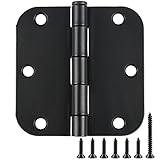
Let’s get down to brass tacks about the actual components that make a box with hinges key or lid function. It sounds straightforward, but there’s a surprising amount of variation that can make or break the usability and longevity of the entire unit. The hinges are arguably the most important moving part. You’ve got different types: butt hinges, continuous (piano) hinges, butt-and-leaf hinges, and recessed hinges, to name a few. For most general-purpose boxes, a good quality butt hinge, or a continuous hinge for longer boxes, made from brass or stainless steel is what you want. They offer good support and, if properly installed, a clean look.
I remember trying to repair a cheap toolbox once. The hinges were made of some pot-metal alloy that had corroded and bent. I tried replacing them with standard cabinet hinges, but the weight distribution was all wrong. It taught me a valuable lesson: the hinges need to be rated for the weight they’re going to bear, and the material matters. Stainless steel or solid brass hinges will resist corrosion and wear much better than plated steel or aluminum. For really heavy-duty applications, like a chest for tools or firewood, you might even need strap hinges or solid quadrant hinges. For something lighter, like a memory box, even a well-made brass butt hinge will do the trick.
Then there’s the lid. It’s not just a flat surface. Its weight, how it seats into the base, and how it’s supported by the hinges all contribute to how the box functions.
A lid that’s too heavy for the hinges will sag. A lid that doesn’t have a proper lip or overlap can let dust and moisture creep in.
Some lids are designed to sit flush, others have a decorative overhang. For security, you want a lid that closes snugly, and for a lock to be effective, the lid and the box body need to align perfectly when closed. I’ve seen boxes where the lid’s edge is rounded, making it impossible for a padlock to get a good grip, or where the latch mechanism is too shallow to engage securely. (See Also: A Box Without Hinges Key )
And of course, the key and lock. This is where ‘security’ often becomes a bit of an illusion. For a keepsake box, a simple latch with a small padlock is often sufficient to deter casual snooping. But if you’re storing anything truly valuable or sensitive, you need to look for more solid locking mechanisms.
Think about drawer locks, cam locks, or even basic deadbolts if it’s a larger cabinet-style box. The material of the lock cylinder and the key also matters; cheap alloys can wear down quickly, making the key hard to turn or even snap off. I once had a small safe with a lock that jammed after only a few uses. It wasn’t a high-security safe, mind you, but it was still infuriating.
The key felt flimsy, and the tumblers were cheap. For a basic box with a key, I look for a lock that feels substantial, with a key that inserts and turns smoothly, without any grinding or excessive play. The hinge and lock system should work in harmony, not against each other.
Common Mistakes When Buying a Hinged Box
One of the biggest blunders people make is prioritizing looks over function. You see a beautifully carved wooden box with ornate hardware and assume it’s built to last. I’ve fallen for this trap more times than I care to admit. Turns out, that intricate carving is often on thin veneer over particleboard, and those fancy hinges are made of brittle pot metal. It looks good on a shelf, but if you actually use it, it falls apart. Don’t be seduced by the shiny exterior.
Another common error is not considering the weight of what you intend to store. If you’re planning to fill a box with heavy tools or books, flimsy hinges and a weak lid will quickly become a problem. Always think about the load-bearing capacity of the box’s construction and its hardware. Underestimating the weight can lead to sagging lids, broken hinges, and a box that’s more of a hazard than a help.
People also often overlook the quality of the locking mechanism if a key is involved. A cheap, flimsy lock might deter a child, but it won’t stop anyone with even a basic set of tools. If security is a concern, invest in a box with a sturdy, well-made lock. Sometimes, it’s better to buy a solid, un-locked box and install your own high-quality lock. This makes sure the lock is as solid as the box itself.
What to Look for: Materials, Construction, and Size
When you’re on the hunt for a box with hinges key or lid, the materials used are your first clue to its quality and durability. Solid wood – like pine, oak, or cherry – is generally a good bet. It’s sturdy, can be finished beautifully, and holds up well to use. However, beware of ‘solid wood’ claims that turn out to be veneer over particleboard or MDF.
Give the box a good shake; if it feels flimsy or hollow, it probably is. For toolboxes or outdoor storage, metal like steel or aluminum can be excellent. Steel offers strength, while aluminum is lighter and corrosion-resistant.
Just make sure any metal box is properly coated or treated to prevent rust. Plastic boxes are often the most budget-friendly and water-resistant, but their durability can vary wildly.
Cheap plastic cracks easily; high-density polyethylene (HDPE) or ABS plastic are generally more resilient.
Construction quality is the next major factor. Look at how the corners are joined. Dovetail joints are a sign of superior craftsmanship in wooden boxes, but well-executed butt joints with screws or dowels can also be very strong. For metal boxes, check the welds or rivets – they should be clean and solid.
The lid itself should be rigid enough not to flex or sag, especially if it’s a larger box. The fit between the lid and the base is important, too. A tight seal, or at least a well-seated lid, will help keep dust and moisture out. I once bought a metal ammo can for storing camping gear, and the rubber gasket around the lid was a big deal for keeping everything dry, even in heavy rain.
It wasn’t just the hinges or the lock; the entire sealing mechanism mattered.
Size is, of course, dictated by your needs, but it’s worth thinking about ergonomics and practicality. A huge, heavy box can be a pain to move. A box that’s too small will force you to cram things in, potentially damaging them. Consider not just the external dimensions but also the internal usable space. (See Also: Are Integrated Washing Machine Door Hinges Standard )
Some boxes have thick walls or internal dividers that reduce the actual storage capacity. Think about how you’ll access the contents.
Will you need to retrieve items frequently? If so, a lid that opens wide and stays open is a must. For a ‘set it and forget it’ storage situation, like storing seasonal decorations, a more basic design might suffice. Here’s a quick rundown of common types and what to expect:
| Box Type | Pros | Cons | Verdict |
|---|---|---|---|
| Solid Wood Box | Durable, aesthetically pleasing, can be repaired | Can be heavy, susceptible to moisture/warping if untreated | Great for keepsakes, jewelry, general storage if well-made. |
| Metal Box (Steel/Aluminum) | Very durable, secure, often weather-resistant | Can be heavy (steel), prone to rust if not coated, can be expensive | Ideal for tools, security-sensitive items, outdoor gear. |
| Plastic Box (HDPE/ABS) | Lightweight, waterproof, affordable | Can be less durable than wood/metal, can degrade in UV light | Good for general storage, garage, or outdoor use where cost is a factor. |
| Veneer/Particleboard Box | Inexpensive, often attractive finish | Low durability, susceptible to damage from moisture/impact | Only for very light-duty, decorative use where longevity isn’t a concern. |
Hinges and Locks: The Devil Is in the Details
Let’s talk about hinges again, because honestly, they’re the unsung heroes or the tragic villains of any box with hinges key or lid. The type of hinge matters for function and aesthetics.
Butt hinges are common for smaller boxes; they’re simple and effective. Continuous or piano hinges, which run the full length of the box, are great for stability and preventing the lid from warping, especially on longer boxes like tool chests or document storage boxes. Then there are decorative hinges – ball-bearing hinges for smoother action, or ornate strap hinges for a rustic look. I once had a vintage steamer trunk with heavy-duty strap hinges that looked amazing and held up the massive lid without a creak.
The key there was solid construction and proper weight distribution.
When you’re checking hinges, look for smooth operation. Do they open and close without binding or excessive force? Are they securely attached? Check for any play or looseness in the hinge pins. For wooden boxes, the screws holding the hinges should be fully seated and not stripped. For metal boxes, look for solid rivets or welds. A hinge that’s already showing signs of wear or corrosion is a bad omen. I learned this the hard way with a metal filing cabinet; the hinges were so flimsy, the drawers would sag if they were more than half-full. It was a constant battle to get them to close properly.
Now, the lock. If your box has a key, what kind of lock are we talking about? A small wafer lock?
A barrel lock? A hasp for a padlock? The effectiveness of the lock depends entirely on its construction and how well it’s integrated into the box. A tiny, cheap wafer lock is more of a deterrent to keep kids from opening things than a real security measure.
If you need actual security, you need a sturdy hasp with holes large enough for a decent padlock, or a built-in lock that feels solid and uses a key mechanism that doesn’t feel like it’s made of play-doh. I’ve disassembled cheap locks that were basically just bent pieces of metal. My advice: if security is important, consider buying a box without a lock and installing your own.
That way, you can choose a lock that meets your specific needs, whether it’s a high-security padlock, a combination lock, or a solid deadbolt for a larger chest.
Here’s a contrarian take: everyone obsesses over the lock for security, but they forget the hinges and the overall construction. I’ve seen boxes with incredibly strong locks that could be easily pried open because the lid was weak or the hinges were flimsy. A thief who wants in will get in. The goal of a good box, even with a lock, is to make it difficult and time-consuming enough that they move on to an easier target. So, don’t just check the lock; check the entire system – the hinges, the lid, the seams, and the material. A well-built box with a moderate lock is often more effective than a poorly built box with a formidable lock.
Real-World Use: Beyond Just Storage
The humble box with hinges key or lid is incredibly versatile. I’ve used them for everything from organizing my workbench clutter to protecting delicate electronics during travel. For my woodworking hobby, I have a sturdy metal toolbox with a reinforced lid and reliable hinges that holds all my key hand tools. It’s been dropped, kicked, and rained on, and it still keeps everything secure and dry. The key isn’t fancy, but the lock mechanism is solid enough to keep curious kids out.
Another practical application I’ve found is for organizing important documents or sentimental items. I have a beautiful, albeit simple, wooden box with a good quality hinge and a basic lock for my passport, birth certificates, and some old family photos. It sits on a shelf in my closet, out of sight but easily accessible.
The lid closes well enough that dust isn’t an issue, and the lock provides a basic layer of privacy. It’s not a fireproof safe, but for everyday security and organization, it’s perfect. (See Also: Are Hinges Wheeels )
My neighbor, a musician, uses a custom-built flight case with heavy-duty hinges and latches to transport his vintage guitar. The whole point is protection and ease of access during gigs, and the hinges are designed to take a beating and keep the lid secure.
The key aspect in these real-world scenarios is that the box serves a purpose beyond just holding things. It actively protects, organizes, and sometimes even adds to the aesthetic. The hinges make sure it opens and closes smoothly for frequent access, and the lid provides a barrier against environmental factors or prying eyes. Even a simple wooden box with a basic lid can be a lifesaver for keeping small, vital items from getting lost or damaged. For instance, I use small, hinged boxes to keep my charging cables and adapters organized at home and when I travel. They prevent the dreaded tangle of wires and make it easy to grab what I need without unpacking everything.
Putting It All Together: Tips for Choosing Wisely
When you’re out shopping for a box with hinges key or lid, remember these practical tips. First, assess your needs. What are you storing? How much weight will it hold? Do you need security, or just organization? This will dictate the materials and construction you should look for. A box for heavy tools needs to be solid; a box for delicate keepsakes needs good padding and a snug lid.
Second, inspect the hardware. Check those hinges. Do they feel solid? Do they operate smoothly? Is the metal pitted or corroded? If it has a lock, does the key fit well? Does the mechanism feel stiff or loose? Don’t be afraid to open and close the lid a few times in the store. Feel the weight of the box itself; cheap materials often feel flimsy. I once bought a supposedly ‘secure’ document box that felt like it was made of cardboard. The hinges were tiny and poorly attached. It was a complete failure.
Third, consider the finish and interior. A good finish protects the material (especially wood) and makes it look better. For items that might scratch easily, like jewelry or polished collectibles, look for a lined interior. Velvet, felt, or foam padding can make a huge difference. If the interior is unfinished wood, be aware it might leave dust or splinters, which could be an issue for delicate items.
Fourth, read reviews and buy from reputable sources. Online reviews can offer insights into the real-world durability and functionality of a box that you can’t always tell from photos. If you’re buying from a physical store, try to get a feel for the craftsmanship. Stores that specialize in woodworking, hardware, or storage solutions are often good places to start. Ultimately, a well-chosen box isn’t just a container; it’s a reliable partner in keeping your belongings safe and organized. If it’s got hinges, a key, or a lid, make sure those parts are built to last.
Frequently Asked Questions About Hinged Boxes
What Are the Best Materials for a Storage Box with Hinges?
The best materials depend on your needs. For durability and aesthetics, solid wood (like oak, pine, or cherry) is excellent, provided it’s properly treated against moisture. Metal, such as steel or aluminum, offers superior strength and security, making it ideal for tools or valuables. High-density plastic (like HDPE or ABS) is lightweight, waterproof, and affordable, suitable for general storage or outdoor use. Avoid particleboard or thin veneer if longevity is a concern, as these materials are less solid.
How Important Is the Quality of Hinges on a Hinged Box?
Hinge quality is extremely important, as they are the primary moving parts of the box. Good hinges allow the lid to open and close smoothly without binding or sagging, and they support the weight of the lid over time. Poorly made or inadequately sized hinges can lead to a wobbly lid, stress on the box’s structure, and premature failure. Look for hinges made from durable materials like stainless steel or solid brass that are securely attached and operate with ease.
What Should I Look for in a Lock for a Box with a Key?
If security is a priority, look for a lock that feels substantial and operates smoothly with its key. For basic deterrence, a simple hasp with holes for a padlock is common, but choose a hasp that can accommodate a decent-sized, solid padlock. If the box has a built-in lock, make sure the key mechanism doesn’t feel flimsy or prone to jamming. For higher security needs, consider a box designed for a deadbolt or a high-security cam lock, or alternatively, purchase a good quality lock separately to install on a well-constructed, un-locked box.
Can a Simple Wooden Box with a Lid Be Secure?
A simple wooden box with a lid can offer a basic level of security, primarily against casual interference or to maintain privacy, especially if it has a lock. However, it is generally not secure against determined intruders or theft. The strength of the security depends on the wood’s thickness, the joinery of the box, the quality of the hinges, and the robustness of the locking mechanism. For true security against forced entry or against environmental damage like fire or water, you would need a specialized safe or reinforced container.
Final Thoughts
So, when you’re staring down the barrel of buying a box with hinges key or lid, don’t get caught up in the marketing hype. Focus on what actually matters: solid construction, reliable hardware, and the right materials for the job you need done. A well-made box isn’t just a place to put things; it’s an investment in keeping them organized and protected for years to come.
My go-to strategy now is to look for a plain, well-built box and upgrade the lock if needed. It’s saved me a lot of frustration and money. Whether it’s for your tools, your memories, or your sensitive documents, a good box is worth the effort to find.
What’s the most unexpectedly useful box you’ve ever found?