I remember the first time I looked at a gallon of two-part epoxy paint. It looked like liquid gold, promising a finish tougher than a drill sergeant’s stare. The can, however, also practically screamed ‘brush or roller only.’ But then I saw a guy online, misting it on like it was watercolor. That’s when the question popped into my head: Can epoxy paint be sprayed? I’ve wasted enough time and money on finishes that flake off faster than a cheap manicure to be skeptical, but also, frankly, to be hopeful.
Most people just slap it on with a roller and call it a day, probably because it’s the easiest route and what the can probably suggests. But easy isn’t always best, especially when you’re dealing with something as unforgiving and potentially messy as epoxy. So, let’s cut through the noise and talk about what actually works, what doesn’t, and if spraying this stuff is a shortcut or a disaster waiting to happen.
Spraying Epoxy Paint: Is It Even Possible?
Alright, let’s get straight to it. Can epoxy paint be sprayed? The short, blunt answer is: yes, you absolutely can spray epoxy paint. But and this is a HUGE ‘but’ – it’s not as simple as just pouring it into your garden sprayer. Most standard epoxy paints, especially the common DIY two-part floor coatings, are formulated for brushing and rolling. They’re thicker, have a longer pot life (the time you have to work with it before it cures), and are designed to level out nicely on their own. Spraying them out of the gate without modification is a recipe for disaster, usually involving clogged tips, uneven coverage, and a whole lot of frustration.
The key here is understanding the viscosity. Paint sprays best when it’s thin enough to atomize properly. Think of it like trying to drink honey through a thin straw – it’s not going to work. Epoxy, in its out-of-the-can state for most consumer-grade products, is far too viscous.
It’s designed to cling to a vertical surface or flow out smoothly on a horizontal one when applied manually. If you try to force it through a spray gun without thinning it, you’ll likely end up with a splattery mess that looks like a bird had a bad lunch on your project. The paint won’t break up into fine droplets; it’ll just come out in globs.
That’s not a finish, that’s an abstract art piece you didn’t intend to create.
However, there are specific epoxy formulations designed for spraying. These are often found in industrial or professional coatings. They are engineered with a lower viscosity or are designed to be thinned with specific solvents to achieve sprayable consistency. If you’re looking at something labeled ‘industrial epoxy’ or ‘high-solids epoxy,’ chances are it’s meant to be sprayed. The DIY stuff? You’re going to need to do some homework and probably some experimentation, which we’ll get into.
I once tried spraying a popular DIY garage floor epoxy because I was in a tearing hurry before a big party. I figured, ‘how different can it be?’ I skipped the thinning step because I was being lazy and thought the sprayer had enough power. Big mistake. It spat out thick, uneven blobs. It looked like I’d thrown oatmeal at my garage floor. I spent the next three hours trying to backroll everything to smooth it out, which mostly just smeared the blobs around. The result was hideous, and I ended up having to scrape and sand off a significant portion of it the next day. Lesson learned: don’t assume it’s a plug-and-play situation.
What Kind of Epoxy Paint Can You Actually Spray?
This is where the rubber meets the road, or rather, where the paint meets the nozzle. Not all epoxy paints are created equal, and certainly not all are formulated with spraying in mind. If you’re aiming for a spray application, your best bet is to look for products specifically advertised as sprayable or industrial-grade epoxies. These are often higher in solids content, meaning there’s less solvent that evaporates, and they’re designed to maintain their integrity when atomized.
For DIYers, the most common encounter with epoxy paint is the two-part floor coating. These are typically high-build coatings designed for durability and chemical resistance on concrete.
While many of these can be thinned to a sprayable consistency, it’s a delicate balance. You need to use the correct thinner recommended by the manufacturer. Using the wrong solvent can compromise the epoxy’s chemical structure, leading to poor adhesion, reduced hardness, or a finish that never cures properly.
I’ve seen people use acetone or generic thinners, and the results are never good. It’s like trying to mix oil and water; the chemistry just doesn’t work out. Always check the product data sheet or the can for thinning instructions. (See Also: Can Craft Foam Be Spray Painted )
If it doesn’t mention spraying or thinning for spraying, assume it’s not recommended, or at least proceed with extreme caution and a test patch.
There are also specialized epoxy coatings, like those used in automotive refinishing or for marine applications. These are often formulated with specific spray characteristics in mind, sometimes being single-component but still epoxy-based, or two-component systems with very precise ratios and thinners. If you’re aiming for a mirror-smooth, high-gloss finish on something other than a floor, you might be looking at these more specialized (and often more expensive) products. They come with detailed instructions for spray application, including recommended tip sizes and pressures. Trying to spray a general-purpose floor epoxy through a high-end automotive spray gun without the right prep and thinning is just asking for trouble.
The key takeaway is to read the label, read the technical data sheet (TDS), and if you’re still unsure, call the manufacturer. For consumer-grade floor epoxies, thinning ratios are usually around 5-10% for spraying, but this can vary wildly. Some might require a specific reducer, while others might suggest a particular type of solvent. Don’t guess. My rule of thumb? If the can doesn’t explicitly mention spraying or provide thinning recommendations for spraying, I’m either sticking to a roller, or I’m doing a very small test area first. I once spent $180 on a gallon of epoxy that I completely botched trying to spray because I ignored the “brush and roll only” warning. It looked like a bad paint-by-numbers project.
Setting Up for Success: The Right Tools and Prep
So, you’ve decided to go for it – you’re going to spray your epoxy paint. Awesome. Now, let’s not mess it up with the wrong gear or a half-assed prep job. The prep for spraying epoxy isn’t just about making the surface look good; it’s about making sure the paint actually sticks and cures correctly, especially when you’re dealing with the potentially tricky nature of two-part systems.
For concrete floors, this means thorough cleaning and etching. You need to get rid of any oil, grease, old sealers, or contaminants. A degreaser followed by an acid etch (usually phosphoric or citric acid) is standard.
Rinse thoroughly and let it dry completely – I mean bone dry. Moisture is the enemy of epoxy.
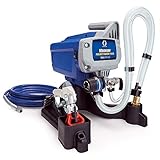
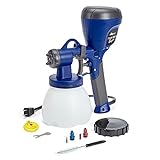
When it comes to the spraying equipment, you’re not going to be using your basic homeowner airless paint sprayer for most epoxy coatings. These paints are heavy and often contain aggregates or fillers that can clog even larger tips. You’ll likely need an HVLP (High Volume, Low Pressure) sprayer or a specialized industrial airless sprayer.
For smaller projects or thinner epoxy formulations, a good quality HVLP gun with a larger tip (say, 1.8mm to 2.5mm, depending on the paint) can work. For larger areas like garage floors, a professional-grade airless sprayer with a tip designed for thicker coatings (like a 517 or 519 tip for floor epoxies) is more appropriate.
These guns are built to handle higher viscosity materials and deliver a more consistent spray pattern.
Beyond the sprayer itself, you’ll need a good respirator with organic vapor cartridges. Epoxy fumes are no joke. They can make you lightheaded, nauseous, and cause long-term respiratory issues. Don’t skimp on safety gear. Goggles are a must, too, to protect your eyes from stray mist. Also, consider a spray suit or old clothes you don’t care about, because you will get paint on yourself. Masking off areas you don’t want painted is also important. Epoxy overspray can be incredibly difficult to remove from surfaces it’s not intended for. I learned this the hard way when a rogue gust of wind carried a fine mist onto my neighbor’s pristine white patio furniture. Let’s just say that conversation was… uncomfortable.
Finally, the mixing of the epoxy itself is most important. Two-part epoxies have a specific mix ratio, and it must be exact. Too much of one part and it won’t cure right; too little and it’ll be weak. Use a drill with a mixing paddle and mix for the time specified – usually 2-3 minutes. Scrape the sides and bottom of the container to make sure everything is incorporated. Once mixed, the clock starts ticking (the pot life). For spraying, you might want to mix smaller batches than you would for rolling, especially if you’re new to it, to avoid having it cure in your paint pot. (See Also: Can Aluminum Be Spray Painted )
Common Mistakes When Spraying Epoxy Paint
Mistake number one? Not thinning it enough, or at all. We’ve beaten this horse, but it’s worth repeating because it’s the most common failure. The paint comes out thick, spattery, and looks like a melted crayon disaster. Mistake number two is thinning it too much. This is where you kill the structural integrity of the epoxy. It might spray beautifully, but it’ll never harden properly, and you’ll have a soft, gummy finish that peels off if you look at it wrong. It’s a fine line, and without testing, you’re just guessing.
Another huge mistake is not preparing the surface properly. If you’re spraying epoxy on a dirty, greasy, or improperly etched concrete floor, it doesn’t matter how perfectly you spray it; it will delaminate.
The epoxy needs a clean, porous surface to bond to. Think of it like trying to glue two pieces of glass together versus gluing two pieces of rough wood – the wood will hold much better. Degreasing and etching create that rough, receptive surface.
I once saw a guy spray a beautiful, even coat of epoxy onto a floor that hadn’t been cleaned properly. Within a week, large sections started bubbling and peeling up like a bad sunburn. He blamed the paint, but the reality was the prep was garbage.
Not cleaning your spray equipment thoroughly is also a major pitfall. Epoxy cures hard and fast. If you let it dry in your spray gun, you’ll likely need to buy a new one. Flush it immediately with the recommended solvent after each use. And I mean immediately. Don’t think, ‘I’ll get to it later.’ Later will be too late. Lastly, working in conditions that are too cold, too hot, or too humid can ruin your epoxy job. Most epoxies have a specific temperature range for application and curing. Exceeding or falling below these can lead to improper curing, poor adhesion, and a weak finish. Always check the product’s temperature and humidity requirements.
| Mistake | Verdict | Why It’s Bad |
|---|---|---|
| Not thinning enough | Major F | Chunky, uneven spray, poor atomization |
| Thinning too much | Major F | Weak, soft finish, no durability |
| Poor surface prep | Major F | Delamination, bubbling, premature failure |
| Not cleaning sprayer | Major F | Clogged gun, ruined equipment |
| Incorrect environmental conditions | Major F | Improper curing, weak bond, poor finish |
Real-World Use Cases and Tips
So, where does spraying epoxy paint actually make sense? Garage floors are the obvious big one. While rolling is common, spraying can give you a more uniform coating, especially if you’re trying to achieve a specific visual effect or if the floor has a lot of nooks and crannies. You can get into all the corners and edges more easily.
For decorative flake floors, spraying the clear topcoat can help distribute the flakes more evenly. Another area is industrial settings – factory floors, warehouses, commercial kitchens.
Here, the durability and ease of cleaning are most important, and spraying allows for quick application over large areas. You see it on concrete walls in parking garages or basements too, where a durable, washable surface is needed.
When I sprayed epoxy on my basement floor, I found that using a sprayer allowed me to get a nice even coat around the drain and the support posts without having to do a ton of awkward cutting in with a brush. It saved me a good hour of contorting myself into weird positions. The key was thinning it correctly – I used about 8% of the manufacturer’s recommended solvent, tested on a scrap piece of cardboard first to get the spray pattern right. It was a much smoother process than I anticipated, and the finish was consistent.
A few practical tips for spraying epoxy: First, always do a test spray. Use a large piece of cardboard or a hidden section of the surface. Adjust your pressure and fluid flow until you get a fine, even mist. You want to see “breakup” of the paint, not just splatters. Second, maintain a consistent distance from the surface – usually about 8-12 inches, depending on the sprayer and paint. Move your arm in a smooth, sweeping motion, and overlap each pass by about 50%. This makes sure even coverage and avoids “holidays” (missed spots).
Third, work in manageable sections. Epoxy has a limited pot life, and once you start spraying, you need to keep moving. Don’t try to do the entire garage in one go if you’re not experienced. Break it down into sections that you can spray and backroll (if needed) within the pot life. (See Also: Can Bug Spray Damage Car Paint )
Fourth, if you’re using a two-part system, mix it in the recommended container and pour it into your spray gun’s pot or hopper just before you’re ready to spray. Don’t let it sit and cure in your paint pot.
Finally, ventilation is your best friend. Make sure the area is well-ventilated, but also be mindful of wind if you’re spraying outdoors or in an open garage. A slight breeze can carry overspray where you don’t want it.
Can Epoxy Paint Be Sprayed? The Verdict After Years of Abuse
After years of tinkering with paints, coatings, and various application methods, I can confidently say that while you can spray epoxy paint, it’s not always the best or easiest option, especially for the average DIYer. The temptation to grab a sprayer and blast away is strong, especially when you’re facing a large area like a garage floor. However, the success hinges entirely on the type of epoxy and your willingness to do the prep work and understand the material’s properties. If you’re using a consumer-grade, brush-and-roll formulated epoxy, spraying it without proper thinning and testing is a gamble that usually doesn’t pay off. You’re far more likely to end up with a mess that requires more work to fix than if you’d just used a roller.
On the flip side, if you’ve got a high-solids industrial epoxy or a product specifically designed for spray application, then yes, spraying can be a fantastic way to get a smooth, uniform, and professional-looking finish. The key is using the right equipment – an appropriate airless or HVLP sprayer – and meticulously following the manufacturer’s instructions for thinning and application. This is where the cost of specialized equipment might actually save you time and headaches in the long run. I learned this when I tried to spray a different kind of epoxy on some industrial shelving.
It was a specific product for metal, and the can clearly said “spray recommended.” It went on like a dream, perfectly even, no drips, and dried rock hard.
That was a case where the product and the method were a perfect match.
For most people tackling a weekend project, the learning curve and potential for disaster with spraying standard epoxy paints are high. You need to be comfortable with thinning ratios, spray gun adjustments, and the very real possibility of needing to fix mistakes. My advice? Unless the product explicitly states it’s sprayable or you’re dealing with a commercial-grade product meant for spraying, stick to the roller. It’s forgiving, predictable, and you’ll likely get a much better result with less stress. If you’re determined to spray, do your homework, buy a test can, and practice. A few hours of practice on scrap material can save you days of frustration and a costly redo.
Frequently Asked Questions About Spraying Epoxy
Can I Spray Standard Two-Part Epoxy Floor Paint?
Yes, but with significant caveats. Standard DIY two-part epoxy floor paints are typically formulated for rolling and brushing. To spray them effectively, you MUST thin them with the manufacturer-recommended solvent to the correct viscosity. Thinning too much will weaken the coating; not thinning enough will result in poor atomization and a spattery finish. Always test spray on scrap material first.
What Kind of Sprayer Do I Need for Epoxy Paint?
For most thicker epoxy coatings, especially on floors, you’ll need a professional-grade airless sprayer with a tip size suitable for thicker materials (e.g., 517 or 519). For thinner, specialized epoxies, a good quality HVLP sprayer with a larger nozzle (1.8mm-2.5mm) might suffice. Standard homeowner sprayers are generally not powerful enough or designed to handle the viscosity and potential aggregates in epoxy paints.
How Do I Thin Epoxy Paint for Spraying?
Always refer to the manufacturer’s technical data sheet (TDS) or product label for thinning instructions. Typically, it involves adding a specific solvent (like xylene, MEK, or lacquer thinner) in a ratio of 5-10% by volume. Over-thinning is a common mistake that compromises the paint’s performance. It’s important to test the viscosity and spray pattern on scrap material before painting your actual project.
Is It Better to Spray or Roll Epoxy Paint?
For most DIY applications, rolling epoxy paint is generally better because it’s more forgiving, requires less specialized equipment, and results in a more predictable finish. Spraying can offer a smoother, more uniform appearance, especially on large or complex surfaces, but it demands precise thinning, the right equipment, thorough prep, and a higher tolerance for potential mistakes. If the product isn’t specifically designed for spraying, rolling is usually the safer bet.
Verdict
So, can epoxy paint be sprayed? You bet. But that doesn’t mean you should, especially with every type of epoxy out there. The DIY floor coatings you pick up at the big box store are usually best left to rollers and brushes unless you’re ready to experiment and potentially redo your work. The magic happens when you have a product designed for spraying, or you’re willing to meticulously test thinning ratios and use the right equipment. If you’re going to spray, invest in good safety gear, practice on scrap, and don’t rush the prep work. A little patience now saves a whole lot of headaches later.
Ultimately, the method you choose should align with the product you’re using and your own comfort level. For me, most of the time, a good quality roller and a steady hand get me where I need to be without the added stress of spray gun adjustments and overspray worries. But if you’re feeling brave and have the right setup, a well-sprayed epoxy finish can look phenomenal.