I remember staring at that hideous floral wallpaper in my first rental. It was the kind of pattern that made you feel nauseous just looking at it. My landlord said, ‘Just paint over it!’ Yeah, right. I tried that, and it looked like a bubbly, lumpy mess. So, the big question I wrestled with back then was: can you use a steam mop to remove wallpaper? I was desperate, and the thought of scraping for days sounded like pure torture. I’d seen steam cleaners tackle all sorts of grime, so surely, it could handle some old paper glued to a wall?
It’s funny how we latch onto ideas that sound too good to be true. The internet is full of ‘hacks’ that end up costing you more time and money than the ‘old-fashioned’ way. I’ve been cleaning houses and fixing things around my own place for years, and trust me, I’ve wasted a small fortune on gadgets that promised the world and delivered… well, not much.
Does Steam Actually Loosen Wallpaper Adhesive?
So, can you use a steam mop to remove wallpaper? The short answer is: sometimes, and with a big ‘it depends.’ Here’s the deal: wallpaper adhesive, especially the older stuff, is designed to be strong. When it was first applied, it needed to hold that paper firmly to the wall, resisting gravity and whatever else life threw at it. Steam works by introducing moisture and heat. The heat softens the adhesive, and the moisture helps to break down its bonds. For certain types of wallpaper and certain types of glue, this can be incredibly effective. Think of it like softening dried-on food in a pan; a little heat and moisture can make a big difference.
However, not all wallpaper is created equal, and neither is all adhesive. Vinyl-coated wallpaper, for instance, has a plastic layer. This coating can act as a barrier, preventing the steam from penetrating effectively to reach the adhesive underneath. You might end up just steaming the surface layer, making it gooey and messy without actually loosening the paper. Then there’s the backing paper itself. If it’s a thicker, more solid paper, it can soak up the steam and become a sodden, heavy mess that’s just as hard to get off, if not harder, because it’s now sticky and mushy.
I learned this the hard way in my parents’ old house. They had this dated, textured wallpaper in the dining room that I was determined to get rid of before a family gathering. I bought a handheld steam cleaner, thinking I was a genius. I pointed the nozzle at a corner, and… nothing much happened.
The steam just sort of beaded up on the vinyl surface. I tried holding it there longer, and the vinyl started to bubble and peel, but the paper underneath was still stubbornly attached, now with a sticky, vinyl goo all over the place. It was a total mess. I ended up having to scrape off the vinyl bits and then go back to hot water and a scraper.
Lesson learned: understand your wallpaper first.
What Kind of Steam Mop Should You Even Consider?
Okay, so if you’re going to try this, what are you looking for in a tool? First off, a full-blown floor steam mop, the kind you push around on the floor, is usually overkill and not really designed for vertical surfaces. The water tank is too big, it’s unwieldy, and the pad on the bottom isn’t ideal for targeted steam application on walls. What you might want to look at is a handheld steam cleaner or a multi-purpose steam cleaner that comes with various attachments, including a nozzle or a small, flat plate attachment. These are designed for more focused steam application, which is what you need for walls.
The key feature is control. You want to be able to direct the steam precisely where you need it. (See Also: Does Judarn Wallpaper Remove Easily )
A wider floor pad is going to blast steam everywhere, potentially damaging drywall or plaster if you hold it too long. A narrow nozzle or a small scraper attachment that fits over the steam outlet is your friend here. Think about how much steam it produces.
Too much, and you risk saturating the wall. Too little, and it won’t be effective.
I’ve seen some of the cheaper, all-in-one steam mops that barely produce any usable steam after a minute of heating up. You want something with a decent reservoir that can produce consistent steam for at least 10-15 minutes before needing a refill. And for the love of all that is holy, make sure it has a safety lock on the trigger.
Nobody needs scalding steam erupting unexpectedly.
I’ve personally used a multi-purpose steam cleaner, the kind that looks like a small vacuum cleaner with a hose and attachments. It worked okay for small patches, especially on older, porous wallpaper. The trick was using the small flat nozzle attachment, holding it about an inch away from the wall, and letting the steam do its work for about 15-20 seconds before gently trying to lift an edge with a plastic scraper. It wasn’t a miracle cure, but it was better than just dry scraping. The whole process of setting it up, waiting for it to heat up, steaming, and then scraping took longer than just getting out the hot water and a good scraper for my first attempt.
Can You Use a Steam Mop to Remove Wallpaper?
Yes, you can use a steam mop or, more accurately, a handheld steam cleaner with appropriate attachments to help remove wallpaper. The effectiveness depends heavily on the type of wallpaper, the adhesive used, and the specific steam cleaner’s capabilities. It’s best suited for older, porous wallpapers and may struggle with vinyl-coated or heavily sealed types.
The Actual Process: How to (maybe) Make It Work
Alright, if you’re determined to give steam a shot, here’s how I’d go about it. First, prep the room. Cover EVERYTHING. Floors, furniture, light fixtures, anything you don’t want dripping wet or covered in sticky paper paste. You’ll need plastic sheeting and painter’s tape. Open windows for ventilation. Seriously, get some air moving. Then, test a small, inconspicuous area. This is a must. You need to see how the wallpaper reacts to the steam. Does it get mushy and fall off? Does the vinyl bubble? Does the drywall behind it start to look soft and sad?
If your test area looks promising, get your steam cleaner ready. Use the most focused nozzle attachment you have. Hold it about an inch from the wall and let the steam work on a section for about 15-30 seconds. Don’t blast it for minutes on end. (See Also: Does Peel And Stick Wallpaper Damage Walls When Removed )
You’re trying to loosen, not boil the wall. Once you’ve steamed a manageable section, immediately grab a plastic wallpaper scraper or a putty knife. Gently try to lift an edge.
If it’s not budging, steam a little more, but be patient. If the paper starts tearing into tiny little pieces, that’s usually a sign the steam is working, but you might need to use a scoring tool first. Score the wallpaper lightly in a criss-cross pattern (don’t go through to the drywall!).
This perforates the surface, allowing the steam to penetrate better. It looks ugly, but it helps.
After you’ve steamed and scraped a section, you’ll likely have some adhesive residue left. This is where most people get frustrated. Steam might not get all of it. You might need to switch to a hot water and fabric softener solution (about 1/4 cup fabric softener to a gallon of hot water) or a dedicated wallpaper stripper solution. Let that soak for a bit, then scrape again. It’s rarely a one-step process. I once spent two full days in a small bathroom, and I swear half of that time was just wiping off stubborn bits of glue. The steam helped get the bulk of the paper off, but the adhesive was a whole other battle.
Common Mistakes and Why Steam Mops Fail
The biggest mistake people make is thinking a steam mop is a magic wand. They grab their floor steamer, blast away, and get frustrated when it doesn’t instantly peel off like in a YouTube video. Here’s why it often fails:
- Wrong Wallpaper Type: Vinyl, foil, or washable wallpapers have coatings that prevent steam from penetrating to the adhesive.
- Wrong Tool: A floor steam mop is too bulky and hard to control for vertical surfaces. Handheld steamers with focused nozzles are better.
- Too Much Steam / Too Long: Over-saturating the wall can damage drywall, plaster, or even the paint underneath. It can also make the paper turn into a gooey, unmanageable paste.
- Not Enough Patience: Steam might loosen the paper, but stubborn adhesive often requires a secondary treatment.
- Ignoring the Scraper: Steam is just the first step; you still need to scrape.
- Not Testing: Jumping in without testing a small area is a recipe for disaster and uneven damage.
I saw a neighbor try this in their kitchen. They had a newer, sealed wallpaper. They used their upright steam mop, holding the steaming head against the wall for what felt like an eternity. The vinyl bubbled up, started peeling in weird, melted-looking patches, and the paper underneath was still firmly stuck. They ended up with a sticky, bubbly, half-removed mess that looked ten times worse than the original wallpaper. They had to call a professional to fix it, which cost them way more than if they’d just scraped it dry or used a proper stripper solution from the start. It’s a classic case of trying to find the easiest way and ending up with the hardest way.
The Verdict: Is It Worth the Hassle?
So, after all that, can you use a steam mop to remove wallpaper? Yes, you can, but is it the best or easiest method? Rarely. For most situations, especially with modern wallpapers, a combination of hot water, a good stripping solution, and a sturdy scraper is still the most reliable and cost-effective method. The steam mop approach is best reserved for older, more porous, non-vinyl wallpapers where the adhesive might be more susceptible to heat and moisture. Even then, it’s usually just the first step, not the entire solution.
Honestly, I’d only recommend trying the steam method if you have a handheld steamer already and you’re dealing with paper that you know is likely to come off easily with moisture. If you don’t have one, I wouldn’t go out and buy an expensive steam cleaner just for wallpaper removal. You’d be better off investing in a good quality scraper, some scoring tools, and a potent wallpaper stripper solution. I’ve seen too many people get excited about the idea of steam and end up with a soggy, sticky, damaged wall. It’s often more trouble than it’s worth for the average homeowner. (See Also: Can You Use Removable Wallpaper On Desk )
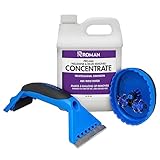
For me, the learning curve and the potential for damage outweigh the benefits in most cases. I’ve tried it on a few projects, and while it can work, it’s never been the ‘wow, this is so easy’ experience I hoped for. It’s messy, time-consuming, and often requires follow-up work anyway. My go-to method now is usually a good scoring tool, plenty of hot water mixed with a dedicated stripper (the powdery kind you mix yourself is usually better than the pre-mixed liquid stuff), a wide scraper, and a lot of patience. It’s not glamorous, but it gets the job done without the extra risk of damaging your walls with too much steam.
Frequently Asked Questions (faq)
How Long Should I Steam the Wallpaper?
You should only steam a section of wallpaper for about 15-30 seconds at a time. Holding the steamer too close or for too long can oversaturate the wall, potentially damaging the drywall or plaster underneath. The goal is to soften the adhesive, not to soak the wall.
What Type of Wallpaper Is Easiest to Remove with Steam?
Older, porous, and un-coated wallpapers are generally the easiest to remove with steam. If the wallpaper has a vinyl coating, a foil surface, or is specifically labeled as “washable” or “strippable” (meaning it has a special backing that might resist steam), steam might not be effective or could cause damage.
What If the Steam Doesn’t Remove the Wallpaper?
If steam alone doesn’t work, you’ll likely need to resort to other methods for removing stubborn wallpaper and adhesive. This typically involves using a wallpaper scoring tool to perforate the paper, followed by a hot water and fabric softener solution or a commercial wallpaper stripper, and then using a scraper to remove the loosened paper and adhesive.
Can Steam Damage My Drywall?
Yes, excessive steam can definitely damage drywall. If you oversaturate the wall, the moisture can weaken the paper facing of the drywall, and in severe cases, can even cause the gypsum core to break down. This leads to soft spots, crumbling, and the need for significant repairs.
Verdict
So, after all the scraping, steaming, and cursing, the verdict on whether you can use a steam mop to remove wallpaper is a resounding ‘it depends.’ It’s not the magic bullet many hope for, especially with modern, resilient wallpapers. While a handheld steamer can be a helpful tool for certain types of paper, it’s rarely the whole solution.
For most people, sticking to the tried-and-true methods of scoring, hot water with a stripper, and a good scraper will save you time, frustration, and potential wall damage. Don’t buy a fancy steam cleaner just for this job unless you’re dealing with a known easy-to-remove paper, and even then, test it first. The reality is, wallpaper removal is usually a labor of love (or necessity), and steam isn’t always the shortcut you’re looking for.
If you’re facing a wall of particularly stubborn wallpaper, consider whether the cost and time of experimenting with steam are worth it compared to investing in a proven stripping agent and good scraping tools. Sometimes, the old ways are the best ways, even if they are a bit more work.