I remember staring at that hideous floral wallpaper in my first apartment, convinced I could peel it off like a giant sticker. Spoiler alert: I couldn’t. It just came off in tiny, infuriating strips, leaving behind a gluey mess that mocked me. That’s when I first seriously asked myself: does hot water remove wallpaper? It’s a question that haunts DIYers everywhere, and the answer isn’t as simple as turning on the tap.
Many people swear by it, others dismiss it as a myth. I’ve been there, done that, and bought the stupid steamer I never use again. So, let’s cut through the noise and talk about what actually works, what’s a waste of time, and how to avoid ending up with a wall that looks worse than when you started.
The ‘hot Water Method’: How It’s Supposed to Work
Look, the basic idea behind using hot water for wallpaper removal is simple physics and chemistry, though sometimes it feels more like wishful thinking. The heat and moisture are supposed to work together to break down the adhesive holding the wallpaper to your wall. Think of it like softening old glue with a bit of warmth. When the adhesive gets soft and pliable, the wallpaper should theoretically peel away much more easily.
The water acts as a solvent, and the heat increases the solubility of certain types of wallpaper paste. Most common wallpaper adhesives are water-soluble to some degree, meaning they’ll swell and loosen up when exposed to enough moisture.
This is especially true for older, vinyl-backed wallpapers, where the vinyl layer can sometimes prevent the water from penetrating effectively. In those cases, you often need to score the wallpaper first to give the water a way in. I learned this the hard way in a bathroom that seemed to have wallpaper that defied all logic; it was like trying to soak a plastic tarp. Scoring it first made a world of difference.
It’s not about blasting it with boiling water, which can damage your drywall, but about a steady, warm application.
The process usually involves mixing some sort of solution – sometimes just plain hot water, other times with a bit of dish soap or a specialized wallpaper stripping solution added in. The solution is then applied to the wallpaper, usually with a sponge or a spray bottle, and allowed to soak for a period of time.
The longer it soaks, the more it’s supposed to soften the paste. This is where patience comes in, and frankly, where many people lose it.
Waiting for glue to dissolve feels like watching paint dry, only with the added risk of water damage if you overdo it. You’re basically trying to rehydrate the old glue until it loses its grip. Some people even swear by using a garden sprayer for better, more even coverage, which I’ve found can be effective if you’re careful not to oversaturate.
The temperature of the water matters. Lukewarm is generally recommended. Too hot, and you risk scorching yourself or, more importantly, damaging the drywall behind the paper.
Too cool, and it won’t be effective enough. It’s a balancing act. The goal is to make the paste gooey, not to turn your living room into a sauna.
Some folks even use a wallpaper steamer, which is basically a glorified kettle that directs steam at the wall. While steamers can be very effective, they also carry a higher risk of water damage and can be overkill for simple jobs. For most situations, a good old-fashioned sponge and bucket of hot water, or a spray bottle, will do the trick, provided the paste is receptive to it.
When Hot Water Actually Works (and When It Doesn’t)
So, does hot water remove wallpaper? Yes, but with a giant asterisk the size of your living room. It’s not a magic bullet, and its effectiveness hinges entirely on two main factors: the type of wallpaper and the type of adhesive used. If you’ve got old, unsealed, paper-backed wallpaper with a water-soluble paste, hot water can be your best friend. I once tackled a bedroom in my parents’ house that had this thin, almost papery wallpaper from the 70s. A few passes with a warm sponge, and it rolled off in huge, satisfying sheets. It felt almost too easy, and I was suspicious, wondering if I was missing something. But nope, that paste was just begging to be dissolved.
However, if you’re dealing with vinyl-coated wallpaper, foil-backed wallpaper, or anything with a more modern, synthetic adhesive, hot water alone might just be a frustrating exercise in making things damp. Vinyl and foil act as moisture barriers. The water beads up and runs off instead of soaking in and softening the paste.
This is where you’ll need to score the wallpaper. Get yourself a scoring tool – they have little wheels that poke tiny holes.
You can’t just hack away at it like you’re trying to win a fight; you need to be gentle enough not to gouge the drywall but thorough enough to allow the water in. I learned this lesson the hard way in a rental property with thick, washable wallpaper. I spent hours just spraying water, getting nowhere, feeling like a complete idiot. It wasn’t until I grudgingly bought a scorer that I saw any progress. (See Also: Does Judarn Wallpaper Remove Easily )
That was an expensive lesson in reading the room, or rather, the wallpaper.
The other big variable is the paste itself. Older pastes were often flour-based or similar natural products that break down quite readily with water. Modern adhesives, especially for higher-end or specialty wallpapers, can be much more resilient and designed to withstand moisture. In these cases, hot water might only soften the surface layer, leaving you with a sticky residue that’s even harder to remove than the original paper. You might find yourself using a chemical stripper, a steamer, or a lot more elbow grease. Sometimes, the ‘hot water method’ is really just step one in a multi-step process. You get the bulk of the paper off, but then you’re left with the glue itself, which often requires a different approach.
Here’s a quick rundown of what’s usually doable with hot water and what’s not:
| Wallpaper Type | Adhesive Type (General) | Hot Water Effectiveness | Verdict |
|---|---|---|---|
| Standard Paper-backed | Water-soluble (flour, starch-based) | High | Often works well with minimal effort. |
| Vinyl-coated | Water-soluble (often more resilient) | Medium (requires scoring) | Scoring is important. May leave residue. |
| Foil/Metallic | Water-soluble (highly resistant) | Low (requires scoring and usually strippers) | Scoring is a must, but expect to use chemicals. |
| Fabric-backed | Synthetic/Resilient | Low to Medium (requires scoring and chemicals) | Treat similar to vinyl, but paste is tougher. |
| Peel-and-stick (removable) | Low-tack adhesive | N/A (designed to peel) | Don’t soak; just peel. |
So, while the answer to does hot water remove wallpaper is technically yes in some scenarios, it’s far from a universal solution. It’s more of a starting point, a gentle approach that can work wonders on the right kind of paper but might leave you frustrated and sticky on others.
The Tools of the Trade: What You Actually Need
If you’re going to tackle wallpaper removal, and you’re considering the hot water route, don’t just grab a bucket and hope for the best. You need the right gear. I learned this the hard way. My first attempt involved a bath towel and a lot of splashing, which resulted in more water on the floor than on the wall and zero progress. It was pathetic. Having the proper tools makes a massive difference, and honestly, it doesn’t cost an arm and a leg.
First up, you need something to apply the hot water solution effectively. A good quality garden sprayer is my go-to. It allows for even application, you can control the spray pattern, and it holds enough liquid that you’re not constantly refilling.
Just make sure it’s a clean one, and ideally, one you won’t use for weed killer again unless you want your wallpaper paste to taste like Roundup. Alternatively, a large sponge works, but it’s messier and harder to get consistent coverage. A dedicated wallpaper wetting solution can be mixed in, or sometimes a bit of dish soap (just a tiny bit) helps break the surface tension of the water, allowing it to penetrate better.
I’ve tried everything from specialized strippers to just Dawn, and honestly, for most paper-backed stuff, plain hot water with a drop of Dawn is surprisingly effective. For tougher jobs, a commercial stripper is worth the splurge, but always test it in an inconspicuous spot first.
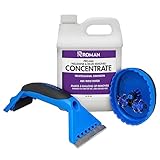
You’ll absolutely need a scoring tool if the wallpaper isn’t porous enough for the water to penetrate. These little gadgets have rotating blades that perforate the wallpaper without damaging the drywall underneath. This is a must for vinyl or foil-backed papers. Don’t skimp here; a cheap one might snag or tear the paper unevenly, making your life harder. A decent one costs maybe $15-$20 and is worth every penny. You’re looking for tiny pinpricks, not gashes. The goal is to create a pathway for the water.
Next, you need scrapers. And not just one. I recommend having a set of putty knives and a wider drywall scraper. A flexible putty knife is good for getting under edges and lifting loose sections. A wider, stiffer scraper is better for pushing off larger areas once the paste is softened. Again, a cheap one will bend and warp, and you’ll end up gouging your walls. Invest in decent metal ones. I also keep a small utility knife with plenty of sharp blades handy for trimming around corners, outlets, and switches. Dull blades will tear and snag, so have spares.
For dealing with the inevitable mess, heavy-duty garbage bags or contractor bags are a must. You’ll be creating a lot of wet, soggy paper. Have them ready to go. Old towels or drop cloths are also key for protecting your floors and any furniture you can’t move. Seriously, don’t underestimate the mess. Water and old glue get everywhere. Some people swear by a wallpaper steamer, and while they are powerful, they can also be a real pain to maneuver and can lead to over-wetting and drywall damage if you’re not careful. For a standard room, I find a sprayer and a good set of scrapers are more than sufficient, less risky, and far easier to manage.
Finally, safety first. Wear gloves to protect your hands from the hot water and any chemicals. Safety glasses are a good idea too, especially when scraping or if you’re using a sprayer where mist could get in your eyes. A respirator might be necessary if you’re using strong chemical strippers, but for just hot water, it’s usually not needed. The key is to be prepared, have the right tools for the job, and understand that this isn’t a one-tool operation. It’s a process that requires a few different items to get done right.
Common Mistakes That Make You Cry (and Waste Money)
Alright, let’s talk about the mistakes. Oh, the mistakes I’ve made. When I was younger and stupider, I thought wallpaper removal was simple. Just spray some water and peel, right? Wrong. So gloriously wrong. I once spent an entire Saturday trying to strip a kitchen wallpaper, armed with nothing but a spray bottle and determination. By 5 PM, I had a few square feet of soggy paper hanging off the wall like a bad mood, and my entire kitchen looked like a water fight had gone terribly awry. That’s when I realized just how much I didn’t know.
Mistake number one: Not identifying the wallpaper type and paste. This is huge. Like I said, hot water is great for some papers, useless for others.
If you’re aggressively spraying hot water on vinyl wallpaper without scoring it, you’re just wasting your time and making a mess. The water won’t penetrate. You’ll end up with damp, sticky frustration. (See Also: Does Peel And Stick Wallpaper Damage Walls When Removed )
Always assume you’ll need to score it unless it’s obviously very old, porous paper. My second big mistake was using too much water, or worse, using water that was too hot. You don’t need to scald yourself or turn your drywall into papier-mâché.
Excessive water saturation can weaken the drywall, leading to gouges and tears when you scrape. It can also seep into electrical boxes or around plumbing if you’re not careful.
Moderation is key. Warm, not scalding, and applied evenly, not in puddles.
Another classic blunder is not letting the solution soak long enough. The paste needs time to break down. If you’re impatient and start scraping too soon, you’ll be fighting it every step of the way. I’ve been guilty of thinking, “This isn’t working, I’ll just try scraping harder.” That usually ends in gouged walls and broken scrapers. Give it at least 10-15 minutes per section, sometimes longer, depending on the wallpaper and paste. Patience is a virtue, especially when dealing with stubborn glue.
People also often underestimate the mess. They don’t lay down enough protection for the floors or furniture. Then they’re tracking wet, sticky paper scraps all over the house. Always use heavy-duty drop cloths or plastic sheeting and tape them down. And have those contractor bags ready. You’re going to be generating a lot of wet debris. Also, a common mistake is using dull scraping tools. A dull blade or putty knife will just tear the wallpaper and the underlying paper facing of the drywall. You’ll end up with a rough, damaged surface that needs a lot of sanding and patching. Keep your scrapers sharp and your putty knives in good condition.
Lastly, and this is a big one I see over and over: people try to remove the wallpaper in one go. They attack it with everything they have, get exhausted, and then give up, leaving a half-stripped disaster. Wallpaper removal is often best done in stages. Get the top layer of paper off, then deal with the glue residue. Trying to do both simultaneously, especially with tough adhesives, is a recipe for disaster. You’ll end up with a sticky, uneven mess that’s a nightmare to paint over. Plan for at least two distinct phases: paper removal, then glue removal. This approach will save you a lot of headaches and make your final painting or re-wallpapering much smoother.
Real-World Application: My Own Battles with Stubborn Walls
I’ve been knee-deep in wallpaper removal more times than I care to admit. There was the time I bought a fixer-upper, and the previous owner apparently believed that wallpaper was a structural element.
It was layered on thick, multiple patterns on top of each other, like a historical record of bad taste. My initial thought was, “Hot water will fix this.” Oh, how naive I was. I soaked and scrubbed for hours, achieving little more than dampening the top layer of what felt like industrial-grade vinyl.
My hands were raw, my back ached, and I’d made maybe two square feet of progress. That’s when I learned that “does hot water remove wallpaper” is a question that requires a very nuanced answer, heavily dependent on the wallpaper’s DNA.
My breakthrough came when I finally accepted that this wasn’t a simple job. I invested in a proper wallpaper steamer. It was a beast, and honestly, a bit intimidating.
The sheer amount of steam it produced was incredible. I worked section by section, holding the steam plate against the paper for a minute or two, then immediately following with a wide scraper. The steam softened the adhesive instantly, and the paper slid off in massive sheets.
It was dramatic, messy, and incredibly effective. The downside? The cost of the steamer (around $150 for a decent rental-grade one) and the significant risk of water damage if you’re not careful. I had a couple of close calls where I oversaturated an area, and I could see the drywall paper starting to bubble.
It taught me that while steam is powerful, it requires a lot of respect and careful handling.
On another project, a small bungalow with surprisingly standard, albeit dated, wallpaper, the hot water and scoring method worked like a charm. I used a spray bottle filled with hot water and a squirt of dish soap. I’d spray a section, let it sit for about 10 minutes, score it lightly, and then the wallpaper would peel away in long strips with minimal scraping. It was almost… pleasant.
I remember thinking, “This is what people mean when they say hot water works!” The whole job took maybe six hours, and the walls were relatively clean afterward, just needing a light wash to remove residual paste. This experience solidified my belief that the type of wallpaper and paste is the absolute deciding factor. (See Also: Can You Use Removable Wallpaper On Desk )
It’s not about the method as much as it is about the material you’re fighting.
I’ve also had to deal with that annoying glue residue that hot water alone doesn’t quite tackle. After peeling off the paper, you’re left with a sticky film. For this, a solution of hot water with a dedicated wallpaper stripper (I’ve used the Zinsser brand with good results, costing about $15 a quart) or even a vinegar solution (about 50/50 white vinegar and water) works wonders. You apply it to the residue, let it sit for a few minutes, and then wipe it off with a clean sponge or cloth.
It might take a few passes, but it usually comes off cleanly. I learned this trick after trying to paint over glue residue and ending up with a patchy, shiny mess. Never, ever paint over wallpaper glue.
It’s worth the extra step to get it all off. These experiences have taught me that there’s no single magic bullet for wallpaper removal. It’s about choosing the right tool and technique for the specific job at hand, and being prepared for the mess and the effort involved.
Faqs About Hot Water Wallpaper Removal
Will Hot Water Damage My Drywall?
Yes, it can if you use water that is too hot or saturate the walls excessively. Prolonged exposure to very hot water can weaken the paper facing of the drywall, leading to bubbling, peeling, or gouges when you try to scrape. Always use warm water, not scalding, and try to apply it evenly without creating puddles. If you’re using a steamer, be extra cautious about how long you hold the steam plate in one spot.
How Long Should I Let the Hot Water Soak?
This varies, but generally, you should let the hot water solution soak for at least 10-15 minutes per section. For tougher wallpapers or older adhesives, you might need to let it soak for 20-30 minutes. You’ll know it’s working when the wallpaper begins to bubble or lift slightly at the edges, indicating the paste is softening.
Can I Just Use Boiling Water?
No, absolutely not. Boiling water is too hot and poses a significant risk of scalding yourself. More importantly, it can severely damage your drywall by weakening the paper facing and potentially loosening the joint compound. Stick to warm or hot (but not boiling) water for effective and safe removal.
What If the Hot Water Doesn’t Work?
If hot water alone isn’t cutting it, you’ll likely need to try one or more of these methods: scoring the wallpaper to allow better penetration, using a dedicated wallpaper stripper solution mixed with hot water, or employing a wallpaper steamer. For very stubborn adhesives, chemical wallpaper removers might be necessary, but always follow product instructions carefully and make sure good ventilation.
Do I Need to Remove All the Paste Residue?
Yes, it is important to remove all paste residue. Painting over wallpaper glue will result in an uneven finish, with shiny spots and potential peeling issues. After removing the wallpaper itself, wash the walls thoroughly with a solution of hot water and a dedicated wallpaper stripper or a mild detergent to get rid of all sticky residue before priming and painting.
The Final Word on Water, Heat, and Wallpaper
So, to wrap this whole messy ordeal up, does hot water remove wallpaper? Yes, it can, and it’s often the first and gentlest approach you should try. It’s a cost-effective method that works wonderfully on many types of traditional wallpaper, provided you’re patient and use the right technique. My own journey from clueless DIYer to someone who can at least tackle a stubborn wall started with understanding that hot water isn’t a universal cure-all, but it’s a darn good starting point for the right kind of paper.
The key is to identify your wallpaper type, score it if it’s not porous, apply warm water evenly, let it soak, and then use appropriate scraping tools. Don’t be afraid to step up your game if it’s not working – a steamer or a chemical stripper might be necessary for those truly stubborn, multi-layered nightmares. But always start with the simplest, least damaging method. You’ll save yourself time, effort, and potentially a lot of wall damage. And trust me, a smooth, clean wall ready for paint or new paper is one of the most satisfying DIY achievements you can have.
Final Verdict
After years of battling walls adorned with questionable décor choices, I can confidently say that hot water is a viable tool in the wallpaper removal arsenal, but it’s rarely the only tool you’ll need. It’s the first step, the gentle nudge, that can make a world of difference if you’re dealing with the right kind of wallpaper. If you’ve got vinyl, foil, or anything that feels like it’s laminated, you’ll need to score it and potentially bring in the heavy artillery – be it a steamer or a chemical stripper.
Don’t get discouraged if your first attempt with just warm water doesn’t strip everything away in one go. That’s perfectly normal. The real win comes from understanding the process, gathering the right tools, and having the patience to see it through. Remember to protect your floors, work in manageable sections, and always, always clean off all the paste residue before you even think about painting or applying new wallpaper.
Ultimately, whether hot water removes wallpaper for you depends on the wallpaper itself. Treat each wall as a unique challenge, start with the simplest approach, and be prepared to adapt. It’s a gritty job, but a clean wall is a beautiful thing, and it’s within your reach with the right knowledge and a little elbow grease.