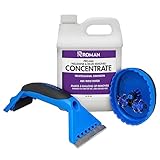
I swear, the first time I tried to peel off that floral monstrosity my grandma wallpapered in the 70s, I thought I was going to have to take a chisel to the drywall. I’d heard about wallpaper steamers and removers, but the sheer variety was overwhelming. So, the big question on my mind, and probably yours too, was: does Home Depot handle DIF wallpaper remover? It’s one of those brands you see recommended everywhere, but finding it when you’re in a pinch can feel like a treasure hunt.
Let’s cut to the chase: if you’re staring at a wall that looks like it survived a bad acid trip, you need a reliable solution. And Home Depot, bless its big orange heart, is usually a pretty good bet for this kind of home improvement panic.
Hunting Down the Right Goop: Does Home Depot Stock Dif?
Okay, so you’ve got a wallpaper problem. Maybe it’s peeling, stained, or just plain hideous. You’ve Googled, you’ve asked your neighbor who’s ‘good at DIY,’ and the name DIF keeps popping up.
It’s a pretty popular brand, and for good reason. It generally works. But the burning question is, does Home Depot handle DIF wallpaper remover? The short answer is usually a resounding YES.
Home Depot is one of the biggest home improvement retailers out there, and they carry a wide range of cleaning and removal products for various projects. DIF is a common brand in that category, so you’re very likely to find it on their shelves, either in the paint section, the cleaning supplies aisle, or sometimes even near the specialty tools for wallpaper removal.
Now, here’s the slightly annoying part: inventory can vary by store. I’ve been to a Home Depot in a busy urban area that had an entire end-cap dedicated to wallpaper removal stuff, including multiple DIF products. Then I’ve been to a smaller suburban branch that had maybe one bottle of generic remover and a prayer. So, while the odds are good, it’s always a smart move to check their website or give your local store a quick call before you drive all the way over. You can usually look up product availability online by entering your zip code. It saves you a wasted trip, and trust me, I’ve made enough of those chasing down obscure plumbing fittings to know better.
When you’re looking for DIF, you might see a few different types. There’s the liquid concentrate that you mix with hot water, and sometimes they have spray bottle versions for smaller jobs or touch-ups. The concentrate is usually the more economical choice for a whole room. They also have different formulas, some for standard vinyl wallpaper and others designed for more stubborn paper like foil or flocked wallpaper. The packaging usually makes it pretty clear what it’s good for. Don’t just grab the first bottle you see; check the label to make sure it’s right for the type of wallpaper you’re trying to evict.
When Steamers Just Don’t Cut It (and Why Dif Is Often Better)
I’ll be honest, the first time I faced a wallpaper removal job, I thought a steamer was the way to go. Everyone and their mother on those DIY forums swore by it. So, I bought one. It was bulky, awkward, and frankly, a bit terrifying to hold a steaming plate against a wall. For some wallpapers, it works okay. It softens the adhesive, and you can scrape away. But for older, multi-layered, or heavily glued wallpaper? It’s often a slow, frustrating battle. You steam, you scrape, you steam some more, and you end up with half the paper off and a sticky, gummy mess clinging to the wall. It feels like you’re fighting a losing war.
This is where chemical wallpaper removers, like DIF, come into play. They work differently. Instead of just softening the paper with steam, these solutions break down the adhesive itself. You typically mix the concentrate with water, then spray or roll it onto the wallpaper. You let it soak in for a specified time (usually 15-20 minutes), and then the magic happens: the wallpaper often peels off in large sheets, or at least becomes incredibly easy to scrape away. It’s a much less physically demanding process, and in my experience, much faster and more effective for most situations. I’ve saved myself hours of back-breaking labor and sheer aggravation by switching to a good chemical remover. (See Also: Does Judarn Wallpaper Remove Easily )
The reason DIF and similar products are so effective is the chemistry involved. They contain solvents or surfactants that penetrate the wallpaper and weaken the bond between the adhesive and the drywall. It’s not rocket science, but it’s a clever application of chemistry to a common household problem. For anyone who’s ever spent an entire weekend trying to strip a single room with a steamer, a good liquid remover feels like a miracle. It turns a dreaded chore into something manageable, and often, even quick. That’s why, when people ask me about tackling wallpaper, I always lean towards recommending a chemical remover first, and DIF is usually my go-to brand.
What to Look for in a Wallpaper Remover at Home Depot
Alright, you’re at Home Depot, you’ve navigated the aisles, and you’re standing in front of the wallpaper removal section. You know DIF is a solid choice, but what exactly should you be looking for? First off, consider the type of wallpaper you’re dealing with. Is it standard vinyl wallpaper? Or is it something more specialized like foil-backed, fabric, or heavily textured paper? Most standard liquid removers like DIF will handle vinyl just fine. If you have something tougher, you might need a heavy-duty formula or a different approach altogether. The product labels are your best friend here; they’ll usually tell you what types of wallpaper the remover is designed for.
Next, check the size and concentration. DIF often comes as a concentrate that you mix with water. This is generally more cost-effective for larger areas. The dilution ratio will be on the instructions, and it’s important to follow it. Too weak, and it won’t work. Too strong, and you might be wasting product or potentially damaging the drywall underneath if you leave it on too long. You’ll also see spray bottles, which are convenient for smaller patches or if you don’t want to mix a big batch, but they can be pricier per ounce. Figure out the square footage you need to cover to choose the right size container.
Beyond DIF, Home Depot will carry other brands. Some are store brands, others are competitors. They might have different active ingredients. While I’m loyal to DIF for its reliability, don’t be afraid to scan the other options.
Look for products that explicitly state they ‘dissolve adhesive’ or ‘break down wallpaper glue.’ Avoid anything that just says ‘wallpaper stripper’ without clarifying how it works, as some might be more for cleaning residue after the paper is off. Also, keep an eye on the reviews if they’re available in-store or on the app. Real user feedback can be incredibly helpful, especially for products you haven’t used before.
And for the love of all that is holy, make sure you’ve got a good scraper tool and plenty of trash bags. You’ll need them.
Common Mistakes People Make (and How to Avoid Them)
I’ve made my fair share of DIY mistakes, and wallpaper removal is definitely one where you can really mess things up. The most common blunder? Not prepping the area properly. People think they can just spray and scrape. Wrong. You need to cover your floors with plastic sheeting or old drop cloths. This stuff is messy, and you’ll end up with goo everywhere. Also, protect your baseboards and any adjacent painted surfaces. Painter’s tape is your friend here, but use a good quality tape that won’t leave residue. Trust me, trying to scrape wallpaper goo off a stained wood floor is a special kind of hell.
Another big mistake is not letting the remover do its job. The instructions will say to let it soak for 15-20 minutes. Impatient DIYers (myself included, sometimes) think they can speed things up by scraping after 5 minutes. That’s when you end up with torn paper, stubborn strips, and a lot of frustration. The remover needs time to penetrate the adhesive and break it down. If it’s not working, it’s usually because you haven’t let it soak long enough, or you’re using the wrong product for the type of wallpaper. Don’t be a hero; follow the instructions. Patience is key here, as painful as it sounds. (See Also: Does Peel And Stick Wallpaper Damage Walls When Removed )
Forgetting about ventilation is also a common oversight. These removers often have strong fumes. Even if the bottle doesn’t say ‘toxic,’ you don’t want to be breathing that stuff in for hours. Open windows, turn on fans, and make sure the room is well-ventilated.
It’s not only safer for you but also helps the remover dry out any loosened adhesive faster. Finally, people often underestimate how much remover they’ll need. It’s better to buy a little extra than to run out halfway through a wall and have to stop, go back to the store, and try to match the product.
This is where knowing if Home Depot handles DIF and having a rough estimate of your wall space comes in handy.
Practical Tips for Using Dif Wallpaper Remover
When you’re using DIF, or any wallpaper remover for that matter, here are a few things I’ve learned that make the job a whole lot smoother. First, after you’ve applied the solution and let it soak, don’t just go at it with a stiff-bristled brush. Use a good quality wallpaper scraper. The flexible plastic ones are great for getting under edges without gouging the drywall. If you have a stubborn patch, a metal scraper can be useful, but use it with extreme caution. Hold it at a low angle to the wall to avoid digging in and damaging the paper surface beneath.
Secondly, work in manageable sections. Don’t try to soak and scrape an entire wall at once. Apply the remover to about a 3-foot by 3-foot section, let it soak, then scrape. By the time you finish scraping that section, the next section you applied it to will be ready. This makes sure the solution stays wet and effective on the areas you’re actively working on. It also prevents the remover from drying out on the wall, which makes it much harder to get off. This methodical approach is far more efficient than a frantic free-for-all.
Third, have a spray bottle handy for reapplication. Sometimes, even with the best intentions, a section might start to dry out before you get to it. A quick spritz of the mixed solution can re-activate it. Also, after you’ve removed all the wallpaper, you’ll likely have some adhesive residue left. Most wallpaper removers, including DIF, help with this, but you might need a bit of scrubbing with a sponge and some warm water. For really tough spots, a light sanding might be necessary once the wall is completely dry, but be gentle. You want smooth walls, not sandpapered ones.
The Dif vs. Generic Debate: Is It Worth the Name Brand?
Here’s a contrarian take for you: everyone raves about DIF, and it is good, don’t get me wrong. But honestly, some of the generic or store-brand wallpaper removers I’ve used from places like Home Depot have performed just as well. I once bought a generic brand because DIF was out of stock, and I was desperate. It cost about $7 less, and it did the job perfectly. It softened the adhesive just as effectively, and the wallpaper peeled off just as easily. The key is understanding what makes these removers work.
Most effective liquid wallpaper removers are based on similar active ingredients, typically surfactants that break down the glue. Unless a generic brand is suspiciously cheap and has no clear ingredient list (which is rare for reputable retailers), you’re likely getting a comparable product. The brand name often comes with a price premium. (See Also: Can You Use Removable Wallpaper On Desk )
So, while I’m not saying skip DIF entirely, I am saying don’t be afraid to try a less expensive alternative if DIF isn’t available or if you’re looking to save a few bucks. I’ve found that the biggest difference maker isn’t always the brand, but how you apply it and how long you let it soak. For the record, I still buy DIF most of the time because it’s reliably good and I know what to expect. But if I’m in a bind and have to grab something else, I don’t panic.
| Product Type | Typical Price Range (Approx.) | Effectiveness for Standard Wallpaper | Ease of Use | My Verdict |
|---|---|---|---|---|
| DIF Liquid Concentrate | $10 – $15 per bottle (makes several gallons) | Excellent | Requires mixing, but easy to apply | Reliable go-to, worth the name for peace of mind. |
| Other Brand Concentrates | $8 – $13 per bottle (makes several gallons) | Very Good to Excellent | Requires mixing, but easy to apply | Often a great value; check reviews if unsure. |
| DIF Ready-to-Use Spray | $8 – $12 per spray bottle (smaller coverage) | Good | Very easy, just spray and go | Convenient for small jobs, but less economical for large areas. |
| Generic Ready-to-Use Spray | $7 – $10 per spray bottle (smaller coverage) | Good | Very easy, just spray and go | Can be a good budget option for touch-ups. |
| Wallpaper Steamer Rental/Purchase | $20-$50 rental, $50+ purchase | Variable (can be poor for tough papers) | Bulky, can be slow and messy | Only if chemical removers fail or for specific paper types. |
Frequently Asked Questions About Wallpaper Remover
Does Home Depot Carry Dif Wallpaper Remover?
Yes, Home Depot generally carries DIF wallpaper remover. It’s a popular brand, and you can usually find it in the paint or cleaning supplies section of most Home Depot stores. It’s always a good idea to check their website or call your local store to confirm availability before making a special trip.
How Do I Use Dif Wallpaper Remover?
DIF wallpaper remover, especially the concentrate, typically needs to be mixed with hot water according to the package directions. Then, you apply the solution liberally to the wallpaper using a roller or sprayer. Let it soak into the paper for the time specified on the label (usually 15-20 minutes) to break down the adhesive. After soaking, you can scrape the wallpaper off with a putty knife or scraper.
Is Chemical Wallpaper Remover Safe for Drywall?
When used according to the manufacturer’s instructions, chemical wallpaper removers like DIF are generally safe for drywall. However, prolonged over-application or leaving the solution on for too long could potentially weaken the paper surface of the drywall. Always follow the soaking time recommendations and rinse the wall thoroughly with clean water afterward if the instructions suggest it.
How Long Does Dif Wallpaper Remover Take to Work?
The soaking time for DIF wallpaper remover is typically around 15 to 20 minutes. This allows the solution to penetrate the wallpaper and break down the adhesive. The actual removal process after soaking can vary depending on the type of wallpaper and how well it was initially applied, but it should be significantly easier than trying to scrape dry paper.
Can I Use Dif on Painted Wallpaper?
If the wallpaper is painted, the paint itself might act as a barrier, preventing the DIF remover from penetrating effectively. It’s often recommended to score or score the painted wallpaper first to allow the remover to reach the adhesive underneath. Some newer paint formulas might be more resistant to solvents, so test in an inconspicuous area if possible.
Conclusion
So, to circle back to that initial panic: yes, Home Depot is your best bet for finding DIF wallpaper remover, and most likely other effective options too. While I’ve sung the praises of DIF, remember that sometimes a generic brand can do the same job for less cash. The real secret sauce isn’t just the brand, it’s the patience and proper application.
Don’t be afraid to do a little prep work, follow the instructions to the letter, and give the remover enough time to work its magic. It’s a surprisingly satisfying job when you get it right, and that feeling of looking at a clean, bare wall is worth every drop of sweat (and maybe a little bit of goo). If you’re staring down a wallpapered nightmare, at least now you know where to start looking for your weapon of choice.
When all is said and done, does Home Depot handle DIF wallpaper remover? Yes. But more importantly, do you have a plan to tackle that wall? Grab your tools, get the right stuff, and get to work.