I remember the first time I really encountered ‘a brush with violence painting’. It wasn’t in some hushed gallery or dusty art history book. It was on a canvas in my own messy garage studio, a piece I’d been wrestling with for weeks, feeling utterly stuck. I’d heard the term thrown around, usually by artists who seemed to have this effortless way of making their work feel alive, charged, almost dangerous. I figured it was some fancy technique involving throwing paint or using chainsaws. Turns out, it’s way more nuanced than that, and frankly, a lot more accessible than I ever imagined.
It’s less about literal destruction and more about the emotional residue of conflict, struggle, and intensity that can be conveyed through the pigment itself. This isn’t about making pretty pictures; it’s about making pictures that feel something, even if that something is uncomfortable.
Why the Rawness? Understanding the ‘violence’ in Painting
Let’s cut to the chase. When I hear ‘a brush with violence painting,’ my first thought isn’t about actual physical harm, but the feeling of it. It’s the visual echo of a scream, the texture of a wound, the chaotic energy of a struggle. Think about it: art has always been a way to process intense human experiences, and violence, unfortunately, is a huge part of that. This isn’t about glorifying it; it’s about confronting it, or at least acknowledging its presence in our lives and translating that into something tangible on the canvas.
For me, it started with a particular shade of cadmium red that just felt… angry. I’d bought it on a whim, expecting a vibrant poppy-like hue, but it came out on the canvas with this aggressive, almost bleeding quality. I was trying to paint a serene landscape, and this red was having none of it. It forced me to rethink the whole piece. It wasn’t just about the colors I chose, but how I applied them, the pressure of the brush, the speed of my strokes. I realized that ‘violence’ in painting could be about the physical act of applying paint, the emotional energy behind it, or the subject matter itself being inherently jarring.
A lot of folks online will tell you it’s all about using a palette knife to scrape and gouge. And yeah, that can be part of it. But it’s way more than just rough application. It’s about the intention behind the mark. Are you making a deliberate, aggressive stroke because it conveys a specific emotion or energy, or are you just hacking at the canvas because you saw someone else do it on YouTube? The latter is just noise; the former is communication. It’s the visual equivalent of a punch versus a slap. One is a deliberate impact; the other is a sting.
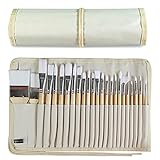
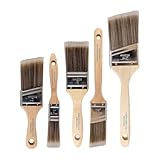
I once spent nearly $180 on a set of specialty brushes that promised to give ‘aggressive textures.’ They were stiff, bristly monstrosities. Honestly? Most of them just made a mess and felt awkward. The real breakthrough came when I stopped looking for specialized tools and started experimenting with standard brushes, but using them in ways I hadn’t before – dragging them, using the edges, even using the ferrule itself to create scratches. It taught me that the ‘violence’ isn’t in the tool; it’s in the hand that wields it and the mind that directs it. This whole idea is about pushing boundaries, both technically and emotionally.
What to Look for: Identifying Violence in Art (and Your Own Work)
So, you’re looking at a painting, and it feels… intense. How do you know if it’s tapping into this ‘a brush with violence painting’ vibe, or if it’s just messy? It’s not always obvious, but there are some tell-tale signs. First off, look at the brushwork itself. Is it rough, agitated, or does it feel like the paint was applied with urgency? Are there visible strokes, scrapes, or even drips that seem intentional rather than accidental? These aren’t necessarily flaws; they can be deliberate choices to convey energy, conflict, or raw emotion.
Consider the color palette. While not every violent painting is dark and brooding, you’ll often find stark contrasts, jarring juxtapositions, or colors that seem to fight each other. Think about deep, moody blues clashing with fiery reds, or sickly greens next to stark whites. These combinations can create a sense of unease or tension. It’s like a visual argument happening on the canvas. I remember seeing a piece where the artist used a thick impasto of near-black alongside splatters of a luminous, almost unnaturally bright yellow. The contrast was jarring, and it felt like a wound being exposed to harsh light.
Subject matter is another big clue, but it’s not the only factor. A painting depicting a battle scene will naturally carry a sense of violence. But you can also find it in seemingly mundane subjects. A portrait with tense facial muscles, a still life with objects arranged in a precarious way, or even an abstract piece with sharp, angular forms can evoke a feeling of struggle or disquiet. It’s about the underlying emotional charge, the narrative that the artist is trying to communicate, even if it’s subtle.
One of the most common mistakes beginners make is confusing ‘violent’ brushwork with ‘sloppy’ brushwork. My first few attempts at this style looked like I’d had a temper tantrum with my easel. There was no control, no intention. It just looked like a mess. The key is control within the chaos. The artist needs to have a clear idea of what they’re trying to achieve, even if the process looks wild. It’s about controlled aggression, not uncontrolled release. It’s the difference between a skilled boxer throwing a precise uppercut and someone flailing wildly. (See Also: Can Acrylic Paint Go In An Air Brush )
I was watching a documentary about Francis Bacon once, and they showed him actually attacking his canvases with rags and solvents, but he did it with this intense focus. It wasn’t random destruction; it was part of his process to achieve a certain visceral quality. That’s the kind of intentionality you’re looking for. It’s about the art of making marks that carry weight and meaning, even if that meaning is discomfort.
Common Pitfalls and How to Avoid Them
Alright, let’s talk about the stuff that goes wrong. Because trust me, I’ve done most of it. The biggest trap is mistaking aggression for depth. Just because you’re slashing paint around or using angry colors doesn’t automatically make your painting profound. I’ve seen so many pieces that just look like a five-year-old had a disagreement with a paint box. The ‘violence’ has to serve a purpose, convey an emotion, or tell a story. If it’s just random chaos, it’s not art; it’s a mess.
Another huge pitfall is the ‘tortured artist’ cliché. Trying too hard to be edgy or angsty often comes across as fake. The raw energy of ‘a brush with violence painting’ should feel authentic, stemming from a genuine exploration of difficult emotions or themes. It’s not about putting on a show; it’s about digging into something real, even if that something is uncomfortable to look at. I once tried to paint a ‘dark’ piece by deliberately using only black and grey, and adding what I thought were ‘aggressive’ slashes. It just looked depressing, not powerful, and frankly, boring. The lack of any contrasting element or nuanced emotion made it flat.
People also tend to think they need specialized, expensive tools. I fell for this hook, line, and sinker. I bought a bunch of palette knives, odd-shaped brushes, and even some industrial scrapers, thinking they were the key. It cost me a small fortune – probably around $150 over a few different shopping trips. Turns out, a stiff bristle brush, a palette knife you already own, or even the edge of a credit card can do the job just as well, if not better, when you know how to use them. The tool is secondary to the intention and the technique.
A important mistake is not balancing the intensity. If everything is a furious stroke or a jarring color, the eye has nowhere to rest. It becomes overwhelming, and frankly, tiring to look at. Sometimes, the most effective moments of ‘violence’ are those that are contrasted with areas of calm, control, or subtle detail. Think of a scar on otherwise healthy skin; it draws attention precisely because it’s different. It’s about creating tension and release, not just sustained tension.
Finally, there’s the fear of ‘ruining’ the painting. If you’re aiming for a raw, visceral feel, you have to be willing to let go of perfection. Embrace the unexpected. Sometimes the ‘happy accidents’ – a drip, a smear, a texture you didn’t plan – can be the most powerful elements. Don’t be afraid to rework areas, add layers, or even scrape back to the canvas if it serves the overall expressive goal. The process itself can be a form of ‘violence’ against the initial idea, leading to something more compelling.
Real-World Application: My Own ‘violent’ Experiments
I’ve had my share of messes, but also some genuine breakthroughs with this approach. One of my earlier attempts involved a portrait where I wanted to convey the internal struggle of someone dealing with anxiety. I started with smooth blending, trying to get that ‘perfect’ skin tone, but it felt too calm, too controlled, too… fake. It wasn’t capturing the turmoil I wanted to express.
So, I decided to go off-script. I grabbed a stiff fan brush and started dragging it through the wet paint on the cheeks and forehead, creating these ragged, almost scraped lines. I used a palette knife to apply thick dollops of a muted ochre right over some of the blended areas, creating a sense of unease, like a rash or a bruise. The eyes, which I’d initially painted with soft pupils, I then used the tip of a palette knife to slightly distort, making them feel a bit off-kilter, as if they were darting or unfocused.
The whole process felt less like painting and more like… excavating emotion. It took me about three separate sessions, and each time I felt a bit nervous about what I was doing, but the result was so much more evocative than my initial careful approach. (See Also: Can Acrylic Paints Be Used In An Aqua Brush )
Another time, I was working on an abstract piece, just exploring color and form. I had this beautiful, serene background, all soft blues and greens.
It was technically fine, but it felt bland. I was listening to some intense, percussive music, and it just hit me. I grabbed a large flat brush, loaded it with a thick, dark Payne’s grey, and just slammed it across the canvas, horizontally.
It wasn’t a smooth stroke; it was a violent, ragged drag that tore through the delicate layers underneath. Then, I took a smaller brush and used the edge to create sharp, angular lines of a jarring orange that cut across the grey. The contrast was incredible. The ‘serene’ background was shattered, and in its place was this dynamic tension.
It was no longer just pretty colors; it had a story, a conflict.
This isn’t about destroying your work; it’s about using the physical properties of paint and the act of application to amplify emotional content. It’s about embracing imperfection as a strength, not a weakness. It’s about understanding that sometimes, a rough mark or a clashing color can communicate more powerfully than a perfectly rendered detail. My studio floor is a testament to these experiments – splatters, drips, and scraped-off paint are a permanent fixture. But from that chaos, some of my most engaging pieces have emerged.
Practical Tips for Your Own ‘violent’ Art
If you’re itching to try this out, here are a few things that have helped me move from cluelessly making a mess to intentionally creating effective work. First, start small. Don’t try to overhaul your entire painting style overnight. Pick one area, one color, or one emotion you want to explore. Maybe it’s a specific texture you want to create, or a feeling of tension you want to inject.
Experiment with your tools. Forget the fancy jargon for a second. Grab whatever brushes you have. Try using the side of the brush, the tip, the ferrule. Scrape with a palette knife. Use an old credit card or even a piece of cardboard to create sharp edges or drag paint. What happens when you apply paint thickly? What happens when you apply it thinly over another layer? Don’t be afraid to get your hands dirty – literally. Sometimes just using your fingers to smear or blend can create a raw, immediate effect.
Pay attention to your medium. Acrylics dry fast, which can be great for layering and creating sharp contrasts. Oils stay wet longer, allowing for more blending and manipulation, which can lead to different kinds of textures and ‘scars.’ Watercolors, while often seen as delicate, can achieve surprising ‘violent’ effects through hard edges, washes that create granulation, or even lifting techniques that leave behind textured scars. Understand how your chosen medium behaves under different kinds of stress.
Consider your subject matter’s emotional weight. Even if you’re painting a seemingly calm scene, ask yourself: what’s the underlying tension? Is there a history to this place? Is there an implied narrative? Injecting a sense of unease or struggle through subtle textural cues or unexpected color choices can lift a simple depiction into something more compelling. For instance, a seemingly peaceful doorway could have chipped paint that suggests neglect or a hidden past, conveyed by a rough, textured application of paint. (See Also: A Brushes Digital Painting )
Finally, and this is a big one, embrace the failure. Not every experiment will work. I have a whole bin of canvases that went wrong. Some were too chaotic, some were just muddy, others looked like I’d given up. But each one taught me something. It taught me about color relationships, about pressure, about when to stop. The ‘a brush with violence painting’ approach is inherently about pushing boundaries, and that means sometimes you push too far. The key is to learn from it, scrape it down, or start fresh with the new knowledge you’ve gained. This process is less about perfection and more about honest expression.
Faq: Your Burning Questions Answered
What Is the Definition of ‘violence Painting’?
The term ‘a brush with violence painting’ doesn’t refer to a formal art movement but rather to artwork that evokes a sense of intensity, conflict, struggle, or raw emotion through its application of paint, color choices, or subject matter. It’s about conveying a visceral impact rather than a polished aesthetic. The ‘violence’ is usually metaphorical, related to emotional or psychological turmoil rather than literal depiction of harm.
Can Abstract Art Be Considered ‘violent Painting’?
Absolutely. Abstract art can powerfully convey a sense of violence through aggressive brushstrokes, clashing colors, sharp or jagged forms, and energetic compositions. The absence of literal subject matter allows the pure visual elements – line, color, texture, form – to communicate intense emotions and dynamism directly to the viewer. It’s about the feeling the visual language evokes, not necessarily what it represents.
Is ‘violence Painting’ Always About Dark Themes?
Not exclusively. While many pieces that employ this approach explore darker themes like conflict, pain, or chaos, the ‘violence’ can also be interpreted as raw energy, passion, or a vigorous engagement with the creative process. It can represent the struggle to create, the catharsis of emotional release, or the intense focus required in artistic expression. The key is the intensity and impact of the visual experience.
How Can I Achieve ‘violent’ Textures in My Paintings?
You can achieve ‘violent’ textures by using tools like palette knives to scrape, gouge, or build up thick impasto layers of paint. Employing stiff-bristled brushes with aggressive strokes, dragging the brush, or even using the ferrule of the brush can create rough marks. Experimenting with different mediums, layering thick paint over dry layers, or using unconventional tools like cardboard or rags can also contribute to the desired raw, textured effect.
Conclusion
So, there you have it. ‘A brush with violence painting’ isn’t some secret handshake for angsty artists. It’s a way of looking at paint, at the canvas, and at emotion itself, with a bit more honesty and a lot less fear of making a mess. It’s about letting the paint do some of the talking, about not being afraid of a rough edge or a jarring color if that’s what the feeling demands.
My own studio walls have seen more than a few ‘violent’ moments, and frankly, I wouldn’t have it any other way. The art that truly sticks with me, the art that feels alive, often has that raw edge. It’s the stuff that makes you feel something, even if that something isn’t always comfortable. It’s the kind of art that’s been through something, and in its own way, it makes you feel less alone in your own struggles.
If you’re feeling a bit stuck, or your work feels too polite, try giving this a shot. Grab a brush, load it up, and don’t be afraid to push it a little harder than usual. You might be surprised by what emerges when you allow yourself that freedom.