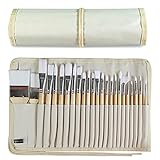
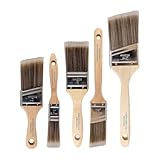
I remember the first time I saw a post online suggesting you could just toss your paint brushes in the dishwasher. My immediate thought? Absolutely not. It sounded like a recipe for disaster, a surefire way to ruin both my brushes and my machine. But then, curiosity, and a mountain of dirty brushes after a particularly ambitious DIY project, got the better of me. So, I decided to investigate this seemingly outlandish idea: can I clean my paint brushes in the dishwasher?
The internet is awash with advice, some of it good, some of it… well, let’s just say questionable. I’ve wasted enough money on fancy brush cleaners that barely touch dried-on latex, let alone oil-based nightmare. It’s time for some straight talk.
The Dishwasher Debate: Myth or Miracle?
Let’s get this out of the way: shoving your brushes in the dishwasher is a bit of a gamble, and honestly, most of the time, it’s a bad idea. People throw around the idea like it’s a universally accepted cleaning hack, but the reality is far messier. My first attempt was with a set of cheap synthetic brushes I was ready to toss anyway.
I figured, if they get ruined, no big loss. I scraped off as much wet paint as I could, rinsed them under the tap, and then popped them onto the top rack. The result? A greasy film on my mugs and brushes that still had paint clinging stubbornly to the bristles.
My dishwasher smelled faintly of paint thinner for a week. So, no, it’s not a magic bullet, and it’s definitely not for your good brushes.
The heat and the detergent can absolutely wreck the glue holding the bristles together, leading to splayed messes and permanently stiff brushes. Plus, you risk contaminating your dishes. Imagine serving dinner on plates that have had dried latex scraped off them.
Gross.
Now, I’ll admit, there are some very specific, very niche circumstances where it might work with zero catastrophic fallout. Think super cheap, disposable synthetic brushes that you’ve already decided are on their last leg, and you’re primarily dealing with water-based latex paint. Even then, you’re better off with a dedicated brush cleaner or a good old-fashioned scrub. The main issue is that dishwashers rely on hot water and aggressive detergents.
While this is great for baked-on food, it’s hell on the natural fibers and glues found in higher-quality brushes. Synthetic brushes are a bit more resilient, but even they can suffer.
The bristles can get distorted by the heat, and the handle might delaminate if it’s not properly sealed. If you’re using oil-based paints, forget it entirely. The solvent required to break down oil paint is usually not something you want anywhere near your food preparation surfaces, and the dishwasher’s heating element will likely bake it on even harder.
The overwhelming consensus from anyone who actually uses brushes regularly is to avoid the dishwasher. It’s the kind of ‘hack’ that sounds great on a clickbait blog but falls apart under real-world scrutiny. I’ve seen people online brag about how clean their brushes came out, but they rarely show the long-term effects or the state of their dishwasher afterwards. It’s a short-term, potentially damaging ‘solution’ that doesn’t hold up. Stick to proven methods, and save your dishwasher for, you know, dishes.
When ‘maybe’ Turns Into ‘probably Not’
The main reason people even consider the dishwasher is the sheer effort involved in cleaning brushes properly, especially after using oil-based paints. Scrubbing, soaking, rinsing – it’s a time-consuming chore. (See Also: Can Acrylic Paint Go In An Air Brush )
And let’s be honest, sometimes you just want to chuck it all and move on. That’s where the tempting ‘dishwasher hack’ comes in.
But here’s the blunt truth: the dishwasher is designed to blast away food particles with high heat and strong detergents. Paint, especially dried paint, is designed to adhere to surfaces. These two things are fundamentally at odds.
The heat can warp synthetic bristles, making them useless for creating smooth finishes. The detergents can break down the adhesive that holds the bristles together, leading to premature shedding. And the potential for cross-contamination between paint residue and your dishes is a genuine concern for many, myself included.
I once tried to clean a set of decent, but not professional-grade, synthetic brushes after a furniture refinishing project using a water-based chalk paint. I scraped and rinsed them meticulously, then ran them on the top rack with a full load of dishes. While they looked cleaner after the cycle, several bristles had fanned out, and they felt a bit… mushy. Worse, my stainless steel sink had a weird, chalky film that took an extra scrubbing session to remove.
My partner was not impressed when they discovered the faint smell of ‘antique white’ clinging to their morning coffee mug. That was the last time I risked it. It’s not just about the brushes; it’s about the integrity of your appliance and the safety of your kitchenware.
If you’re dealing with dried latex paint, the dishwasher might, might, loosen some of it. But it’s unlikely to remove it completely. You’ll still need to go in with a brush comb and possibly some solvent. For oil-based paints, it’s an even bigger no-go. The solvents needed to clean oil paint are often too harsh for dishwasher seals and components, and the fumes can be a health hazard. So, while the internet might be full of anecdotal ‘success’ stories, I’ve found that the risk far outweighs any perceived reward. It’s a shortcut that often leads to more work and ruined tools.
What to Look for (if You’re Still Tempted)
Okay, so you’re still hovering over the ‘start’ button on your dishwasher, thinking maybe, just maybe, there’s a way. If you absolutely must experiment, and I strongly advise against it for anything you care about, here are the things you’d need to consider. First, the brushes themselves.
We’re talking about the cheapest, most disposable synthetic brushes you can find. Think the kind you get in a multipack for a few dollars. They should have plastic or very basic metal ferrules – anything that looks like it can withstand some abuse. If the ferrule is glued on with what looks like hot glue, it’s a prime candidate for failure under heat.
The bristles should also be synthetic. Natural hog bristles or high-quality synthetic filaments will be permanently damaged by the heat and aggressive detergents.
Second, the type of paint. This is a must: only consider it for water-based latex or acrylic paints that are still somewhat fresh. If the paint is dried and hardened, the dishwasher simply doesn’t have the mechanical action or the right kind of solvent power to break it down effectively. You’ll end up with partially cleaned brushes and a mess in your dishwasher. Oil-based paints and stains are an absolute no. The solvents required are too aggressive for both the brushes and the dishwasher, and the fumes can be dangerous. You’d be better off using a dedicated brush cleaner or even mineral spirits and a thorough manual cleaning.
Third, your dishwasher. Is it a high-end machine with delicate cycles and steam options, or a budget model that basically just blasts everything with scorching hot water? If you have a cheaper machine, the chances of warping bristles or damaging the seals are significantly higher. (See Also: Can Acrylic Paints Be Used In An Aqua Brush )
You also need to consider the detergent. Standard dishwasher detergent is incredibly powerful. You might consider a much milder option, but then, what’s the point?
The whole idea is to avoid manual cleaning, so using a weaker detergent that requires more scrubbing defeats the purpose. Ultimately, even if you tick all these boxes, you’re still playing with fire. I’ve seen more ruined brushes than successful dishwasher cleanings.
It’s a desperate measure for desperate times, and even then, I’d have serious reservations.
Common Mistakes and What actually Works
The biggest mistake people make when considering the dishwasher as a brush cleaner is underestimating the damage. They see a brush that looks less dirty and think they’ve struck gold. But they fail to notice the subtle warping of bristles, the loosening of the ferrule, or the fact that the glue holding the bristles together is slowly degrading.
This leads to brushes that splay out prematurely, shed bristles onto your paint job, and become generally useless much faster than they should. Another common error is thinking that if it works for latex, it’ll work for oil. It won’t. Oil paints require solvents that will not only clog your dishwasher but can also damage its components and create hazardous fumes.
The heat from the dishwasher will bake oil paint onto the bristles, making it even harder to remove manually.
My personal favorite contrarian take on this whole dishwasher issue? Forget the dishwasher; learn to clean your brushes properly while the paint is still wet.
It takes maybe an extra minute or two per brush, and it saves you a world of hassle later. For water-based paints, a good rinse under running water, working the bristles against your palm (not too hard!), and a bit of soap is usually all it takes. I use a cheap bar of hand soap – it’s surprisingly effective at breaking down latex paint.
For oil-based paints, it’s mineral spirits or turpentine. Dip the brush in the solvent, swirl it around in a jar (don’t just dunk and pull out), and then rinse it thoroughly with soap and water.
A brush comb is your best friend here, helping to get all the old paint out from between the bristles. I invested about $15 in a decent metal brush comb a few years back, and it’s paid for itself a hundred times over in saved brushes.
It looks like a small metal rake and it’s brilliant for teasing out stubborn paint. (See Also: A Brushes Digital Painting )
Here’s a quick rundown of what actually works, based on years of getting my hands dirty:
| Paint Type | Best Cleaning Method | Verdict |
|---|---|---|
| Water-Based (Latex, Acrylic, Chalk) | Rinse immediately with water. Use mild soap (bar soap or dish soap) and warm water. Work bristles gently. Rinse thoroughly. Comb if necessary. | Reliable, brush-friendly, minimal fuss. |
| Oil-Based (Enamels, Stains) | Use appropriate solvent (mineral spirits, turpentine, specialized cleaner). Soak and swirl brush in solvent. Rinse with soap and water. Use a brush comb diligently. | Requires more effort and ventilation, but preserves brush quality. |
| Water-Based in Dishwasher | Attempted with cheap synthetic brushes, water-based paint. | High risk of damage, potential for contamination. Not recommended. |
| Oil-Based in Dishwasher | Never attempt. | Extremely hazardous, will damage brushes and dishwasher. |
The key is to clean your brushes as soon as you’re done using them. Don’t let paint dry. A few minutes spent now saves hours of frustration and the cost of replacement brushes later.
The Faq: Can I Clean My Paint Brushes in the Dishwasher?
Is It Safe to Put Paint Brushes in the Dishwasher?
Generally, no, it’s not considered safe or recommended. The high heat and aggressive detergents in a dishwasher can damage the bristles and the glue holding them together, leading to a ruined brush. More importantly, there’s a risk of paint residue contaminating your dishes, which is a significant hygiene concern.
What Kind of Paint Brushes Can I potentially Clean in a Dishwasher?
If you were to experiment (which I strongly advise against), you would only consider the absolute cheapest, disposable synthetic brushes. These brushes should be destined for the trash anyway, and you should only be dealing with small amounts of fresh, water-based latex or acrylic paint. Anything of value should never go in.
Will My Dishwasher Get Damaged If I Clean Paint Brushes in It?
Yes, there’s a high probability of damage. The heat can warp plastic components and seals. Paint and solvent residue can accumulate in filters and drains, potentially causing clogs or affecting future wash cycles. Furthermore, if you’re using oil-based paints, the solvents can degrade rubber and plastic parts within the dishwasher over time.
What Are the Risks of Putting Paint Brushes in the Dishwasher?
The primary risks are damaging your brushes beyond repair, contaminating your dishes with paint residue, and potentially damaging your dishwasher. For oil-based paints, there’s also the risk of dangerous fumes and chemical damage to the appliance. It’s a gamble with too many downsides.
My Honest Take: Stick to the Sink
Look, I get the appeal of a quick fix. We’re all busy, and sometimes the thought of scrubbing paint brushes feels like the universe’s way of punishing us for daring to paint a wall. But after years of wrestling with dried-up bristles and the lingering smell of turpentine, I can tell you with absolute certainty that the dishwasher is not your friend when it comes to paint brushes. It’s a shortcut that leads to a dead end, usually resulting in ruined brushes and a questionable dishwasher. My own experience, and that of countless other DIYers and pros I’ve spoken to, confirms this.
The few times I’ve seen someone claim success, they were either using incredibly cheap, disposable brushes with water-based paint, or they conveniently omitted the long-term damage to their tools and appliances. It’s like saying you can fix a leaky roof with duct tape – it might hold for a day, but it’s not a real solution. A proper cleaning at the sink, using the right solvent or soap for the paint type, is always the better route.
It takes a bit more time, yes, but it preserves your brushes, keeps your dishes safe, and ultimately saves you money in the long run. You end up with tools that perform better and last longer.
It’s a small investment of time for a significant return.
Conclusion
So, to answer the question plainly: can I clean my paint brushes in the dishwasher? My honest, no-nonsense answer is: probably not, and it’s a really bad idea for anything you want to keep using. The risks of damaging your brushes, contaminating your dishes, and potentially harming your dishwasher far outweigh any perceived convenience.
Instead of risking your kitchen appliances, commit to a quick sink clean-up right after you finish painting. For water-based paints, a bit of soap and water will do wonders. For oil-based paints, grab some mineral spirits and a brush comb. It might seem like more effort initially, but it’s the only way to make sure your brushes last and your future paint jobs are smooth.
Next time you’re faced with a brush full of dried paint, resist the siren song of the dishwasher. Reach for the soap or the solvent instead. Your brushes, your dishes, and your sanity will thank you.