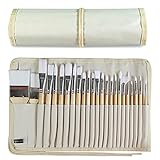
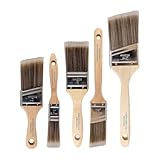
I remember staring at a bucket of brushes, caked in dried latex paint after a botched accent wall job. Panic set in. Was I going to have to fork out for a whole new set? I’d heard whispers about using isopropyl alcohol, or rubbing alcohol, as a miracle cleaner, but honestly, I was skeptical. Most “miracle” cleaners I’d tried over the years ended up being glorified water with a fancy label and a price tag to match. So, the burning question for anyone in a similar sticky situation is: can I clean my paint brushes with isopropyl alcohol?
Let me tell you, the answer isn’t a simple yes or no. It depends on what you’re trying to clean, how long it’s been sitting there, and the type of paint. But if you’re looking for a quick, often effective solution, especially for water-based paints, you might be in luck.
When Rubbing Alcohol Actually Does the Job
Look, nobody likes a crusty paintbrush. It ruins the finish, makes application a nightmare, and generally just makes you feel like a slob.
For years, my go-to was warm water and soap, followed by a thorough rinse and conditioning with fabric softener. It worked, but it was time-consuming, especially when I was in the middle of a project and just needed to quickly rinse and move on. That’s where isopropyl alcohol started creeping into my toolkit. For latex and acrylic paints, especially when they’re still wet or only a few hours old, a good soak in 91% isopropyl alcohol can be a lifesaver.
I’ve found that it breaks down the binders in these water-based paints surprisingly effectively. You don’t need to go crazy with it; a shallow dish where you can swirl the brush head around is usually enough.
The alcohol acts as a solvent, lifting the pigment and the acrylic resin from the bristles. It’s not as harsh as some dedicated paint thinners, which is a big win for both your brushes and your lungs. I’ve saved numerous brushes this way, especially those nice, expensive ones I initially regretted buying for that one job.
The key is acting fast. The longer paint dries, the more it bonds with the bristles, and the less effective even strong solvents become.
I recall one particularly frustrating afternoon trying to clean brushes after a quick touch-up on a door frame with some bright red latex paint. I’d forgotten to clean them immediately and by the time I remembered, the paint was starting to skin over. Instead of reaching for the mineral spirits that I usually reserve for oil-based paints, I figured I’d give the 91% isopropyl alcohol a shot.
I swirled the brush head in about an inch of alcohol in a glass jar. Within a minute or two, the red started to bleed out.
A bit more swirling, a rinse under warm water, and another quick soak. Honestly, I was shocked at how much came off. They weren’t perfectly pristine like they were when they were brand new, but they were perfectly usable for the next coat, which was all I needed. This experience shifted my perspective on what rubbing alcohol could do for my painting tools.
It’s not a magic bullet for every paint type, but for water-based paints, it’s a legitimate contender.
One thing that people often miss is the concentration of the alcohol. You’ll see 70% and 91% (or even higher) isopropyl alcohol readily available. For cleaning paint brushes, the higher concentration, the better. The 70% solution has more water in it, which dilutes its solvent power. While 70% might work in a pinch for very fresh, light coats of paint, 91% or 99% is what you want for any real cleaning power. Think of it like this: you’re trying to dissolve something, and water isn’t the best at dissolving paint binders. More alcohol means less water, which means a more potent cleaner for those stubborn paint residues. (See Also: Can Acrylic Paint Go In An Air Brush )
The Real Deal: How Isopropyl Alcohol Works on Paint
So, let’s get down to brass tacks. How does isopropyl alcohol, a common household disinfectant, actually tackle paint? It’s all about chemistry, really, though you don’t need a degree to understand the basics. Isopropyl alcohol is a polar solvent.
This means it has a molecular structure that allows it to dissolve other polar substances. Most water-based paints, like latex and acrylics, rely on water as their primary carrier and have binders (think of them as the glue that holds the pigment together) that are also polar or can be broken down by polar solvents. When you introduce isopropyl alcohol to the paint on your brush, it starts to disrupt these binders and the water-based emulsion.
It basically ‘loosens’ the paint’s grip on the bristles, making it easier to wash away.
It’s a bit like how hand sanitizer works. It uses alcohol to kill germs by breaking down their cell membranes. Paint binders are different, of course, but the principle of a solvent disrupting molecular structures is similar. The effectiveness can vary greatly depending on the specific paint formulation. Some paints have more solid binders or additives that make them more resistant to solvents like isopropyl alcohol. This is why it’s fantastic for standard latex house paints but might struggle with more specialized acrylics or paints designed for extreme durability.
I’ve experimented a fair bit with this. I remember a time I was using a premium artist’s acrylic on a canvas. It was supposed to be super tough.
I tried the rubbing alcohol trick, thinking it would be just like the house paint. Big mistake. It barely touched it.
The paint seemed almost… fused to the bristles. That’s when I learned that not all paints are created equal. Artist-grade acrylics, especially those with heavy body or high pigment load, often have stronger formulations that require more aggressive solvents, like denatured alcohol or even specialized brush cleaners. For the average homeowner painting a wall or a piece of furniture, though, the standard latex or acrylic paints you pick up at the big box store are usually susceptible to a good soak in isopropyl alcohol.
It’s a good middle ground between plain water (which often does nothing to dried paint) and harsh, fume-heavy mineral spirits.
What to Look for in an Isopropyl Alcohol Cleaner
When you’re heading to the store, don’t just grab the first bottle of rubbing alcohol you see. Pay attention to the concentration. For paint brush cleaning, you’re generally looking for a minimum of 91% isopropyl alcohol. The 70% solution is more diluted with water, which reduces its effectiveness as a solvent for paint. If you can find 99%, even better. Higher concentrations mean less water, and more of the good stuff that actually breaks down paint binders. You’ll typically find these higher concentrations in the “first aid” or “personal care” aisle of your pharmacy or supermarket. Sometimes, you can also find it in hardware stores or automotive sections, though the concentrations might vary more there.
Common Mistakes When Using Isopropyl Alcohol for Brushes
One of the biggest mistakes people make is thinking isopropyl alcohol is a magic bullet for all paint types. It’s really not. If you’re dealing with oil-based paints, enamels, or lacquers, you’re going to need something stronger, like mineral spirits or turpentine.
Trying to clean those with just isopropyl alcohol is like trying to wash grease off your hands with water alone – it might get a little off, but you’ll be there all day and still won’t get them truly clean. Another mistake is not cleaning the brushes thoroughly after using the alcohol. (See Also: Can Acrylic Paints Be Used In An Aqua Brush )
The alcohol itself needs to be rinsed out. If you leave residual alcohol on the bristles, it can degrade the glue that holds the bristles together over time, leading to shedding and a shorter brush life. Always rinse thoroughly with warm water and then condition the bristles with a bit of mild soap or fabric softener to keep them soft and in shape.
When It’s Not Enough: The Limits of Rubbing Alcohol
Let’s be brutally honest: isopropyl alcohol has its limits. It’s fantastic for latex and acrylics, especially when they’re fresh, but try to tackle dried-on oil-based paint, and you’re going to be deeply disappointed. I learned this the hard way after a furniture refinishing project involving a particularly stubborn alkyd enamel. I’d used a good quality brush and, naturally, got some paint on it and let it sit for a few hours, thinking my trusty rubbing alcohol would sort it out.
Well, it barely made a dent. The paint was like a hardened shell.
I ended up having to go out and buy a dedicated mineral spirits-based cleaner, which did the job in about five minutes. That’s when I realized isopropyl alcohol is great for certain jobs, but it’s not a universal paint solvent.
Another area where it falls short is with very old, thoroughly dried paint, even if it’s water-based. The longer paint sits, the more the binders cure and cross-link. This creates a much tougher, more resilient film that even strong solvents struggle to break down.
If you find yourself with brushes that look like they’ve been dipped in concrete, alcohol is probably not your best bet. You might have some luck with specialized brush cleaners designed to tackle dried paint, but even then, you might be looking at a lost cause. In these situations, it’s often more cost-effective and time-efficient to replace the brush, especially if it’s an inexpensive one. For those really tough cases, I’ve even seen people try to carefully chip away dried paint with a putty knife before attempting any solvent cleaning, but honestly, that’s usually a sign the brush is already pretty much done for.
Here’s a little table I put together from my own experiences. It’s not scientific, but it’s real-world:
| Paint Type | Isopropyl Alcohol (91%+) Effectiveness | Verdict |
|---|---|---|
| Fresh Latex/Acrylic | Excellent | Go for it! Fast and effective. |
| Dried Latex/Acrylic (few hours) | Good | Worth a try, might need a bit of scrubbing. |
| Old Dried Latex/Acrylic (days/weeks) | Poor | Save your time, look elsewhere or replace. |
| Oil-Based Paints/Enamels | Very Poor | Don’t bother. Use mineral spirits. |
| Lacquer/Shellac | None | Absolutely not. Needs specialized thinners. |
You can see from this that the ‘freshness’ and the ‘type’ of paint are the biggest factors. If you’re painting your kid’s bedroom with a basic latex, you’re probably going to have a good experience with isopropyl alcohol. If you’re working on a detailed miniature with specialized acrylics or restoring an antique with oil paints, you’re going to need to escalate your cleaning arsenal.
A Practical, No-Nonsense Approach to Brush Cleaning
Alright, so we know when isopropyl alcohol is your friend and when it’s not. Now, how do you actually use it effectively? It’s simple, really. You don’t need fancy equipment or elaborate procedures. Start with a shallow container – a glass jar, a small plastic tub, even an old Tupperware. Pour in enough 91% or higher isopropyl alcohol to cover the bristles of your brush. Don’t submerge the ferrule (the metal part) if you can help it, as prolonged soaking there can weaken the glue.
Next, swirl the brush gently in the alcohol. You’ll see the paint start to loosen and come off into the liquid. Keep swirling until you’ve lifted as much as you can.
For tougher bits, you might need to use an old comb or a brush comb to gently work through the bristles and dislodge stubborn paint. Once you’ve got most of the paint out, drain the dirty alcohol and rinse the brush thoroughly under warm running water. You might want to repeat the alcohol soak and rinse process if there’s still a lot of paint residue. (See Also: A Brushes Digital Painting )
After you’re satisfied that most of the paint is gone, wash the brush with a mild soap (dish soap works great) or a drop of fabric softener to help condition the bristles. Rinse again until the water runs clear.
Finally, gently shape the bristles with your fingers and let the brush air dry, ideally hanging upside down or laying flat so water doesn’t seep back into the ferrule. Proper drying is key to a brush’s longevity.
Here’s a step-by-step that I often use:
- Prepare your workspace: Find a well-ventilated area, as even isopropyl alcohol has fumes. Lay down some newspaper or a drop cloth.
- Pour the alcohol: Add about an inch of 91% or higher isopropyl alcohol to your chosen container.
- Soak and swirl: Dip the paint-laden bristles into the alcohol and swirl them around. Work the brush until the paint begins to dissolve and float away.
- Comb if necessary: For stubborn paint, use a brush comb or an old fork to gently separate the bristles and remove hardened paint.
- Rinse thoroughly: Drain the dirty alcohol and rinse the brush under warm running water. Repeat steps 3-5 if needed.
- Wash with soap: Once most paint is removed, wash the brush with a mild soap or fabric softener to clean and condition the bristles.
- Final rinse and shape: Rinse again until the water is clear. Gently reshape the bristles with your fingers.
- Dry properly: Hang the brush or lay it flat to dry, making sure water doesn’t get into the ferrule.
This process works best when you’re not dealing with paint that’s been sitting for days on end. Think of it as a really effective, quick-clean solution for active projects rather than a deep restoration tool for neglected brushes.
The Takeaway: Isopropyl Alcohol a Good Brush Cleaner?
So, after all this, can I clean my paint brushes with isopropyl alcohol? My honest answer is: yes, but with important caveats. It’s an excellent tool for water-based paints like latex and acrylics, particularly when the paint is still relatively fresh.
It’s often faster and less messy than soap and water for a quick clean between coats or at the end of a painting session. I’ve saved countless brushes this way, and it’s definitely earned a permanent spot in my cleaning kit. However, it’s not a miracle cure for all paint types or for paint that has been left to dry for an extended period.
For oil-based paints, enamels, or heavily dried latex, you’ll need to reach for more potent solvents like mineral spirits or specialized brush cleaners. Over-reliance on alcohol for dried paint can also lead to damaged bristles if you end up scrubbing too aggressively or letting it sit for too long on the ferrule.
The key is to understand its strengths and weaknesses. Use it for what it’s good at, and when it falls short, don’t be afraid to switch to a different product. Think of it as one tool in your painting arsenal. I’ve found that keeping a bottle of 91% isopropyl alcohol handy, alongside my mineral spirits and a good brush soap, means I’m prepared for most common painting cleanup scenarios. It’s not the answer to every cleaning dilemma, but for its intended purpose, it’s surprisingly effective and often overlooked. The cost is usually pretty reasonable too, especially compared to buying a new set of brushes every time a few get neglected.
Final Thoughts
So, the short and honest answer to ‘can i clean my paint brushes with isopropyl alcohol’ is a qualified yes. For latex and acrylic paints, especially if you catch them before they’ve hardened into fossilized relics, it’s a surprisingly effective and fast-acting solvent. I’ve found it particularly useful for those quick rinse-and-go moments when you need your brush ready for the next coat without a huge fuss.
Just remember its limitations. If you’re dealing with oil-based paints or latex that’s been sitting for days, you’ll probably need something stronger. Pushing isopropyl alcohol beyond its capabilities will likely just waste your time and potentially damage your brushes. Always rinse thoroughly after use and shape those bristles – a little care goes a long way.
My advice? Keep a bottle of 91% or higher isopropyl alcohol handy. It’s a solid, often overlooked cleaner that can save you money and hassle. Just know when to use it and when to put it back on the shelf in favor of a different tool. Happy painting, and even happier cleaning!