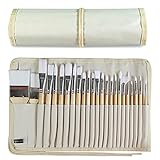
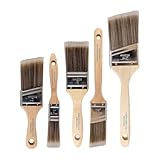
I remember staring at a tray of brushes after a late-night painting session, the oil paint thick and tacky, and thinking, ‘There’s no way I’m cleaning these now.’ The next morning? Disaster. Brushes stiff as boards, paint fused to the bristles like cement. Sound familiar? The question ‘can i leave paint brushes overnight’ is one every painter, from hobbyist to pro, has grappled with.
It’s tempting to think a quick rinse will do, or that just dunking them in solvent is enough. I’ve been there, done that, and bought the replacement brushes. Let me tell you, cutting corners here is a fast track to frustration and a waste of money.
But the truth is, with a little know-how, leaving your brushes overnight doesn’t have to be the death sentence you might fear. It’s all about knowing the rules, the exceptions, and how to play it smart.
The Real Cost of a Lazy Brush Clean
Let’s be brutally honest. When you’re wiped out after a long day of painting, the last thing you want to do is spend another 20 minutes scrubbing brushes.
I once painted a whole living room, used maybe a dozen brushes in various sizes, and figured, ‘Eh, I’ll get to them tomorrow.’ Tomorrow came, and what I found was a hardened mess. The latex paint had dried into the bristles, making them splayed and useless. I tried soaking them, scraping them, even gently prying with a putty knife, but it was no good.
They were toast. That little bit of laziness cost me about $70 in replacement brushes, not to mention the time I spent trying to resurrect them and the subpar finish I ended up with on the next project because my ‘saved’ brushes were no longer precise.
This isn’t just about latex or acrylic paint, either. Oil paints are even trickier. If you don’t properly clean out the solvent and the oil medium, you can end up with a gummy, sticky mess that ruins the brush’s flexibility and ability to hold a shape. Water-based paints are more forgiving, sure, but leaving them wet can still lead to stiff bristles and mold if you’re not careful. The common advice to just ‘rinse and go’ is often just that – advice from people who maybe don’t use their brushes enough to see the long-term damage.
Think of your good brushes like a fine musical instrument or a quality chef’s knife. You wouldn’t leave your violin un-tuned or your favorite santoku caked in food scraps overnight, right? The same respect should be given to your tools. The fibres in a brush – whether they’re natural hog bristle or synthetic nylon – are delicate. Repeatedly allowing paint to dry and harden in them breaks down the material, makes them lose their snap, and ultimately makes them less effective. This is why understanding the real consequences before you decide if you can leave paint brushes overnight is so important.
Beyond the physical damage to the brush itself, there’s the practical impact. A brush that’s not properly cleaned, even if it’s just been left for a few hours, will perform poorly. It won’t lay down paint smoothly, it might leave streaks, and it could even shed bristles onto your new, pristine paint job. That means more time spent fixing mistakes and less time enjoying the finished product. It’s a cycle of frustration that’s easily avoided with a little discipline.
The Golden Rules: What Actually Works
Alright, let’s get down to brass tacks. Can you leave paint brushes overnight? The answer is a qualified ‘yes, but…’ The ‘but’ is the important part. It depends entirely on the type of paint you’re using and how you prepare the brush before you leave it to its slumber. For water-based paints like latex and acrylics, the key is to get as much of the wet paint out as possible. This usually involves a thorough rinse under running water, working the water through the bristles until it runs clear. Then, you want to use a brush comb or your fingers to gently pull out any remaining paint and excess water.
Once you’ve got them as clean and dry as possible, the best practice is to store them bristles-up in a container. I usually use an old jar or a plastic cup.
This prevents the bristles from bending or splaying, which is a common problem if they’re left lying flat or bristles-down. Some people even use rubber bands to keep the bristles together in their original shape, which is a good idea, especially for finer detail brushes. For oil-based paints, the process is more involved. You absolutely must use a solvent like mineral spirits or turpentine to break down the oil and pigment. (See Also: Can Acrylic Paint Go In An Air Brush )
Dunking the brush in the solvent and working it through the bristles is key. You’ll need to repeat this process, changing the solvent if it gets too dirty, until the solvent runs clear. This is the part that often gets skipped, and it’s why many people swear oil brushes can never be left overnight.
But if you get them completely clean of paint and the solvent is rinsed out (or significantly diluted with water and soap afterwards), they can indeed survive the night.
Here’s a practical, step-by-step for water-based paints:
- Wipe off excess paint on a rag.
- Rinse under cool running water, working the water through the bristles.
- Use a brush comb or your fingers to remove remaining paint and water.
- Rinse again until water runs clear.
- Gently reshape the bristles and stand the brush upright in a jar or cup.
For oil-based paints, you’ll need to add a solvent step:
- Wipe off excess paint on a rag.
- Immerse the brush in solvent (mineral spirits, turpentine, etc.) in a well-ventilated area.
- Work the solvent through the bristles, using a brush comb if needed.
- Pour out the dirty solvent and repeat with fresh solvent until it runs clear.
- Once clean, you can follow up with a brush soap and water for a final clean, or make sure all solvent residue is gone.
- Gently reshape the bristles and stand the brush upright in a jar or cup.
It’s important to note that for both types, the longer you leave them, the more the residual paint or solvent can affect the glue holding the bristles in the ferrule. This is a gradual process, but leaving them for weeks on end without a proper clean will absolutely degrade the brush over time.
Common Mistakes That Ruin Brushes Overnight
So, what are the cardinal sins of leaving brushes out? The most common, and frankly, the most infuriating mistake I see people make is simply not cleaning them enough to begin with. They’ll give a cursory wipe and a quick rinse, thinking that’s sufficient. It’s not. For latex and acrylics, this means paint is left deep in the ferrule, hardening and splaying the bristles. For oils, it means a cocktail of pigment and medium is still clinging, ready to turn into a sticky, unmanageable mess.
Another big mistake is leaving them lying flat. Gravity is not your friend here.
If there’s any residual moisture or paint, it will pool at the base of the bristles, potentially wicking up into the ferrule and loosening the glue. This is how you get loose bristles and a brush that falls apart. Standing them upright, bristles up, is the way to go. I’ve seen people just stick them in a bucket of water, thinking that will keep them ‘fresh.’
Bad idea. While it might keep the paint wet for a few hours, prolonged immersion can damage the bristles and the ferrule, especially with oil paints. Water can seep into the wood handle, causing it to swell and crack, and it can weaken the glue in the ferrule over time.
Then there’s the whole ‘solvent bath’ mentality for oil brushes. People think if they just leave a brush soaking in mineral spirits indefinitely, it’ll be fine. Wrong. Prolonged exposure to solvents can actually degrade synthetic bristles and even natural ones, making them brittle and prone to breaking. It can also dry out the natural oils in hog bristle, making them less flexible. The solvent is a tool to remove paint, not a preservative. Once the paint is out, you need to get the solvent out and then clean the brush properly, ideally with soap and water, before storing.
Here’s a quick rundown of what NOT to do: (See Also: Can Acrylic Paints Be Used In An Aqua Brush )
| Mistake | Why it’s Bad | Verdict |
|---|---|---|
| Leaving excess paint/medium in bristles | Hardens, sways bristles, ruins shape | Fatal |
| Storing brushes flat or bristles down | Causes bristle splay, loosens ferrule glue | High Risk |
| Soaking in water for extended periods | Damages bristles, swells handle, weakens glue | Risky |
| Leaving brushes in solvent overnight (oil) | Degrades bristles, dries out natural fibres | High Risk |
| Incomplete solvent rinse (oil) | Solvent residue can harden with paint | Bad Idea |
Honestly, most of these mistakes boil down to laziness or ignorance. But ignorance can be fixed, so let’s focus on that.
Real-World Scenarios: When Is It Okay?
So, in what practical situations is it genuinely okay to leave your paint brushes overnight? The absolute best-case scenario is when you’ve finished a painting session using water-based paints (acrylics, latex) and you’ve done a thorough, albeit quick, clean. I’m talking about getting the bulk of the paint out, a good rinse under the tap until the water runs mostly clear, and then reshaping the bristles before standing them up. If you’ve done that, and you’re just too tired to do the final soap-and-water wash, they will absolutely survive until morning. I’ve done this countless times when I’m working late on a project and just need to crash.
Another situation is if you’re using a temporary, water-soluble medium with your paints. Some artists use mediums that break down easily with water. In these cases, if you’ve rinsed thoroughly, the brush is likely to be fine overnight. It’s not a hard and fast rule, but if the medium itself washes away easily, the paint residue will too. It’s about the cleanability of the entire substance you’re using, not just the pigment.
For oil paints, it’s much trickier. The only time I’d even consider leaving an oil brush overnight is if I’ve done a very thorough initial clean with solvent, followed by a wash with brush soap and water, and then reshaped and stored it upright. This isn’t leaving it ‘dirty’ overnight; it’s leaving a clean brush to dry. If you’ve completed the entire cleaning process, including the soap wash, and there’s no paint or solvent left in the bristles, then it’s perfectly fine to leave it until morning.
I’ll give you a personal anecdote here. I was experimenting with some new alkyd-based paints, which behave a bit like oils but dry faster and clean up with mineral spirits.
I finished a session, did what I thought was a good solvent clean, and then got interrupted by a phone call. The brush sat on my bench, partially rinsed of solvent. When I came back the next morning, it was stiff. Not a total disaster, but definitely not ideal.
It took an extra 15 minutes of deep cleaning to get it back to prime condition. That was a hard lesson: even with ‘easier to clean’ paints, you can’t cut corners on the final rinse or soap wash if you’re planning to leave it.
The common advice that you absolutely must clean oil brushes immediately is mostly true, but if you’ve done the job properly, the ‘overnight’ part becomes less about risk and more about waiting for drying. It’s the ‘good enough’ clean that’s the killer.
A Few Practical Tips to Save Your Brushes
Beyond the cleaning itself, there are a few other practical tips that make a huge difference in the longevity of your brushes, especially if you’re prone to leaving them overnight. First, invest in good quality brushes. It might seem counterintuitive when you’re worried about them, but cheaper brushes have lower-quality bristles that are more prone to damage from drying paint and improper cleaning. Better synthetic or natural bristles are more resilient. I’ve spent about $180 over the years buying a few really good quality brushes, and they’ve outlasted dozens of cheap ones. It’s a long-term saving.
Second, always use a brush comb. These little metal or plastic combs are inexpensive, maybe $5-$10, and they are invaluable for getting paint out of the ferrule and between the bristles. They’re far more effective than just using your fingers. I use one religiously, even when I’m cleaning brushes immediately after use. It helps get out that last bit of stubborn paint that can otherwise harden.
Third, consider brush keepers or guards. These are typically plastic sleeves that slide over the bristles. They help maintain the brush shape and protect the bristles from damage, especially if you’re transporting them or storing them in a crowded drawer. For brushes you intend to leave overnight (after proper cleaning!), they can offer a bit of extra protection, especially if you’re worried about dust or debris. Some are designed to hold the bristles in a perfect shape while they dry. (See Also: A Brushes Digital Painting )
Fourth, and this is a big one for anyone using oil paints or solvents: ventilation. Always clean your brushes in a well-ventilated area. Solvents are strong chemicals, and prolonged exposure to their fumes is not good for your health. It also helps the solvent and paint evaporate more quickly from the bristles, aiding the drying process after cleaning. If you’re doing an overnight clean with solvent and then a soap wash, good ventilation helps everything dry properly.
Finally, don’t be afraid to get creative with storage. Old coffee cans, plastic food containers, even sturdy cardboard tubes can work as brush holders if you don’t have dedicated storage. The main thing is that they are kept upright, bristles protected. I’ve even seen people make simple stands out of wire hangers. Whatever you do, just make sure the bristles are the last thing to touch anything.
Faq: Your Burning Brush Questions Answered
Can I Leave Acrylic Paint Brushes Overnight?
Yes, you generally can leave acrylic paint brushes overnight, provided you do a thorough initial clean. This means wiping off excess paint, rinsing under running water until the water runs clear, and using a brush comb or your fingers to remove as much paint and water as possible. Then, reshape the bristles and store the brushes upright in a container. A final soap and water wash is ideal, but if you’re too tired, the initial thorough rinse will often suffice for overnight storage.
What Happens If I Leave Paint Brushes Dirty Overnight?
If you leave paint brushes dirty overnight, the paint will harden in the bristles. This makes them stiff, splayed, and difficult to use, often leading to streaks or poor coverage in future applications. For oil paints, the residue can become gummy and impossible to remove. For water-based paints, it can permanently damage the bristles’ flexibility and shape, shortening the brush’s lifespan significantly.
How Do I Clean Paint Brushes So I Can Leave Them Overnight?
To clean paint brushes so you can leave them overnight, the key is to remove as much paint as possible. For water-based paints, rinse thoroughly under running water, comb out the bristles, and reshape. For oil paints, use solvent to remove all paint, then ideally follow up with brush soap and water. Always store cleaned brushes upright in a container. The more thorough your initial clean, the more forgiving the overnight storage will be.
Should I Store Paint Brushes Wet or Dry?
You should store paint brushes dry after they have been properly cleaned. Leaving them wet for extended periods, especially submerged in water, can damage the bristles, loosen the ferrule glue, and cause the wooden handle to swell and crack. While you might store them in a bit of water for a few hours during cleaning, the final storage should always be with clean, dry bristles.
Can I Leave Oil Paint Brushes Overnight Without Cleaning Them?
No, you absolutely should not leave oil paint brushes overnight without cleaning them. Oil paint, mixed with the solvent or medium, will harden and become extremely difficult, if not impossible, to remove. This will ruin the brush. The key is to clean them thoroughly with solvent until the solvent runs clear, then ideally wash them with soap and water, before storing them.
Verdict
So, can I leave paint brushes overnight? Yes, but only if you’ve done the work beforehand. It’s not about being lazy; it’s about being smart. A few minutes of diligent cleaning now saves you money and frustration later. Think of it as an investment in your tools and your art.
The takeaway is simple: if you’re too tired for a full clean, at least do the key prep work. Wipe, rinse, comb, and store upright. For oil paints, this means a proper solvent clean. Ignoring this is a gamble you’ll likely lose, ending up with stiff, useless brushes and a dent in your wallet.
Next time you’re tempted to just chuck your brushes aside, remember this. A little effort tonight means a perfectly usable brush tomorrow. What kind of brushes are you most worried about leaving out? The big house-painting rollers, or the fine detail ones?