I’ve seen enough paint jobs to make my eyes water. Some were slick, some were slapdash, and some were just… fine. But when you’re talking about a brush above painting new brunswick, you’re talking about more than just slapping color on a wall. You’re talking about a finished product that feels intentional, durable, and frankly, looks damn good. I learned this the hard way, spending way too much cash on painters who talked a big game but delivered mediocrity. After years of trial and error, and a few spectacularly failed DIY attempts, I’ve figured out what separates the good from the great.
It’s not just about the paint brand or the fancy tools. It’s about the process, the prep, and having someone who genuinely understands the craft. This isn’t about corporate jargon; it’s about getting a job done right, the first time.
Why That ‘deal’ Painter Might Cost You More
Let’s get one thing straight: everyone wants a good deal. I’m no different. But when it comes to hiring someone for ‘a brush above painting new brunswick,’ cheap often means incredibly expensive in the long run. I once hired a guy whose quote was nearly 30% lower than everyone else’s.
He promised the moon. What I got was paint splattered on my hardwood floors (which he swore he’d protect), uneven coverage that looked like a toddler went to town with a crayon, and a finish that started peeling within six months.
The cleanup and repaint job cost me double what the slightly more expensive, but ultimately competent, painters would have charged initially. It’s the classic ‘you get what you pay for’ scenario, but with paint, the consequences are way more visible and frustrating. Don’t fall for the lure of the rock-bottom price. Look for experience, solid testimonials (the kind that go into detail, not just ‘they were good’), and a painter who seems genuinely invested in the outcome, not just the paycheck.
Ask questions about their prep work – that’s where the magic (or the disaster) happens. Do they fill nail holes? Sand imperfections?
Use primer? If they give you a shrug or a vague answer, run.
The Devil’s in the Details: Prep Work and Primer
This is where the real difference is made. Most DIYers and frankly, many so-called professionals, skimped on prep. It’s tedious, it’s messy, and it’s not glamorous. But without it, your beautiful new paint job will look like crap in short order.
Think about it: if you’re painting over old, glossy paint without sanding, or over a patch of drywall that’s been repaired without proper priming, you’re setting yourself up for peeling, chipping, and adhesion problems down the line. I learned this when I decided to repaint my own kitchen cabinets. I thought a quick wipe-down and a coat of paint would be enough. Nope. (See Also: Can Acrylic Paint Go In An Air Brush )
Within weeks, the paint started to chip around the handles and edges. I ended up having to sand the whole lot down, use a high-quality bonding primer, and then apply multiple thin coats of paint.
It took me an entire weekend, but the result was night and day. For ‘a brush above painting new brunswick,’ proper prep means masking off everything meticulously, filling any cracks or holes, sanding surfaces smooth, and most importantly, using the right primer for the job. Different surfaces need different primers.
Bare wood, stained surfaces, glossy paint, or even just a color change often requires a specific type of primer to make sure adhesion and a uniform finish.
Primer Types and When to Use Them
| Primer Type | Best For | My Verdict |
|---|---|---|
| Water-based (Latex/Acrylic) | General use, drywall, new wood, interior walls. Good for blocking stains that aren’t too severe. | My go-to for most interior jobs. Dries fast, cleans up easy. |
| Oil-based (Alkyd) | Stains (water, smoke, tannin bleed), glossy surfaces, metal, trim work. Excellent adhesion. | Use this when you have tough stains or are painting over something super slick. Takes longer to dry and cleanup is a pain, but it’s a workhorse. |
| Shellac-based | Extreme stains (smoke damage, water damage, pet odors), knots in wood, blocking lingering odors. Dries super fast. | The nuclear option for odors and tough stains. Smells strong, but it’s effective. Not for everyday use. |
| Bonding Primer | Problem surfaces like tile, laminate, glossy paint, or when you need maximum adhesion. | If you’re nervous about adhesion on a tricky surface, use this. It’s like superglue for paint. |
The Paint Itself: Quality Over Quantity (usually)
Now, let’s talk paint. Everyone has their favorite brand, and there’s a lot of marketing noise out there. Honestly, most major brands have decent lines, but there’s a noticeable difference between the bargain-basement stuff and their higher-end formulas. For a job that’s meant to last, and look good doing it, you’re usually better off spending a bit more on a quality paint.
I’m not saying you need to buy the most expensive gallon on the shelf, but avoid the absolute cheapest. The higher-quality paints have better pigments, meaning richer color and better coverage (you might need fewer coats), and they contain better binders, which leads to a more durable finish that resists scuffs and fading.
I learned this lesson when I painted a rental property. I went with a mid-range paint from a reputable brand, and it held up surprisingly well through multiple tenants. When I used a budget option on a different property, I was back touching up scuffs and wear marks within a year. For interiors, look for paints with good scrubbability.
For exteriors, durability and resistance to UV rays and moisture are key. If you’re going for that ‘a brush above painting new brunswick’ aesthetic, the paint itself needs to perform.
Tools of the Trade: More Than Just a Brush
You can have the best paint in the world and all the time in the world, but if your tools are junk, your finish will be junk. This is where a lot of people, especially DIYers, really fall short. (See Also: Can Acrylic Paints Be Used In An Aqua Brush )
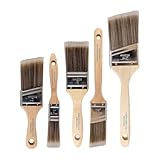
They grab the cheapest rollers and brushes they can find at the big box store. A cheap brush will shed bristles like a poorly groomed dog, leaving little fuzzy bits embedded in your wet paint.
Rollers with flimsy frames will bend and flex, leading to uneven application. I remember one particularly frustrating afternoon trying to paint a high ceiling.
My cheap roller kept losing its nap, and the handle felt like it was going to snap. The result was splotchy and took ages to fix.
Invest in good quality brushes. For cutting in edges, look for synthetic bristles for latex paints and natural bristles for oil-based. A good quality roller cover with a dense nap will give you a smooth, even finish.
Don’t forget the tray! A sturdy roller tray with a good grip is surprisingly important. And for those tricky spots, a small artist’s brush can be a lifesaver for detail work. A good painter will bring their own high-quality tools, but if you’re doing it yourself, don’t skimp here.
It’s like trying to cook a gourmet meal with plastic cutlery.
The ‘people Also Ask’ Corner: Clearing the Air
How Long Does a Professional Paint Job Last?
A professionally done paint job, using quality materials and proper prep, can last anywhere from 5 to 10 years for interiors, and 7 to 15 years for exteriors, depending on the conditions and the quality of the paint. High-traffic areas or exteriors exposed to harsh weather might see a shorter lifespan. The key is the initial application and the products used. A good painter will use paints and primers that are rated for durability and weather resistance, respectively.
What’s the Difference Between a Painter and a Decorator?
While the terms are often used interchangeably, a painter typically focuses on applying paint to surfaces for protection and aesthetics. A decorator, on the other hand, might be involved in a broader range of services, including choosing color schemes, advising on finishes, wallpapering, and even minor plastering or repair work to prepare surfaces for painting. Many professional painters also offer decorative services. (See Also: A Brushes Digital Painting )
How Much Does It Cost to Paint a 3-Bedroom House Interior?
The cost to paint the interior of a 3-bedroom house can vary significantly, but you’re looking at a range of roughly $2,500 to $7,000 or more. Factors include the number of rooms, the height of the ceilings, the current condition of the walls (requiring more prep work), the quality of paint chosen, and the hourly rate or project fee of the painter. A more complex job with intricate trim or multiple colors will naturally cost more.
Should I Paint Trim Before or After Walls?
Most professionals recommend painting the trim first, then the walls. This allows you to get clean, crisp lines where the trim meets the wall. If you paint the walls first, you’ll have to be incredibly careful not to get paint on the trim, or you’ll end up doing a lot of touch-up work. Painting the trim first lets you be a bit more liberal with the wall paint, as you can always cut in cleanly against the finished trim.
The Contrarian Take: Is Expensive Paint Always Better?
Here’s something that might ruffle some feathers. Everyone and their dog will tell you to buy the most expensive paint you can find for the best results. And while generally true, I’ve found that for certain applications, a really good mid-tier paint is perfectly adequate and saves you a chunk of cash. For instance, if I’m painting a spare bedroom that gets minimal traffic, or a closet, I might not spring for the absolute top-of-the-line, $80-a-gallon stuff.
A solid, $40-$50 per gallon paint from a reputable brand will give you excellent coverage and durability for most everyday needs. The real ‘a brush above’ comes from the preparation and the application, not just the price tag on the can. Overpaying for paint when the prep is shoddy or the painter is sloppy is just throwing money away.
So, while I advocate for quality, be smart about it. Assess the job and choose the paint that’s appropriate for the level of wear and tear it will endure. You don’t need a Ferrari engine for a trip to the grocery store.
Final Thoughts
When you’re looking for that ‘a brush above painting new brunswick’ experience, it boils down to a few non-negotiables. Proper preparation is most important – don’t let anyone skip it. Invest in quality materials, whether you’re doing it yourself or hiring it out. And finally, find a painter who respects the craft, not just the deadline. I’ve learned that patience and attention to detail are worth every penny in the long run, saving you headaches and guaranteeing a finish you’ll be happy with for years.
If you’re contemplating a big project, take the time to vet your painters. Ask for references, look at past work, and trust your gut. A good painter isn’t just a contractor; they’re an artist who understands how to protect and beautify your home. Don’t settle for less.