I remember the first time I had a plumber over to my fixer-upper in St. Louis County, just a stone’s throw from Jefferson County. He looked under the sink, a grimace creeping across his face, and muttered something about ‘improper venting.’ My eyes glazed over. All I heard was ‘expensive.’ Turns out, he was pointing at my sink’s P trap, or rather, the lack of a proper one. This whole P trap situation, and whether they’re a strict requirement, is a question that pops up more often than you’d think, especially when you’re dealing with renovations or just trying to understand your own home’s plumbing. So, are P traps required in Jefferson County MO? Let’s get down to brass tacks.
It’s not just about some obscure building code; it’s about preventing some truly nasty stuff from coming back into your house. We’re talking sewer gases, which smell like death warmed over, and worse, potentially harboring all sorts of unpleasant bacteria and pathogens. Nobody wants that wafting up from their drains, believe me.
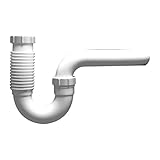
Alright, let’s talk about the humble P trap. You know, that U-shaped pipe under your sink, toilet, or shower drain? It looks simple, but it’s one of the unsung heroes of your home’s plumbing system. Its main job is to hold a small amount of water.
This water acts as a seal, a barrier that stops those nasty sewer gases from creeping back up your pipes and into your living space. Think of it as a little water gatekeeper, keeping the bad smells and the potentially harmful gasses locked out.
Without it, your home would smell perpetually like a backed-up septic tank, and that’s a hard pass for anyone. The science behind it is straightforward physics: gravity keeps the water in the trap, and the pressure of the sewer gas pushing against it isn’t enough to force its way through.
It’s a simple, elegant solution to a common problem in any wastewater system.
Now, the big question: are P traps required in Jefferson County MO? Generally speaking, yes, for good reason. Local plumbing codes are typically based on broader national and state standards, and these codes almost universally mandate the use of P traps on all fixtures that connect to a sanitary sewer or septic system. This includes sinks, showers, tubs, and even floor drains in certain areas.
The International Plumbing Code (IPC), which many local jurisdictions adopt and adapt, is pretty clear on this. It specifies that each fixture trap shall be placed beyond the reach of aspiration and shall be self-scouring. The trap seal shall not be less than 2 inches and not more than 4 inches. While specific wording might vary slightly from county to county, the fundamental requirement for a trap to prevent sewer gas intrusion is a universal plumbing principle.
So, while you might not find a specific Jefferson County ordinance that says ‘Thou shalt install a P trap,’ it’s covered under the broader adoption of plumbing codes designed for public health and safety.
Why Your Drains Need That Little U-Bend
So, why is this little U-shaped pipe so darn important? It all boils down to preventing the dreaded ‘sewer gas.’ When waste goes down your drain, it doesn’t just disappear.
It travels through your pipes, eventually leading to your septic tank or the municipal sewer system. In these systems, decomposition happens, and decomposition produces gases.
These gases are not only foul-smelling, often described as rotten egg or sulfurous odors, but they can also be flammable and, in high concentrations, contain pathogens. Imagine having those smells and potential health hazards bubbling up into your kitchen every time you run the dishwasher or your bathroom every time someone flushes. It’s a recipe for a seriously unpleasant living environment and a potential health risk.
The P trap’s design is genius in its simplicity. When water flows down the drain, some of it naturally stays behind in the bottom of the ‘U.’ This standing water creates a seal. (See Also: Are Venus Flytraps Easy To Take Care Of )
Any sewer gas trying to come back up the pipe hits this water barrier and is blocked. It’s like a tiny, automatic water-powered door. This seal is maintained as long as there’s water in the trap.
Of course, if a fixture isn’t used for a long time (think guest bathroom toilet or a rarely used basement sink), the water in the trap can evaporate, breaking the seal. This is why you might sometimes notice an odd smell from a seldom-used drain – the trap has dried out. A quick flush or pour of water will fix it right up. It’s a constant, passive defense system for your home’s air quality.
I once bought a house where the previous owner, bless his DIY heart, had decided a P trap under the kitchen sink was ‘optional’ because he’d put in one of those fancy garbage disposals. He figured the disposal’s venting was enough.
Big mistake. The smell that would emanate from that sink after a few days was unreal.
It wasn’t just a faint odor; it was a full-on assault on the senses. After a week of trying to air out the house and blaming everything from old food to the dog, I finally got a plumber to look. He took one glance and said, ‘No P trap? You’re asking for trouble.’
He installed a proper one, and poof! The smell vanished.
That experience taught me that some ‘shortcuts’ are just invitations for bigger, smellier problems down the line. And that was a real eye-opener about the necessity of these simple components.
What the Codes actually Say (without Getting Too Dry)
Let’s be real, nobody wants to read a dry legal document, but understanding the gist of plumbing codes is important. For Jefferson County, MO, like most places in the United States, plumbing installations are governed by adopted building codes. The most common framework is the International Plumbing Code (IPC), which is updated periodically. States and then local municipalities adopt a version of this code, sometimes with amendments. So, while there might not be a specific ordinance titled ‘Jefferson County P Trap Law,’ the requirement for a fixture trap is embedded within the adopted plumbing code that the county enforces.
The IPC, and by extension, the codes likely in effect in Jefferson County, will mandate that every fixture that connects to the sanitary drainage system be provided with a trap. These traps are specified to be at least 2 inches deep (the water seal) but not more than 4 inches deep. This depth is important – too shallow and it’s easily siphoned out, too deep and it can lead to sluggish drainage and potential issues. Furthermore, the code often dictates the type of trap (like a P trap, which is a type of fixture trap), its material (typically certain plastics or metals), and how it’s installed to prevent leaks and maintain that all-important seal.
The intent is always to prevent the passage of sewer gases into the building. So, even if you can’t find a standalone document for Jefferson County solely about P traps, their requirement is a fundamental part of the plumbing code they use.
The plumbing inspectors are the ones who make sure these codes are followed. When you get plumbing work done that requires a permit, an inspection will happen. If they see a fixture without a required trap, it will fail inspection. It’s not a suggestion; it’s a requirement for safety and health. For DIYers, understanding these basics can save you the headache and cost of having to redo work. It’s worth checking with the Jefferson County building department if you’re undertaking a major renovation to be absolutely sure of any specific local amendments, but the universal presence of a trap requirement is a safe bet.
Common P Trap Problems and How to Spot Them
Even with the best intentions, P traps can cause headaches. The most common issue, and one I’ve definitely battled, is a clogged P trap. Because of its shape, that U-bend is a prime spot for gunk, hair, grease, and whatever else you might send down the drain to accumulate. You’ll know it’s clogged when your sink drains slowly, or not at all, and you might hear gurgling sounds. Sometimes, you can clear a minor clog by using a plunger or a simple drain snake. For tougher clogs, you might have to disassemble the trap itself. (See Also: Are Omega Watch Straps Real Alligator )
This brings me to my second common problem: leaks. Over time, the joints in the P trap can loosen, especially if they’re plastic.
They might be hand-tightened or rely on rubber gaskets that can degrade. A slow drip under the sink is the classic sign. You might notice water stains on the cabinet floor or a persistent musty smell. These are usually easy fixes; often, you just need to tighten the slip nuts.
If tightening doesn’t work, the gasket might be shot and needs replacing. I learned this the hard way when a slow leak from my bathroom sink’s P trap went unnoticed for a few weeks, causing some minor water damage to the vanity.
It wasn’t a catastrophic flood, but it was a preventable mess that cost me a new vanity baseboard and a new gasket set. Always check those connections!
Another issue, though less common, is a ‘siphoned’ trap. This happens when the vacuum created by a large volume of water flowing down a connected drain pulls the water out of the P trap, breaking the seal.
This is usually a sign of an improper venting system. If you notice a recurring sewer gas smell from a particular drain, even after the trap has been refilled, it’s a strong indicator of a venting problem, and that’s when you really need a professional plumber to diagnose. They’ll check the vent stack and make sure the air pressure is equalized, allowing the trap to hold its water seal effectively.
This is where the ‘venting’ my first plumber mentioned comes into play – it’s as important as the trap itself for the system to work correctly. The common advice for this is often just ‘pour water down the drain,’ but if it keeps happening, that’s a sign of a deeper system issue.
DIY vs. Professional: When to Call in the Experts
Look, I’m all for a good DIY project. I’ve saved a ton of money over the years by tackling things myself. Replacing a P trap is often on the simpler side of the DIY spectrum, especially if you’re just swapping out an old one or installing one on a new fixture where the drainage pipe is already in place. You’ll need basic tools like channel-lock pliers, a bucket to catch any residual water, and perhaps some pipe dope or Teflon tape for threaded connections, depending on the type of trap you have.
The process typically involves unscrewing the old trap, cleaning up the connecting pipes, and then screwing in the new one, making sure all the connections are snug but not overtightened. A good tip is to hand-tighten the slip nuts first, then give them about a quarter to half a turn with the pliers.
However, there are times when calling a professional plumber is the smart move, and it’s not just about being lazy or having deep pockets. If you’re dealing with a situation that involves the main drain line, or if you suspect a larger issue like improper venting (as I mentioned with the siphoned trap), that’s beyond basic P trap replacement. If you’re undertaking a major kitchen or bathroom remodel where you’re moving plumbing lines or adding new fixtures, it’s often best to have a licensed plumber involved from the start. They understand the local codes inside and out, can make sure everything is installed to meet inspection standards, and can prevent costly mistakes that might arise from a DIYer’s inexperience with the broader plumbing system.
My contrarian opinion? Sometimes, the ‘DIY’ advice you find online, especially for plumbing, can be dangerously incomplete.
People focus on the simple steps of swapping a part, but they neglect the bigger picture of how that part interacts with the entire system – the venting, the slope of the pipes, the connection to the main stack. When it comes to your home’s plumbing, especially anything involving waste and sewer gases, cutting corners can lead to significant health hazards and expensive repairs down the road. If you’re not 100% confident, or if the problem seems complex, the money you spend on a plumber is usually well worth the peace of mind and the guarantee of a safe, code-compliant installation. (See Also: Are Sticky Mouse Traps Humane )
Don’t be like my old house’s previous owner and create a future problem by trying to save a few bucks now.
P Trap Materials and What to Look For
When you’re out shopping for a P trap, you’ll notice they come in a few different materials. The most common are PVC (white plastic) and ABS (black plastic), and then you have metal options like brass or stainless steel. For most residential applications, especially under sinks, PVC is perfectly fine and usually the most budget-friendly. It’s lightweight, easy to cut and assemble, and resistant to corrosion. ABS is similar to PVC but is often considered a bit more durable and impact-resistant, though for a P trap that’s just sitting there, the difference is often negligible.
Metal P traps, while more expensive, offer a more premium look and can be more durable in certain situations, though they are more prone to corrosion if exposed to harsh chemicals. You might see them more often in high-end kitchens or commercial settings where aesthetics are a priority. For standard home use, I’ve always found the plastic ones to be perfectly adequate. My main advice is to choose a trap that matches the material of your existing drainage pipes if you’re just replacing one. If you’re installing new, PVC is generally the go-to for its ease of use and cost-effectiveness. Make sure the trap you buy comes with all the necessary slip nuts and washers for a watertight seal.
Here’s a quick rundown, with my personal take:
| Material | Pros | Cons | My Verdict |
|---|---|---|---|
| PVC | Inexpensive, easy to install, corrosion-resistant | Can be brittle in extreme cold, less aesthetically pleasing | My go-to for most sinks. Does the job without breaking the bank. |
| ABS | Durable, impact-resistant, easy to work with | Can be slightly more expensive than PVC, can degrade with UV exposure | A solid alternative to PVC, especially if durability is a slight concern. |
| Brass/Chrome-Plated Brass | Aesthetically pleasing, durable, can be more heat-resistant | More expensive, can corrode over time, heavier | Great for exposed installations where looks matter, but not necessary for most under-sink setups. |
| Stainless Steel | Extremely durable, highly corrosion-resistant, modern look | Most expensive option, can be harder to cut/work with | Overkill for most residential P traps, but would be excellent in a heavy-duty industrial setting. |
When picking out a P trap, make sure it’s the correct size for your drainpipe diameter (usually 1-1/4 inch or 1-1/2 inch for sinks). Also, look for traps that have clean-out plugs. These are threaded caps on the bottom of the trap that allow you to access and clear clogs more easily without having to disassemble the entire thing. It’s a small feature that can save you a lot of hassle down the line.
Frequently Asked Questions About P Traps
Are P Traps the Same as S Traps?
No, they are not the same, although both are types of fixture traps designed to create a water seal. An S trap, when installed, creates a downward and then upward curve, resembling an ‘S’ shape. While it does create a water seal, S traps are much more prone to siphoning (losing their water seal due to negative pressure) and are often prohibited by modern plumbing codes because they are less reliable at preventing sewer gas from entering a home. A P trap, with its downward then horizontal then upward curve, is the standard and code-approved fixture trap in most areas, including likely Jefferson County, MO, because it is less susceptible to siphoning when properly vented.
Can I Just Replace a P Trap Myself?
Yes, in many cases, you can replace a P trap yourself. It’s considered a relatively straightforward DIY plumbing task. You’ll need basic tools like pliers and a bucket. The main steps involve unscrewing the old trap, cleaning the pipes, and installing the new one, making sure all connections are snug to prevent leaks. However, if you’re unsure about any step, suspect underlying issues like improper venting, or are dealing with a complex plumbing setup, it’s always best to call a licensed plumber to make sure the job is done correctly and safely, meeting all local code requirements.
What Happens If I Don’t Have a P Trap?
If you don’t have a P trap (or another type of fixture trap) installed on a drain, you will be exposed to sewer gases. These gases are not only extremely foul-smelling, often described as rotten egg or sulfurous odors, but they can also contain flammable components and harmful bacteria or pathogens. This means your home could constantly smell bad, and you could be at risk of health issues. Plumbing codes universally require fixture traps to prevent this direct pathway for sewer gases into your living spaces, making them a a must component of a safe and sanitary plumbing system.
How Often Do I Need to Clean My P Trap?
You don’t need to ‘clean’ your P trap on a regular, scheduled basis unless you’re experiencing drainage issues. Instead, you should clean it out when you notice slow drains or clogs. The P trap is a natural collection point for hair, grease, soap scum, and other debris. If your sink is draining slowly, the first step is often to check and clean the P trap. For a quick clean, you can disassemble it, empty the contents into a bucket, rinse it out, and reassemble it. Pouring boiling water and dish soap down the drain can also help keep grease buildup to a minimum, but actual cleaning is usually only done when a problem arises.
Conclusion
So, to circle back to the initial question: are P traps required in Jefferson County MO? The answer is a resounding yes, due to the adoption of standard plumbing codes designed to protect public health. It’s not just about avoiding a bad smell; it’s about preventing potential health hazards from entering your home. Whether you’re a DIY enthusiast or prefer to leave plumbing to the pros, understanding the function and necessity of a P trap is key to maintaining a safe and comfortable living environment.
If you’re noticing persistent gurgling sounds from your drains, slow drainage, or any whiff of sewer gas, don’t ignore it. It could be a simple clog in the P trap that you can tackle yourself, or it could indicate a larger venting issue that requires a professional’s expertise. For any significant plumbing work or if you’re in doubt about code compliance, reaching out to a licensed plumber in the Jefferson County area is your best bet to make sure everything is up to snuff.
Next time you hear that satisfying gurgle as water disappears down the drain, take a moment to appreciate the humble P trap doing its job. It’s a small but mighty piece of your home’s infrastructure, and getting it right, especially in places like Jefferson County, MO, is incredibly important for your comfort and health.