I remember standing in my garage, grease up to my elbows, staring at two very different-looking metal bits. One was bolted to the bottom of my engine, the other sat looking lonely in a bucket of murky water I’d pumped out of the basement. The question burned in my mind: are oil pumps and sump pumps the same thing? It’s a question that pops up more than you’d think, especially when you’re staring at a leaky engine or a flooded crawl space. The short answer is no, they are absolutely not the same, but the confusion is understandable because they both ‘pump’ things. Let’s clear this up before you waste time or money chasing the wrong part.
For years, I’ve been elbow-deep in automotive repair and general home maintenance. I’ve seen my fair share of overhyped gadgets and misleading advice. So, when it comes to understanding the nuts and bolts – literally – of how things work, I prefer to cut through the fluff. This isn’t about fancy jargon; it’s about practical knowledge that saves you headaches and keeps your car running or your basement dry.
What Exactly Does an Oil Pump Do (and Why It Matters)?
Alright, let’s start with the heart of your car’s lubrication system: the oil pump. Its job is simple, but its importance is monumental. Think of it as the engine’s circulatory system. It doesn’t just move oil around; it’s the sole reason your engine doesn’t seize itself into a molten, metallic blob after a few minutes of running. Every single moving part inside your engine – pistons, crankshaft, camshafts, bearings – needs a constant, pressurized flow of oil to keep friction from turning into catastrophic heat and wear. Without that pressure, metal grinds on metal, and you’re looking at a very expensive tow truck bill.
The oil pump typically sits at the bottom of the engine, submerged in the oil sump (or oil pan, as most folks call it). It draws oil up from the sump and forces it through the oil filter, then circulates it under pressure to all those important engine components. This isn’t just a gentle circulation; the pump creates pressure. This pressure is what makes sure the oil gets where it needs to go, even against the forces of gravity and high rotational speeds.
The pressure is measured in PSI (pounds per square inch), and your car’s manual will specify the expected range. A drop in oil pressure is usually the first sign that your oil pump is struggling or has failed.
I had a ’98 Ford Explorer that started making this faint ticking sound on startup, especially when cold. My mechanic initially thought it was lifter noise. We topped off the oil, no change. Then he checked the oil pressure.
It was way lower than it should have been. Turns out, the oil pump pickup screen was getting clogged with sludge from infrequent oil changes over the years. The pump was still working, but it couldn’t suck up enough oil because its ‘mouth’ was partially blocked.
Replacing the pump and doing a proper flush cost me about $700, but it was way cheaper than a new engine. That taught me a hard lesson about what ‘regular maintenance’ really means – not just the quick oil change, but keeping the whole system clean.
The design of oil pumps can vary. The most common types in cars are:
- Gerotor pumps: These use two meshing gears, one inside the other. As they rotate, they create chambers that trap oil and move it from the inlet to the outlet. They’re efficient and relatively compact.
- Gear pumps: Similar to gerotor pumps, these also use meshing gears, but they are typically simpler in design.
Both types are designed to build and maintain oil pressure consistently. They are built with tight tolerances to prevent oil from just sloshing back and losing pressure. This is why when an oil pump wears out or is damaged, it usually means replacing the entire unit, not just a small part.
Sump Pumps: The Basement’s Best Friend
Now, let’s switch gears entirely and talk about sump pumps. If you’ve ever had a flooded basement or worry about groundwater issues, you’ve likely encountered one of these. A sump pump’s sole purpose is to remove unwanted water from a specific area, usually a basement or crawl space, and discharge it away from your foundation. It’s a water management system, plain and simple.
The ‘sump’ itself is a pit or basin dug into the lowest part of your basement or crawl space. This pit is where water naturally collects – from leaky pipes, groundwater seepage, heavy rain, or even condensation. The sump pump sits inside this pit. When the water level in the pit rises to a certain point, it triggers a float switch (think of a toilet tank float, but for water). This float switch activates the pump motor, which then sucks up the water through an intake and pushes it out through a discharge pipe that leads away from your house, hopefully to a storm drain or a safe distance away.
There are two main types of sump pumps: (See Also: Are Pumpkin Seed Husks Edible )
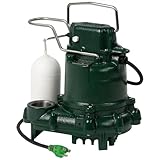
Submersible pumps: These are housed in a waterproof casing and sit submerged in the sump pit. They tend to be quieter because the water muffles the sound, and they are less likely to clog because their intake is often screened or positioned to avoid debris. The motor is sealed and cooled by the water surrounding it.
Pedestal pumps: The motor and switch assembly are mounted on a pedestal above the water level, with a hose or pipe going down into the pit. These are generally less expensive but can be noisier. They also tend to be more prone to clogging if debris gets into the pit.
I learned about sump pumps the hard way during a freak storm a few years back. We had about six inches of water in the basement. My old pedestal pump, which I’d never really paid much attention to, had clogged up with mud and leaves that had somehow found their way into the pit. It just sat there humming uselessly. I spent about $400 on a new submersible pump and a better-quality discharge hose that day. The kicker? The old pump was maybe ten years old, but it looked like it had survived a war. The point is, these things are workhorses, but they need to be maintained and the right type for the job.
Unlike oil pumps that operate under pressure to deliver a specific lubricant, sump pumps are designed to move large volumes of water efficiently. They don’t need to build high pressure; they just need to get the water out. The flow rate, measured in gallons per hour (GPH), is the key spec for a sump pump. You choose one based on how much water you anticipate needing to move and how quickly.
The Core Differences: What Separates Them
So, to directly address are oil pumps and sump pumps the same thing: absolutely not. While both move fluids, their applications, design principles, and operational requirements are vastly different. The most fundamental distinction lies in their purpose. An oil pump is a high-precision component within an engine, responsible for maintaining the important oil pressure needed to lubricate moving parts and prevent catastrophic engine failure. It’s about controlled, pressurized delivery of a specific lubricant.
A sump pump, on the other hand, is a utility device for water management. Its goal is to remove accumulated water from a low point, preventing flooding and property damage. It’s about volume and displacement, not precise pressure control for delicate machinery. Think of it this way: if your engine oil pump failed, you’d be in deep trouble very quickly, likely with a seized engine. If your sump pump failed during a light rain, you might get some puddles. If it failed during a major flood, you’d have a swimming pool where your basement used to be.
Here’s a quick breakdown of how they stack up:
| Feature | Oil Pump | Sump Pump |
|---|---|---|
| Primary Function | Lubricate engine parts with pressurized oil | Remove unwanted water from a pit |
| Fluid Handled | Engine oil (viscous lubricant) | Water (thin, often with debris) |
| Key Performance Metric | Oil pressure (PSI) | Flow rate (GPH) |
| Operating Environment | Internal combustion engine (high heat, precise tolerances) | Basement/crawl space (moisture, variable debris) |
| Typical Construction | Precision-machined gears/rotors, tight seals | Motor, impeller, float switch, housing (less precision, more solid for water) |
| Failure Consequence | Catastrophic engine damage (seizure) | Basement flooding, property damage |
| Maintenance Focus | Oil changes, filter replacement to prevent clogging | Checking float switch, clearing pit of debris, making sure discharge line is clear |
| Verdict | Absolutely vital for engine health; replacement is urgent. | Key for flood prevention; replacement depends on severity of water issues. |
The materials used are also different. Oil pumps are made from high-strength metals designed to withstand the heat and stresses of an engine. Sump pumps, while durable, are often made from plastics or cast iron and are designed to handle water and potential grit. Trying to use an oil pump to move water would likely fail quickly due to its intricate design not being suited for debris. Trying to use a sump pump to lubricate an engine? Forget it – it wouldn’t generate anywhere near the necessary pressure, and the water it pumps would destroy the engine.
Common Misconceptions and Why They’re Wrong
The biggest misconception, of course, is thinking they are the same thing. This usually stems from the fact that both are pumps and both are often found at the ‘bottom’ of something – the oil pump in the engine’s oil pan/sump, and the sump pump in the basement’s sump pit. It’s a superficial similarity that leads to confusion, especially for folks new to car maintenance or home repair.
Another angle of confusion might be the term ‘sump’. In automotive terms, the ‘sump’ is the oil pan. So, you have an ‘oil pump’ in the ‘oil sump’. This can lead someone to think that a ‘sump pump’ is just a generic term for any pump that goes into a sump. But that’s where the analogy breaks down. The automotive ‘sump’ holds oil, and the pump within it is specifically an ‘oil pump’ designed for oil. A ‘sump pump’ is a home appliance for water.
I’ve heard people ask, “Can I use a small bilge pump from a boat to pump out my engine oil?” Absolutely not. Bilge pumps are designed for water, and while they move volume, they aren’t built for the viscosity of oil, nor the pressure required. They’d likely overheat and burn out, or simply not move the oil effectively. Similarly, someone might wonder if a car’s oil pump could somehow be adapted to pump water out of a small flooded area. Again, no. The oil pump’s internal gears are precisely machined for oil; pumping water, especially dirty water, would quickly wear them down, and it wouldn’t move water fast enough to be useful for anything more than a very minor leak.
The advice I often see online, particularly in forums where people are trying to save a buck, is to ‘just use what you have.’ While resourcefulness is great, it has limits. Using the wrong tool or part can be far more expensive in the long run. (See Also: Are Pumpkin Seed Acid Or Alkaline )
I once tried to jury-rig a solution for a leaky fuel line using some generic rubber hose and clamps I had lying around. Within a week, I was dealing with a fuel leak that threatened to catch fire. The cost of the proper fuel line and the tow truck far outweighed the few dollars I thought I was saving. So, when it comes to important systems like engine lubrication or preventing a flooded home, stick to the parts designed for the job.
How They Work: A Peek Under the Hood (and Downstairs)
Let’s get a bit more technical about how these pumps actually operate, as understanding their mechanisms highlights their differences. The oil pump in your car is a positive displacement pump. This means it traps a fixed amount of fluid and forces (displaces) it into the discharge pipe.
Most common automotive oil pumps are gear pumps, specifically gerotor or trochoid types. Imagine two irregularly shaped gears meshing perfectly. As the outer gear rotates, it drives the inner gear. The space between the teeth of these gears and the pump housing forms pockets.
Oil is drawn into these pockets at the inlet side as the gears separate. As the gears continue to rotate and mesh, these pockets get smaller, forcing the trapped oil out the outlet under pressure. The tight tolerances are key here; any significant gap allows the oil to bypass the outlet and return to the inlet, reducing pressure.
The oil pump is typically driven directly by the engine’s crankshaft or camshaft via a drive shaft or chain. This means it runs whenever the engine is running. The faster the engine spins, the faster the pump spins, and the higher the oil pressure typically becomes, up to a certain point where a pressure relief valve opens to prevent over-pressurization. This pressure relief valve is a safety feature, vital for protecting the pump and the engine components from excessive force.
Now, for the sump pump. Most sump pumps are centrifugal pumps.
When activated, an electric motor spins an impeller – a sort of fan with vanes. This impeller is located within a volute casing. As the impeller spins, it throws water outwards due to centrifugal force. This outward motion creates a low-pressure area at the center of the impeller, drawing more water in.
The water is then directed by the casing towards the discharge pipe. Unlike positive displacement pumps, centrifugal pumps move fluid by imparting kinetic energy to it.
Their output is more dependent on the resistance in the discharge pipe and the speed of the motor. They are great for moving large volumes of water relatively quickly, but they don’t build the same kind of steady, high pressure as an oil pump.
The float switch is the brain of the sump pump operation. It’s a simple mechanical device. As the water level rises in the sump pit, it lifts the float. When the float reaches a set point, it closes an electrical circuit, powering the pump motor. As the water level drops, the float lowers, and when it reaches another set point, it opens the circuit, shutting off the pump. This on-off cycle makes sure the pump only runs when necessary, preventing it from running dry (which can damage the pump) and avoiding unnecessary energy consumption.
Practical Tips for Maintenance and Avoiding Mistakes
Given that we’ve established they’re not the same, what can you do to keep them both working? For your car’s oil pump, the best defense is a good offense: consistent, high-quality maintenance.
This means regular oil changes using the correct grade and type of oil specified by your vehicle manufacturer. Don’t skimp on this. Use a quality oil filter, too. (See Also: Are Organic Pumpkin Seeds From China Bad )
When I got my old pickup truck, the previous owner clearly hadn’t changed the oil in ages. The engine ran okay, but it sounded rough. I did a full engine flush and oil change, and the difference was night and day. The ticking sounds quieted down, and it felt like it had more pep.
That $150 flush and oil change was worth every penny.
Listen to your car. Strange noises, especially ticking or knocking sounds, particularly on startup, can be indicators of low oil pressure. Also, keep an eye on your oil pressure gauge or warning light. If it drops, pull over safely as soon as you can and shut off the engine. Continuing to drive with low oil pressure is a one-way ticket to a dead engine. If you’re replacing an oil pump, make sure to prime it before starting the engine. Some pumps come with instructions, or you might need to fill it with oil to make sure it can start circulating fluid immediately. This prevents dry running.
For your sump pump, maintenance is about preventing clogs and making sure it’s ready when needed. Periodically check your sump pit for debris like leaves, dirt, or small rocks. Clean it out as needed. Make sure the float switch isn’t obstructed by anything; it needs to move freely. Test the pump every few months by pouring water into the pit to simulate a rising water level and watch to make sure the pump turns on, pumps the water out, and shuts off correctly. Also, check the discharge pipe to make sure it’s not blocked or frozen in winter. If you live in an area prone to freezing, consider a freeze-resistant discharge hose or a check valve to prevent backflow.
A common mistake people make with sump pumps is undersizing them for their needs. If you have a large basement or a high water table, a small pump might run constantly and still not keep up, leading to premature failure. It’s better to have a pump with a slightly higher Gallons Per Hour (GPH) rating than you think you need. Another mistake is not having a battery backup system. Power outages often coincide with heavy storms, precisely when you need your sump pump the most. A battery backup or a water-powered backup can save your basement from a flood when the electricity is out.
People Also Ask
What Is the Difference Between an Oil Pump and a Water Pump in a Car?
The difference is significant. A car’s oil pump circulates engine oil under pressure to lubricate moving parts and prevent friction and heat. A car’s water pump, on the other hand, circulates coolant (a mix of water and antifreeze) through the engine block and radiator to regulate engine temperature and prevent overheating. They handle different fluids and have entirely different functions within the vehicle’s systems.
Can You Use a Sump Pump to Remove Engine Oil?
No, you absolutely cannot. Sump pumps are designed for water, which is a thin fluid. Engine oil is much thicker (viscous) and requires specific pressure and flow characteristics that a sump pump cannot provide. Furthermore, pumping water through an oil system would contaminate and destroy the engine, while pumping oil through a water pump would likely clog or damage the pump itself due to its design limitations.
What Is the Main Function of a Sump Pump?
The main function of a sump pump is to remove accumulated water from a basement or crawl space sump pit and discharge it away from the building’s foundation. This prevents basement flooding, which can cause significant damage to property, mold growth, and structural issues. It’s a important component for protecting homes in areas prone to groundwater seepage or heavy rainfall.
Final Verdict
So, to wrap this up and make it crystal clear: are oil pumps and sump pumps the same thing? A resounding ‘no’. They are designed for entirely different fluids, operate under different principles, and serve completely distinct purposes. One is a important, high-precision component for engine survival, the other a solid utility device for basement flood prevention.
Trying to interchange them or use one for the other’s job is a recipe for disaster, either a blown engine or a flooded basement (or both!). Understanding their distinct roles is key to proper maintenance and avoiding costly mistakes. If your engine oil pressure drops, you need an automotive oil pump. If your basement is filling with water, you need a sump pump.
My advice? Treat them as the specialized tools they are. If you’re unsure about a part for your car or home, err on the side of caution and consult a professional or do thorough research specific to that component. It’s cheaper than fixing what you break by guessing.